
DISCOVER AUSTIN
Use the filters to search neighborhoods by lifestyle and characteristics or
Search by Map


Unsure of which of lifestyle or characteristics are for you? See our description glossary.
Tag

Showing 0 of 100


Use the filters to search neighborhoods by lifestyle and characteristics or
Unsure of which of lifestyle or characteristics are for you? See our description glossary.
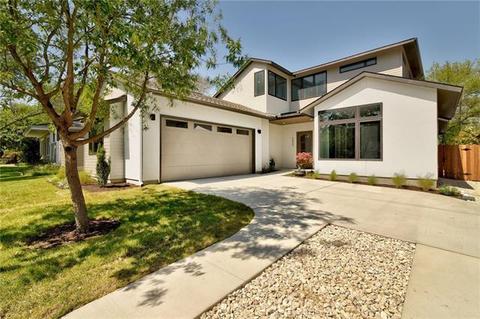
Allandale runs between Burnet Road and Shoal Creek Boulevard, ten to fifteen minutes from downtown, under a canopy of pecan and live oak that took seventy years to grow. Wide streets, deep lots, and housing stock that is mostly 1950s and 1960s ranch. That combination is the whole story here.
The 78756 median sits around $768,000. The working range is the high $600,000s through the mid $800,000s, and where a house falls in that band depends mostly on how much of the original house is left. Untouched mid-century ranches sit at the bottom. Fully renovated homes with open plans, new kitchens, and a casita out back sit at the top and above it. Here's what the listing won't tell you: in Allandale you're often bidding against someone pricing the lot rather than the house. Ask me for current comps before you settle on a number.
Allandale is zoned to Austin ISD, with Gullett Elementary feeding Lamar Middle School and then McCallum High School. McCallum holds up on academics and is better known for fine arts. Worth understanding before you buy for the school: the Fine Arts Academy at McCallum takes students from across the district by application, so living in the zone gets you McCallum, not automatically the Academy. Private and charter options line the Burnet Road corridor if you want alternatives.
Burnet Road is one of Austin's best dining corridors and Allandale sits directly on it: Bufalina Due for wood-fired Neapolitan pizza, Uchiko for Japanese, Fonda San Miguel for interior Mexican. Coffee at Houndstooth, vinyl at Breakaway Records. Anderson Lane covers the rest, anchored by Central Market and its prepared foods counter. Most of it is walkable or a five-minute drive.
Beverly S. Sheffield Northwest District Park is the outdoor anchor, with a pool, playgrounds, sports courts, and shaded picnic areas. The Northwest Greenway trail ties into the Shoal Creek trail system for running and cycling. The streets themselves do a lot of the work: flat, shaded, and connected, which is why you'll still see joggers and dog walkers out in August. Zilker Park and Lady Bird Lake are a short drive south.
Single-family ranch homes dominate, with renovated bungalows, contemporary new builds, and the occasional duplex or small multifamily mixed in. Lots run roughly 8,000 to 10,000 square feet, larger than the Central Austin norm, and that extra ground is why the mix keeps shifting. A deep lot in this zip supports an addition, a pool, or an accessory dwelling unit, so part of the buyer pool is underwriting a second structure before anyone has walked the existing house. If you want the 1950s ranch as it stands, plan on competing with someone running numbers on what fits behind it.
Downtown is 10 to 15 minutes by car, and the Burnet Road and MoPac employers are closer than that. CapMetro runs Burnet Road and Lamar Boulevard. Flat terrain and connected sidewalks make errands on a bike realistic, which is rare this far inside the city. MoPac handles north-south, and Burnet and Lamar get you to dinner without touching a highway.
Allandale is a central Austin address with real ground under it: big lots, old trees, and a short drive to almost everything. That combination doesn't come up often this close to downtown. If you want walkable Burnet Road, the McCallum feeder, and room to build later, this is the zip. Reach out and let's talk about what's available.
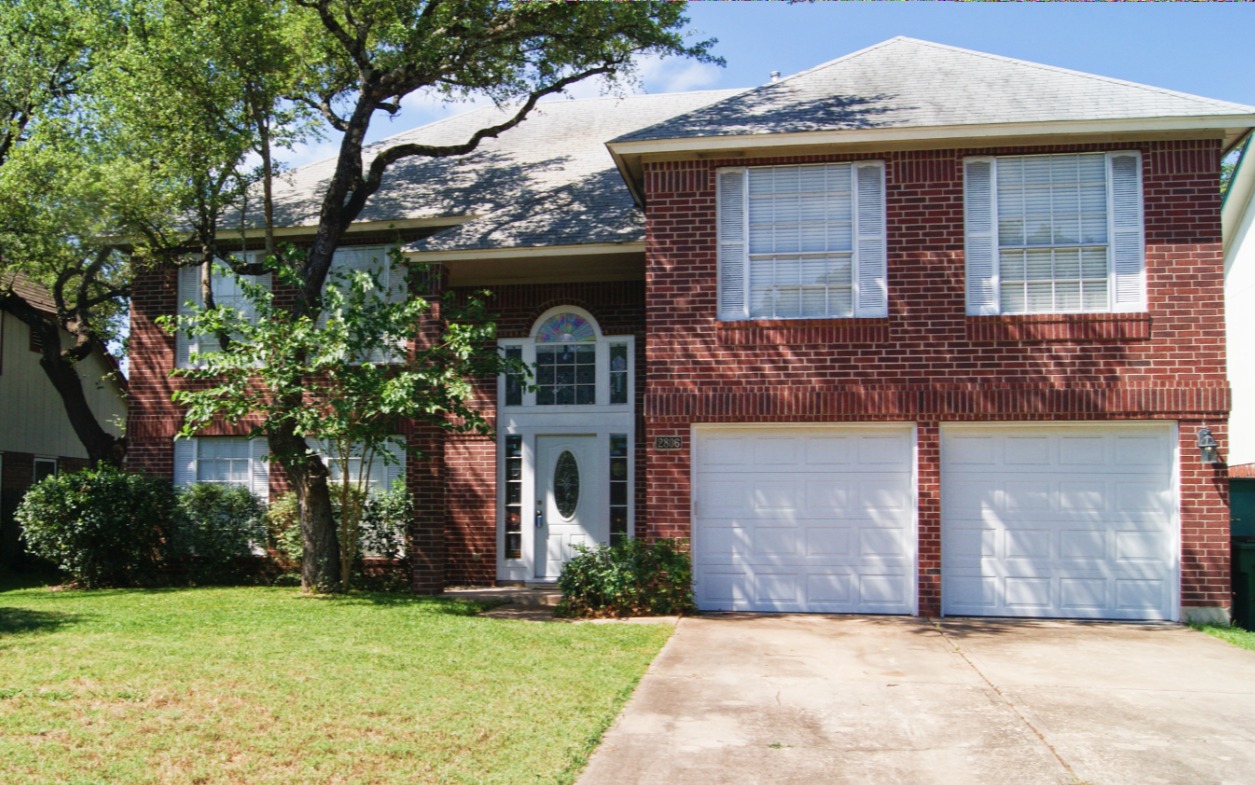
Anderson Mill sits between US 183 and RM 620 in Northwest Austin, close enough to the Hill Country to feel it and close enough to the tech corridor to commute it. The draw is specific: Round Rock ISD schools, six-plus miles of trails inside the neighborhood, and 1970s and 1980s housing stock priced under what the same school district costs in newer construction farther north.
The 78750 median runs around $635,000. In practice you're shopping the high $500,000s to the low $700,000s, and where you land in that band has almost nothing to do with location. The whole neighborhood went up inside a fifteen-year window on comparable lots. What separates the numbers is who renovated and who didn't. Two houses three streets apart can price far apart on kitchens, windows, and HVAC alone, which makes the median a weak budgeting tool. Ask me for current comps on the specific streets you're considering.
Anderson Mill is zoned to Round Rock ISD, not Austin ISD, which catches buyers off guard when they see an Austin mailing address. The feeder runs to Westwood High School, one of the strongest public high schools in the state for academics and STEM. That district line is doing real work on price here: it's why a 1970s ranch in 78750 competes with newer inventory up in Cedar Park. Confirm zoning on the exact address before you write an offer, because the boundaries in this pocket aren't intuitive.
Food and errands live on the US 183 and RM 620 corridors: Tex-Mex, Vietnamese pho, neighborhood pizza, craft beer taprooms, plus the usual chains. Lakeline Mall is minutes out for retail and a movie. H-E-B and Costco handle the weekly run, and specialty markets fill the gaps. Farmers markets in Cedar Park and Leander are a short drive on weekends.
More than six miles of hike-and-bike trails wind through mature canopy without leaving the neighborhood. There are two pools, a water park feature, sports courts, and several playgrounds, all maintained by the homeowners association. Ask what the dues cover and what they cost before you commit, since that amenity package is the reason people choose these streets over cheaper ones a mile away. The El Salido Greenbelt is the wilder option: wooded trails along the creek that joggers and mountain bikers use year round. Lake Travis and Balcones Canyonlands are close enough for a Saturday.
Single-family homes dominate the inventory. Compact three-bedroom plans sit at the low end, four- and five-bedroom layouts with two-car garages at the top. Townhomes and condos exist at lower price points for buyers who want in without the yard. Lots come with mature landscaping, covered patios, and fenced backyards, which is what forty years of tree growth buys you that new construction can't. The HOA stays active and the infrastructure has kept up, and that shows on resale.
US 183 and RM 620 are the arteries, feeding the Domain, downtown, and the tech corridors of Northwest Austin and Cedar Park. Dell, Apple, Amazon, and Samsung are all a reasonable drive. CapMetro Park & Ride covers the downtown commute for anyone who'd rather not fight 183 twice a day. Austin-Bergstrom is roughly 30 to 35 minutes south.
Anderson Mill is where you land when you want Round Rock ISD and a real amenity package without paying new-construction prices for either. The tradeoff is honest: you're buying a house built in the 1970s or 1980s, so budget for whatever the last owner deferred. Buyers who read inspection reports closely do well here. If Northwest Austin is on your list, this belongs on it. Let's schedule a tour.
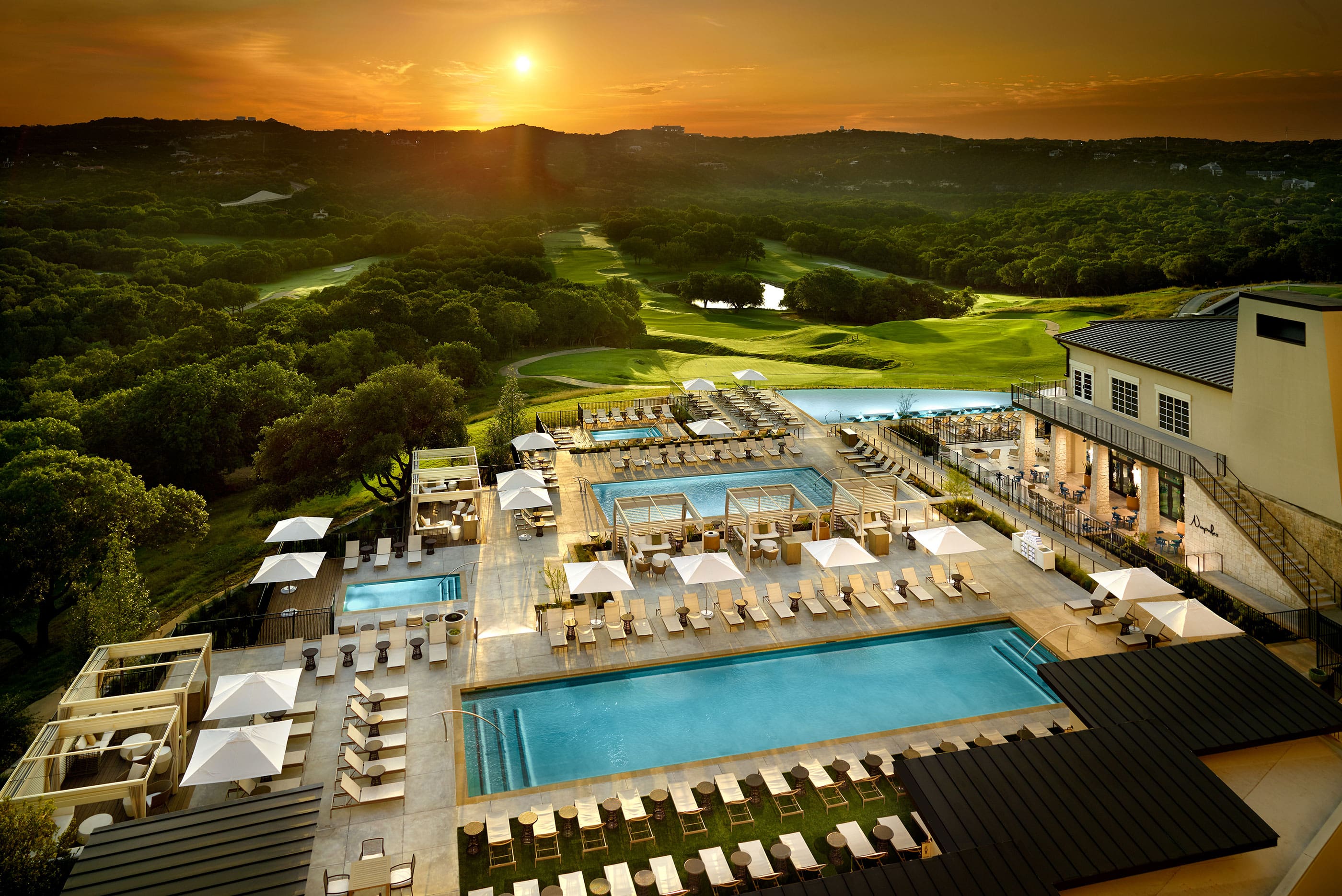
Barton Creek is Austin's premier luxury community, a sprawling 4,000-acre retreat in the western hills that offers an unmatched combination of world-class golf, natural beauty, and estate-caliber living. Set among rolling limestone terrain, ancient oaks, and panoramic Hill Country views, Barton Creek attracts buyers who want the very best: from championship golf and resort-style amenities to custom homes on multi-acre lots. If luxury living with a Hill Country backdrop is what you're after, Barton Creek is in a class by itself.
Barton Creek's real estate market spans a remarkable range, from townhome-style residences starting around $400,000 to breathtaking custom estates priced above $20 million. The median home price typically falls in the $2 million to $3 million range, reflecting the caliber of construction and the size of the properties. Many homes feature high-end finishes like imported stone, chef's kitchens, wine cellars, resort-style pools, and expansive outdoor living areas designed to take full advantage of the Hill Country views. Lot sizes vary from quarter-acre townhome sites to sprawling multi-acre estates with complete privacy. Gated communities within Barton Creek, such as Amarra Drive and the Estates, add controlled-access entry and greater privacy.
Barton Creek is served by Austin ISD and Eanes ISD, depending on the specific section of the community. Eanes ISD is consistently ranked among the top school districts in Texas, with Westlake High School earning national recognition for academics, athletics, and college preparation. Austin ISD campuses serving portions of Barton Creek also receive strong ratings. Several prestigious private schools are located nearby, including St. Andrew's Episcopal School, Regents School of Austin, and The Griffin School, adding an exceptional range of educational choices.
Life in Barton Creek revolves around the Omni Barton Creek Resort and Spa, which offers fine dining, a full-service spa, conference facilities, and social events throughout the year. Residents also have easy access to the Barton Creek Square Mall area for shopping and casual dining, while the vibrant restaurants of downtown Austin and the South Lamar corridor are just 15 to 20 minutes away. The Bee Cave and Lakeway dining scenes along Highway 71 have also expanded significantly, offering everything from upscale steakhouses to craft cocktail lounges within a short drive.
Barton Creek is defined by its natural setting. The community is home to four championship golf courses designed by legends like Tom Fazio, Arnold Palmer, and Ben Crenshaw, making it one of the top golf destinations in Texas. Beyond golf, residents enjoy miles of private trails winding through the Barton Creek Greenbelt, swimming in natural spring-fed pools, and exploring the surrounding Hill Country terrain. The Barton Creek Greenbelt, one of Austin's most treasured natural areas, is right at the community's doorstep, offering hiking, rock climbing, and swimming at iconic spots like Sculpture Falls and Twin Falls.
Barton Creek offers an impressive diversity of luxury housing. Entry-level options include well-appointed townhomes and garden homes in gated enclaves, perfect for buyers seeking a low-maintenance luxury lifestyle. Mid-range properties feature custom-built homes on half-acre to one-acre lots with Hill Country views, while the top tier includes sprawling estates on three or more acres with every imaginable amenity: home theaters, sports courts, guest houses, and infinity pools overlooking the hills. The architectural styles range from contemporary Hill Country modern to Mediterranean and traditional Texas estate designs.
Barton Creek's location in the western hills means most residents rely on personal vehicles, with Capital of Texas Highway (Loop 360) providing the primary route into downtown Austin, about a 20-minute drive in normal traffic. MoPac Expressway is also accessible, connecting to North Austin's tech corridor. Highway 71 leads west to Bee Cave, Lakeway, and the Highland Lakes. Austin-Bergstrom International Airport is approximately 25 to 30 minutes southeast. While the community is car-dependent, the trade-off is the privacy, natural beauty, and spacious living that only a Hill Country setting can provide.
Barton Creek represents the pinnacle of Austin luxury living. Four championship golf courses, thousands of acres of protected greenbelt, top-rated schools, and an address that carries instant prestige. It's simply unmatched in the Austin market. Whether you're looking for a forever home on a private estate lot, a lock-and-leave townhome near the resort, or an investment in one of Central Texas's most enduring luxury communities, Barton Creek delivers at the highest level. Contact me to explore current listings and find your place in this extraordinary community.
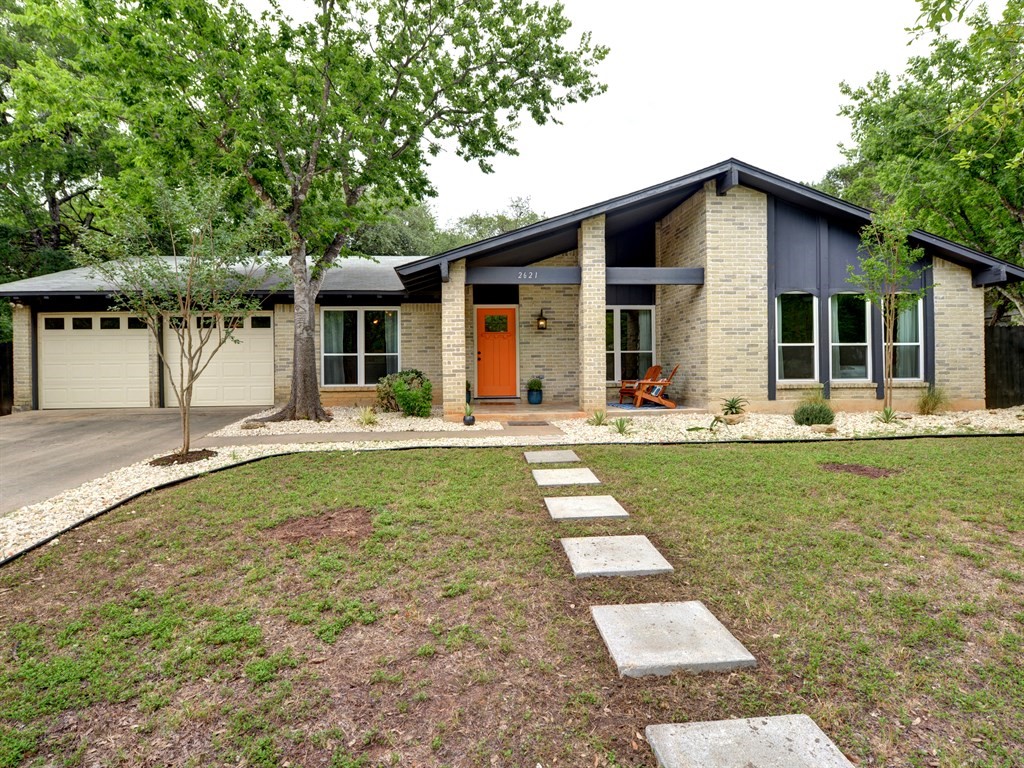
Barton Hills is one of Austin's most beloved neighborhoods: a lush, hilly enclave tucked between Zilker Park, the Barton Creek Greenbelt, and South Lamar. With over a third of its land dedicated to public parks and green space, Barton Hills offers a lifestyle that is unlike anything else in the city. Residents wake up to birdsong, hike the Greenbelt before breakfast, cool off in Barton Springs Pool, and still make it to downtown in ten minutes. It is Central Austin living at its most natural.
Barton Hills is one of Austin's higher-priced markets, with a median home price around $1.3 million and homes ranging from $599,000 to nearly $5 million. The average price per square foot reflects the neighborhood's desirability and limited inventory. Mid-century ranch homes from the 1950s through 1970s form the backbone of the housing stock, with a growing number of modern new builds replacing older structures on tear-down lots. There are no mandatory HOA fees, giving homeowners flexibility with their properties. Homes typically spend about 69 days on the market, and well-priced listings attract serious interest quickly.
Barton Hills is served by Austin ISD and zoned to some of the most sought-after schools in the district. Barton Hills Elementary is a neighborhood gem known for its strong community involvement and academic programs. O. Henry Middle School and Austin High School round out the feeder pattern, both earning high ratings and offering robust academic and extracurricular opportunities. The neighborhood's proximity to top-rated schools and central location make it a perennial favorite among homebuyers.
Barton Hills sits at the intersection of nature and urban convenience. South Lamar Boulevard, which forms the neighborhood's eastern border, has become one of Austin's most dynamic dining and entertainment corridors. Restaurants, food trucks, craft breweries, and live music venues line the street, offering everything from upscale dining to casual neighborhood spots. Barton Springs Road provides additional options as it runs toward Zilker Park and downtown. Despite its proximity to all of this, Barton Hills itself retains a quiet, residential character: a neighborhood where the loudest sounds are crickets and birdsong.
This is where Barton Hills truly shines. The Barton Creek Greenbelt offers over 12 miles of trails for hiking, mountain biking, and rock climbing, with swimming holes scattered along the way. Barton Springs Pool, a three-acre natural spring-fed pool that stays 68 to 70 degrees year-round, attracts visitors from across the city and has been an Austin institution for decades. Zilker Park is right next door, offering 350 acres of open space, botanical gardens, the Zilker Hillside Theater, and the Barton Springs segment of Lady Bird Lake's hike-and-bike trail. Gus Fruh Park, at the neighborhood's southern edge, provides direct Greenbelt access with rock formations and a popular swimming area.
Barton Hills' housing stock is a mix of character and modernity. Original mid-century ranch homes on generous lots offer charm, mature trees, and renovation potential. Newer construction features contemporary architecture with clean lines, open floor plans, and luxury finishes, often with views of the Greenbelt or Westlake skyline. There are no high-rise developments or large apartment complexes, preserving the neighborhood's low-density residential character. Homes range from smaller cottages to expansive custom builds. The absence of HOA restrictions gives homeowners creative freedom with their properties.
Barton Hills is located in the 78704 zip code, one of the most central and connected areas in Austin. Downtown is about 10 minutes by car, and MoPac Expressway provides quick north-south access. South Lamar and Barton Springs Road offer surface-street alternatives. The neighborhood's proximity to the Greenbelt and Zilker Park means many recreational activities are reachable by foot or bike. Austin-Bergstrom International Airport is approximately 20 minutes away. Capital Metro bus routes run along South Lamar, and the planned Project Connect transit improvements will further enhance connectivity.
Barton Hills is where Austin's natural beauty and urban energy meet. With unmatched access to the Greenbelt, Barton Springs Pool, and Zilker Park, combined with top-rated schools, a thriving dining corridor, and a location that is minutes from everything, it is one of the most complete neighborhoods in the city. Homes here hold their value because the lifestyle is irreplaceable. If you are looking for a neighborhood that embodies the best of Austin living, Barton Hills is it. Let me help you find your home here.
.jpeg)
Bastrop is one of the most charming communities in Central Texas, offering a rare blend of historic character, natural beauty, and small-town hospitality. Located about 30 miles southeast of Austin along the Colorado River, Bastrop has been recognized as the Most Historic Small Town in Texas by the National Trust for Historic Preservation. Surrounded by the striking Lost Pines Forest and anchored by a beautifully preserved downtown, Bastrop appeals to buyers seeking space, character, and a pace of life that feels a world away from the city, while still being close enough to enjoy everything Austin has to offer.
Bastrop's housing market is one of the most affordable within commuting distance of Austin, with a median home price around $355,000 to $360,000. The market has shifted to favor buyers, with increased inventory and homes spending more time on the market. Options range from historic homes in the downtown core to new construction in master-planned communities like Piney Creek Bend and Tahitian Village. Acreage properties and ranch-style estates are available for buyers seeking a more rural lifestyle. With price points well below Austin and strong long-term appreciation driven by proximity to Tesla's Giga Texas, Bastrop is drawing attention from both homeowners and investors.
Bastrop is served by the Bastrop Independent School District, which offers a growing range of academic and career-technical programs. The district has invested in STEM education, hands-on learning, and partnerships with local businesses to prepare students for college and careers. Charter and private school options are also available in the area. For higher education, Austin Community College's Elgin campus is nearby, and the University of Texas at Austin is within a 40-minute drive.
Bastrop's historic Main Street is the soul of the community: a walkable district lined with locally owned shops, art galleries, and restaurants housed in beautifully restored 19th-century buildings. The city has been recognized as a Texas Cultural Arts District, and its events calendar stays full with live music, art walks, the Bastrop Music Festival, and the Lost Pines Christmas celebration. Dining ranges from farm-to-table restaurants and craft cocktail bars to classic Texas barbecue and Mexican food. The community's creative energy and Southern hospitality make it a favorite weekend destination for Austinites.
Bastrop is surrounded by some of the most unique natural landscapes in Texas. The Lost Pines Forest is a 13-mile stretch of loblolly pines separated from the East Texas Piney Woods, creating a striking and rare ecosystem. Bastrop State Park and Buescher State Park offer camping, hiking, fishing, and swimming in a scenic setting. McKinney Roughs Nature Preserve provides miles of trails through diverse terrain along the Colorado River. Bob Bryant Park and Fisherman's Park sit along the river with fishing docks, nature trails, and boat ramps. Three championship golf courses round out the outdoor recreation options.
Bastrop's housing market offers remarkable variety. The historic downtown features restored homes from the early 1900s with character and craftsmanship. Master-planned communities provide modern single-family homes with community amenities. Rural acreage properties offer space, privacy, and views of the Lost Pines. New construction is available from multiple builders at price points that are significantly below Austin. Whether you want a historic cottage, a new-build single-family home, or a ranch property, Bastrop has options that are increasingly hard to find this close to a major metro.
Bastrop is located about 30 to 35 miles southeast of downtown Austin, with a typical commute of 35 to 45 minutes via SH 71. The drive to Austin-Bergstrom International Airport takes about 25 minutes. Tesla's Giga Texas facility is approximately 20 minutes away, and Samsung's expansion in Taylor has further increased employment opportunities in the eastern corridor. The SH 130 toll road provides an alternative route for reaching north Austin and Round Rock.
Bastrop is where Texas history, natural beauty, and genuine community come together. With affordable homes, a charming downtown, and access to outdoor recreation that rivals anywhere in the state, it offers a lifestyle that is uniquely its own. As Austin's eastern corridor continues to grow, Bastrop's combination of character and value becomes even more compelling. Let me help you discover what makes Bastrop special.
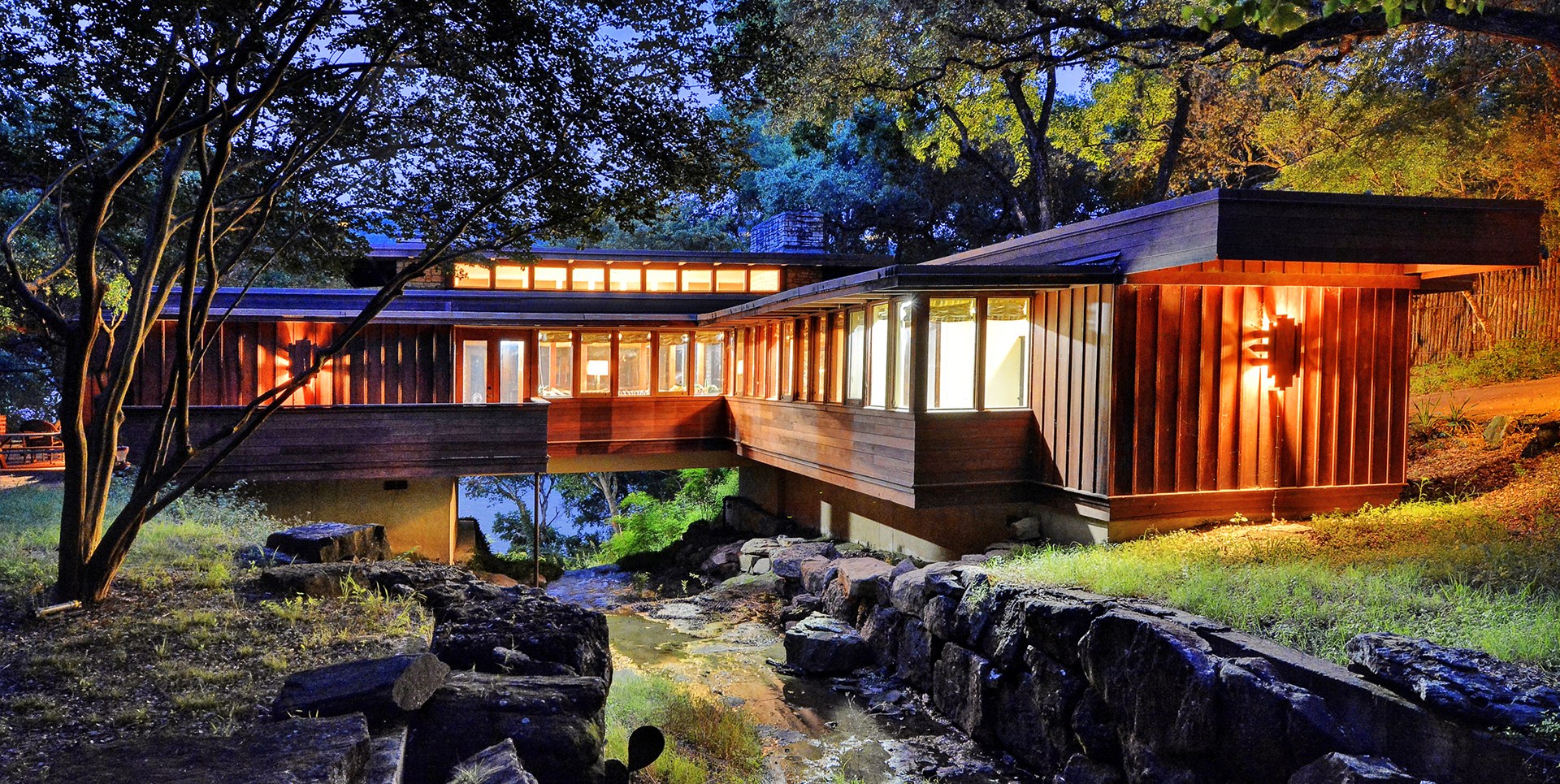
Tucked into the rolling hills of the Texas Hill Country, Bee Cave sits 20 minutes from downtown Austin and lives like a resort. It takes its name from the Mexican honeybee colonies that once occupied the banks of Barton Creek, and it has grown into one of the most desirable addresses in the Austin metro. The Hill Country Galleria anchors it, Lake Travis is ten minutes out, and Lake Travis ISD ranks among the strongest districts in the state.
Bee Cave sits at the upper end of the Austin metro. Across 78738, the median sale price runs near $875,000 across all property types, though that figure spans a wide market: Falconhead West and Lake Pointe sit at the more approachable end, while Spanish Oaks reaches custom-estate territory. Architectural styles lean Mediterranean, Hill Country Contemporary, and modern ranch, most with long views of the surrounding terrain.
Now the part that moves your monthly payment more than the list price does: many Bee Cave communities sit inside a Municipal Utility District. A MUD levies its own tax on top of the county and school rates to retire the bonds that funded water, sewer, and roads for that development. Two houses at the same price, one in a MUD and one not, do not cost the same to own. MUD rates differ by district and generally step down as those bonds get paid off, so the rate on a mature district is not the rate on a brand-new one. Ask for the current rate and the bond status on the specific address, then run the payment on the full tax rate rather than the headline price. This is the single most common thing buyers miss out here.
Bee Cave is served by Lake Travis Independent School District, consistently ranked among the top districts in Texas. LTISD holds an A rating in the state accountability system, and its campuses are known for rigorous academics, competitive athletics, and award-winning fine arts programs. Bee Cave Elementary and Lake Travis High School are the community anchors. Several well-regarded private schools are also nearby.
One caution: school district boundaries in this part of the county do not follow city limits. Verify the assigned campus for the specific address instead of assuming from the Bee Cave mailing address.
The Hill Country Galleria is the center of Bee Cave's social life: a 1.3-million-square-foot lifestyle center with more than 100 shops and restaurants, a Cinemark theater, and a central plaza that hosts live music on weekends. Cafe Blue does fresh seafood and oysters. Chisos Grill runs mesquite-grilled steaks and Southwest cooking. Baguette Et Chocolat handles French pastry, The Grove Wine Bar plates locally sourced seasonal dishes, and Mandola's Italian Market operates both a deli and full-service dining. The restaurant list keeps growing as the corridor fills in.
Bee Cave Central Park is the standout: 50 acres of native Texas landscape with walking trails, a dog park, shaded playgrounds, and picnic areas. The Bee Cave Sculpture Park rotates art installations around a spring-fed pond ringed by ancient oaks. The city trail system links neighborhoods to the parks and the Galleria with 1.5 miles of multi-use paths for biking, jogging, or an evening walk. Lake Travis is a short drive for boating, paddleboarding, fishing, and swimming.
Bee Cave is predominantly single-family homes on spacious lots, in both gated and non-gated communities. Spanish Oaks pairs estate lots with a private golf club. Falconhead is built around an 18-hole championship course. Lake Pointe and Falconhead West come in at more approachable price points while keeping the Hill Country character. Newer luxury townhomes have added a lower-maintenance option for buyers who do not want the yard. Mature trees, limestone, and long views give the housing stock a distinct sense of place.
Bee Cave sits at the intersection of Highway 71 and FM 620, about 18 miles west of downtown Austin. Off-peak, the drive runs 20 to 30 minutes. In rush hour, plan on 35 to 50. Many residents work locally or remotely, and the commercial base along the 71 corridor keeps expanding, which cuts down on downtown trips. Austin-Bergstrom International Airport is about 35 minutes out.
Bee Cave offers Hill Country terrain, strong schools, real dining and shopping, and a lake ten minutes from the front door. Weekend mornings start at the Galleria and afternoons end on the water. If you want that, and you want to know what a house here costs to own before you fall for it, let me pull the comps and the tax rates. Then we go look.
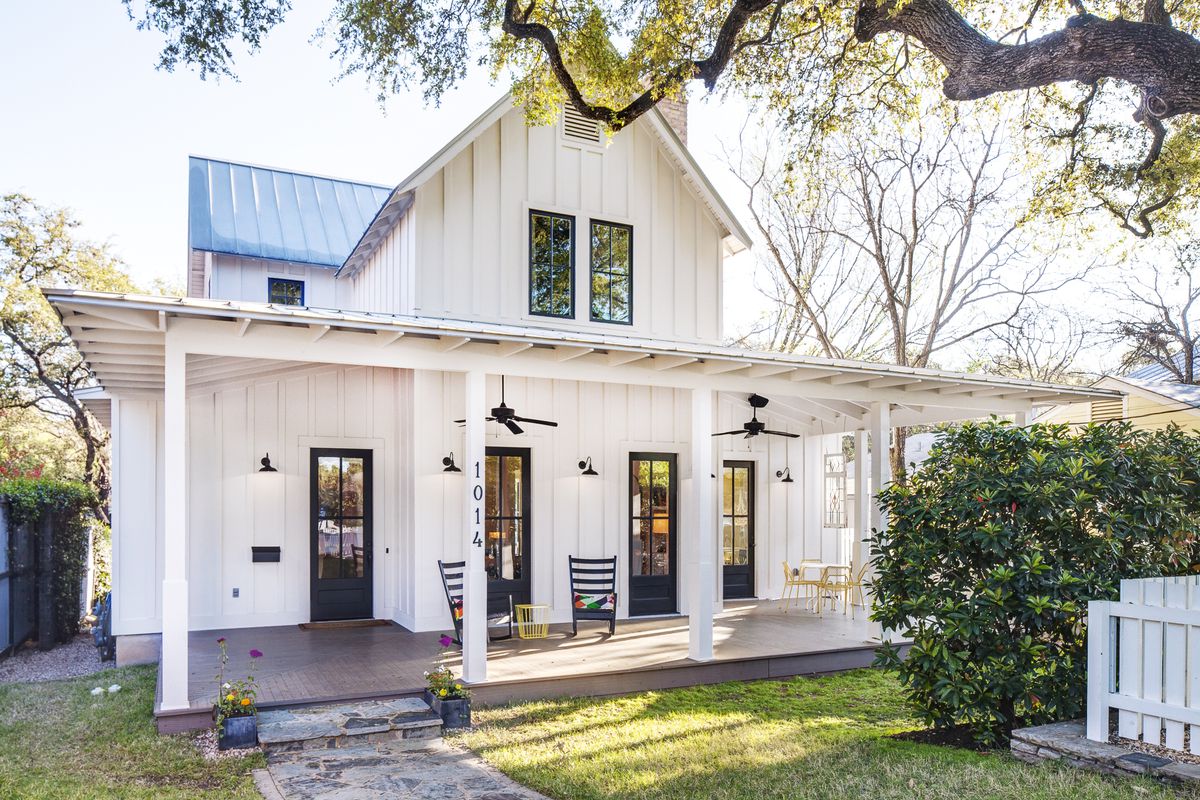
Bouldin Creek sits directly south of downtown, bounded by South Congress to the east and South First to the west. Lady Bird Lake, the music venues on South Congress, and a dense run of restaurants are all within walking distance. You can get coffee on foot, paddle at lunch, and catch a set after dinner without moving your car.
The 78704 median runs in the $800,000s. The number that matters more: 78704 is carrying about 7.0 months of supply. That is high for Austin, and it puts buyers in a stronger position here than they have held in years. Sellers are competing for attention. Ask for something.
There is a second thing to understand about what you are buying. Lots here are compact urban parcels, and on a 1920s bungalow the land often carries more value than the structure standing on it. That means you may be bidding against builders who price by what the lot will support, not by the condition of the house. If you want the bungalow intact, go in knowing that a tear-down offer does not need your inspection report to pencil out.
Bouldin Creek is zoned to Austin ISD. Becker Elementary sits inside the neighborhood on a smaller campus. From there students feed into Fulmore Middle School and Travis High School. Austin Montessori is nearby if you want a private option. Zoning is drawn by address and it does change, so confirm the boundary for your specific street before you write an offer.
South Congress is a short walk east: Jo's Coffee and its "I Love You So Much" mural, Perla's for Gulf seafood, Home Slice for pizza. South First runs its own list. Elizabeth Street Cafe for French-Vietnamese, Bouldin Creek Cafe for vegetarian, Terry Black's for brisket. The Continental Club and the Saxon Pub book live music nightly. The tradeoff is worth saying out loud: you can walk to all of it, and so can everyone visiting Austin. Weekends on South Congress belong to tourists.
The Ann and Roy Butler Hike-and-Bike Trail on Lady Bird Lake is minutes away on foot, which covers running, paddleboarding, and kayaking. The Bouldin Creek Greenbelt threads green space through the neighborhood itself. Gillis Neighborhood Park has a playground and sports courts. Zilker Park is a short bike ride, and with it Barton Springs Pool, the botanical gardens, and the Great Lawn. Festival season brings road closures and sound that carries: worth thinking about when you choose a street.
The housing stock is genuinely mixed. Preserved Craftsman bungalows with original hardwoods and deep front porches sit next to modern builds with rooftop decks and floor-to-ceiling glass. Duplexes and small multifamily buildings are part of the fabric. Infill has added density block by block, so two houses on the same street can be seventy years apart in age and nowhere near each other in price. Comps take real work here, and a price per square foot pulled from three streets over can be meaningless.
Walkability is the whole argument for Bouldin Creek. Groceries, coffee, dinner, and live music are reachable on foot or by bike. Downtown is under a mile north across the South Congress or South First bridges. The Butler Trail doubles as a car-free bike commute into downtown offices. South Lamar and MoPac handle longer trips, and Austin-Bergstrom is roughly fifteen minutes southeast. Parking is the part nobody mentions: plenty of these bungalows have no garage and very little driveway.
You are buying location and land a short walk from downtown, on a compact lot in one of the most connected residential pockets in Austin. At the moment you are also buying it in a market with unusual slack in it, which is not the normal state of affairs in 78704. If you want to see what is available and what a realistic offer looks like, ask me for current comps.

Buda is one of the fastest-growing communities in Central Texas and one of the best-kept secrets along the I-35 corridor. Located just 15 miles south of downtown Austin, Buda has transformed from a quiet railroad town into a vibrant community that offers small-town charm, strong schools, and genuine affordability. Known as the Outdoor Capital of Texas, Buda is a haven for trail lovers and buyers looking for more home for their money.
Buda's housing market delivers some of the strongest value in the Austin metro, with median home prices in the $390,000 to $460,000 range depending on the neighborhood and home type. The market has become increasingly buyer-friendly, with homes spending more time on the market and room for negotiation. Master-planned communities like Sunfield, Garlic Creek, and Whispering Hollow offer a range of options from starter homes in the mid-$300s to custom builds in the $700s. New construction is active with major builders offering modern floor plans and energy-efficient features. For investors, Buda's population growth rate and housing demand make it one of the strongest long-term plays in the region.
Buda is served by Hays Consolidated Independent School District, which operates 26 campuses across Hays County. The district has invested heavily in career and technical education, offering pathways in healthcare, technology, agriculture, and trades with hands-on learning and industry certifications. Carpenter Hill Elementary has earned recognition for consistently scoring above state averages, and Hays High School and Johnson High School provide strong academic and extracurricular programs. The district is proactively addressing growth with new school construction and rezoning to maintain small class sizes.
Buda's downtown has retained its historic Texas character while welcoming new restaurants and shops. The annual Buda Lions Country Fair and Wiener Dog Races is a beloved tradition that draws visitors from across the state. For dining, the city offers a growing mix of local eateries and well-known chains, with more on the way. The Roundabout in Buda, a $27 million mixed-use development, broke ground in late 2025 and will bring new restaurants, retail, trails, patios, and community gathering spaces by late 2026. The city's location along I-35 also puts Austin's entire dining scene just 20 minutes away.
Buda earns its Outdoor Capital title with an extensive parks and trail system. The city's network of hike-and-bike paths winds through scenic Hill Country terrain, connecting neighborhoods to green spaces and community parks. Stagecoach Park offers sports fields, playgrounds, and picnic areas, while Bradfield Park provides fishing access and nature trails. The nearby San Marcos River is a quick drive for tubing and kayaking, and the Blanco River offers additional outdoor recreation. For golfers, several courses are within a short drive.
Buda's housing stock spans a wide range. Established neighborhoods like Garlic Creek and Whispering Hollow offer mature landscaping and traditional single-family homes. Newer communities like Sunfield and The Colony at Cole Springs feature modern construction with open layouts and community amenities. The Ranch at Caliterra is expanding with a second phase of homesites priced from the $700s, offering larger lots and Hill Country character. Townhomes are emerging as well, adding options for buyers seeking lower maintenance.
Buda sits directly on I-35, about 15 to 20 miles south of downtown Austin. During off-peak hours, the drive takes about 20 to 25 minutes, though rush hour can extend that to 35 to 50 minutes. The city's position at the crossroads of I-35 and FM 1626 provides multiple route options. Austin-Bergstrom International Airport is roughly 25 minutes away. With over 100,000 vehicles passing through Buda daily, the city is investing in road improvements and infrastructure to keep pace with growth.
Buda offers the rare combination of small-town feel and big-city proximity. With strong schools, genuine affordability, an expanding commercial landscape, and some of the best outdoor recreation in the region, it appeals to first-time buyers, move-up buyers, and investors. The city's thoughtful approach to growth, balancing new development with community character, sets it apart from other fast-growing suburbs. Ready to explore Buda? Let me help you find your spot south of Austin.

Cedar Park is one of the most sought-after communities in Central Texas, a thriving suburb just 20 miles northwest of downtown Austin that delivers top-rated schools, strong home values, and a rapidly growing dining and entertainment scene. Whether you are searching for Cedar Park homes for sale or exploring the area for the first time, this guide covers everything you need to know about living in Cedar Park, TX.
The Cedar Park real estate market offers strong value compared to central Austin. Median home prices generally run from the $460,000s to the $530,000s, with starter homes in the mid-$300s and custom new-construction builds above $700,000. Prices move with the market, so ask me for current comps before you price a home or write an offer. Whether you want a move-in-ready home in a master-planned community or new construction from builders like Toll Brothers and Chesmar Homes, Cedar Park delivers variety and value.
Cedar Park is served by the Leander Independent School District (LISD), one of the highest-rated districts in Central Texas. LISD serves over 46,000 students and has been nationally recognized for its AP programs and STEM curriculum. Cedar Park High School anchors the community with strong academics and athletics, and elementary schools like Cactus Ranch Elementary consistently rank among the top in the state with A ratings from Niche. School quality is one of the top reasons buyers choose Cedar Park, and it shows in the home values near top-rated campuses. Campus assignments vary by address, so confirm the zoning for any specific home before you fall for it.
Cedar Park's dining and entertainment scene has blossomed in recent years. The Good Lot beer garden is a neighborhood favorite for casual evenings with live music, while Spare Birdie on Discovery Boulevard offers an upscale American dining experience. For entertainment, The Fieldhouse at the Crossover features live music and sports, and Lucky Rabbit Live Music Bar brings Austin's music culture to the suburbs. The upcoming CedarView Entertainment District, a 117-acre mixed-use development, will bring even more dining, retail, and nightlife options to the area. Cedar Park also hosts frequent community events, farmers markets, and seasonal festivals that give the city its tight-knit feel.
Outdoor enthusiasts love Cedar Park's extensive parks system spanning over 1,000 acres. Brushy Creek Lake Park is the crown jewel: a 38-acre park featuring a fishing pier, hiking and biking trails, playgrounds, and picnic shelters. The Brushy Creek Regional Trail offers 6.5 miles of paved paths perfect for morning jogs or weekend bike rides. Cedar Bark Dog Park gives four-legged residents their own space to play, and Veterans Memorial Park provides sports fields and open green space for the whole community.
Cedar Park's housing stock is predominantly single-family homes set within well-designed master-planned communities. Popular neighborhoods include Buttercup Creek, Twin Creeks, Anderson Mill West, and the newer Crestline development by Toll Brothers. You will find a mix of established neighborhoods with mature landscaping alongside brand-new construction featuring modern open-concept floor plans. Townhomes and carriage-style homes are an emerging option for buyers seeking lower maintenance. With the CedarView and Indigo Ridge developments adding mixed-use residential and commercial space, Cedar Park's housing landscape continues to diversify to meet growing demand.
Cedar Park sits roughly 20 miles northwest of downtown Austin. During off-peak hours, the drive takes about 25 to 35 minutes via US-183 or the 183A toll road. Rush hour can extend that to 40 to 60 minutes, though many residents find that Cedar Park's growing employment base, anchored by tech companies and the expanding CedarView commercial corridor, means fewer commutes downtown. A $1.5 billion mixed-use development called Indigo Ridge is further establishing Cedar Park as a self-sustaining economic hub with jobs, retail, and entertainment close to home.
Cedar Park is urbanizing without losing its heart. The combination of award-winning schools, an expanding dining and entertainment scene, and strong home values make it one of the most compelling communities in Central Texas. With a population approaching 80,000 and steady year-over-year growth, Cedar Park is not just a suburb of Austin. It is becoming a destination in its own right. Whether you are investing in real estate, looking for top-rated schools, or seeking a balance of suburban comfort and urban convenience, Cedar Park checks every box.
What do homes cost in Cedar Park, TX?
Median home prices generally run from the $460,000s to the $530,000s, with starter homes in the mid-$300s and new luxury construction above $1 million in communities like Crestline by Toll Brothers. Ask me for current comps on any street you are considering.
What school district serves Cedar Park?
Cedar Park is served by the Leander Independent School District (LISD), one of the top-rated districts in Central Texas with nationally recognized AP and STEM programs.
How far is Cedar Park from downtown Austin?
Cedar Park is approximately 20 miles northwest of downtown Austin. The drive takes 25 to 35 minutes during off-peak hours via US-183 or the 183A toll road.
Is Cedar Park a good place to buy a home?
It offers strong value compared to central Austin, with a growing job market, top-rated schools, and a median home price well below the City of Austin average. Whether it is right for you depends on your commute, your budget, and what you want your daily life to look like.
What are the best neighborhoods in Cedar Park?
Popular Cedar Park neighborhoods include Buttercup Creek, Twin Creeks, Anderson Mill West, Ranch at Brushy Creek, and the newer Crestline luxury community. Each offers a different price point and lifestyle, from established communities with mature landscaping to brand-new construction.
Ready to explore Cedar Park homes for sale? I would love to show you around and help you find the perfect home. Contact Chloe Chiang to get started.
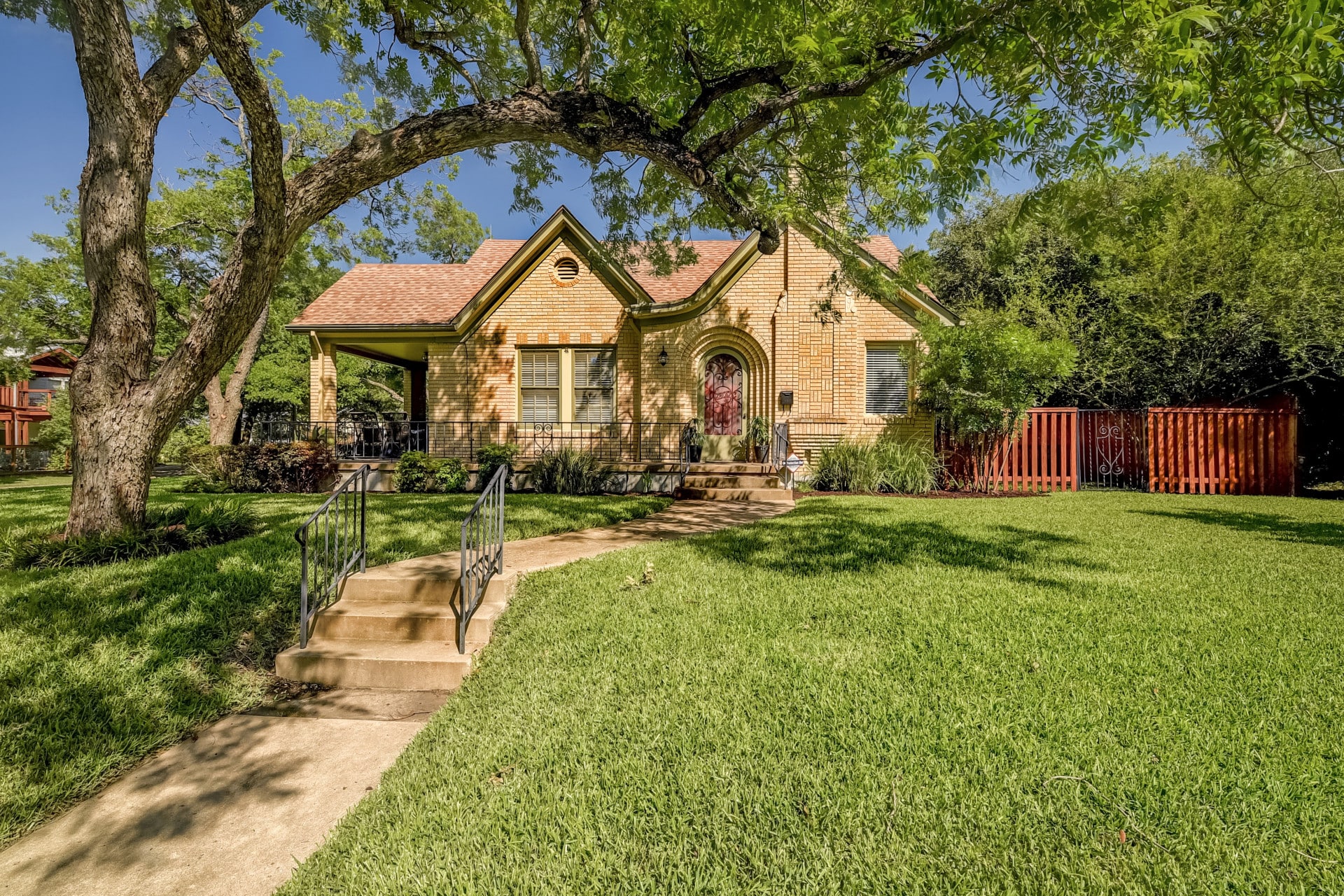
Cherrywood is one of East Austin's most charming and character-rich neighborhoods: a walkable enclave of tree-lined streets, eclectic bungalows, and a strong sense of community. Located just east of the University of Texas campus between Manor Road and Airport Boulevard, Cherrywood offers a laid-back feel with serious convenience, putting residents minutes from downtown, the Mueller development, and some of Austin's best neighborhood restaurants and coffee shops.
Cherrywood's housing market features an appealing mix of affordability and character for its close-in East Austin location. Median home prices hover around $667,000, with options ranging from smaller vintage cottages in the mid-$400s to fully renovated or new-construction homes approaching $1 million. The neighborhood's housing stock is a patchwork of 1930s to 1960s bungalows, ranch homes, and Craftsman cottages, many with original hardwood floors, cozy front porches, and mature trees. The adjacent French Place micro-neighborhood adds additional charm with its slightly larger lots and well-maintained mid-century homes. Investors and homeowners both appreciate Cherrywood's strong location fundamentals and steady demand.
Cherrywood is served by Austin ISD, with students attending Maplewood Elementary, a beloved neighborhood school known for its engaged parent community and hands-on learning approach. Middle schoolers typically feed into Kealing Middle School, which offers a prestigious magnet program, and then on to McCallum High School or the McCallum Fine Arts Academy, one of Austin's top-rated arts-focused programs. The neighborhood's proximity to the University of Texas also means access to UT's cultural and educational resources, from museums and libraries to lecture series and sporting events.
Cherrywood punches well above its weight when it comes to food and culture. Manor Road, the neighborhood's culinary spine, is home to standout spots like Dai Due, a butcher shop and restaurant celebrating Texas-sourced ingredients, and Salty Sow for gastropub fare. Thunderbird Coffee is a neighborhood institution where locals work and socialize, and the Cherrywood Coffeehouse at the historic Cherrywood Green serves as a community living room. Nearby, you'll find a growing roster of bakeries, taco joints, and cocktail bars. The neighborhood hosts regular community events, including the beloved annual Cherrywood Art Fair that showcases local artists and makers.
Patterson Park is Cherrywood's green heart, offering playgrounds, picnic areas, a dog-friendly open space, and sports courts in a shaded, welcoming setting. The neighborhood's flat terrain and connected sidewalks make walking and biking the preferred way to get around, and the Mueller Lake Park and greenways are just a short ride east. Residents also have easy access to the Boggy Creek Greenbelt trail system, which offers a natural escape along the creek corridor. For bigger outdoor adventures, Lady Bird Lake and the Butler Trail are just a few miles south, easily reached by bike or a quick drive.
Cherrywood's housing options reflect its creative spirit. You'll find classic Austin bungalows with screened porches and detached garages, updated ranch-style homes with open floor plans, and contemporary new builds that add modern design to the neighborhood's eclectic streetscape. Duplexes and small multifamily properties are woven throughout, adding housing diversity. The French Place section features some of the neighborhood's most coveted homes: slightly larger properties on mature, tree-shaded lots. Whether you're a first-time buyer looking for an entry point in Central Austin or a move-up buyer seeking character and convenience, Cherrywood has options worth exploring.
Cherrywood's central-east location makes getting around Austin remarkably easy. Downtown is about 10 minutes by car or a pleasant 15-minute bike ride. The Mueller development's shopping and dining are within walking or biking distance, and Manor Road provides a straight shot into East Austin's expanding commercial corridor. CapMetro bus routes serve the neighborhood along Airport Boulevard and Manor Road, and cycling infrastructure continues to improve throughout East Austin. IH-35 is close by for longer drives, and Austin-Bergstrom International Airport is about 15 to 20 minutes south.
Cherrywood offers something that's increasingly rare in Austin: authentic neighborhood character in a centrally located, walkable setting at a price point that still feels attainable. It's the kind of place where you know your neighbors, walk to your favorite coffee shop, and feel connected to the creative energy that makes Austin special. With strong schools, an incredible local food scene, and easy access to everything Central Austin has to offer, Cherrywood is a neighborhood that rewards buyers who value community and convenience. Let me show you what's available.
-min.jpeg)
Circle C Ranch is one of Southwest Austin's most beloved master-planned communities: resort-style amenities, top-rated schools, and 500 acres of parkland come together in a setting that feels like a permanent vacation. Established in the late 1980s and home to over 5,600 residences, Circle C sits along MoPac Expressway about 16 miles south of downtown, offering a polished suburban lifestyle with surprisingly quick access to the heart of the city. If you're looking for a neighborhood that checks every box, Circle C belongs at the top of your list.
Circle C's real estate market offers a solid range of options within one of Austin's most amenity-rich communities. The median home price sits around $785,000, with listings typically ranging from the mid-$500s for updated starter homes to $1.2 million and above for larger custom-built properties on choice lots. Homes are primarily classic Texas brick construction, many featuring updated interiors with open floor plans, chef's kitchens, and generous outdoor living spaces. Sub-sections like Circle C West and Avana offer newer construction with contemporary designs. The community has shown strong long-term value appreciation, and homes tend to hold their worth well compared to newer developments farther from the city.
Education is a cornerstone of life in Circle C. The community is primarily served by Austin ISD, with students attending top-rated campuses including Clayton Elementary, Kiker Elementary, Gorzycki Middle School, and Bowie High School. All of them consistently earn high marks for academics, extracurriculars, and parent satisfaction. Kiker Elementary is a particular standout, earning an A rating from Niche with strong teacher-to-student ratios. Portions of the community also fall within Hays CISD. The combination of excellent public school options and proximity to well-regarded private schools makes Circle C one of the strongest neighborhoods in Austin for buyers prioritizing education.
Circle C keeps residents well-fed and entertained with a growing selection of neighborhood dining and convenient retail. Local favorites include the Waterloo Ice House for casual Texas fare, District Kitchen for seasonal American dishes, and a variety of coffee shops and quick-service restaurants within the community. The nearby Escarpment Village shopping center provides everyday essentials, while a short drive up MoPac opens up the full range of Austin's dining, entertainment, and shopping options. H-E-B and Costco are both conveniently located nearby for weekly grocery runs.
This is where Circle C truly shines. The community boasts 500 acres of dedicated parkland, including the Circle C Ranch Metropolitan Park with two playgrounds, multiple sports courts, over five miles of hike-and-bike trails, and a professional-grade disc golf course. The Veloway, a 3.1-mile paved loop exclusively for cycling and inline skating, is a signature Austin amenity right in the neighborhood. Residents also enjoy the Grey Rock Golf Club, an 18-hole course lined with beautiful live oaks, and the Circle C Swim Center featuring an Olympic-sized heated pool that's open year-round. The Lady Bird Johnson Wildflower Center, a nearly 300-acre botanical garden, sits adjacent to the community and is a treasured destination for nature lovers.
Circle C offers housing variety that's rare for a master-planned community. Buyers can find everything from well-maintained starter homes and townhouses to expansive custom-built estates on larger lots. Many properties feature classic Texas Hill Country design elements: native limestone accents, covered patios, and mature landscaping. The neighborhood's newer sections add contemporary floor plans with energy-efficient features. With a highly active HOA that maintains common areas, organizes community events like Fourth of July fireworks and holiday celebrations, and publishes a neighborhood newsletter, Circle C fosters a genuine sense of community that goes beyond just well-kept homes.
Circle C's location along MoPac Expressway provides a relatively straightforward commute into downtown Austin, typically 20 to 25 minutes in normal traffic. Slaughter Lane and Escarpment Boulevard connect to the broader Southwest Austin road network, and the growing employment centers along the MoPac South corridor have shortened commutes for many residents. Austin-Bergstrom International Airport is about 20 to 25 minutes east. While the community is car-oriented, the extensive internal trail system means many neighborhood errands, school trips, and recreational outings can be handled by bike or on foot.
Circle C Ranch delivers a lifestyle that's hard to find anywhere else in Austin: top-rated schools, an Olympic pool, championship golf, 500 acres of parks, and an engaged community that feels like a neighborhood rather than a subdivision. It's the kind of place where roots grow deep, neighbors become friends, and the amenities make every weekend feel like a getaway. Whether you're moving to Austin for the first time or upgrading to a community that offers it all, Circle C is a neighborhood you need to see in person. Let's set up a tour.
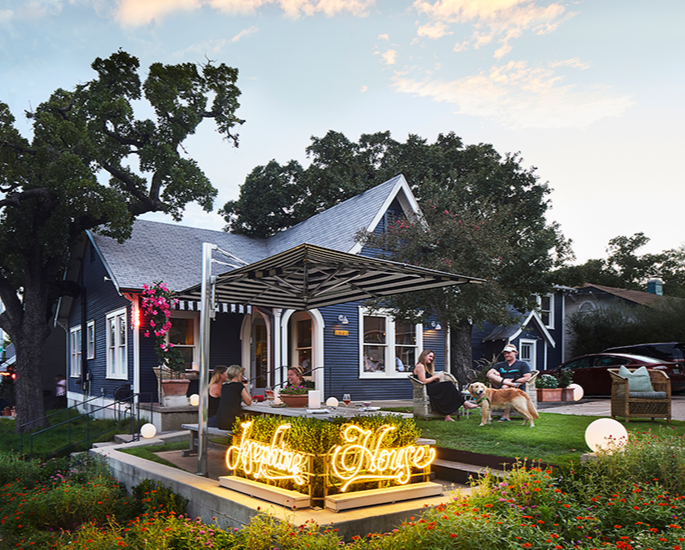
Clarksville is one of Austin's most distinctive and historically significant neighborhoods: a walkable urban enclave just west of downtown where tree-shaded streets, upscale dining, and rich cultural heritage converge in one of the most desirable zip codes in the city. Listed on the National Register of Historic Places, Clarksville offers a rare blend of deep-rooted Austin character and central urban living. With a Walk Score above 90, proximity to Lady Bird Lake, and some of the city's finest restaurants on your doorstep, Clarksville is Austin at its most refined.
Clarksville commands high prices that reflect its exceptional location and limited inventory. The average home price sits around $1.65 million, with properties ranging from $700,000 for smaller historic homes to over $4 million for luxury new construction. The median sale price over the past 12 months has been approximately $1.03 million, though the range varies widely based on size, condition, and lot position. Homes sell at a measured pace, averaging around 69 days on market, as buyers carefully evaluate this high-value market. The neighborhood's proximity to downtown, Zilker Park, and Lady Bird Lake ensures that Clarksville remains one of Austin's most consistently sought-after addresses.
Clarksville is served by Austin ISD, with students attending Mathews Elementary, O. Henry Middle School, and Austin High School. Austin High is one of the most established and well-known high schools in Central Austin, offering a comprehensive range of academic programs, athletics, and fine arts. The neighborhood's central location also provides easy access to several of Austin's top private schools, including St. Andrew's Episcopal School, Austin Waldorf School, and various Montessori options. For buyers weighing both public and private educational pathways, Clarksville's location puts an exceptional array of choices within a short drive.
Clarksville's culinary scene is among the finest in Austin. Jeffrey's has been a neighborhood institution for decades, offering refined American cuisine in an intimate setting. Clark's Oyster Bar serves upscale-casual seafood with a patio that's become one of Austin's favorite gathering spots. Cipollina dishes out handmade pastas and wood-fired pizzas, while Josephine House offers a charming spot for brunch, lunch, and evening cocktails. The neighborhood's proximity to West 6th Street adds even more dining and nightlife options. Shopping is equally curated, with boutiques and specialty shops along West Lynn and the surrounding streets offering a distinctly local retail experience.
Despite its urban setting, Clarksville offers excellent access to green space and outdoor recreation. West Austin Park features a dog park, playground, and swimming pool, a beloved neighborhood amenity during Austin's long summers. The Mary Baylor Clarksville Pocket Park provides a splash pad, shaded play areas, and picnic spots. Just a short walk south, residents reach Lady Bird Lake and the Ann and Roy Butler Hike-and-Bike Trail for running, cycling, and paddleboarding. Zilker Park and Barton Springs Pool are also within easy reach, making Clarksville a neighborhood where outdoor living is a daily pleasure, not a weekend expedition.
Clarksville's architectural landscape is a fascinating mix of preserved historic homes and carefully designed modern infill. You'll find Late Victorian cottages, American Craftsman bungalows, and 1940s-era homes alongside striking contemporary residences that have been thoughtfully integrated into the streetscape. Lots are compact urban parcels, typically 0.1 to 0.2 acres, with historic homes ranging from 1,000 to 2,000 square feet and new construction reaching 2,000 to 4,000 square feet and above. Townhome developments and boutique condo projects have also added housing options in recent years. For buyers seeking a walkable urban lifestyle with genuine architectural character, Clarksville delivers like few Austin neighborhoods can.
Walkability is one of Clarksville's defining features. With a Walk Score above 90, dining, coffee, groceries, and entertainment are all within a pleasant walk or short bike ride. Downtown Austin is immediately adjacent, reachable in minutes on foot via the West 6th Street corridor. Lady Bird Lake trails provide car-free connections to South Austin and East Austin. For car trips, MoPac Expressway borders the neighborhood to the west, and North Lamar Boulevard provides quick access heading north. Austin-Bergstrom International Airport is about 20 minutes southeast. This is one of the few Austin neighborhoods where you can comfortably go days without starting your car.
Clarksville offers an Austin lifestyle that's impossible to replicate: historic character, world-class dining, walkable urban living, and proximity to Lady Bird Lake and downtown, all wrapped in a neighborhood with genuine soul. It's a place where beautifully preserved historic homes sit beside modern architectural statements, where neighbors walk to dinner at some of the city's best restaurants, and where the combination of location and character creates enduring value. If you're looking for one of Austin's most walkable neighborhoods, Clarksville is it. Reach out to explore what's currently available.
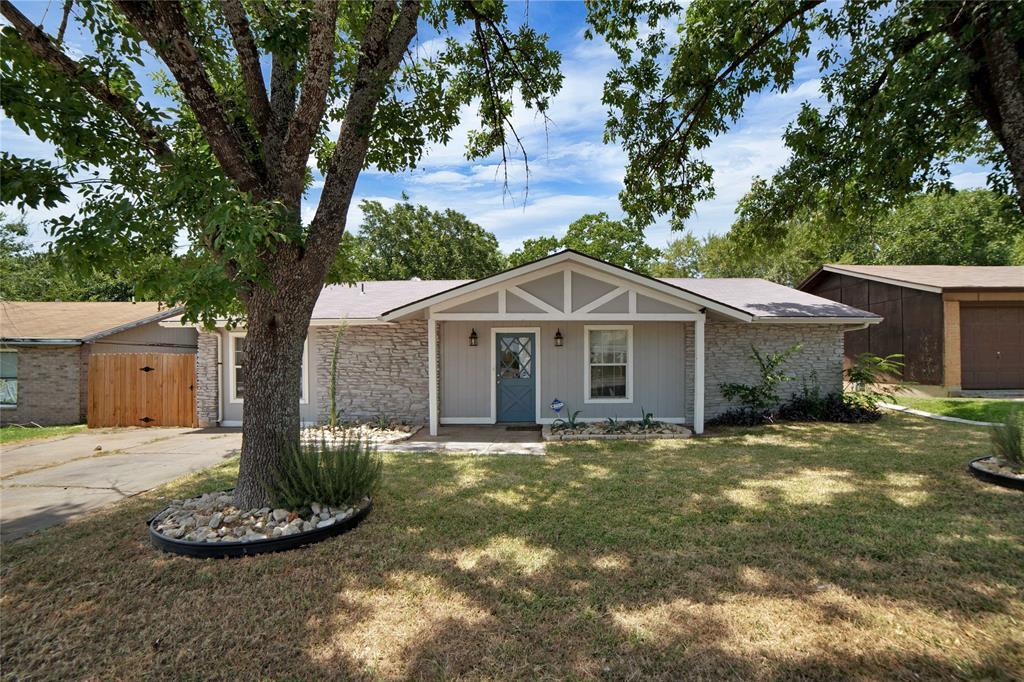
Colony Park is one of Northeast Austin's most exciting neighborhoods, anchored by a transformative 208-acre master-planned development that's bringing new homes, healthcare, retail, and green space to a well-established part of Northeast Austin. Located off Loyola Lane east of US 183, Colony Park combines the affordability and space of Northeast Austin with a wave of new investment that's reshaping the area's landscape. For buyers looking to get in on the ground floor of one of Austin's most significant development projects, Colony Park offers an opportunity that's hard to find elsewhere in the city.
Colony Park's existing housing stock offers some of the most accessible price points in the Austin metro area, with established homes in the surrounding area typically ranging from the low $200s to the mid-$400s. The major headline is the Colony Park Sustainable Community: a City of Austin partnership with Catellus Development Corporation that will deliver over 1,000 single-family homes and more than 800 multifamily apartments over the coming years. Twenty percent of the new housing will be designated as workforce affordable, reserved for buyers and renters earning below area median income thresholds. This blend of market-rate and affordable housing is designed to create a mixed-income community as new investment and amenities arrive.
Colony Park is served by Austin ISD and Manor ISD, depending on the specific location within the area. Students have access to neighborhood elementary and middle schools with ongoing investment and improvement programs. The Colony Park Sustainable Community development is expected to drive additional educational investment in the area as new housing comes online. Several early childhood education centers and community learning programs also serve the neighborhood, and the area's proximity to Austin Community College campuses provides accessible higher education and workforce training opportunities.
The Colony Park area currently offers a mix of local restaurants and everyday retail along the US 183 and Loyola Lane corridors. A cornerstone of the new development will be the Loyola Town Center, which will bring a grocery store, retail shops, restaurants, and community gathering spaces to the heart of the neighborhood. Central Health's Colony Park Health and Wellness Center will provide new healthcare access for Northeast Austin residents, a significant addition to the area's amenities. The development's mixed-use design is focused on creating a walkable, village-style center where residents can meet daily needs close to home.
Colony Park District Park is a 90-acre city park that serves as the neighborhood's recreational anchor, featuring sports fields, playgrounds, a swimming pool, and open green space. The upcoming Colony Park Aquatic Center will add even more recreation options. The new development will contribute an additional 42 acres of parks and open spaces, designed with trails and gathering areas that connect to the existing park system. The community planning emphasizes walkable, bikeable design that promotes healthy outdoor living, a core principle of the sustainable development vision. Walter E. Long Metropolitan Park and Lake is also nearby, offering fishing, picnicking, and scenic trails along one of Austin's largest lakes.
Colony Park is evolving to offer a wide spectrum of housing choices. The existing neighborhood features established single-family homes on spacious lots, many with mature trees and room to grow. The new development will add contemporary single-family homes, townhomes, and multifamily apartments in a range of sizes and price points. The 20 percent workforce housing commitment ensures that Colony Park will remain accessible to a broad range of buyers and renters as the community grows. For buyers seeking value and long-term appreciation potential, Colony Park's combination of affordable entry points and massive public investment creates a compelling case.
Colony Park's location along US 183 provides direct access to downtown Austin, Austin-Bergstrom International Airport, and major employment centers throughout the metro area. The new development is planned with connectivity in mind, including future links to Capital Metro's MetroRapid Expo bus line and the proposed Green Line commuter rail, which would provide a direct transit connection to downtown. Loyola Lane and Johnny Morris Road connect to the broader Northeast Austin road network. The development's internal street grid is designed around walkability and bike connectivity, reducing the need for car trips within the community.
Colony Park represents one of the most significant community investments in Austin's history: a $300 million-plus development that's bringing new homes, healthcare, jobs, parks, and transit to Northeast Austin. With over 1,200 permanent jobs expected, a new health and wellness center, 42 acres of parks, and thousands of new homes, the transformation underway is real and it's happening now. For buyers who want to be in place before the new housing, retail, and transit come online, Colony Park is one of the smartest opportunities in Austin today. Let's talk about what's available.
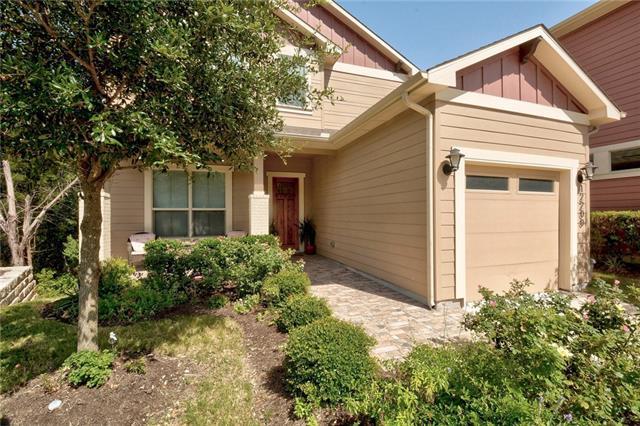
Copperfield is a well-established North Austin community that delivers genuine value: affordable homes, solid schools, nature trails, and convenient access to the city's major employers and amenities. Located about 12 miles north of downtown along the IH-35 corridor near Parmer Lane, Copperfield has been a dependable choice for first-time buyers and investors since the early 1980s. If you're looking for an approachable entry point into the Austin market with room to grow, Copperfield is a neighborhood worth knowing.
Copperfield offers some of North Austin's most competitive pricing. The median home price sits around $335,000, making it one of the most accessible neighborhoods within the city limits. Homes range from condos in the $250,000 to $325,000 range to single-family homes reaching up to $500,000, with larger properties occasionally pushing higher. The neighborhood was built starting in 1982 and features a mix of Victorian-inspired designs and traditional suburban layouts, many with mature oak trees, covered patios, and fenced backyards. Updated properties with modern kitchens and finishes are available alongside original-condition homes that present opportunities for buyers looking to add sweat equity.
Copperfield straddles two school districts. Pflugerville ISD serves the northern portion while Austin ISD serves the southern section. Copperfield Elementary School anchors the neighborhood's educational community, and students typically progress to Westview Middle School and John B. Connally High School, which offers notable career and technology programs including culinary arts, robotics, and video technology. Brentwood Christian School, a highly rated private option, is also nearby. The dual-district coverage means school assignment depends on which part of the neighborhood a home sits in, and the area's central north location puts additional public and private options within a reasonable drive.
Copperfield residents benefit from the growing dining and retail options along the Parmer Lane and North Lamar corridors. Tech Ridge Center provides everyday shopping with H-E-B, Walmart, and a variety of restaurants. For more adventurous dining, the nearby Chinatown Center is a local gem featuring MT Supermarket, authentic Vietnamese pho at Pho Phong Luu, and a range of Asian cuisines that draw food lovers from across Austin. The neighborhood also has quick access to the Domain, Austin's premier mixed-use destination for upscale shopping, dining, and entertainment. It's just a short drive west along Parmer Lane.
Nature is one of Copperfield's underrated assets. The Copperfield Nature Trail partially encircles the neighborhood along Walnut Creek, offering an unpaved path through shaded woods where hikers can spot small waterfalls when the creek is running. Copperfield Park adds playgrounds, picnic tables, and open green space. The Walnut Creek Greenbelt is accessible nearby, providing miles of trails popular with runners, mountain bikers, and dog walkers. For a larger outing, the Walnut Creek Metropolitan Park offers a swimming pool, sports fields, and additional trail connections. The neighborhood's tree-lined streets and established landscaping give it a settled, green feel that's increasingly rare in fast-growing North Austin.
Copperfield's housing stock provides genuine variety at attainable prices. Single-family homes range from compact three-bedroom layouts to larger four-bedroom properties with two-car garages. Condos and townhomes offer an even more accessible entry point, popular with first-time buyers and investors. Many homes feature mature landscaping, covered patios, and the kind of established neighborhood feel that newer developments simply can't replicate. The neighborhood's 1982 origins mean that most properties sit on developed, well-draining lots with grown-in trees: a significant quality-of-life advantage over brand-new subdivisions with bare lots and saplings.
Copperfield's location along IH-35 and Parmer Lane puts major Austin employers within easy reach. Tech giants like Dell, Apple, Amazon, and Samsung all have campuses in the North Austin and Round Rock corridor, making Copperfield a practical choice for tech industry professionals. Downtown Austin is about 20 minutes south on IH-35. CapMetro bus service connects to the broader transit network, and the neighborhood's proximity to major arterials means errands and commutes stay manageable. Austin-Bergstrom International Airport is approximately 25 to 30 minutes south. The US 183 corridor is also nearby, providing an alternative north-south route when IH-35 traffic is heavy.
Copperfield is the kind of neighborhood that doesn't make flashy headlines. It just delivers what most buyers need. Affordable homes, reliable schools, nature trails out your back door, and a 20-minute commute to some of the biggest employers in Texas. It's a smart, practical choice for buyers who want to own in Austin without stretching their budget, and the established community character sets it apart from cookie-cutter new construction farther out. If you're house-hunting in North Austin, make sure Copperfield is on your tour list. Reach out and I'll show you what's available.

Crestview and Brentwood sit side by side between Burnet Road and Lamar Boulevard just north of 45th Street, split by Justin Lane. Same tree-lined streets, same late-1940s and 1950s ranch stock, same ten-minute shot to downtown. People talk about them as one neighborhood because functionally they are.
The 78756 median runs around $768,000, and the practical range is the high $600,000s into the $800,000s and above. Here's the fact that shapes every deal on these streets: most of the original houses are two-bedroom, one-bath ranches sitting on lots of roughly 9,000 square feet. Small house, big lot. Which means very few buyers here are pricing the house as it stands. They're pricing the addition, the backyard studio, or the scrape. If you want a finished three-bedroom, plan on bidding against a renovator with a spreadsheet and a builder with a plan set, and expect the gap between untouched and fully redone to look like two different markets inside one zip code. Ask me for current comps before you decide what a specific block is worth.
Both neighborhoods are Austin ISD. Brentwood Elementary is the walkable option and well regarded, feeding Lamar Middle School and then McCallum High School. McCallum's Fine Arts Academy pulls students from across the district by application, so being zoned to McCallum and getting into the Academy are two different things. Confirm the attendance zone on the exact address before you write an offer.
Burnet Road and Anderson Lane are why people move here. Lucy's Fried Chicken, Upper Crust Bakery for the cinnamon rolls, Fonda San Miguel for interior Mexican, Hat Creek Burger Co. for burgers and shakes. Little Deli in the Crestview Shopping Center turns out some of the best pizza in Austin from a storefront. The Little Longhorn Saloon runs Chicken S*** Bingo on Sunday afternoons, which is about as Austin as it gets. One of only two Central Market locations in the city is minutes away, with prepared foods and weekly cooking classes. Add Lala's Little Nugget, the year-round Christmas bar, and you have a stretch with more personality per block than most cities manage citywide.
Brentwood Park is the center of gravity: pool, basketball courts, playground, open green space. The North Austin Optimist fields host youth baseball, and Shoal Creek Trail links into the wider Austin trail network. Flat terrain and connected sidewalks make walking and biking genuinely practical. The lots handle the rest, with room for a garden, a play set, a long table, or nothing but the shade of mature pecan and live oak.
The original ranch homes set the tone: hip roofs, small covered entry porches, attached carports. Layered on top is a decade of infill, including updated mid-century houses with modern kitchens and opened-up living space, contemporary new builds on single lots, and the occasional duplex or ADU. Lots of roughly 9,000 square feet, larger than the Central Austin norm, are what make all of it possible. Expansions, backyard studios, and accessory dwelling units fit on this much ground.
The Crestview MetroRail station sits on the eastern edge and runs Capital MetroRail service straight into downtown, which makes this one of very few Central Austin neighborhoods with real commuter rail. Burnet Road and Lamar Boulevard carry the commercial corridors and most daily trips. Downtown is 10 to 15 minutes by car, MoPac is a short drive west, and most of Austin sits inside a 15 to 20 minute drive.
Mid-century houses on big lots, one of Austin's best dining corridors at the end of the street, a rail stop on the edge, and Brentwood Park in the middle. The catch is the original floor plans are small, so the real question is whether you buy finished or build into the lot. I can walk you through both versions of that math. Let's go see what's available.
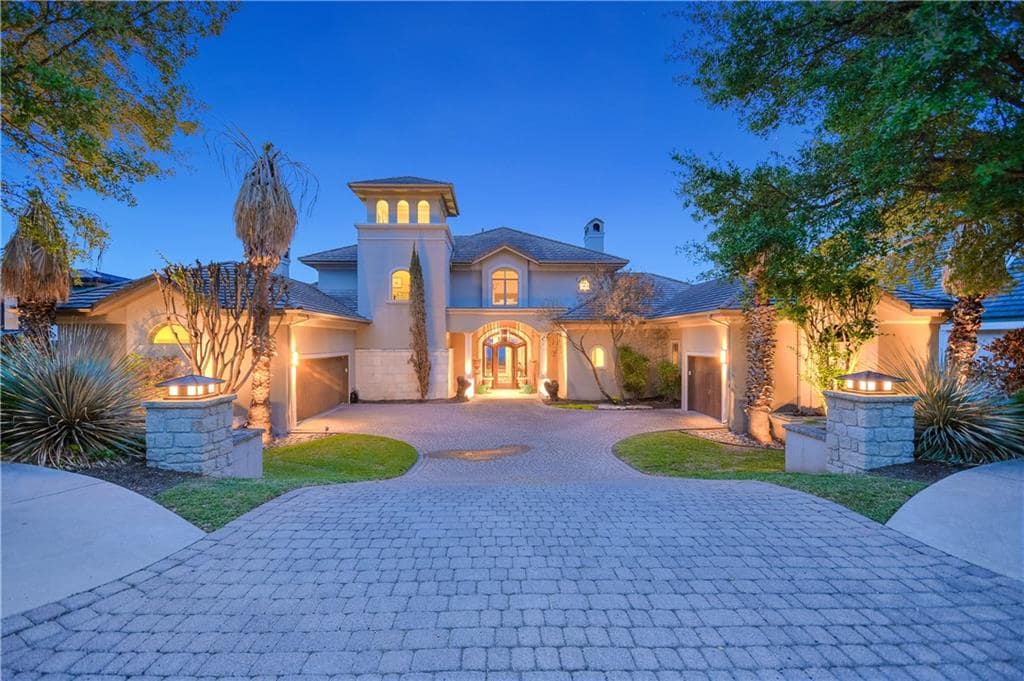
Tucked into the rolling hills of west Austin, Davenport Ranch is one of the city's most sought-after addresses. A few hundred homes sit across wooded terrain off Loop 360, close enough to downtown for a weeknight dinner and far enough in to read as Hill Country. Generous lots, Eanes ISD, and mature tree cover are what bring people here.
Davenport Ranch is a mix of custom estates and updated homes on spacious lots, many over half an acre. Styles run from classic Hill Country limestone to contemporary builds with walls of glass framing canyon views. Single-story estates and multi-level houses with pools overlooking the greenbelt both trade here.
This sits at the top of the Austin market and prices move, so I am not going to post a median that will be wrong by the time you read it. Ask me for current comps and I will pull what has closed on your target streets.
One thing to understand before you tour: the neighborhood dates to the 1980s, and the housing stock splits into homes that have been taken down to the studs and homes that have not. The asking-price gap between those two groups can be wider or narrower than what the work would cost you. Get a contractor's number on the remodel candidate before you decide the finished house is overpriced.
Davenport Ranch is zoned to Eanes Independent School District. Students typically attend Bridge Point Elementary, Hill Country Middle School, and Westlake High School, all consistently ranked among the top public schools in Texas. The district is known for rigorous academics and deep extracurricular programs.
Confirm the zoning on the specific address rather than the neighborhood name. Eanes boundaries do not follow subdivision lines or the 78746 zip code, and parts of that zip feed Austin ISD. School zone is one of the larger line items in what a west Austin house is worth, and listing copy gets it wrong often enough to matter.
Davenport Village sits minutes away with local restaurants, boutique shops, and everyday services. The Hill Country Galleria in Bee Cave adds more dining, entertainment, and retail. The Bee Cave corridor holds the bigger-name kitchens, and downtown Austin is close enough that the full range is available on a weeknight.
Wild Basin Wilderness Preserve sits nearby: 2.5 miles of trails through a 227-acre preserve, good for a morning hike or a long weekend walk. The neighborhood itself is surrounded by mature trees and natural green space, which gives it a retreat-like feel despite being minutes from urban conveniences. Many homes back to protected greenbelt, and Austin Country Club is close by for golf.
Homes are predominantly single-family on generous lots, with styles ranging from traditional Texas Hill Country stone to sleek contemporary. Most fall between 3,000 and 6,000 square feet, with gourmet kitchens, resort-style pools, outdoor living areas, and multi-car garages common. The rolling topography means many properties have elevated views and real separation from the house next door. That same topography costs more to build on: sloped lots need excavation, retaining walls, and engineered foundations, so factor site work in if you are buying with plans to add on.
Davenport Ranch sits off Capital of Texas Highway, Loop 360, with downtown Austin about 20 minutes out. MoPac is close, which opens up the rest of the metro, and Austin-Bergstrom International Airport runs roughly 30 minutes.
Worth knowing before you commit to a street: Loop 360 is a signalized highway with no frontage roads. When it backs up, there is no parallel route to duck onto. Test the drive at your real commute hour, not on a Saturday.
Davenport Ranch gives you a wooded half-acre, Eanes ISD schools, and downtown Austin in 20 minutes. That combination is not common, and the inventory is small enough that the right house does not sit long. Tell me what you need and I will show you what is available, along with what has recently closed nearby.

Nestled in the heart of south Austin's beloved 78704 zip code, Dawson is a charming neighborhood that perfectly captures the creative, laid-back spirit that makes this part of town so special. Situated between South Congress Avenue and South First Street, Dawson puts you within walking distance of some of Austin's most iconic restaurants, shops, and live music venues while still offering tree-lined streets and a genuine neighborhood feel.
Dawson's real estate market is a vibrant mix of original 1940s and 1950s bungalows, lovingly renovated cottages, and striking modern infill construction. Home prices typically range from around $500,000 for smaller original homes to over $975,000 for newer builds and fully renovated properties. The neighborhood's proximity to South Congress and downtown Austin keeps demand consistently strong. Lots tend to be modest in size but offer incredible location value, and it's common to see thoughtfully designed modern homes sitting alongside classic Austin bungalows: a contrast that gives Dawson its unique visual character.
Dawson falls within the Austin Independent School District. Dawson Elementary is the neighborhood's namesake school and a community anchor, while students typically progress through local AISD middle and high schools. The neighborhood's central location also provides easy access to several well-regarded private and charter school options throughout south Austin. Dawson Elementary sits right in the heart of the neighborhood, within walking distance of most homes.
This is where Dawson truly shines. Living here means you're a short walk or bike ride from South Congress Avenue's legendary lineup of restaurants, food trucks, boutiques, and live music spots. Cosmic Coffee + Beer Garden, with its expansive outdoor space and eclectic atmosphere, is a neighborhood favorite. South First Street adds even more options, from craft cocktail bars to beloved breakfast spots. The nearby SoCo district is a destination for visitors from around the world, but for Dawson residents, it's just a casual stroll from home. Whether you're craving tacos, craft beer, or a farm-to-table dinner, it's all at your doorstep.
Dawson residents enjoy easy access to Gillis Neighborhood Park, a green space perfect for morning jogs, playing fetch with the dog, or simply relaxing under the shade trees. The neighborhood's flat terrain and quiet streets make it ideal for walking and biking, and you're just a short ride from the Ann and Roy Butler Hike-and-Bike Trail along Lady Bird Lake. Barton Springs Pool and Zilker Park are both easily accessible, giving residents some of Austin's most treasured outdoor amenities right in their backyard.
Dawson offers an eclectic range of housing, from cozy two-bedroom bungalows with original hardwood floors to brand-new three- and four-bedroom modern homes with clean lines and open floor plans. Many of the original homes have been tastefully updated while preserving their mid-century charm. New construction in the neighborhood tends to maximize square footage on smaller lots, often featuring rooftop decks, covered patios, and high-end finishes. Whether you prefer character-filled vintage or sleek contemporary, Dawson has options to match your style and budget.
One of Dawson's greatest assets is its connectivity. The neighborhood sits between South Congress and South First, both major corridors that flow directly into downtown Austin in just minutes. Bus routes run along both avenues, and the area's flat streets make cycling a practical everyday option. Many residents take advantage of the walkability to reach neighborhood restaurants, coffee shops, and parks without ever getting in the car. Austin-Bergstrom International Airport is about 15 minutes away via Highway 71.
Dawson gives you the best of south Austin living: walkable access to SoCo's world-class dining and culture, tree-lined streets with genuine neighborhood charm, and a central location that keeps you connected to everything Austin has to offer. It's a neighborhood where you can grab morning coffee on foot, bike to Lady Bird Lake, and be home in time for dinner at one of a dozen amazing restaurants within walking distance. If south Austin speaks to you, I'd love to help you find your place in Dawson.
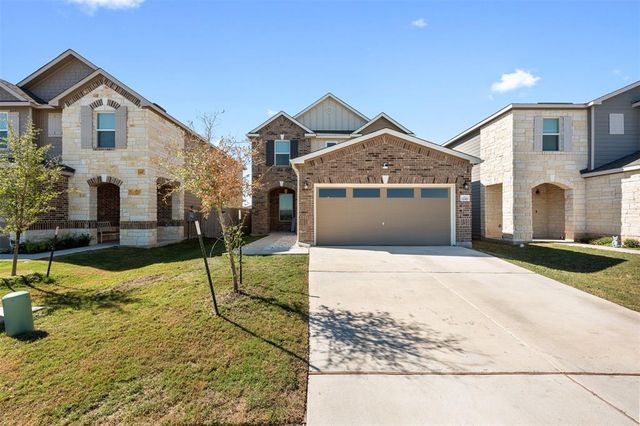
Located in southeast Austin, Del Valle is one of the region's most dynamic and rapidly growing areas. Median home prices generally run in the low $300,000s, offering genuine affordability that's increasingly hard to find this close to central Austin. The arrival of major employers and ongoing infrastructure improvements have positioned Del Valle as a smart choice for buyers who want value today with strong growth potential for tomorrow.
Del Valle's real estate landscape has transformed significantly in recent years, with new master-planned communities and subdivisions bringing modern homes to the area at price points well below the Austin metro average. Median prices in the low $300,000s make Del Valle one of the most accessible entry points into Austin-area homeownership. Prices move with the market, so ask me for current comps before you write an offer. You'll find a range of options from recently built single-family homes in planned developments to acreage properties that offer more rural character. Many newer communities feature energy-efficient construction, open floor plans, and community amenities like pools, playgrounds, and walking trails.
Del Valle is served by the Del Valle Independent School District, which has been investing heavily in new facilities and academic programs as the area grows. The district operates several elementary, middle, and high school campuses throughout the community. Del Valle ISD has been expanding career and technical education programs, dual-language offerings, and extracurricular activities to serve its growing student body. Campus assignments vary by address, so confirm the zoning for any specific home before you commit to it.
Del Valle's dining scene is one of the area's real strengths, with beloved local taquerias, barbecue spots, and independent restaurants serving some of the best casual food in the Austin area. The neighborhood's proximity to Austin-Bergstrom International Airport means a growing number of dining and entertainment options along the Highway 71 corridor. Residents also enjoy easy access to the Circuit of the Americas (COTA), which hosts Formula 1 races, concerts, MotoGP events, and other world-class entertainment throughout the year. The nearby Tesla Gigafactory and Samsung semiconductor facility have added economic vitality to the area.
Del Valle offers a more open, spacious feel than many closer-in Austin neighborhoods. The area features several community parks with sports fields, playgrounds, and picnic areas. The Colorado River runs through the eastern portion of the area, providing opportunities for fishing and kayaking. For those who enjoy motorsports and live events, COTA's campus is a major draw. McKinney Falls State Park, with its stunning waterfalls and hiking trails, sits just to the west, providing easy access to one of Austin's best state parks.
The housing stock in Del Valle ranges from brand-new construction in master-planned communities to established homes on larger lots with a more rural feel. New developments typically offer three- to five-bedroom homes with modern finishes, two-car garages, and community amenities. For buyers seeking more space, there are still opportunities to find properties with an acre or more, something that's become rare at this price point closer to central Austin. Whether you're a first-time buyer looking for a well-built starter home or you simply need more room than central Austin can offer at this price, Del Valle has options that fit.
Del Valle is connected to central Austin via Highway 71 and SH 130, both of which provide straightforward access to downtown and the broader metro area. SH 130 is a toll road that offers a fast, uncongested route connecting southeast Austin to Round Rock and the northern suburbs. Austin-Bergstrom International Airport is just minutes away, which is a significant convenience for frequent travelers. As the area continues to grow, additional road improvements and transit options are being planned to keep pace with development.
Del Valle offers something increasingly rare in the Austin market: genuine affordability combined with proximity to major employment centers, the airport, and world-class entertainment at COTA. With continued investment in infrastructure, schools, and new housing, Del Valle is positioned for real growth. If you're looking for value and growth potential in the Austin area, I'd love to help you explore what Del Valle has to offer.
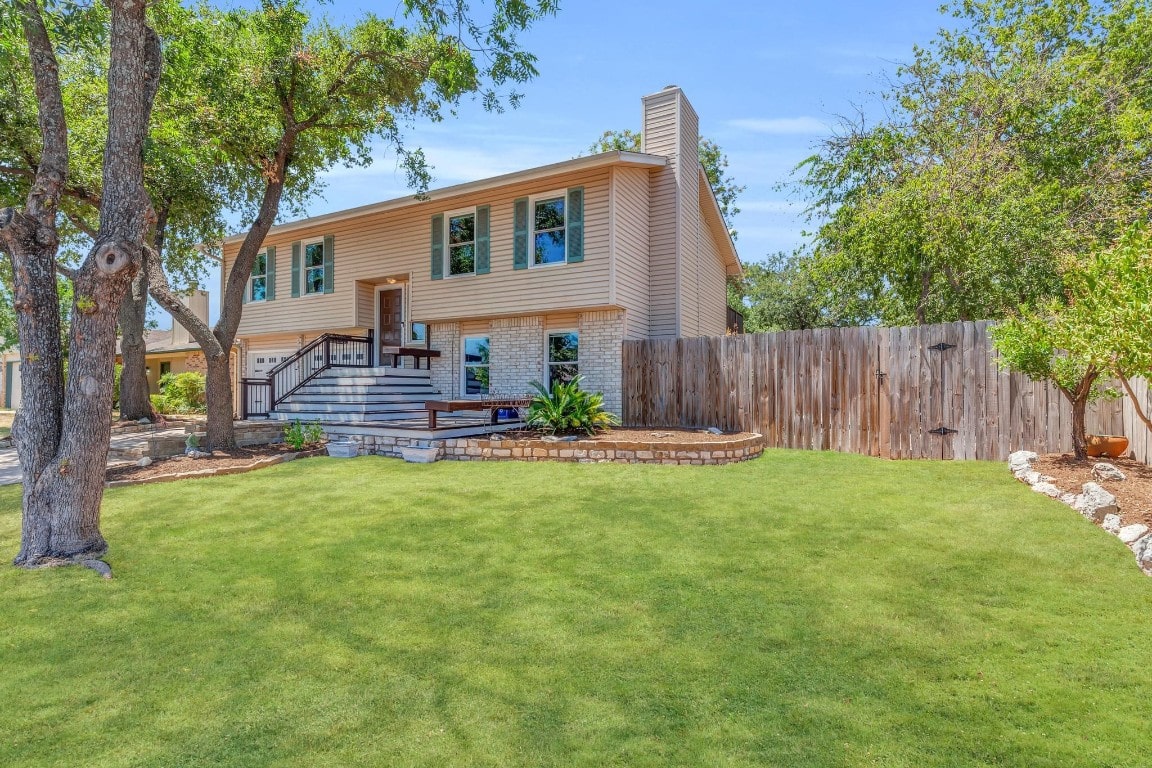
The Domain is Austin's premier mixed-use district: a vibrant, walkable neighborhood where luxury living meets world-class shopping, dining, and entertainment. Located in North Austin along the MoPac corridor, The Domain has earned the nickname Austin's Second Downtown for its urban energy and round-the-clock activity. Whether you are grabbing dinner on Rock Rose Avenue, catching an Austin FC match at Q2 Stadium, or walking to work at one of the major tech campuses nearby, The Domain offers a lifestyle that puts everything at your doorstep.
The Domain's real estate market is primarily composed of luxury apartments, modern condos, and a growing selection of townhomes. Rental rates range from approximately $1,700 per month for a one-bedroom to over $2,100 for a two-bedroom, reflecting the area's desirability and walkable amenities. For buyers, newer townhome developments like Cerca at The Domain offer ownership opportunities with low HOA fees and attractive incentive packages. The district draws consistent rental demand from its proximity to major employers like Apple, Meta, Amazon, and Oracle, which also makes it a target for investors.
The Domain is home to over 100 shops and more than 50 restaurants, making it the largest mixed-use development in Austin. Anchored by Nordstrom, Neiman Marcus, and Restoration Hardware, the shopping experience ranges from high-end fashion to everyday favorites. Rock Rose Avenue is the heart of the entertainment district, lined with restaurants, bars, and live music venues that buzz well into the night. The Domain NORTHSIDE expansion has added even more retail, dining, and public space, creating a seamlessly walkable urban environment.
Dining at The Domain spans every cuisine and occasion. North Italia serves handmade pasta and wood-fired pizza, Uchi brings world-renowned Japanese cuisine, and Flower Child offers health-conscious bowls and salads. For a night out, 77 Degrees Rooftop Bar provides stunning skyline views, while Punch Bowl Social combines craft cocktails with bowling, karaoke, and arcade games. Rock Rose hosts seasonal events, live music, and pop-up markets that keep the atmosphere fresh. Austin FC's Q2 Stadium is directly adjacent, adding game-day energy and concerts to the neighborhood's event calendar.
While The Domain is known for its urban energy, outdoor spaces are woven throughout the district. Landscaped plazas, pocket parks, and tree-lined walkways provide respite from the bustle. The nearby Walnut Creek Metropolitan Park offers over 290 acres of mountain biking trails, hiking paths, and swimming holes for residents who want a more natural escape. The Shoal Creek Trail and other cycling routes provide connections to greater Austin's extensive trail network.
The Domain's housing is distinctly urban. High-rise luxury apartments dominate the landscape, most of them offering resort-style amenities: rooftop pools, fitness centers, co-working spaces, and concierge services. Mid-rise complexes offer a more accessible price point while still delivering walkable convenience. The emergence of townhome communities like Cerca provides a path to homeownership within the district. For buyers and renters who prioritize walkability, nightlife, and proximity to tech employment, The Domain is hard to beat.
The Domain sits at the intersection of MoPac Expressway and Braker Lane, with easy access to US 183 and Loop 360. Downtown Austin is about 15 to 20 minutes south. Capital Metro's bus system serves the area, and the planned Project Connect light rail extension will further connect The Domain to downtown and the airport. The walkable design of the district means most daily needs are accessible on foot: dining, shopping, fitness, and entertainment, reducing the need for a car altogether.
The Domain delivers a lifestyle that few neighborhoods in Austin can match. With world-class dining and shopping steps from your door, proximity to major tech employers, a packed entertainment calendar, and a walkable urban design, it is built for people who want to live at the center of the action. Whether you are looking for a walkable one-bedroom, a townhome with low HOA fees, or an investment property in one of Austin's strongest rental markets, The Domain is where the city comes alive. Let me help you find your place here.
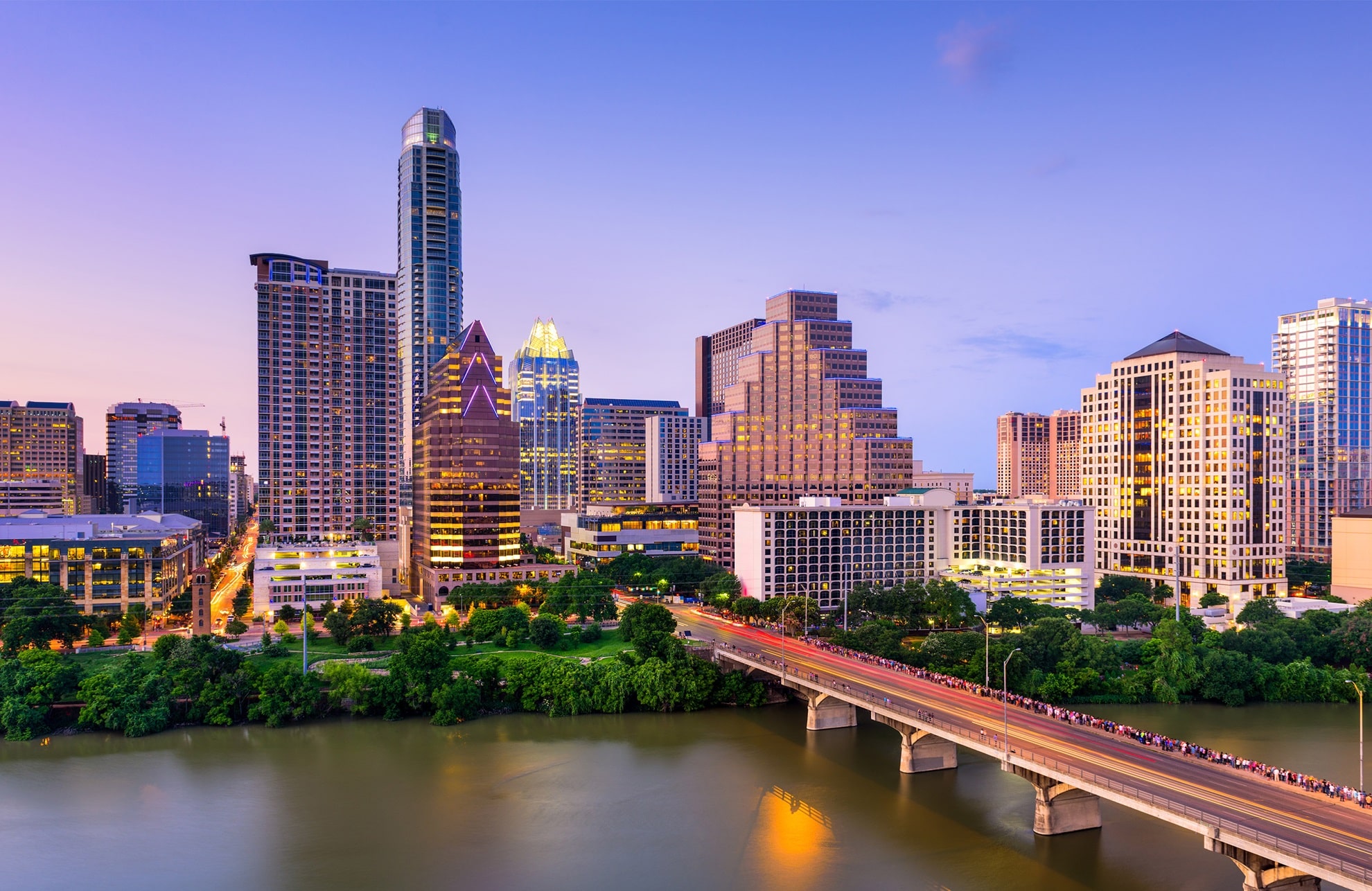
Downtown Austin is the heartbeat of the city and the epicenter of nightlife, cultural events, and festivals. History and innovation sit side by side here, creating a magnetic energy. From the Texas State Capitol and the University of Texas to tech-driven skyscrapers, downtown's eclectic skyline has become one of the most iconic in the world. This is where Austin's live music legacy, culinary creativity, and entrepreneurial spirit all converge.
Downtown Austin's residential market is defined by high-rise luxury condos, stylish lofts, and modern townhomes. Median prices currently range from $585,000 to $755,000, with the average price per square foot around $803. The market has shifted toward buyers with increased inventory and longer days on market, creating opportunities that were rare just a few years ago. From sleek studios to expansive penthouses with skyline views, downtown offers urban living at its finest.
Downtown Austin is the Live Music Capital of the World, and it lives up to the name every single night. Sixth Street is the iconic entertainment corridor with live music pouring out of every door. Rainey Street has evolved into one of Austin's most popular districts: a collection of converted bungalows turned into bars and restaurants like Banger's Sausage House, Lustre Pearl, and The Stay Put. Beyond the nightlife, downtown hosts world-class events including South by Southwest, Austin City Limits, and the Trail of Lights. The energy here is unlike anywhere else in Texas.
Downtown Austin's restaurant scene is extraordinary. From acclaimed fine dining to legendary food trucks, every cuisine and price point is represented within walking distance. The Second Street District, Congress Avenue, and the Warehouse District each offer distinct dining experiences. Cultural landmarks like the Blanton Museum of Art, the Paramount Theatre, and the Contemporary Austin ensure there is always something to see and do beyond the plate.
Residents savor outdoor activities right in the urban core. Lady Bird Lake flows through downtown, offering a serene backdrop for paddleboarding, kayaking, and jogging along the iconic hike-and-bike trail. The Congress Avenue Bridge is home to the world's largest urban bat colony. Watching 1.5 million Mexican free-tailed bats take flight at dusk is a quintessential Austin experience. Republic Square, Wooldridge Square, and Waterloo Park provide green space for picnics, markets, and community gatherings.
Downtown living means high-rise condos and loft-style residences in architecturally striking towers. Buildings range from modern glass high-rises with resort-style amenities to converted warehouse lofts with industrial character. Many developments include concierge services, rooftop pools, fitness centers, and direct access to downtown's walkable streets. Townhomes are available in select developments for buyers seeking a bit more space while staying in the urban core.
Downtown Austin is one of the most walkable areas in the city. Most amenities are accessible on foot: restaurants, grocery stores, entertainment, and offices. MetroRapid bus lines serve the corridor, and the MetroRail Red Line connects downtown to north Austin. Bike lanes and scooter-share programs make car-free living genuinely practical. For residents who work downtown, the daily commute might just be an elevator ride and a short walk.
Downtown Austin is for people who want to be in the middle of everything. The restaurants, the music, the lake, the culture: it is all right outside your door. With the market offering more value than it has in years, now is an excellent time to explore downtown living. Whether you want a lock-and-leave condo or a penthouse with panoramic views, I can help you find the perfect fit in the heart of Austin.
Dripping Springs is the gateway to the Texas Hill Country and one of the most rapidly growing communities west of Austin. Known for its stunning natural beauty, thriving distillery and winery scene, and its designation as the Wedding Capital of Texas, Dripping Springs offers a lifestyle that blends rural Hill Country charm with modern convenience. If you have been dreaming of wide-open spaces, starlit skies, and a slower pace of life, all within 30 minutes of downtown Austin, Dripping Springs is your answer.
The Dripping Springs housing market offers wide variety, with median home prices ranging from approximately $640,000 to $850,000 depending on lot size and location. The price per square foot averages around $344. You will find everything from Hill Country estates on multi-acre lots to new construction homes in master-planned communities, with price points ranging from the mid-$400s to nearly $5 million for ranch properties. Lot sizes typically range from a quarter acre to 60 acres, giving buyers the space and privacy that define Hill Country living.
Dripping Springs Independent School District is one of the most respected in Central Texas, consistently ranking among the top 25 districts in the state. The district earned a B rating with an 89 out of 100 from the Texas Education Agency, with three campuses, Cypress Springs Elementary, Rooster Springs Elementary, and Sycamore Springs Middle School, earning A ratings. The district boasts a 97.9 percent four-year graduation rate and serves over 8,500 students. A sixth elementary school, Wildwood Springs Elementary, opened in August 2025 to support the community's rapid growth.
Dripping Springs has earned its reputation as a destination for craft beverages. The area is home to a remarkable collection of wineries, distilleries, and breweries nestled among the rolling hills. Many offer tasting rooms, live music, and stunning Hill Country views. The town is also known as the Wedding Capital of Texas, with dozens of event venues taking advantage of the breathtaking landscape. Local restaurants celebrate farm-to-table cooking, and the dining scene continues to grow as more creative chefs discover the area.
Dripping Springs is surrounded by some of the most stunning natural attractions in Central Texas. Hamilton Pool Preserve features an iconic 50-foot waterfall cascading into a jade-green swimming grotto: a bucket-list destination for visitors and residents alike. The town is also a designated International Dark Sky Community, making it one of the best places in the region for stargazing. Hiking, horseback riding, swimming in natural springs, and exploring the Hill Country landscape are all part of daily life here.
Dripping Springs offers a housing market unlike anything else in the Austin metro. Hill Country estates on sprawling acreage are the signature property type, featuring custom homes with panoramic views, private wells, and room to roam. New construction communities provide more turnkey options with modern designs and resort-style amenities. Ranch properties are available for buyers seeking a true rural lifestyle, and smaller-lot homes offer entry points for those who want to be part of the Dripping Springs community at a more accessible price.
Dripping Springs is located about 25 miles west of downtown Austin, with a typical commute of 25 to 35 minutes via Highway 290. Rush hour can add time, especially along the 290 corridor, but many residents consider the trade-off well worth it for the Hill Country lifestyle. As the community continues to grow, local shopping, dining, and healthcare options are reducing the need for frequent trips to Austin.
Dripping Springs is for people who want land, beauty, and breathing room without being far from the action. The combination of Hill Country scenery, excellent schools, a thriving food and beverage scene, and access to Austin makes it one of the most compelling places to live in Central Texas. Whether you are looking for a ranch, a modern estate, or your first Hill Country home, I would love to show you what Dripping Springs has to offer.

East Austin is the creative soul of the city: a neighborhood where art, music, food, and entrepreneurship collide in the most exciting way. East Austin has become one of the most sought-after addresses in the city, drawing buyers with its walkable streets, thriving restaurant scene, and unmistakable creative energy. If you want to live where Austin's culture is being made, not just consumed, East Austin is the place.
East Austin's housing market has changed substantially over the past decade. Median home prices currently range from $500,000 to $650,000, with the market having corrected from peak levels and now offering more accessible entry points. The area maintains a premium over the broader Austin metro thanks to its central location and cultural cachet. From historic bungalows with character to sleek new modern builds, East Austin's real estate market is as varied as the neighborhood's architecture.
East Austin is served by the Austin Independent School District, with multiple elementary, middle, and high school options depending on your exact location. The school landscape is evolving as AISD continues to invest in facilities and programs throughout the east side. The neighborhood also sits within a few minutes of the University of Texas campus, with its libraries, museums, and public lecture programs.
East Austin has arguably the most exciting food scene in the city. Nationally recognized restaurants like Birdie's, Nixta Taqueria, and Suerte have put the neighborhood on the culinary map. Parish Barbecue brings chef-driven Texas BBQ to the east side, while Licha's Cantina serves Mexican-inspired cuisine with a creative twist. Buenos Aires Cafe delivers incredible empanadas, and Wright Bros. Brew and Brew pairs craft beer with vinyl records. From Michelin-recognized dining to beloved food trucks, East Austin is where Austin's most innovative chefs choose to open, and for good reason.
East Austin's cultural landscape is defined by its creativity. Colorful murals cover building walls throughout the neighborhood, turning everyday walks into gallery experiences. Local art galleries, studios, and maker spaces provide a creative backbone. Live music venues and intimate performance spaces keep Austin's musical heritage alive and thriving on the east side. The annual East Austin Studio Tour opens hundreds of artist studios to the public, revealing the depth of creative talent that calls this neighborhood home.
East Austin enjoys excellent access to Lady Bird Lake for kayaking, paddleboarding, and running the hike-and-bike trail. The Congress Avenue Bridge, home to the famous bat colony, is an easy walk or bike ride from most of the neighborhood. Local parks provide green space throughout the area, and the vibrant patio culture means outdoor dining and socializing are a year-round lifestyle. East Austin's compact, walkable scale means you are never far from a park, a trail, or a great patio.
East Austin's housing stock spans a wide range of eras and styles. Historic bungalows with deep porches and mature trees sit alongside bold, modern new construction with clean lines and rooftop decks. Condos and loft-style residences offer options for buyers seeking lower maintenance. Mixed-use developments are adding new inventory in key corridors. The result is a neighborhood where architectural variety is the norm and every street has its own character.
East Austin is one of the most centrally located neighborhoods in the city, sitting just five to 15 minutes from downtown depending on your exact location. Walkability is a defining feature. Many residents handle daily errands, dining, and entertainment entirely on foot or by bike. CapMetro transit and MetroRapid bus service connect the area to the broader Austin network. Owning a car is convenient but not essential for day-to-day life in East Austin.
East Austin is where Austin's creative energy is most concentrated. The food, the art, the music, the community: it all comes together in a neighborhood that rewards curiosity and creativity. With the market offering better value than it has in years, now is an exciting time to explore East Austin. Let me help you find your place in this one-of-a-kind neighborhood.

Easton Park is a 2,700-acre master-planned community in southeast Austin, built across more than a dozen distinct neighborhoods with an amenity center called The Union at its center. It has become one of the busiest new-home destinations in the metro, and that volume is the most important fact about buying or selling here.
The 78744 median sits in the $360,000s, which makes this one of the more attainable entry points inside Austin city limits.
Now the part that matters. Easton Park is still actively building, which means resale homes compete head-on with builder inventory in the same community. Builders can do things an individual seller cannot: buy down your interest rate, cover closing costs, throw in upgrades, and move a quarterly number. If you are buying, walk the builder models before you tour resale and make them show you the incentive sheet. If you are selling a home you bought here three years ago, understand that the buyer touring your house drove past a model home to get to it, and price accordingly. In a community with new sections still opening, that is the whole game.
Easton Park is served by Del Valle Independent School District, which has been adding capacity as the community grows. Newer campuses in and near the development reflect that investment. The street design helps: wide sidewalks and connected pedestrian routes link the neighborhoods to schools and parks without putting anyone on a road shoulder. Private and charter options exist across southeast Austin. Attendance zones shift as new campuses open, so confirm yours by address before you commit.
The Union is the anchor amenity: a resort-style pool, a full fitness center, event space, and gathering areas that carry a calendar of community programming through the year. On-site dining and coffee keep opening as commercial pads fill in. Outside the community, the SH 71 corridor holds the bulk of nearby restaurants, shops, and services. Circuit of the Americas is close enough for Formula 1 weekends and stadium concerts, which is a real amenity and, a few weekends a year, a real traffic problem.
Trails are the strongest part of the plan. More than a dozen miles of hike and bike trail run through the property, tying neighborhoods to parks, playgrounds, and preserved green space. Pocket parks and larger community parks are spread through the development, so green space stays close to most front doors. Mature trees and native landscaping were kept where the plan allowed, which is not always true of new construction this large.
The range of housing types here is wider than most master-planned communities attempt. Entry-level single-family homes sit in the same development as larger homesites backing to greenbelt with custom-grade finishes. Townhome-style plans offer lower-maintenance ownership. Bigger floor plans run four and five bedrooms with dedicated offices, game rooms, and covered outdoor living. Multiple builders work here, which is why the streetscape varies instead of repeating one elevation down the block. It also means build quality varies. Ask who built the specific house, not just who built the neighborhood.
Easton Park sits along SH 45 with access to SH 130 and Highway 71. Downtown Austin runs roughly 20 to 25 minutes via 71, and Austin-Bergstrom is minutes away, which is an advantage if you fly for work and something to check if you are sensitive to flight paths. SH 130 gets you to Round Rock and the northern suburbs without touching I-35. Inside the community, the trail network handles short trips.
New construction at an accessible price point, amenities that would cost extra almost anywhere else, miles of trails, and an airport close enough to matter. The catch is the same as the appeal: a lot of homes are being built here, and that shapes what your house is worth on the way out as much as on the way in. Come look with someone who will tell you which sections have finished and which are still absorbing new supply.
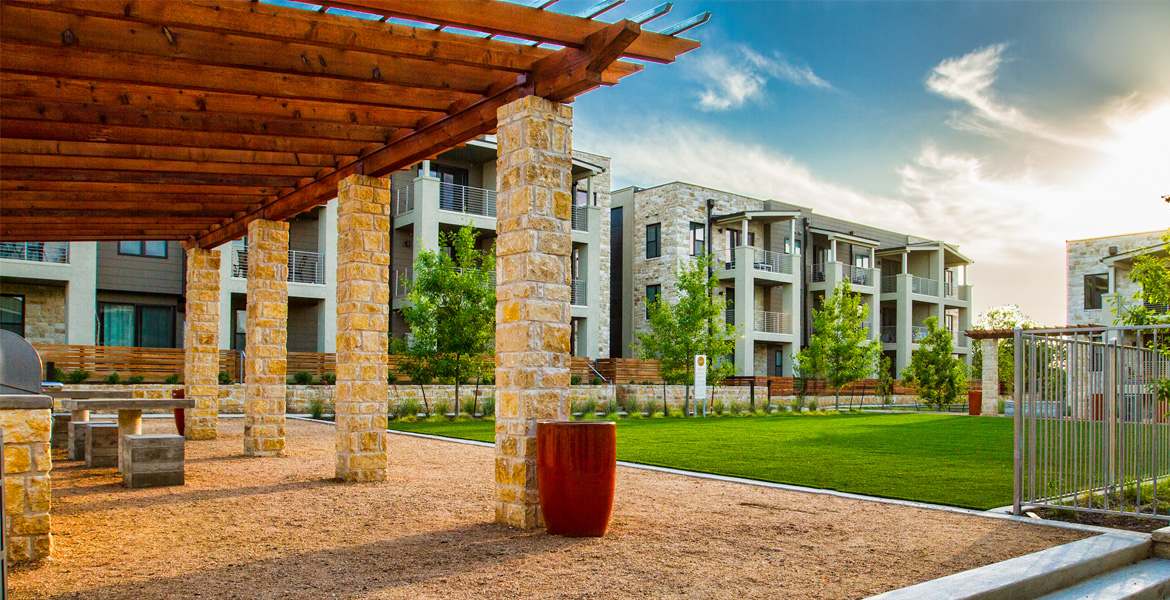
Galindo is a beloved south Austin neighborhood that embodies the authentic, down-to-earth character that makes this part of town so special. Located just south of Oltorf Street and west of South Congress Avenue, Galindo offers a prime central location with a relaxed neighborhood feel. With a median home price around $650,000, it provides a more accessible entry into the coveted 78704 zip code while putting you minutes from some of Austin's best dining, shopping, and outdoor recreation.
Galindo's real estate market features a charming mix of original ranch-style homes from the 1950s and 1960s, renovated bungalows, and newer infill construction. The median home price of approximately $650,000 offers a relative value compared to neighboring areas closer to South Congress. Original homes in the neighborhood tend to sit on generous lots, often a quarter-acre or more, giving buyers the option to renovate in place or build new. The neighborhood has seen thoughtful development over the past decade, with modern builds that complement rather than overwhelm the existing streetscape. It's a market that rewards buyers who appreciate character and location over flash.
The neighborhood's namesake, Galindo Elementary, is a cornerstone of the community and sits within the neighborhood itself. Students are served by Austin Independent School District, with options for nearby middle and high schools. The school's central role in neighborhood life is reinforced by the flat, walkable streets that connect much of Galindo to the campus on foot. Several well-regarded private and alternative school options are also accessible from this central south Austin location.
Galindo's location puts an incredible array of dining and entertainment at your fingertips. The Austin Beer Garden Brewing Company (ABGB) is a neighborhood institution, drawing crowds for its excellent craft beer and wood-fired pizzas. Radio Coffee and Beer offers a sprawling outdoor venue with food trucks, live music, and a community garden. Nearby South Congress Avenue delivers world-famous dining, from Tex-Mex to fine dining, along with unique boutiques and galleries. South First Street adds another layer of options, including beloved breakfast spots and craft cocktail bars. Living in Galindo means you're spoiled for choice without ever needing to drive far.
Galindo Park provides a neighborhood green space for pickup sports, playground time, and community gatherings. The flat, walkable streets are ideal for evening strolls and dog walks. Beyond the immediate neighborhood, residents enjoy quick access to some of Austin's premier outdoor attractions. Barton Springs Pool, Zilker Park, and the Lady Bird Lake Hike-and-Bike Trail are all just a short drive or bike ride away. The neighborhood's central location makes it easy to enjoy Austin's outdoor lifestyle without fighting traffic to get there.
Homes in Galindo range from cozy two-bedroom ranch houses with original details to newly built three- and four-bedroom modern homes with open floor plans and designer finishes. The neighborhood's larger lot sizes mean many homeowners have space for detached studios, ADUs (accessory dwelling units), or generous backyard entertainment areas. You'll find homes under 1,200 square feet alongside properties pushing 2,500 square feet or more. That range covers everything from a compact, well-located bungalow to a four-bedroom floor plan on a lot with room for a real backyard.
Galindo benefits from its central south Austin location, with South Congress Avenue, South First Street, and South Lamar Boulevard all providing direct routes into downtown. The commute to downtown is typically under 15 minutes, and multiple bus routes serve the area for those who prefer public transit. Cycling is a practical option thanks to the flat terrain and growing network of bike lanes in south Austin. Austin-Bergstrom International Airport is about 15 minutes away via Highway 71, making air travel convenient for frequent flyers.
Galindo is south Austin at its best: a genuine neighborhood with real character, walkable access to incredible food and culture, and a central location that keeps you connected to everything the city offers. It's the kind of place where neighbors know each other, front porches get used, and life moves at a comfortable pace even though downtown is just minutes away. If you're looking for an authentic Austin experience with great value, I'd love to help you find your home in Galindo.
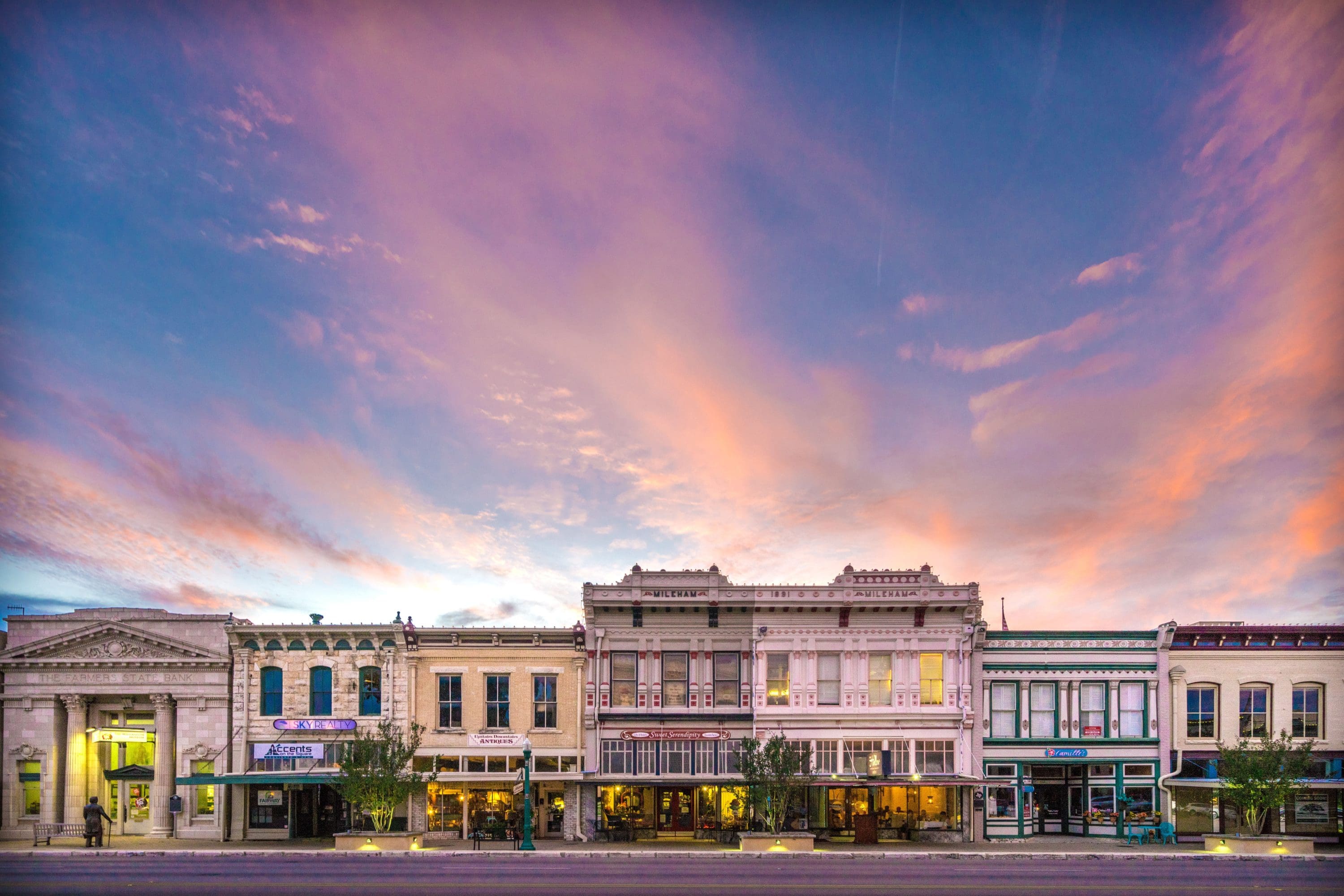
Georgetown has earned its reputation as one of the most charming cities in Texas. It is easy to see why. Anchored by what has been called the Most Beautiful Town Square in Texas, Georgetown balances historic character with modern growth in a way that few cities can match. With a population that recently surpassed 100,000, Georgetown is one of the fastest-growing cities in the country, yet it has managed to preserve the small-town warmth that makes it special.
Georgetown's housing market offers a compelling mix of value and variety. Median home prices currently range from $414,000 to $425,000, with the average price per square foot around $197. The market has softened slightly from recent peaks, creating more favorable conditions for buyers. From historic Craftsman homes near the downtown square to brand-new construction in master-planned communities like Wolf Ranch and Parkside at Mayfield Ranch, Georgetown has something for every buyer and budget.
The Georgetown Independent School District (GISD) serves over 13,900 students across 11 elementary schools, three middle schools, and three high schools including Georgetown High School and East View High School. The district continues to invest in growth, with a new elementary campus opening for the 2026-2027 school year. GISD is well-regarded for its strong academics, extracurricular programs, and community involvement: a major factor in Georgetown's appeal for buyers.
Georgetown's crown jewel is its meticulously preserved downtown square, featuring over 180 restored buildings anchored by the stunning 1911 Williamson County Courthouse in Beaux-Arts style. The square is a living, walkable destination filled with local restaurants, boutique shopping, wine tasting rooms, and community events. City Post Chophouse occupies a beautifully renovated 1930s post office, while Monument Cafe and Blue Corn Harvest serve beloved local fare. The annual Red Poppy Festival draws visitors from across the state. This is not a tourist trap. It is a genuine town center that residents use every day.
Georgetown offers exceptional outdoor recreation. Blue Hole Park is the star attraction: a scenic swimming lagoon fed by natural springs on the San Gabriel River, with hiking trails winding through limestone bluffs and old-growth trees. The San Gabriel River provides additional water recreation and serene walking paths. Georgetown has also been designated an International Dark Sky Community, making it one of the best places in Central Texas for stargazing. The city's parks system continues to expand with new trails and green spaces being developed across the community.
Georgetown is home to Sun City Texas by Del Webb, one of the premier active adult communities in the country. Located off Ronald Reagan Boulevard, Sun City features resort-style amenities including championship golf courses, fitness centers, swimming pools, and an extensive calendar of clubs and activities. It is a vibrant community within a community, and a significant reason Georgetown attracts buyers from across the nation looking for an active, fulfilling lifestyle.
Georgetown's housing market is remarkably diverse. Near the downtown core, you will find historic ranch-style and Craftsman homes with character and charm. Farther out, master-planned communities offer new construction single-family homes, townhomes, and acreage properties for those wanting more space. The upcoming Heirloom development, a 620-acre mixed-use project breaking ground in early 2026, will add 3,600 residential units, a commercial Main Street hub, and 48 acres of parkland, further expanding Georgetown's options.
Georgetown is located about 28 miles north of downtown Austin, with a typical drive of 30 to 40 minutes via I-35. The city's position along the I-35 corridor provides easy access to Round Rock, Cedar Park, and the greater Austin metro. While some residents commute to Austin for work, Georgetown's growing local economy, driven by manufacturing, healthcare, and retail, means more people are living and working right here.
Georgetown proves you do not have to choose between charm and convenience. The historic square gives you the soul of a small Texas town, while rapid growth brings modern amenities, new restaurants, and expanding employment opportunities. Strong schools, diverse housing, and the natural beauty of the Hill Country make Georgetown one of the most complete communities in Central Texas. Let me introduce you to everything Georgetown has to offer.
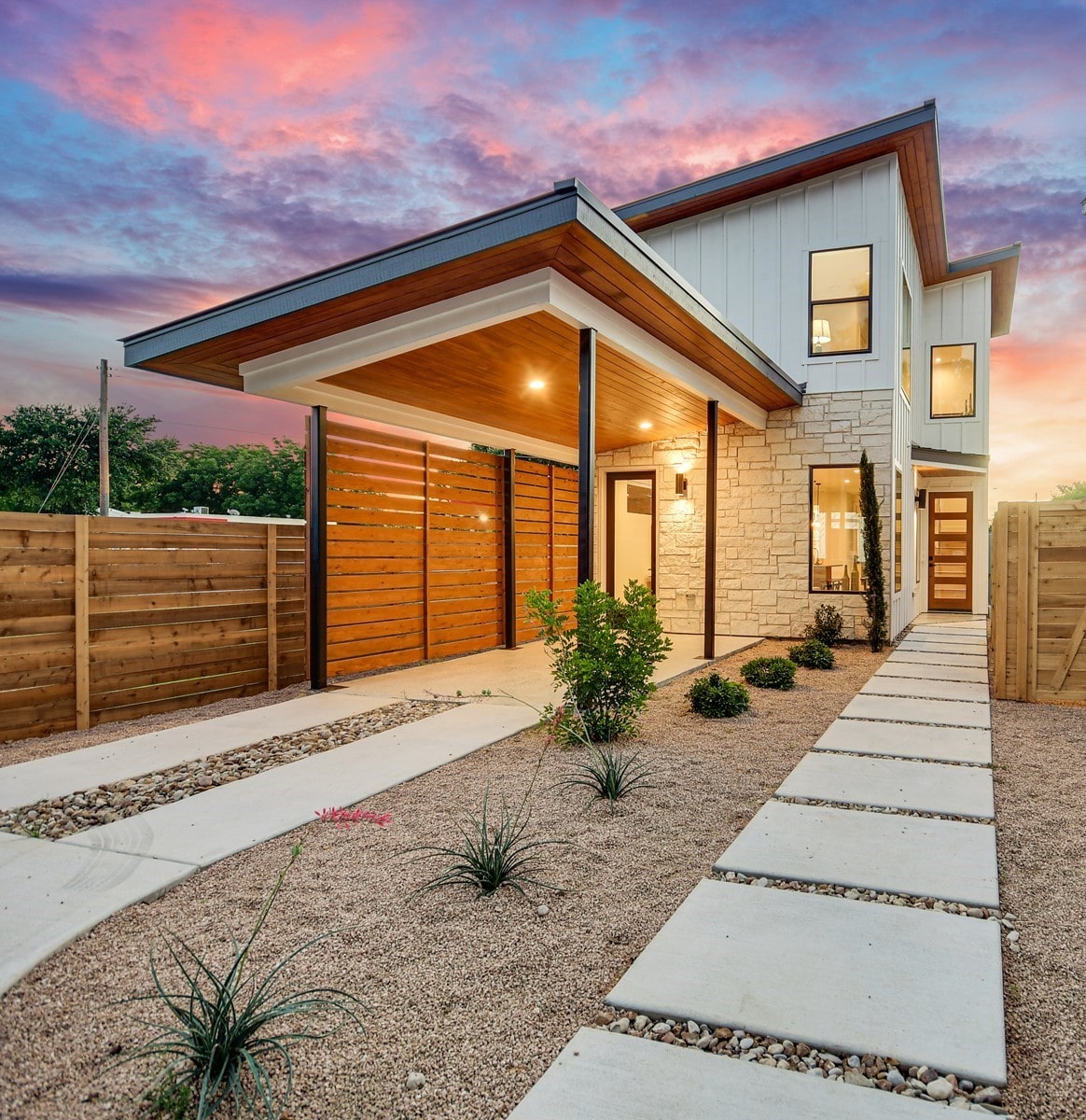
Govalle is a vibrant East Austin neighborhood that beautifully balances its rich history with the creative energy that defines this side of town. Originally established in the early 1900s, Govalle has evolved into one of Austin's most exciting neighborhoods, where lovingly preserved bungalows sit alongside striking contemporary architecture. With a median home price around $653,000 and an unbeatable location just east of downtown, Govalle offers both character and convenience in equal measure.
Govalle's real estate market reflects a century of building in East Austin. You'll find original 1920s through 1940s Craftsman bungalows and cottages alongside modern new construction and creative renovations. The median home price of approximately $653,000 represents strong value for a neighborhood this close to downtown Austin. Demand has been consistently strong as buyers discover Govalle's combination of walkability, character, and proximity to East Austin's thriving food and arts scene. Lots tend to be generously sized for an urban neighborhood, and many properties offer the potential for ADUs or garage apartments, adding both flexibility and investment value.
Govalle Elementary, the neighborhood's community school, is part of Austin Independent School District. The school has a strong connection to the neighborhood's history and plays an active role in community life. Students progress through AISD middle and high schools, with several options accessible from this centrally located neighborhood. The broader East Austin area also offers access to a variety of charter and private school alternatives beyond the assigned AISD campuses.
Govalle's dining and nightlife scene reflects East Austin's creative spirit. Justine's Brasserie, a beloved French-inspired restaurant and late-night destination, is a neighborhood icon. Flitch Coffee provides a laid-back morning gathering spot, while the broader East Austin corridor along East Cesar Chavez and East 7th Street delivers an ever-evolving lineup of restaurants, bars, galleries, and creative spaces. The Austin Bouldering Project, one of the largest indoor climbing gyms in the country, is right in the neighborhood and serves as both a fitness destination and social hub. From craft breweries to taco trucks, Govalle keeps things interesting.
The 26-acre Govalle Park is the neighborhood's outdoor centerpiece, featuring sports fields, a playground, picnic areas, and walking paths. It's a popular spot for weekend soccer games, picnics, and community events. The park's generous size gives the neighborhood a spacious feel that you don't always find this close to downtown. Beyond the park, residents enjoy easy access to the Roy G. Guerrero Colorado River Park along the river, which offers trails, disc golf, and a peaceful riverside setting. Lady Bird Lake's trail system is also just a short ride away.
Govalle's housing stock is one of its most appealing features, offering genuine variety within a single neighborhood. Original homes from the 1920s through 1940s feature the classic details that architectural enthusiasts love: deep front porches, wood siding, hardwood floors, and mature trees. Modern infill homes bring clean contemporary design with open floor plans, rooftop decks, and energy-efficient construction. Many lots are large enough to accommodate detached accessory units, which are popular with buyers looking for rental income or flexible living arrangements. Prices span from updated originals in the mid-$500s to new construction pushing past $800,000.
Govalle's location east of I-35 puts downtown Austin just minutes away, with easy access via East Cesar Chavez Street, East 7th Street, or the highway itself. The neighborhood's flat terrain and growing network of bike lanes make cycling a popular commute option. Capital Metro bus routes serve the area, connecting residents to downtown and other parts of the city. The neighborhood's walkability score is strong, with many daily needs accessible on foot. Austin-Bergstrom International Airport is about 15 minutes south via Highway 71.
Govalle offers the rare combination of genuine neighborhood character, a thriving local food and arts scene, and proximity to downtown Austin: all at a price point that still represents real value for this level of location and lifestyle. It's a neighborhood where history and creativity coexist, where you can walk to world-class restaurants and still enjoy the quiet charm of tree-lined streets. If East Austin calls to you, I'd love to show you around Govalle.
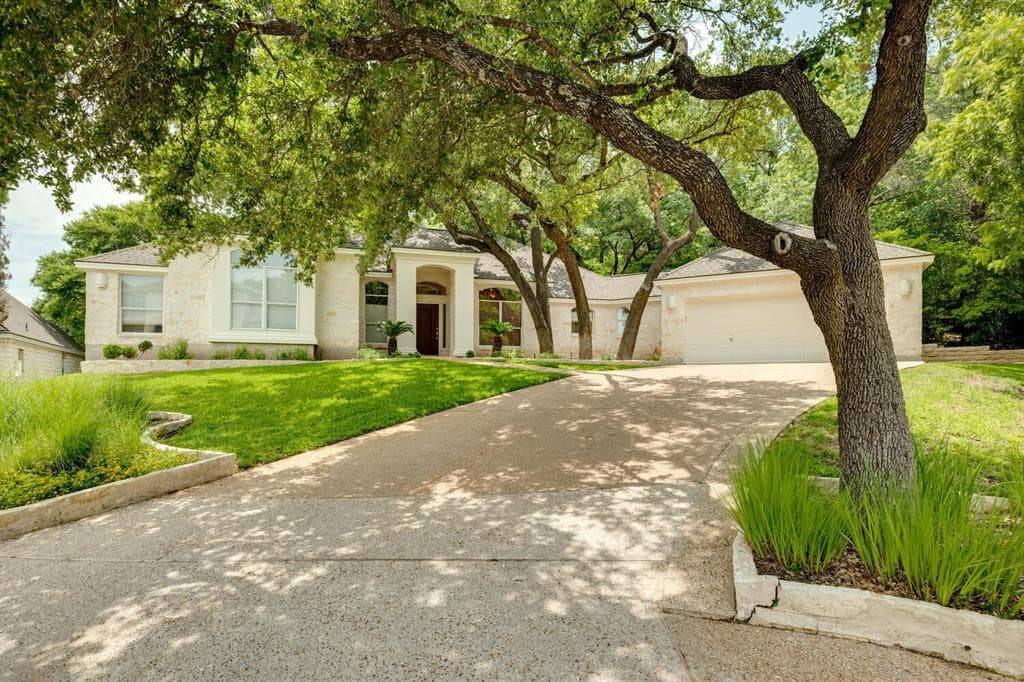
Great Hills is one of northwest Austin's premier established neighborhoods, offering a winning combination of mature landscaping, a renowned golf course, excellent schools, and convenient access to Austin's major employers and shopping destinations. With a median home price around $779,000, Great Hills delivers space, mature landscaping, and dual school-district access in one of northwest Austin's most settled residential areas.
The Great Hills real estate market is characterized by well-maintained single-family homes on generous, tree-covered lots. Built primarily from the late 1970s through the 1990s, homes in the neighborhood offer solid construction and classic floor plans, with many having been updated and renovated over the years. The median home price of approximately $779,000 provides excellent value when you consider the school districts, amenities, and location that come with a Great Hills address. The neighborhood's mature trees and established landscaping give it a settled, welcoming character that newer developments often lack.
Great Hills sits in a unique position that puts homes in one of two highly rated school districts, Austin ISD and Round Rock ISD, depending on the specific location within the neighborhood. On the AISD side, students may attend Anderson High School, consistently one of the top-rated high schools in the district. On the RRISD side, Westwood High School is frequently ranked among the best public high schools in Texas. This dual-district advantage means a buyer can target a specific attendance zone by choosing a specific street. Both districts offer strong academic programs, competitive athletics, and a wide range of extracurricular activities.
Great Hills residents enjoy the best of northwest Austin's dining and shopping scene. The Arboretum is right next door, featuring a collection of popular restaurants, specialty shops, and entertainment options in a beautifully landscaped outdoor setting. The Domain, Austin's premier mixed-use destination, is just minutes away and offers high-end retail, acclaimed restaurants, and a vibrant nightlife scene. For everyday needs, the neighborhood is surrounded by grocery stores, medical offices, fitness centers, and professional services. Living in Great Hills means having everything you need within a five-minute drive.
The Great Hills Country Club and its 18-hole golf course are the neighborhood's signature outdoor amenity, providing a stunning green backdrop for the community. Even non-golfers benefit from the open space and natural beauty the course brings to the area. The neighborhood also features walking trails and green spaces for residents to enjoy. Nearby, the Balcones District Park and the extensive trail systems along the Balcones Canyonlands give outdoor enthusiasts access to hiking and nature exploration. Great Hills' tree-lined streets and gentle hills make even a walk around the block a pleasant experience.
Homes in Great Hills typically range from 2,000 to over 4,000 square feet, with three to five bedrooms being the most common configurations. You'll find a mix of one-story and two-story homes, with architectural styles ranging from traditional brick to Hill Country stone and contemporary updates. Many homes feature large backyards, mature shade trees, swimming pools, and generous entertaining spaces. The neighborhood's wider lots and established landscaping create a sense of spaciousness and privacy that's increasingly difficult to find at this price point in Austin. Whether you're looking for a smaller starter home or something considerably larger, Great Hills has options across a range of sizes and budgets.
Great Hills is ideally situated near the intersection of US 183 and Loop 360 (Capital of Texas Highway), providing convenient access to multiple major corridors. The MoPac Expressway is also easily accessible, connecting residents to downtown Austin in about 20 minutes. The neighborhood's northwest Austin location is particularly convenient for professionals working in the tech corridor along US 183 or at employers in the Domain, Research Boulevard, or Parmer Lane areas. Austin-Bergstrom International Airport is approximately 30 minutes south.
Great Hills offers a rare package in Austin: access to two of the region's best school districts, a golf course community atmosphere, proximity to premier shopping and dining at The Arboretum and The Domain, and an established neighborhood feel with mature trees and spacious lots. Turnover is low, and many of these homes stay in the same hands for decades. If northwest Austin's blend of convenience, quality, and community appeals to you, I'd love to help you find your home in Great Hills.
Highland Park is a charming central Austin neighborhood located just northwest of downtown, offering an appealing blend of mid-century character homes and stunning modern estates along quiet, tree-canopied streets. With home prices ranging from around $700,000 to over $3 million, Highland Park serves a broad spectrum of buyers drawn to its central location, highly regarded elementary school, and the kind of established neighborhood charm that's increasingly rare close to downtown Austin.
Highland Park's real estate market is dynamic and diverse. The neighborhood features original 1950s ranch homes that have been lovingly maintained or creatively renovated, alongside impressive modern builds and luxury custom estates. This range creates an interesting streetscape where a classic mid-century cottage might sit next to a contemporary architectural showcase. The broad price range, from around $700,000 for smaller original homes to over $3 million for high-end new construction, means Highland Park attracts buyers across a wide span of budgets. The neighborhood's proximity to downtown, combined with its established feel, keeps demand consistently strong.
Highland Park Elementary is one of the most highly regarded public elementary schools in Austin ISD, earning top ratings for its academics and community involvement. The school is a cornerstone of the neighborhood and a significant reason homes here stay in demand. Students typically continue to Lamar Middle School and McCallum High School, both of which offer strong academic programs and extracurricular activities. The combination of a walkable neighborhood school and a strong feeder pattern is one of Highland Park's defining features.
Highland Park's central location puts an incredible range of dining and entertainment options within easy reach. The neighborhood sits near the intersection of several major corridors, providing quick access to the restaurants and shops along Burnet Road, North Lamar, and the Allandale area. Local favorites range from laid-back breakfast spots to acclaimed dinner destinations. The growing North Loop and Crestview food scenes are just minutes away, adding craft breweries, specialty coffee shops, and inventive eateries to an already rich mix. Downtown Austin's entertainment district is also just a short drive south.
Perry Park is the neighborhood's central green space, offering a playground, open fields, and a shaded area perfect for relaxing afternoons. Highland Park's proximity to the trails and scenic overlooks at Mount Bonnell is a major perk for outdoor enthusiasts. It's one of Austin's most iconic vantage points and sits just minutes from the neighborhood. Residents also enjoy easy access to the extensive trail network along Shoal Creek and the broader greenbelt system. The neighborhood's mature tree canopy and quiet, walkable streets make outdoor living a daily pleasure, whether you're going for a morning jog or an evening stroll.
The housing mix in Highland Park is part of what makes the neighborhood so interesting. You'll find compact 1950s ranch homes with two or three bedrooms alongside expansive four- and five-bedroom modern estates with all the bells and whistles. Renovation projects are common, with buyers purchasing original homes and transforming them into personalized showcases. New construction tends to feature open floor plans, high ceilings, designer kitchens, and outdoor living spaces. Lot sizes vary but are generally generous for a neighborhood this close to downtown, with many properties offering room for pools, gardens, or ADUs.
Highland Park's central location is one of its strongest selling points. Downtown Austin is just minutes to the south via North Lamar Boulevard or Burnet Road. MoPac Expressway provides quick north-south connectivity, while the Burnet Road corridor offers a direct route to the Domain and northwest Austin employment centers. Bus routes serve the area, and the neighborhood's flat terrain makes cycling a viable commute option for those heading downtown. Austin-Bergstrom International Airport is approximately 25 minutes south via MoPac and Highway 71.
Highland Park delivers the Austin living experience that so many buyers dream about: a central location with real neighborhood character, excellent schools, tree-lined streets, and easy access to the city's best dining and culture. Whether you're drawn to a charming mid-century home with renovation potential or a brand-new luxury build, Highland Park has something special to offer. If central Austin living with a strong community feel appeals to you, I'd love to help you explore Highland Park.

Holly is one of East Austin's most desirable neighborhoods, treasured for its proximity to Lady Bird Lake, its rich history, and its mix of original bungalows and new infill construction. Situated just east of I-35 and bordered by the lake to the south, Holly occupies a truly central position in Austin's urban core. With a median home price around $815,000, Holly attracts buyers who value walkability, waterfront access, and the authentic East Austin experience that few neighborhoods can match.
Holly's real estate market reflects its mix of early-twentieth-century housing stock and newer infill on some of East Austin's most sought-after blocks. You'll find original bungalows from the 1910s through 1960s alongside contemporary new builds and creative renovations. The median home price of approximately $815,000 underscores what buyers are willing to pay for Holly's combination of lake proximity, walkability, and character. Many of the original homes feature deep front porches, wood siding, and the kind of architectural details that new construction simply can't replicate. The neighborhood's desirability means properties don't stay on the market long, especially those with lake views or trail access.
Holly is served by Austin Independent School District, with students attending nearby AISD elementary, middle, and high school campuses. The neighborhood's central location provides convenient access to a variety of public, charter, and private school options throughout central Austin. The walkable, connected street grid puts school campuses and after-school activities within an easy trip of most of the neighborhood. The broader East Austin area continues to see investment in educational facilities and programming.
Holly's dining and cultural scene has blossomed in recent years while maintaining its authentic East Austin roots. The neighborhood sits along East Cesar Chavez Street, one of the city's most vibrant corridors, with restaurants, taquerias, coffee shops, and bars that range from longstanding local institutions to exciting new arrivals. The Holly neighborhood also borders the Rainey Street district, which has evolved into one of Austin's premier nightlife and dining destinations. Whether you're craving traditional Tex-Mex, artisan coffee, craft cocktails, or farm-to-table cuisine, Holly puts it all within walking or biking distance.
Outdoor living is one of Holly's crown jewels. Edward Rendon Sr. Park at Festival Beach provides direct access to Lady Bird Lake, with open green space, picnic areas, and the beloved Festival Beach. The park connects to the Ann and Roy Butler Hike-and-Bike Trail, giving residents a direct path to miles of lakeside running, walking, and cycling. The neighborhood's quiet, no-through-traffic streets are ideal for casual walks and bike rides. Holly Power Plant, once an industrial facility, has become a community landmark and cultural touchstone. The proximity to the lake means stunning sunrise views and the ability to paddle, row, or simply sit by the water whenever the mood strikes.
Holly offers a range of housing that reflects its layered history. Original homes from the early to mid-twentieth century include Craftsman bungalows, modest cottages, and post-war ranch houses, many of which have been thoughtfully renovated. Newer construction tends to be contemporary in style, with clean lines, large windows, and rooftop decks that capitalize on views of downtown or the lake. Home sizes range from intimate two-bedroom cottages to spacious four-bedroom modern builds. Some properties include garage apartments or ADUs, adding flexibility and potential rental income. The neighborhood's variety means buyers can find options that suit different budgets and design preferences.
Holly's location couldn't be more connected. Downtown Austin is essentially next door, with I-35 providing immediate highway access and East Cesar Chavez Street offering a surface-street route into the urban core. The neighborhood's flat streets and proximity to the hike-and-bike trail make cycling an everyday commute option for many residents. Capital Metro bus routes serve the area, and the walkability within the neighborhood is exceptional. Many residents find they can go days without needing their car. Austin-Bergstrom International Airport is about 15 minutes south via the highway.
Holly offers a lifestyle that's hard to replicate anywhere else in Austin: direct access to Lady Bird Lake and the hike-and-bike trail, a walkable position in the heart of East Austin's dining and cultural scene, and a neighborhood feel that still carries the warmth and authenticity of old Austin. It's the kind of place where you can watch the sunrise over the lake from your morning jog and be at one of the city's best restaurants in time for dinner, all without ever getting in the car. If waterfront urban living in East Austin speaks to you, I'd love to show you Holly.
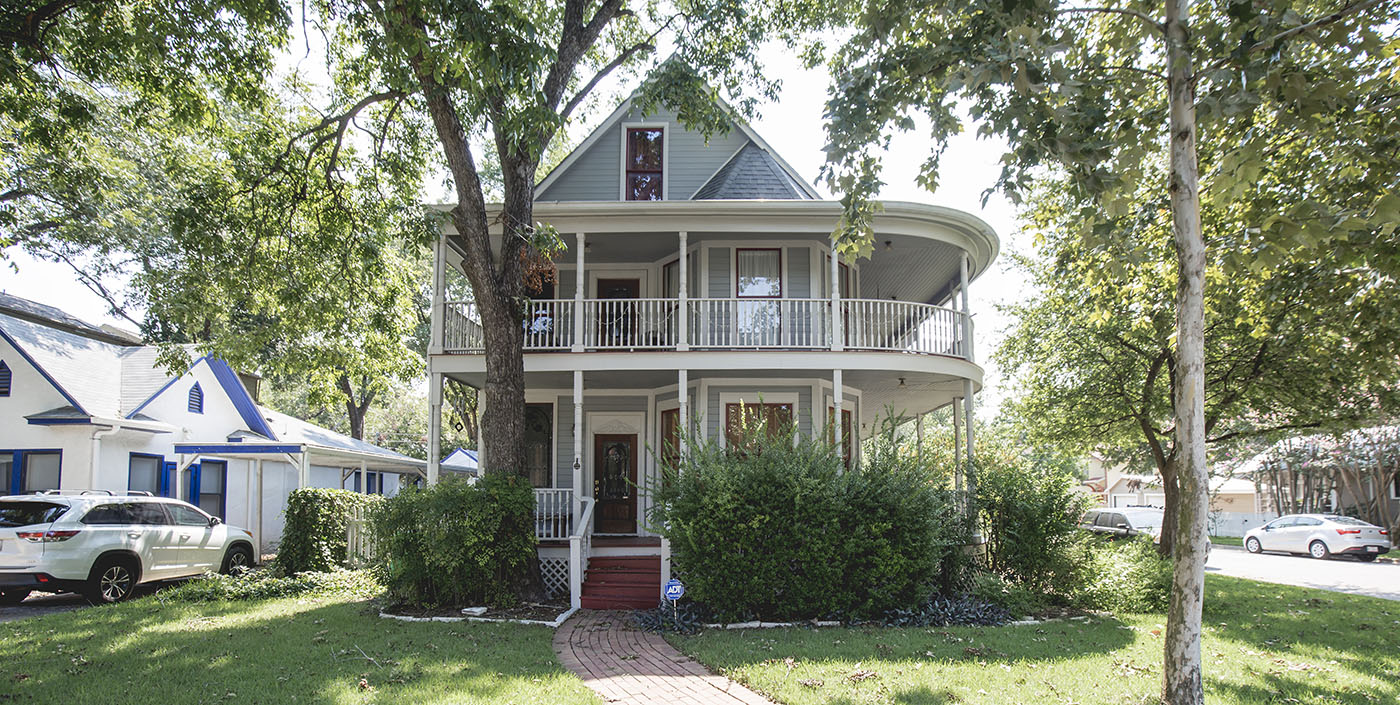
Hyde Park is a historic neighborhood with a small-town charm that has made it one of the most beloved places to live in Austin. Everything in Hyde Park is unique: from the real estate to the local businesses to the tree-canopied streets where neighbors wave as they walk their dogs. As one of Austin's oldest residential neighborhoods, Hyde Park has a sense of community and identity that is rare in a city growing as fast as this one. It is the kind of place where you feel at home the moment you arrive.
Hyde Park's housing market commands higher prices thanks to its central location, historic character, and fierce neighborhood loyalty. Median home prices range from $475,000 to $575,000, though well-preserved Victorian and Craftsman homes on desirable streets can exceed those numbers. Inventory is typically limited. Homes in Hyde Park do not come up for sale often, and when they do, they attract serious interest. This is a neighborhood where buyers are willing to wait for the right property because they know the value of the location and community.
Hyde Park is served by the Austin Independent School District, with several school options within walking distance. The neighborhood's proximity to the University of Texas campus creates a rich educational atmosphere, and residents benefit from the broader cultural and academic resources that come with living near a major research university. From elementary through high school, Hyde Park residents have access to solid AISD campuses as well as private and charter school options nearby.
Hyde Park's dining scene is intimate, independent, and full of character, just like the neighborhood itself. Hyde Park Bar and Grill is the legendary local haunt, famous for its battered french fries and casual atmosphere. Asti serves refined Italian cuisine in a warm neighborhood setting, and Quacks 43rd Street Bakery is the go-to coffee shop where regulars linger over pastries and conversation. North Loop Boulevard, just a short walk away, adds vinyl shops, vintage stores, and additional restaurants to the mix. You will not find chains here: every business in Hyde Park has a story.
Shipe Park is the heart of Hyde Park's outdoor life: a neighborhood gathering place with a swimming pool, playgrounds, sports courts, and picnic areas. On any given afternoon, you will find neighbors catching up and dogs fetching in the open fields. The neighborhood's tree-lined streets are destinations in themselves. Mature pecan and live oak trees create a canopy that makes every walk feel like a stroll through a park. For larger outdoor adventures, Zilker Park and Lady Bird Lake are an easy drive south.
Hyde Park was established in the 1890s and remains one of Austin's best-preserved historic neighborhoods. The streets are lined with Victorian homes, Craftsman-style bungalows, and quaint cottages that reflect more than a century of architectural character. Many homes have been lovingly maintained or thoughtfully restored, preserving original details like wraparound porches, wood floors, and period hardware. The neighborhood takes its history seriously. There is a genuine pride in maintaining the charm and character that make Hyde Park irreplaceable.
Hyde Park's housing stock is primarily single-family homes with deep historical roots. Victorian-era homes and Craftsman bungalows from the early 1900s are the most coveted, offering character and craftsmanship that cannot be replicated. Smaller apartments and multifamily buildings provide options for renters and buyers at different price points. The neighborhood also includes some thoughtfully renovated properties that blend historic exteriors with modern interiors. Lot sizes are compact, reflecting the neighborhood's walkable, urban-village design.
Hyde Park is one of the most walkable neighborhoods in Austin. Restaurants, coffee shops, and parks are all accessible on foot, and the flat, grid-style streets make biking a natural choice. The University of Texas campus is immediately adjacent, and downtown Austin is just a five to ten minute drive or a quick bus ride via CapMetro. For a neighborhood this close to everything, Hyde Park maintains a remarkably peaceful, residential feel.
Hyde Park is not just a place to live. It is a community with roots. The historic homes, the independent businesses, the shaded streets, and the neighborhood pride create something that cannot be manufactured or replicated. In a city that is constantly changing, Hyde Park offers permanence, character, and a genuine sense of belonging. If you want to be part of one of Austin's most special neighborhoods, let me help you find your home in Hyde Park.
Kissing Tree is a premier 55-plus active adult community nestled in the beautiful Hill Country setting of San Marcos, Texas. Spanning an impressive 1,300 acres, this gated community by Brookfield Residential offers a resort-style lifestyle designed specifically for active adults who want world-class amenities and the natural beauty of the Texas Hill Country. Home prices generally run in the low $500,000s, delivering exceptional value for the lifestyle it provides.
Kissing Tree's real estate market centers on new and nearly new single-family homes built by Brookfield Residential, a nationally recognized builder known for quality construction and thoughtful design. Prices generally run in the low $500,000s for a well-appointed home in a gated community with resort-caliber amenities, and they move with the market, so ask me for current numbers before you commit. The community offers several distinct home collections, each with multiple floor plans designed to suit different lifestyles and preferences. Homes feature single-story layouts with open floor plans, high ceilings, covered patios, and the low-maintenance construction that active adults appreciate. Whether you're downsizing from a larger home or seeking a fresh start in a vibrant community, Kissing Tree's homes are designed to make daily life comfortable and enjoyable.
As a 55-plus community, Kissing Tree is designed primarily for active adults, though the broader San Marcos area is served by San Marcos Consolidated Independent School District. Texas State University in nearby San Marcos adds an academic and cultural dimension to the broader community, bringing concerts, lectures, sporting events, and a youthful energy that enriches the local experience.
Kissing Tree's lifestyle revolves around The Mix, the community's spectacular amenity hub. This 13,000-square-foot clubhouse serves as the social heart of the community, featuring a full-service restaurant and bar, event spaces, and areas for clubs, classes, and community gatherings. The lifestyle programming at Kissing Tree is extensive, with everything from fitness classes and cooking demonstrations to wine tastings, game nights, and organized group outings. Beyond the gates, San Marcos offers a charming downtown square with local restaurants, shops, and the famous San Marcos River. The San Marcos Premium Outlets provide world-class shopping just minutes away.
Outdoor recreation is woven into the fabric of Kissing Tree. The community features an 18-hole golf course that winds through the Hill Country landscape, offering challenging play and stunning views. A resort-style swimming pool, pickleball courts, tennis courts, bocce ball courts, and miles of walking and biking trails provide endless opportunities for staying active. The community's 1,300-acre footprint means abundant natural green space, and the Hill Country terrain adds beauty to every outdoor activity. For those who enjoy water recreation, the San Marcos River is nearby, offering some of the most beautiful spring-fed swimming and tubing in Texas.
Kissing Tree offers three main home collections, Villas, Cottages, and Traditional homes, each designed for the active adult lifestyle. Villas provide a lower-maintenance option with efficient floor plans, typically around 1,200 to 1,600 square feet. Cottages offer a step up in size and features, usually ranging from 1,600 to 2,200 square feet. Traditional homes are the most spacious, with floor plans exceeding 2,200 square feet and upgraded features like gourmet kitchens, three-car garages, and expansive covered patios. All homes are single-story for easy living, with options for dens, home offices, guest suites, and outdoor living spaces that take advantage of the Hill Country setting.
Kissing Tree is located along the I-35 corridor in San Marcos, providing straightforward access to both Austin (about 35 minutes north) and San Antonio (about 45 minutes south). This central location between two major Texas cities gives residents access to big-city amenities, including airports, medical centers, and cultural attractions, while living in a more relaxed Hill Country setting. Within the community, golf carts are a popular way to get around, and the internal trail system makes walking and biking easy and enjoyable.
Kissing Tree offers the active adult lifestyle at its finest: a gated Hill Country community with an 18-hole golf course, resort-style amenities, an active social calendar, and beautifully designed single-story homes. It's a place where every day feels like a vacation, whether you're teeing off at sunrise, joining friends at The Mix for happy hour, or floating the San Marcos River on a warm afternoon. If you're looking for the ideal 55-plus community in the Austin to San Antonio corridor, I'd love to show you everything Kissing Tree has to offer.
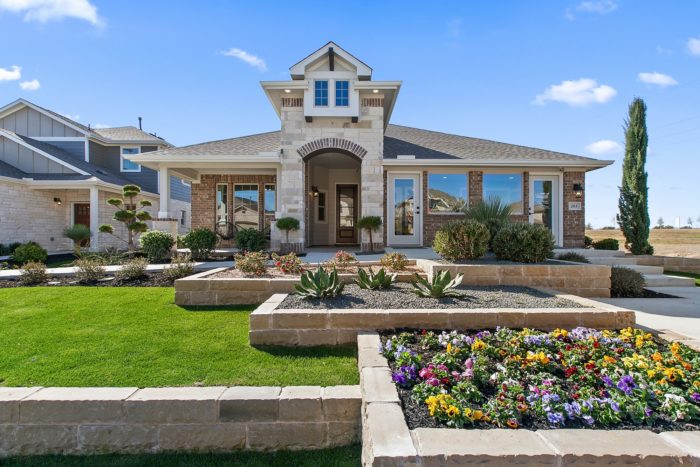
Kyle sits on I-35 between Austin and San Marcos, and it is one of the fastest-growing cities in Texas. What was a small railroad town is now a city absorbing new construction at volume, with retail and restaurants following the rooftops. If you want Central Texas without the Central Texas price tag, Kyle is the honest answer.
Master-planned new construction defines this market. Plum Creek, Anthem Texas, Six Creeks, and Cypress Forest are all delivering homes, while Hometown Kyle and the older neighborhoods carry the resale side. Pricing moves with the builders here, so ask me for current comps instead of working off a number you read somewhere.
Here is what that construction volume does to your offer, and almost nobody explains it. When builders are sitting on standing inventory, they compete with tools a private seller does not have: rate buydowns, closing cost credits, upgrades bundled in at their cost. A resale house three doors down cannot match a builder-paid rate buydown no matter how motivated that seller is. So when you put a resale listing next to a builder's spec home, do not compare sticker prices. Compare the monthly payment after incentives. That is the number that decides it, and it frequently points the opposite direction from the list prices. Ask me what the builders are offering right now, because it shifts by the quarter and by the community.
Kyle is served by Hays Consolidated Independent School District, which covers a wide swath of Hays County and keeps opening campuses to keep pace with growth. Jack C. Hays High School is a longstanding anchor, and Laura B. Negley Elementary serves part of the city. The district has been putting money into STEM and into career and technical programs, and more campuses are in planning. That last part has a practical consequence: attendance zones shift when new schools open. If you are buying into a community that is still building out, confirm the current zone before you write the offer, not after.
Retail and restaurants are arriving with the population. Kyle Crossing and the Dry River District are adding shops, restaurants, and gathering space. Local spots cover barbecue, Tex-Mex, craft coffee, and casual dining. The Kyle Fair and Music Festival and seasonal markets fill out the events calendar. San Marcos and Austin are both a short drive when you want a bigger menu.
Kyle has put real money into parks. Plum Creek has a swimming pool, sports courts, and miles of walking trails threading the community. Lake Kyle Park handles fishing, picnicking, and trail walks. Five Mile Dam Park on the Blanco River opens up swimming, tubing, and kayaking. Plum Creek Golf Course is an 18-hole public track. The San Marcos River is close enough to be a regular destination rather than a trip.
Kyle carries one of the widest ranges of housing types in Central Texas. Plum Creek pairs single-family homes with resort-style amenities and an on-site golf course. Anthem Texas is newer, with modern construction, a pool complex, and an extensive trail system. Six Creeks and Cypress Forest add more new construction. On the resale side, established neighborhoods hold traditional Texas ranch-style homes with mature yards, which is the one thing a brand-new subdivision cannot sell you: a grown tree.
Kyle is about 25 miles south of downtown Austin on I-35. Off-peak, that is a 30 to 40 minute drive. Rush hour stretches it to 45 to 60, and anyone who tells you otherwise has not made the drive at 7:45 on a Tuesday. The planned I-35 expansion should ease it. San Marcos is 10 minutes south. Austin-Bergstrom International Airport is about 30 minutes out. If you are going to commute this corridor, drive it at the hour you would really be driving it before you commit to it.
Kyle offers something the Austin metro keeps taking off the table: a payment that works, in a city still adding what it needs. Master-planned communities, expanding retail, a real events calendar, and river access within minutes. The builders are motivated, the inventory is there, and the incentives are negotiable if you know to ask for them. Let's find out what your money buys here.
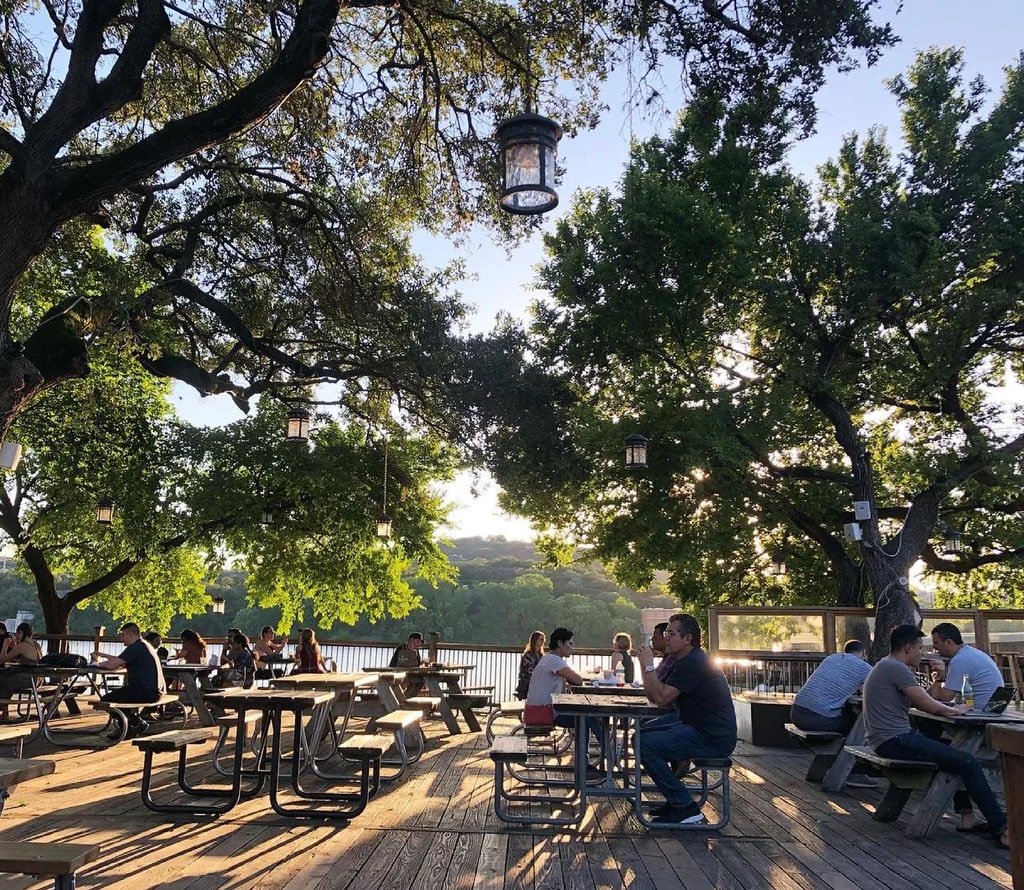
Lake Austin represents the pinnacle of waterfront living in Central Texas, offering a lifestyle that revolves around one of the region's most stunning natural features. This 22-mile constant-level lake winds through some of Austin's most prestigious neighborhoods, with tree-lined shores, private boat docks, and homes that range from charming lakeside cottages to multimillion-dollar estates. If waterfront living with easy access to downtown Austin is your dream, Lake Austin delivers it in spectacular fashion.
Lake Austin real estate is among the most coveted in all of Texas. The average sales price for waterfront properties sits around $3.14 million, though you'll find options ranging from approximately $1 million for lake-view homes to well over $10 million for premier waterfront estates with private docks and extensive acreage. The constant-level nature of the lake, meaning water levels remain stable year-round, is a significant advantage over other Highland Lakes, providing reliable waterfront access and consistent property values. Whether you're seeking a primary residence or a legacy property, Lake Austin offers some of the finest waterfront real estate in the Southwest.
Depending on the specific location along the lake, homes are zoned to several of the region's top school districts. Properties along the western shore often fall within the highly acclaimed Eanes Independent School District, home to Westlake High School and consistently ranked among the best districts in Texas. Other portions of the lake are served by Austin ISD and Lake Travis ISD, both offering strong academic programs. The combination of world-class waterfront living and top-tier schools makes Lake Austin especially appealing to buyers who want both lifestyle and educational excellence.
Life on Lake Austin has a rhythm all its own. Many residents enjoy morning coffee on their docks, afternoon boating with friends, and sunset dinners at one of the area's waterfront restaurants. The Hula Hut and Abel's on the Lake are beloved local gathering spots right on the water. Beyond the immediate lakefront, residents are just 15 to 20 minutes from downtown Austin's world-class dining, live music, and cultural scene. The surrounding neighborhoods of Westlake, Tarrytown, and Davenport Ranch add even more upscale dining and shopping options to the mix.
Outdoor living is the essence of Lake Austin. The lake itself offers swimming, boating, kayaking, paddleboarding, and fishing in clean, spring-fed waters. Numerous parks line the shores, including Walsh Boat Landing and Selma Hughes Park, providing public access to the water. The nearby Wild Basin Wilderness Preserve and Mount Bonnell offer hiking with stunning Hill Country views. For golfers, the Austin Country Club sits along the lake's shores. Whether you prefer a quiet morning paddle or an afternoon of wakeboarding, Lake Austin puts recreation at your doorstep every single day.
Lake Austin's housing ranges widely in style and price. You'll find everything from mid-century lakeside retreats that capture old Austin charm to newly built contemporary estates with walls of glass overlooking the water. Many properties feature private boat docks, infinity pools, outdoor kitchens, and terraced landscapes leading down to the shoreline. Lot sizes vary from modest in-town parcels to multi-acre estates with hundreds of feet of waterfront. Gated communities like Caslano offer ultra-luxury living, while other stretches of the lake provide a more relaxed, established-neighborhood feel.
Despite its serene, retreat-like atmosphere, Lake Austin is remarkably accessible. Downtown Austin is typically just 15 to 20 minutes away via Loop 360 (Capital of Texas Highway) or MoPac Expressway. The western portions of the lake connect easily to Bee Cave and the Hill Country Galleria for shopping and dining. Austin-Bergstrom International Airport is approximately 30 minutes from most Lake Austin locations. While the area is car-dependent, the proximity to major corridors means you're never far from urban conveniences.
Lake Austin offers a lifestyle that few places in Texas can match: constant-level waterfront living just minutes from a vibrant, growing city. It's the kind of place where your daily commute might include a view of the lake, where weekends revolve around the water, and where every sunset feels like a private showing. If waterfront luxury in the heart of Central Texas speaks to you, I'd love to help you find your place on Lake Austin.
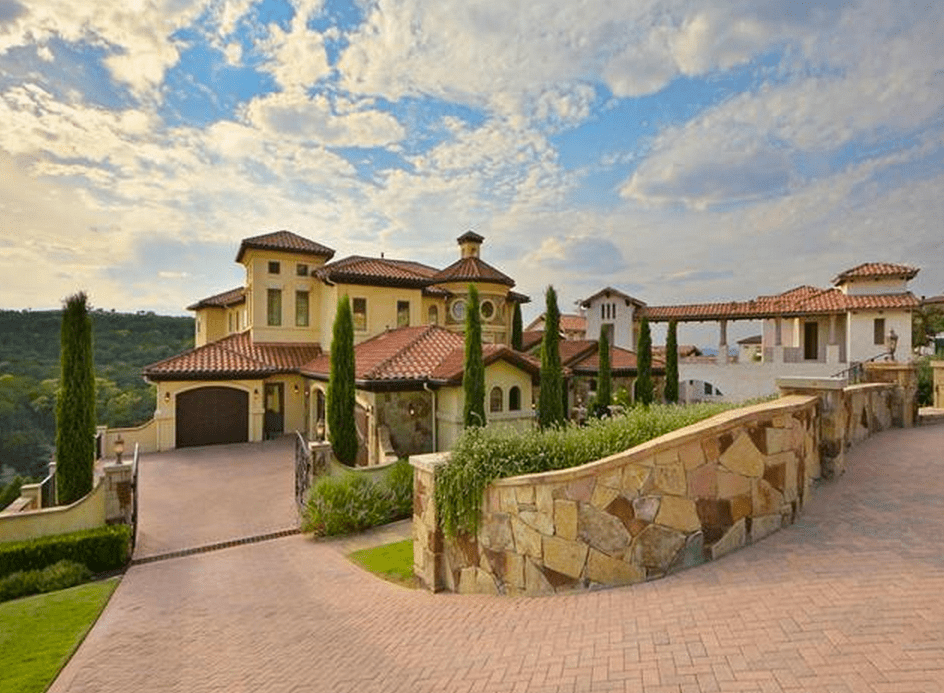
Lakeway is where the Texas Hill Country meets the shores of Lake Travis, creating one of the most scenic and resort-inspired communities in Central Texas. Known for its championship golf courses, lake access, and relaxed pace of life, Lakeway attracts buyers who want luxury, recreation, and natural beauty without sacrificing access to Austin. From waterfront estates to gated golf communities, Lakeway offers a lifestyle that feels like a permanent vacation.
Lakeway's housing market reflects its high-end positioning. Median home prices range from $780,000 to $850,000, with luxury waterfront properties and homes in gated communities like The Hills of Lakeway reaching well above $1 million. The market remains competitive, though recent shifts have created more opportunity for buyers. Whether you are looking for a primary residence, a weekend retreat, or a long-term investment, Lakeway's real estate holds its value thanks to the unbeatable combination of lake access, golf, and Hill Country charm.
Lakeway is served by the Lake Travis Independent School District, which earned an A rating from the Texas Education Agency in 2025. Lake Travis High School is the district's flagship, consistently recognized for academic excellence and competitive athletics. Bee Cave Middle School and Lake Pointe Elementary also carry A ratings. With strong performance across all campuses, Lake Travis ISD is a significant draw for buyers comparing Austin's western suburbs.
Lake Travis is Lakeway's defining feature. Residents enjoy direct access to one of the most popular lakes in Texas: perfect for boating, wakeboarding, swimming, and sunset cruises. Multiple marinas serve the community, making it easy to get on the water any day of the week. Beyond the lake, Lakeway offers championship golf at The Hills Country Club featuring a Jack Nicklaus signature course and at Flintrock Falls. The surrounding Hill Country provides hiking, mountain biking, and some of the most stunning natural scenery in Central Texas.
Lakeway's dining scene reflects its resort-town character. The Lakeway Resort and Spa offers lakefront dining with panoramic views of Lake Travis. Country club restaurants provide upscale options for members, and the surrounding Bee Cave and Lakeway corridor features a growing collection of restaurants and bars. The Backyard at Bee Cave, the Hill Country Galleria, and the shops along RR 620 provide additional retail, dining, and entertainment just minutes away.
The Lakeway Resort and Spa is a cornerstone of the community: a full-service resort featuring spa facilities, lakefront dining, a pool with a swim-up bar, and resort-style programming. It defines the Lakeway lifestyle and gives residents access to vacation-caliber amenities without leaving town. Whether you are hosting out-of-town guests or treating yourself to a spa day, the resort adds a layer of luxury that is unique to this community.
Lakeway offers luxury waterfront homes with direct Lake Travis access, custom estates in gated communities like Rough Hollow and The Hills of Lakeway, and resort-style residences designed for the lake lifestyle. Homes range from elegant single-family properties to expansive custom builds on lots with Hill Country views. The community attracts both full-time residents and those seeking a second home or weekend retreat on the water.
Lakeway is located about 20 to 23 miles west of downtown Austin. Off-peak, the commute takes 30 to 40 minutes via Highway 71 and MoPac. During rush hour, expect 45 to 60 minutes or more. While the commute is longer than some Austin neighborhoods, many Lakeway residents consider it a worthwhile trade for the lake lifestyle and Hill Country setting. The growing commercial base along the 620 corridor also means fewer trips downtown are necessary.
Lakeway is for those who want to live where others vacation. The combination of Lake Travis access, championship golf, A-rated schools, and Hill Country beauty creates a lifestyle that is truly one of a kind. If you have been dreaming of lake living with all the conveniences of a thriving community, Lakeway is calling. Let me help you find your perfect lakeside home.

Leander sits about 30 miles northwest of downtown Austin and has gone from a small Hill Country town to one of the fastest-growing cities in the metro. Two things drove that: the 183A toll road, and the fact that Leander is where Capital Metro's commuter rail line ends. Most of what is being built here follows one or the other.
Prices here cover a lot of ground, from production homes in established sections to custom builds on Hill Country lots in Crystal Falls, Bryson, Mason Hills, and Travisso. Rather than post a citywide median that goes stale the week it publishes, ask me for current comps on the specific community you are considering. The spread between subdivisions in Leander is wide enough that one number for the whole city tells you almost nothing.
New construction is active across multiple builders, and that matters when you are valuing a resale. In a market with this much new supply, a five-year-old house is not competing with other five-year-old houses. It is competing with a builder's standing inventory and whatever that builder is offering this month to move it.
Leander Independent School District covers the city and ranks among the stronger districts in Central Texas, with deep AP and dual-enrollment offerings and well-funded extracurriculars. Whitestone, Knowles, and Winkley elementary schools serve the Crystal Falls area and feed into Running Brushy Middle School and Leander High School. LISD zoning is worth checking closely: the district has grown fast enough that boundaries get redrawn, and a Leander mailing address does not automatically mean the campus you are expecting.
Leander's commercial base is being built right now, which is the honest answer to the question of where you eat. Crystal Village is a mixed-use development weighted heavily toward food and beverage. The Square at Crystal Falls adds boutique retail and dining. Northline, a 116-acre project next to Leander Station, is the ambitious one: a walkable downtown district of retail, dining, and civic space built around the rail stop. Until those deliver, most dinners out happen in Cedar Park or Austin. Buy here for what is coming and be comfortable waiting for it.
Crystal Falls has hiking trails, Quarry Park, and a stocked catch-and-release pond. Crystal Falls Golf Club discounts rates for residents. Devine Lake Park handles picnics and lakeside walks. The city trail system keeps extending, linking neighborhoods to green space and retail. Lake Travis and the Balcones Canyonlands National Wildlife Refuge are a short drive for boating, swimming, and birdwatching.
Crystal Falls is the most established community, with single-family homes on generous lots and genuine Hill Country views. Bryson is newer and master-planned, with current construction and its own amenities. Travisso has a resort-style pool, sports courts, and a clubhouse. Mason Hills sells canyon views. Across all of them multiple builders are running customizable floor plans, and townhomes are entering the market as mixed-use projects come online. One practical note: lot topography varies sharply here. Two houses in the same section can differ a lot in drainage, usable yard, and view, and that difference shows up at resale.
The 183A toll extension to Highway 29 cut real time off the commute, and the drive downtown runs roughly 30 to 40 minutes off-peak. The bigger differentiator is the Red Line. Leander Station is the northern terminus, so you board at the start of the route: you get a seat, and you park in a station lot instead of circling for one at an inner stop. If a rail commute is part of why Leander works for you, buy close to that station and check the schedule against your own hours first. Service is built around weekday commuters.
Leander is a bet on a city mid-build. The schools are already strong, the rail line already runs, and the commercial development that will make this a place you do not have to drive out of is under construction now. That is the opportunity, and it is also the risk, and which one it turns out to be depends on where in Leander you buy. Ask me for current comps and I will show you which sections have already priced in the growth and which have not.
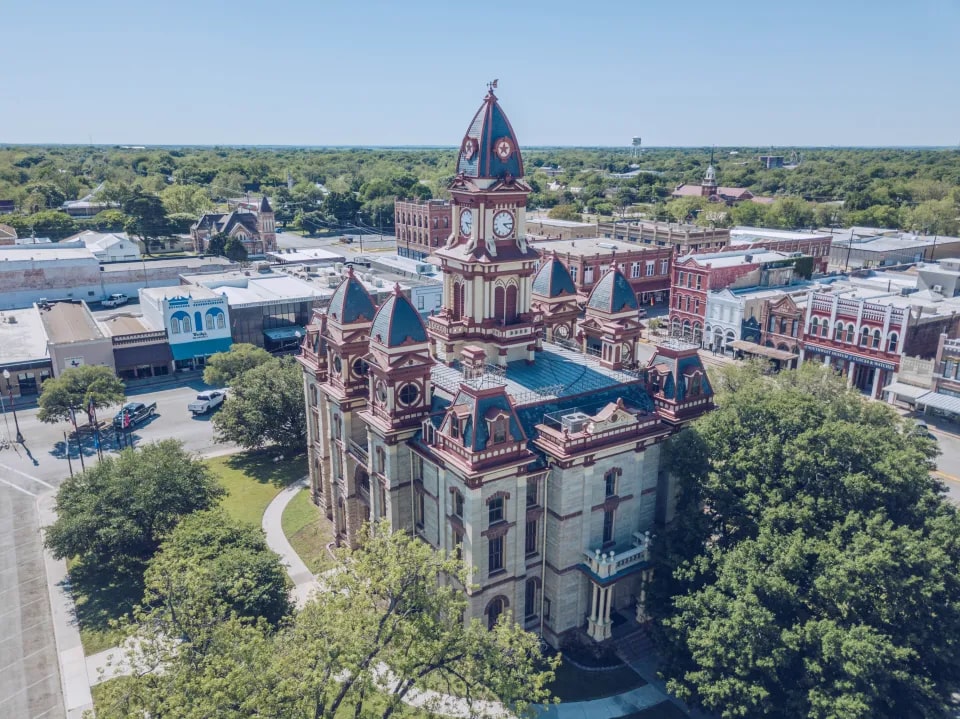
Welcome to Lockhart, the official Barbecue Capital of Texas and one of the most exciting small towns in the Austin metro area. Located about 30 minutes south of Austin via SH 130, Lockhart has grown from a quiet county seat into a thriving community that's attracting buyers who want small-town charm, genuine affordability, and a quality of life that's hard to beat. With a median home price around $300,000 and rapid new development, Lockhart offers a compelling alternative to Austin's higher price points.
Lockhart's real estate market is one of the most dynamic in the greater Austin area. The median home price of approximately $300,000 makes it one of the most affordable options within commuting distance of Austin. The market features a growing inventory of new construction in master-planned communities alongside charming historic homes near the downtown square. Major builders like Perry Homes are investing heavily in the area, with developments like Juniper Springs adding approximately 1,400 new homes on 400 acres. Whether you're a first-time buyer, looking for four or five bedrooms, or an investor looking at the area's strong growth trajectory, Lockhart has options across a range of budgets.
Lockhart is served by the Lockhart Independent School District, which operates several elementary, middle, and high school campuses. The district has been expanding to keep pace with the community's rapid growth, with new school facilities under construction including the recently completed Borchert Loop Elementary. Plum Creek Elementary has earned strong ratings. New developments like Juniper Springs will include additional school facilities to serve the growing student body. The district is investing in career and technical education programs alongside traditional academics.
Lockhart's dining scene needs no introduction. This is the Barbecue Capital of Texas, and the smokehouses here have been drawing visitors from around the world for generations. Kreuz Market, Smitty's Market, Black's Barbecue, and Chisholm Trail BBQ are legendary institutions that serve some of the finest smoked meats you'll find anywhere. Beyond barbecue, Lockhart's historic downtown square features a beautiful courthouse, local shops, galleries, and cafes housed in charming art deco and western-style buildings. Annual events like the Chisholm Trail Roundup bring rodeos, live music, and cook-offs that celebrate the town's rich heritage.
Lockhart offers abundant outdoor recreation for a town its size. Lockhart State Park features a golf course, swimming pool, hiking trails, and fishing along Plum Creek, all within a beautiful Hill Country setting. The nearby Palmetto State Park, named for the tropical dwarf palmettos that thrive along the San Marcos River, offers camping, birding, hiking, and river access. Lockhart City Park provides sports fields, playgrounds, and community gathering spaces. The surrounding Caldwell County countryside offers wide-open spaces, rolling farmland, and a pace of life that feels a world away from Austin's bustle.
Lockhart's housing stock spans a wide range. In the historic downtown area, you'll find Victorian-era homes and craftsman bungalows with period details and mature shade trees. Newer master-planned communities offer modern single-family homes with three to five bedrooms, open floor plans, and community amenities. Homes in developments like Juniper Springs range from the high $300s to around $600,000, with lot sizes of 45 to 60 feet. For those seeking more space, rural properties on acreage are available on the outskirts of town. This variety makes Lockhart accessible to buyers at nearly every price point.
Lockhart sits along SH 130, a modern toll road that provides a fast, uncongested connection to southeast Austin and beyond. Downtown Austin is reachable in about 30 to 35 minutes, and Austin-Bergstrom International Airport is roughly 25 minutes away. San Marcos and its outlet shopping are just 20 minutes south on I-35. US 183 also runs through Lockhart, providing an alternative route into the Austin metro. Caldwell County was recently ranked among the fastest-growing counties in the nation, and infrastructure investments are keeping pace with that growth.
Lockhart offers something that's increasingly rare in Central Texas: genuine small-town living with real affordability, just a short drive from Austin's urban amenities. Add in world-famous barbecue, a charming historic downtown, state parks at your doorstep, and a community that's investing in its future, and you have a place that's hard to resist. If you're looking for value, character, and growth potential in the Austin area, I'd love to show you what Lockhart has to offer.
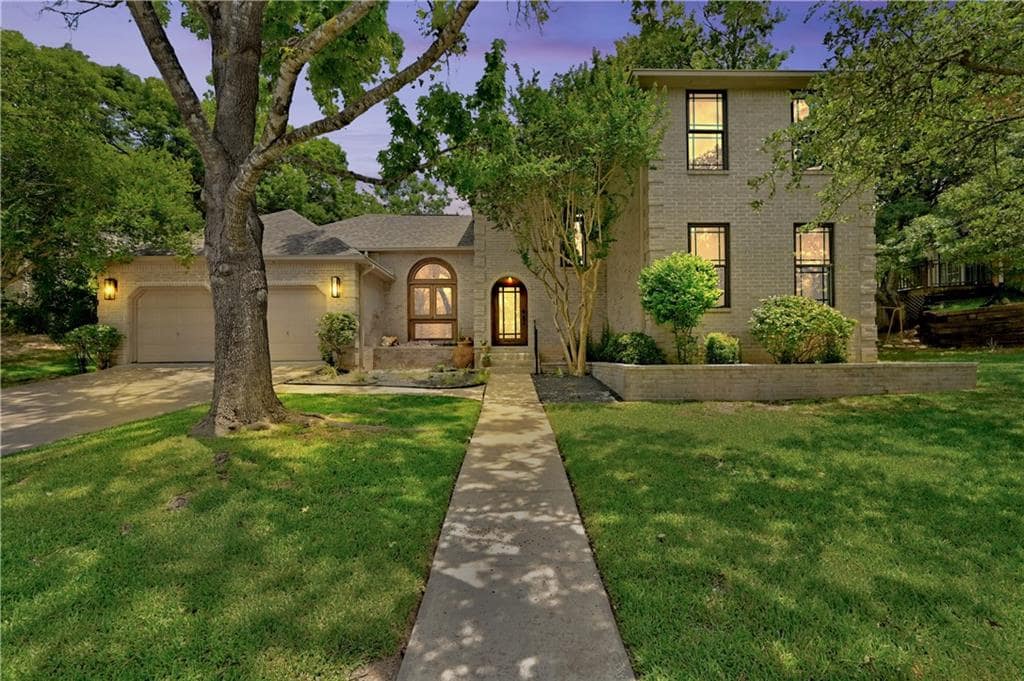
Lost Creek is one of west Austin's most established and desirable neighborhoods, offering a serene Hill Country setting within the coveted Eanes Independent School District. Spanning over 775 acres with approximately 1,200 homes, Lost Creek combines mature tree canopies, winding streets, and a genuine sense of community with the kind of location and school access that keeps demand consistently strong. With a median home price around $1.1 million, Lost Creek delivers high-end west Austin living with a neighborhood feel that larger luxury communities often lack.
Lost Creek's real estate market features a mix of custom-built homes from the 1970s through the 2000s, many of which have been thoughtfully updated over the years. The median home price of approximately $1.1 million places Lost Creek in the upper tier of Austin neighborhoods, though it offers relative value compared to newer luxury developments within Eanes ISD that can command significantly higher prices. Homes here range from well-maintained originals around $900,000 to high-end custom builds and new construction exceeding $3 million. The neighborhood's newer development, The Overlook at Westlake, is adding 48 luxury homes on 37 acres with prices from $2.85 million to $5 million, demonstrating the continued appeal of the Lost Creek area.
Access to the Eanes Independent School District is one of Lost Creek's most compelling features. Students typically attend Forest Trail Elementary, Westridge Middle School, and Westlake High School, all consistently earning top ratings and ranking among the best public schools in Texas. Eanes ISD is renowned for its rigorous academics, strong extracurricular programs, and exceptional college placement rates. The highly regarded St. Stephen's Episcopal School is also nearby for private education. The quality of education available in Lost Creek is a primary driver of the neighborhood's enduring desirability.
Lost Creek residents enjoy easy access to the dining and shopping options in nearby Westlake, Bee Cave, and the Hill Country Galleria. The Bee Cave corridor has blossomed into a premier dining destination with restaurants ranging from casual neighborhood spots to upscale dining experiences. The Hill Country Galleria offers retail shopping, movies, and live entertainment in a beautiful outdoor setting. For everyday needs, grocery stores, medical offices, and professional services are all within a short drive. Downtown Austin's renowned restaurant and entertainment scene is about 15 minutes away via Loop 360.
Lost Creek is bordered by the Barton Creek Greenbelt, one of Austin's most treasured natural resources. The greenbelt offers miles of hiking and mountain biking trails, natural swimming holes, rock climbing, and stunning limestone cliffs, all accessible from the neighborhood. The Wild Basin Wilderness Preserve nearby provides additional hiking through pristine Hill Country terrain. Within the neighborhood, wide streets shaded by mature live oaks create a park-like atmosphere for walking, jogging, and cycling. The combination of preserved natural areas and established landscaping gives Lost Creek an almost rural feel despite its urban proximity.
Homes in Lost Creek typically range from 2,000 to over 4,000 square feet, with styles spanning ranch, Tudor, traditional, and contemporary designs. Many properties sit on generous lots of a third to half an acre, providing privacy and space for pools, gardens, and outdoor entertaining. The neighborhood's rolling topography means many homes enjoy Hill Country views and a sense of elevation. Custom-built homes predominate, giving the neighborhood architectural variety that you don't find in more uniform planned communities. Whether you're looking for a solid home with renovation potential or a turnkey luxury property, Lost Creek offers genuine diversity.
Lost Creek is conveniently located off Loop 360 (Capital of Texas Highway) and Lost Creek Boulevard, providing straightforward access to downtown Austin in about 15 minutes. MoPac Expressway is easily reached for north-south travel, and the Bee Cave Road corridor connects to western amenities. While Lost Creek is a car-oriented neighborhood, its proximity to major corridors means commutes are manageable in multiple directions. Austin-Bergstrom International Airport is approximately 25 to 30 minutes south.
Lost Creek delivers the west Austin lifestyle that buyers seek: Eanes ISD schools, Barton Creek Greenbelt access, Hill Country beauty, and a mature neighborhood with genuine character. It's the kind of place where you can hike the greenbelt before breakfast, enjoy the peace of a tree-shaded lot, and still be downtown for dinner. If top schools and natural beauty in an established west Austin community appeal to you, I'd love to show you around Lost Creek.
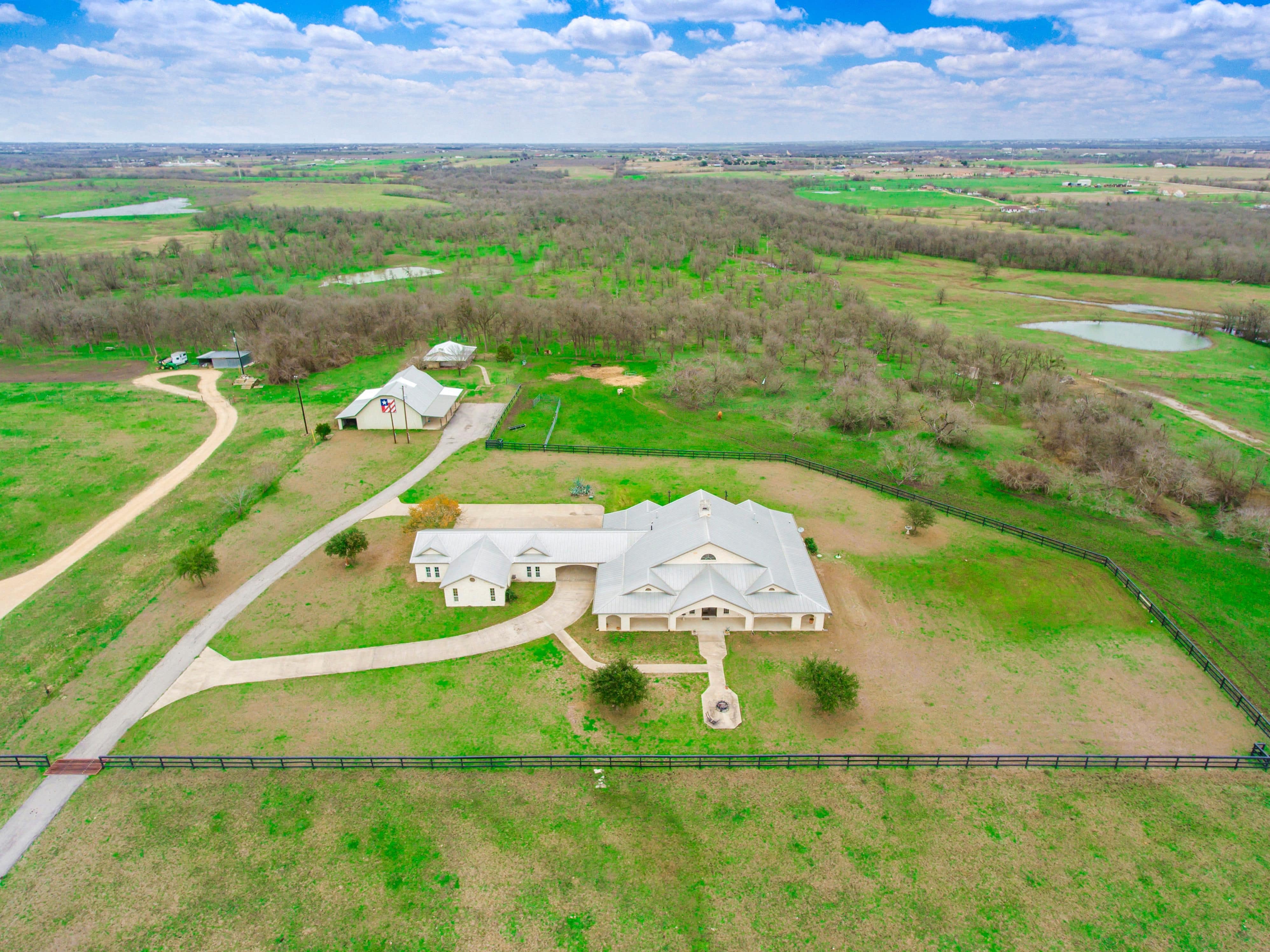
Manor is one of the Austin metro's fastest-growing communities, and it's easy to see why. Located just 12 miles east of downtown Austin, Manor offers brand-new homes at price points that are increasingly hard to find this close to the city. With a median home price around $355,000, major retail and infrastructure investments underway, and proximity to some of the region's largest employers, Manor is a community on the rise that offers exceptional value for today's buyers.
Manor's real estate market is dominated by newer construction in well-planned communities. The median home price of approximately $355,000 places Manor among the most affordable options within a short commute of downtown Austin. Established neighborhoods like Carillon, ShadowGlen, and Presidential Meadows offer a range of home sizes and price points, with builders continuing to add inventory and floor plan options. New construction homes here feature modern designs, energy-efficient systems, open floor plans, and community amenities. For buyers who want a quality new home without stretching their budget, Manor consistently delivers strong value per square foot.
Manor is served by the Manor Independent School District, which includes seven elementary schools, two middle schools, and three high schools, including the notable Manor New Technology High School with its STEM-focused curriculum. The district serves over 8,000 students and continues to expand its facilities and programs as the community grows. New school construction is keeping pace with residential development, and the district has been investing in career and technical education alongside traditional academics. Manor's educational infrastructure continues to grow, reflecting the community's investment in its future.
Manor's commercial landscape is transforming rapidly. The Manor Crossing development has brought Home Depot, Chick-fil-A, Chili's, Chipotle, and other national retailers to the area, with more on the way. A new H-E-B grocery store is one of the most anticipated additions, representing a significant quality-of-life upgrade for residents. The new Town Square project, which includes a city hall and public library, is creating a walkable civic center for the community. While Manor's local dining scene is still developing, the proximity to Austin means world-class restaurants are never more than a 15 to 20 minute drive away.
Manor's outdoor amenities are expanding alongside its residential growth. Community parks within the master-planned neighborhoods offer playgrounds, walking trails, sports courts, and swimming pools. ShadowGlen Golf Club provides an 18-hole championship course for golf enthusiasts. The surrounding countryside offers a more open, spacious feel than closer-in Austin neighborhoods, with room to breathe and enjoy the Texas landscape. As the community continues to develop, additional park spaces and trail connections are being planned to serve the growing population.
Manor's housing market is centered on single-family new construction, with homes typically ranging from three to five bedrooms. Price points span from the mid-$200s for starter homes to around $500,000 for larger homes on bigger lots. Builders offer a variety of architectural styles and floor plans, with features like granite countertops, stainless steel appliances, covered patios, and two-car garages being standard in most new communities. For buyers seeking more space, properties on larger lots and acreage parcels are available on the community's outskirts. The diversity of options makes Manor accessible to first-time buyers, buyers who need four or five bedrooms, and investors alike.
Manor connects to Austin via US 290 and SH 130, both providing direct routes into the city. US 290 leads straight to downtown Austin in about 15 to 20 minutes, while SH 130 provides a fast toll-road connection to the airport and southern suburbs. The proximity to major employers like Samsung and Applied Materials along the SH 130 corridor is a significant draw for tech professionals. Capital Metro is exploring expanded transit options along the US 290 corridor, including the planned Green Line, which would further improve Manor's connectivity to central Austin.
Manor offers the rare combination of new-construction quality, genuine affordability, and proximity to Austin's economic engine. With major retail investments, school expansion, infrastructure improvements, and a strategic location near top employers, Manor is building the foundation for sustained growth and appreciation. If you're looking for value and potential in the Austin metro, I'd love to help you explore what Manor has to offer.

Milwood is one of northwest Austin's largest and most established neighborhoods, offering the kind of quiet, tree-shaded suburban living that homeowners and professionals have been choosing for decades. Spread across nearly two square miles with approximately 2,500 homes, Milwood combines mature landscaping, convenient access to major employers, and a welcoming community atmosphere, all at a median home price around $480,000 that represents genuine value for this part of Austin.
Milwood's real estate market features primarily single-story ranch-style homes built from the 1970s through the late 1990s, situated on grassy lots with mature shade trees. The median home price of approximately $480,000 offers strong value for a well-established northwest Austin neighborhood with quality schools and convenient location. Homes range from efficient two-bedroom options to spacious four-bedroom homes, with lot sizes typically between 0.15 and 0.5 acres. Many homes have been thoughtfully updated over the years with modern kitchens, renovated bathrooms, and added living space. Unlike most master-planned communities, Milwood has a voluntary neighborhood association with very low yearly dues, giving homeowners flexibility without sacrificing community.
Milwood sits in a unique position with access to both Austin ISD and Round Rock ISD, depending on the specific location within the neighborhood. On the Round Rock ISD side, the attendance zones include highly rated schools such as Jollyville Elementary and Westwood High School, among the top-ranked public high schools in the state. Austin ISD schools serving the area include Summitt Elementary, Dobie Middle School, and Anderson High School, all well-regarded within the district. This dual-district access gives Milwood a range of school options that many neighborhoods can't offer.
Milwood's northwest Austin location puts a wealth of dining and shopping options within easy reach. The neighborhood sits near the intersection of several commercial corridors, with restaurants, grocery stores, and services along Parmer Lane, Anderson Mill Road, and Research Boulevard. The Domain, Austin's premier mixed-use destination for high-end retail and acclaimed restaurants, is just a short drive south. The Lakeline Mall area to the north adds additional shopping and entertainment options. For everyday needs, multiple grocery stores, pharmacies, and fitness centers are within five minutes of most Milwood homes.
Milwood residents enjoy excellent access to parks and recreational facilities. Balcones District Park is a neighborhood favorite, offering 50 acres of open space with basketball courts, volleyball courts, playgrounds, and picnic areas. Rattan Creek Park features a swimming pool, tennis courts, basketball, and a community center available for events and gatherings. The Northern Walnut Creek Trail system provides miles of paved pathways for jogging, biking, and walking. It's a wonderful asset for active residents. The neighborhood's mature tree canopy and established landscaping make even a simple walk around the block a pleasant experience.
Homes in Milwood are predominantly single-family residences with a ranch-style character that appeals to buyers who appreciate solid construction and generous lot sizes. Most homes offer three to four bedrooms with attached two-car garages, and many feature spacious backyards perfect for outdoor entertaining, gardens, or play areas. While the majority of the housing stock dates to the 1970s through 1990s, many homes have been renovated and modernized. Buyers looking for a more traditional, established neighborhood atmosphere, rather than the uniformity of newer developments, will find Milwood's variety and character especially appealing.
Milwood's location in northwest Austin provides convenient access to several major corridors. US 183 and MoPac Expressway are both easily reached, connecting residents to downtown Austin in about 20 to 25 minutes. Parmer Lane and Research Boulevard provide east-west connectivity to the tech corridor and major employers. The neighborhood is particularly convenient for professionals working at Apple's nearby campuses, as well as other tech companies along the US 183 corridor. Capital Metro bus routes serve the area, and Austin-Bergstrom International Airport is approximately 30 minutes south.
Milwood offers the kind of established, unpretentious neighborhood living that many buyers dream about: mature trees, friendly neighbors, quality schools, generous lot sizes, and a location that keeps you connected to everything northwest Austin has to offer. It's a neighborhood where owners put down roots and stay, where the community association plans events that bring people together, and where your dollar stretches further than in many comparable Austin neighborhoods. If northwest Austin's blend of value, convenience, and community appeals to you, I'd love to help you find your home in Milwood.
-min.jpeg)
Montopolis and Riverside represent one of Austin's most dynamic and rapidly evolving areas, where historic neighborhood character meets major new development and investment. Located in southeast Austin between downtown and the airport, this area offers a combination of affordability, central location, and growth potential that's attracting attention from buyers and investors alike. With a median home price around $347,000, Montopolis and Riverside provide an accessible entry point into urban Austin living with significant upside.
The real estate landscape in Montopolis and Riverside spans a wide range of housing types and price points. The median home price of approximately $347,000 makes this one of the most affordable neighborhoods this close to downtown Austin. You'll find a mix of mid-century bungalows and ranch homes from the 1940s through 1960s, modern infill construction, townhomes, and condominiums. The East Riverside corridor in particular has seen major redevelopment, with new residential projects replacing older apartment complexes and bringing modern housing options to the area. For buyers and investors, the combination of current affordability and the trajectory of development in this area creates a compelling opportunity.
The area is served by Austin Independent School District, with several elementary, middle, and high school campuses accessible from the neighborhood. The broader southeast Austin area also offers charter and private school options. AISD has been investing in facility improvements and programming at local schools. The area's central location also provides relatively easy access to schools throughout the district, adding flexibility in educational choices.
The dining and entertainment scene along the East Riverside corridor has evolved dramatically. A growing number of restaurants, food trucks, breweries, and coffee shops have joined longtime neighborhood favorites to create an eclectic and vibrant food scene. The proximity to downtown Austin and the South Congress district means world-class dining and live music are just minutes away. Oracle's new campus development along the lakefront is bringing additional commercial investment to the area, including new retail and dining options that will further transform the Riverside corridor. The neighborhood's proximity to Lady Bird Lake adds a recreational dimension that enhances the overall lifestyle.
Roy G. Guerrero Colorado River Metro Park is the area's crown jewel, offering over 300 acres of parkland along the Colorado River with hiking trails, disc golf, baseball diamonds, and river beach access. The park provides a natural escape that feels worlds away from the urban development happening nearby. Montopolis Neighborhood Park adds local green space for community recreation. The Ann and Roy Butler Hike-and-Bike Trail is accessible from the area, connecting residents to miles of lakeside pathways. The combination of river access, major parkland, and trail connectivity makes this area surprisingly rich in outdoor amenities.
Housing in Montopolis and Riverside ranges from affordable single-family homes and duplexes to modern townhomes and new condominium developments. Single-family homes in Montopolis tend to be smaller, character-rich properties on decent-sized lots, many of which offer renovation or redevelopment potential. The Riverside corridor features more multi-family options, including modern apartment and condo complexes with amenities like pools, fitness centers, and rooftop terraces. For investors, the area's zoning changes and development momentum make it one of Austin's most watched markets. Prices range from under $200,000 for condos to over $800,000 for new townhome construction.
Few Austin neighborhoods can match the connectivity of Montopolis and Riverside. Highway 183, SH 71, and East Riverside Drive provide direct access to downtown, the airport, and the broader metro area. Austin-Bergstrom International Airport is just minutes away, a major convenience for frequent travelers. Capital Metro bus routes serve the area extensively, and the neighborhood's relatively flat terrain makes cycling a practical option. Downtown Austin is typically under 10 minutes by car, making this one of the shortest commutes available at this price point.
Montopolis and Riverside offer what savvy buyers are always looking for: a central location with genuine affordability and a clear growth trajectory. With major corporate investment, infrastructure improvements, and a strategic position between downtown and the airport, this area is poised for continued transformation. If you're looking for value and potential in urban Austin, I'd love to help you explore Montopolis and Riverside.
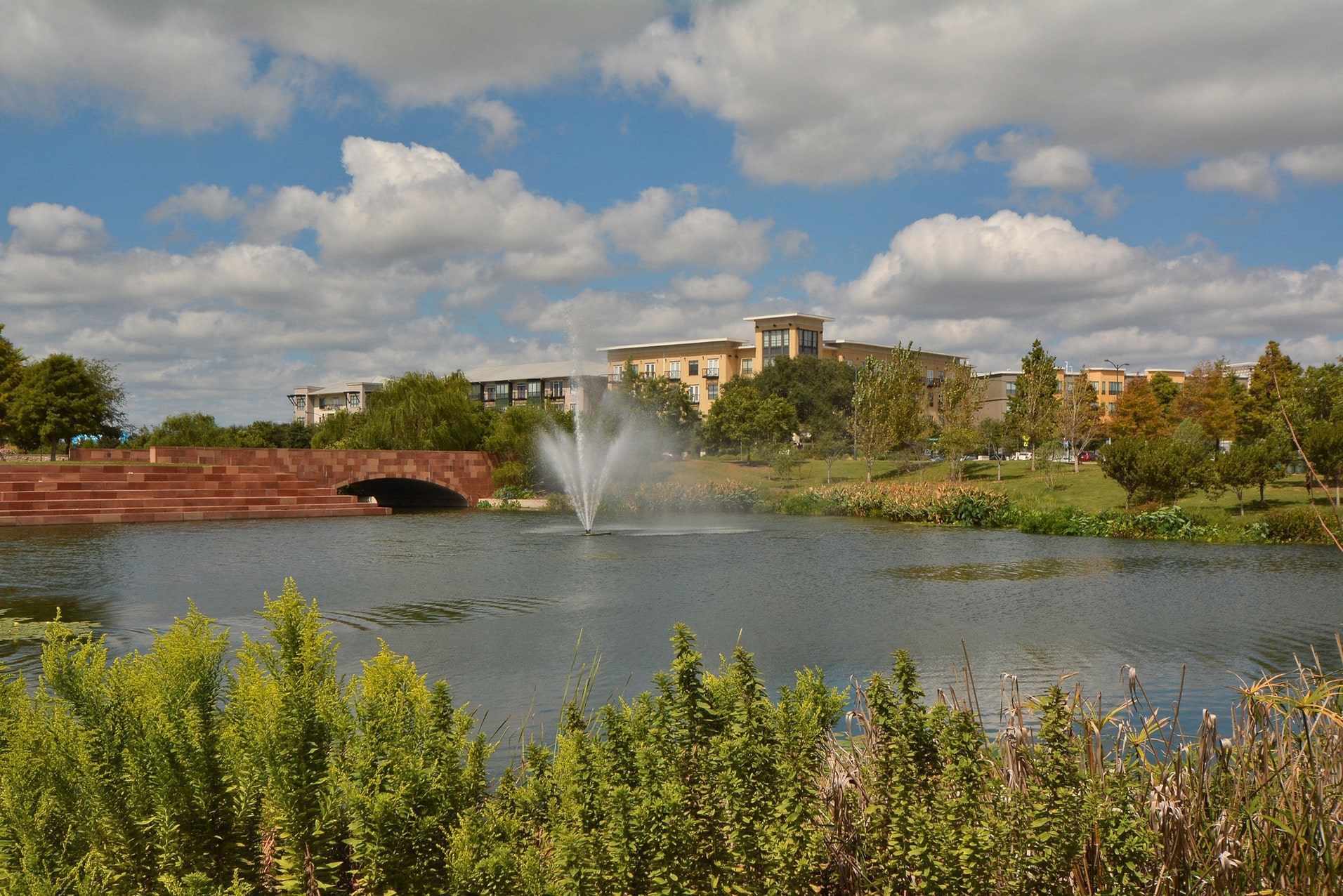
Built on the former site of Austin's Robert Mueller Municipal Airport, Mueller is one of the city's most innovative and walkable neighborhoods. Located just three miles from downtown in Northeast Austin, Mueller was designed from the ground up as a modern mixed-use community where residents can walk to restaurants, shops, parks, and entertainment without ever getting in a car. It is a neighborhood that feels like a small town inside a big city, and that is exactly the point.
Mueller's housing market reflects its central location and thoughtful design, with a median home price around $805,000. Homes range from the high $500s to over $1 million, with options including single-family homes, townhomes, condos, and apartments. The neighborhood is known for its energy-efficient construction, modern floor plans, and innovative builds, including some of Austin's first 3D-printed homes by ICON. Mueller also features an Affordable Homes Program that supports buyers with incomes below the area median, contributing to the neighborhood's inclusive character. Homes move at a steady pace, with an average of about 66 days on the market.
Mueller is served by the Austin Independent School District. The neighborhood's designated schools include several well-regarded campuses with strong academic programs. A range of charter and private school options is also available nearby. The neighborhood's thoughtful design, with parks, playgrounds, and wide sidewalks, makes it especially appealing for homebuyers seeking walkability and convenience.
Mueller's walkable town center is one of its biggest draws. The Alamo Drafthouse Cinema anchors the entertainment offerings, while restaurants like L'Oca d'Oro, Colleen's Kitchen, Kerbey Lane Cafe, Nando's, and Aviator Pizza provide a range of dining options steps from home. BD Riley's Irish Pub brings Austin's bar culture to the neighborhood, and Boa'd Up serves standout Asian street food. An H-E-B grocery store, one of the most eco-friendly in the chain, is located in the Market District alongside Torchy's Tacos and local shops. The Mueller Farmers Market runs weekly, offering fresh produce and artisan goods. Retail options like Best Buy and Marshalls round out everyday shopping needs.
Mueller was designed with green space at its core. Every home is within 600 feet of a community green space, and the neighborhood's 13 miles of trails and bike lanes connect residents to parks, shops, and schools. Mueller Lake Park offers 30 acres of open space with walking trails, public art installations, and room for picnics and pickup games. Mary Elizabeth Branch Park features a playground, open lawn, and shaded seating areas. The Mueller Skate Park draws skaters and spectators alike. Two junior Olympic-sized swimming pools and multiple dog parks add to the outdoor amenities.
Mueller offers one of the most diverse housing mixes in Austin. Single-family homes with modern architecture sit alongside townhomes and condominiums in a connected, walkable grid. The neighborhood was built with sustainability in mind. Energy-efficient designs, solar-ready roofs, and green building standards are common. Options range from compact condos to spacious single-family homes with yards and garages. The variety of price points and housing types means Mueller offers options across a wide range of budgets and household sizes.
Mueller's central location is a major advantage. Downtown Austin is about 15 minutes by car, and the neighborhood is bordered by I-35, Airport Boulevard, and Manor Road, providing easy access to all parts of the city. The walkable and bikeable street grid means many daily errands can be completed on foot. Capital Metro bus routes serve the area, and the upcoming Project Connect transit improvements will further enhance connectivity. Austin-Bergstrom International Airport is about 20 minutes away.
Mueller is a neighborhood built for how people want to live: walkable, connected, and community-oriented. With a thriving town center, world-class parks, diverse housing, and a location that puts all of Austin within easy reach, it represents the best of modern urban planning. Whether you are looking for a lively neighborhood with character or a smart investment in one of Austin's most desirable zip codes, Mueller delivers. Let me help you find your place in this one-of-a-kind community.
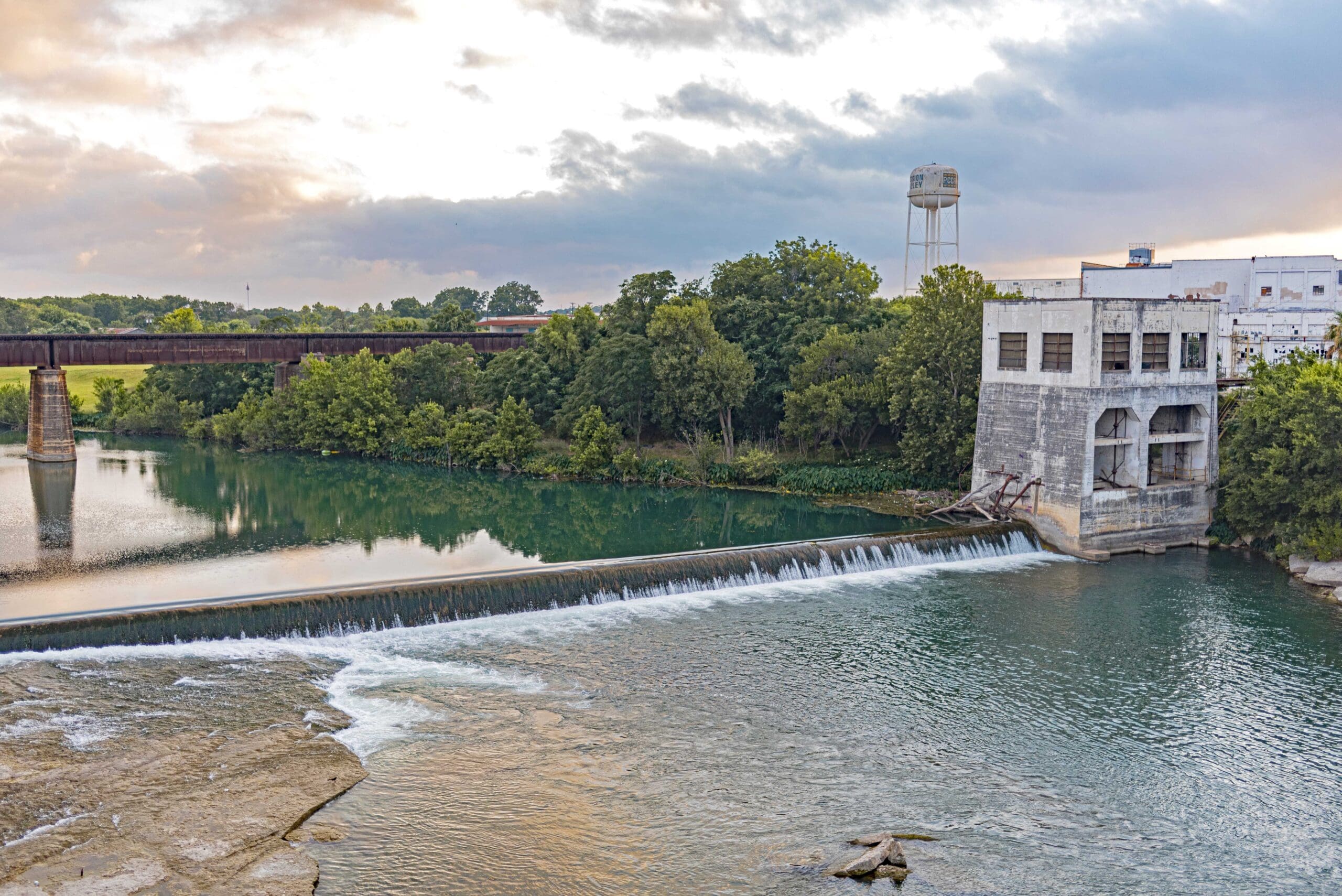
New Braunfels is a charming Hill Country city that has blossomed into one of the most desirable places to live between Austin and San Antonio. Known for its rich German heritage, spring-fed rivers, and the iconic Gruene Historic District, New Braunfels offers a quality of life that blends small-town warmth with big-city accessibility. With a median home price around $345,000 and two excellent school districts, New Braunfels offers Hill Country living at a range of price points.
New Braunfels' real estate market offers remarkable diversity. The median home price of approximately $345,000 provides strong value compared to Austin's higher price points, while still delivering quality construction and desirable locations. You'll find everything from historic homes near the town plaza to new construction in master-planned communities like Vintage Oaks, The Settlement at Gruene, and the new Mayfair development. The Gruene area is particularly popular, with homes near the historic district commanding higher prices for their character and location. River-access properties along the Guadalupe and Comal Rivers add a unique dimension to the market that you won't find in most Texas communities.
New Braunfels is served by two excellent school districts: New Braunfels ISD and Comal ISD. Comal ISD is particularly well-regarded, with schools like Hoffmann Lane Elementary earning top ratings. The district has been proactive about building new facilities to serve growing communities, including a brand-new elementary school in the Mayfair development. New Braunfels ISD offers strong traditional programs alongside career-focused academies. The combination of two quality districts gives buyers options depending on the specific neighborhood location. Both districts consistently perform well in state rankings and offer robust extracurricular programs.
New Braunfels' lifestyle revolves around its unique blend of German heritage and Texas Hill Country culture. The Gruene Historic District is one of the most beloved destinations in Texas, anchored by Gruene Hall, the oldest continuously operating dance hall in the state, along with restaurants, wine tasting rooms, and artisan shops. Downtown New Braunfels features its own charming collection of eateries, shops, and the beautiful Main Plaza. From authentic German bakeries and breweries to Tex-Mex favorites and Hill Country fine dining, the culinary scene punches well above its weight for a city this size.
Outdoor recreation is woven into the fabric of New Braunfels. The crystal-clear Comal River and the Guadalupe River offer world-class tubing, kayaking, and swimming right in town. Landa Park, a 51-acre gem along Comal Springs, provides walking trails, a spring-fed pool, playgrounds, a miniature train, and paddle boats. It's one of the finest city parks in Texas. Schlitterbahn Waterpark, a New Braunfels institution, draws visitors from around the state. Natural Bridge Caverns and Natural Bridge Wildlife Ranch add educational and adventure experiences nearby. Whether you prefer floating a river, hiking a trail, or exploring underground caves, New Braunfels keeps outdoor enthusiasts busy year-round.
New Braunfels offers housing options across a wide spectrum. Historic homes near downtown feature classic Hill Country stone and German architectural details. Master-planned communities offer new construction with modern amenities, community pools, trails, and clubhouses. The Gruene area features both established neighborhoods and newer developments like Vineyard at Gruene. For those seeking more space, ranch-style properties on acreage are available on the outskirts. Communities like River Chase offer resort-style living with shared amenities and single-level floor plans. Home prices range from the low $200s for condos and starter homes to well over $1 million for waterfront or acreage properties.
New Braunfels sits along the I-35 corridor, providing direct access to both San Antonio (about 30 minutes south) and Austin (about 45 minutes north). This central position between two major Texas cities gives residents access to multiple airports, major medical centers, professional sports, and cultural attractions while living in a more relaxed setting. Within New Braunfels, the road network is well-maintained and generally manageable, though the I-35 corridor through town can see congestion during peak tourist seasons. Property taxes in Comal County are notably lower than in Travis and Bexar counties, adding a financial advantage to the location.
New Braunfels delivers a lifestyle that's genuinely special: spring-fed rivers, a historic dance hall, Hill Country beauty, excellent schools, and a community that values its heritage while welcoming growth. It's the kind of place where you can float the Comal on Saturday, listen to live music at Gruene Hall on Saturday night, and still be in Austin or San Antonio for a weekday meeting. If Hill Country living between two great cities appeals to you, I'd love to help you find your home in New Braunfels.
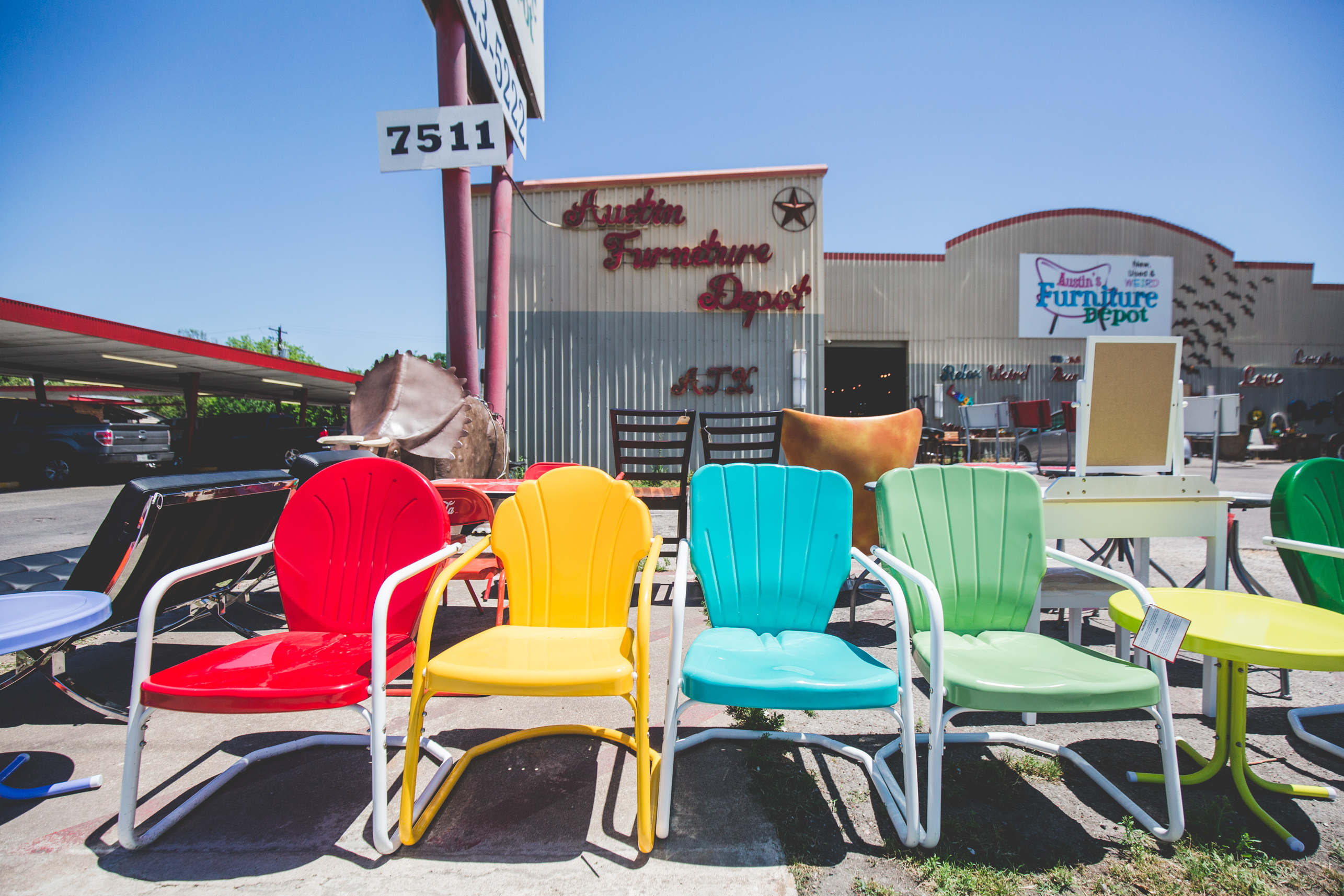
North Loop is one of central Austin's most character-rich neighborhoods, celebrated for its independent spirit, eclectic vintage shops, and a community that proudly carries the torch of old Austin's creative culture. Located less than six miles from downtown, North Loop delivers walkable urban living with the kind of locally owned businesses, cozy bungalows, and neighborhood bars that give Austin its distinctive identity. With a median home price around $580,000, North Loop offers an authentic central Austin experience at a price point that still represents value for the location.
North Loop's real estate market is an appealing mix of vintage character and modern updates. The neighborhood is known for its mid-century bungalows. The typical home is a charming two-bedroom, one-bath cottage of about 1,000 square feet on a generous lot. Alongside these originals, you'll find renovated homes that have been expanded and modernized, as well as sleek new construction that adds contemporary design to the streetscape. The median home price of approximately $580,000 represents genuine value for a central Austin neighborhood with this level of walkability and character. Homes range from around $410,000 for smaller originals to over $1.4 million for new builds.
North Loop is served by Austin Independent School District, with several elementary, middle, and high school options accessible from the neighborhood. The area's central location provides relatively easy access to schools throughout the AISD system, including some of the district's most well-regarded campuses. The neighborhood's proximity to the University of Texas campus also means access to educational and cultural resources that benefit residents and students. Several private and alternative school options are available in the broader central Austin area.
North Loop's commercial strip is the beating heart of the neighborhood and one of the most beloved stretches of independent businesses in Austin. The row of locally owned shops, restaurants, coffee houses, and bars along North Loop Boulevard has a character that can't be replicated. Epoch Coffee is a neighborhood institution for caffeine and community, while Drink.Well. crafts cocktails with the care of a fine dining establishment. Vintage shopping is a North Loop signature. Room Service Vintage and Prototype Vintage (celebrating 20 years in Austin) draw treasure hunters from across the city. Blue Velvet and other vintage boutiques add to the curated, independent atmosphere. The neighborhood's bar scene ranges from laid-back dive bars to inventive craft cocktail spots.
North Loop's compact, walkable layout means you can enjoy the neighborhood's charms on foot or by bike. Nearby parks provide green space for picnics, dog walking, and casual recreation. The neighborhood's flat terrain and residential streets are ideal for cycling, and bike lanes on surrounding streets connect to Austin's broader cycling network. The Shoal Creek Trail system is accessible from the area, providing a paved pathway for running, walking, and biking that connects to multiple points throughout central Austin. North Loop's tree-shaded streets and front-porch culture make outdoor living a daily experience.
The housing in North Loop ranges from classic mid-century bungalows with original hardwood floors and charming front porches to newly constructed modern homes with open floor plans and rooftop decks. The neighborhood's character comes largely from its vintage housing stock. These are homes with personality, mature trees, and the kind of patina that new construction can't match. For buyers looking for renovation projects, North Loop's generous lot sizes offer room to expand and customize. New builds tend to maximize square footage on smaller footprints, often adding second stories and contemporary design elements. The mix creates an architecturally interesting streetscape that reflects the neighborhood's creative spirit.
North Loop's central location is one of its greatest assets. Downtown Austin is less than six miles south and easily reached via North Lamar Boulevard or Guadalupe Street. The University of Texas campus is similarly close. Capital Metro bus routes serve the neighborhood, and the area's flat terrain and bike-friendly infrastructure make cycling a practical daily option. North Loop consistently scores as one of Austin's most bikeable neighborhoods. Many residents find they can handle daily errands, dining, and socializing without ever getting in a car. Austin-Bergstrom International Airport is approximately 12 miles south.
North Loop is Austin at its most authentic: a neighborhood that's held onto the independent, creative spirit that makes this city special, while still being minutes from everything the urban core has to offer. It's the kind of place where you know the baristas by name, where vintage shopping is a neighborhood tradition, and where front-porch conversations with neighbors are a regular part of life. If you're looking for central Austin character and community, I'd love to help you find your place in North Loop.

Northwest Hills is one of Austin's most picturesque and enduringly popular neighborhoods, known for its stately trees, winding roads, Hill Country views, and excellent schools. Developed beginning in the late 1950s, this established community sits just north of the river corridor in the 78731 and 78759 zip codes, offering the rare combination of natural beauty and quick access to downtown Austin. With an average home price around $1.1 million, Northwest Hills attracts buyers who value mature landscapes, spacious lots, and a true sense of community.
Northwest Hills' real estate market features a solid inventory of well-built homes on generous, tree-covered lots. The majority of homes were constructed in the 1960s and 1970s, with many featuring the single-story ranch style that defines the neighborhood's character. While some homes retain their original charm, many have been extensively renovated and modernized with contemporary kitchens, open floor plans, and updated systems. The average home price of approximately $1.1 million reflects how much buyers will pay for the combination of central location, mature landscaping, and quality schools. Notably, there are no HOA fees in Northwest Hills, giving homeowners more freedom and flexibility.
The Northwest Hills market has seen some notable shifts. The median sale price over the last 12 months is approximately $898,000, which represents about a 9% increase from the prior 12-month period. However, month-to-month pricing can vary significantly depending on the specific properties that close. A renovated home on a large lot will trade very differently from an original-condition home on a standard lot. The median price per square foot is around $348, and homes are spending a median of roughly 38 days on the market. Inventory levels have increased, giving buyers more options to choose from. For sellers, the key differentiator is condition: homes that have been updated with modern kitchens, bathrooms, and energy-efficient systems are selling for more than properties that need work.
Northwest Hills is served by Austin ISD, with access to several highly regarded campuses. Highland Park Elementary and Doss Elementary serve the neighborhood's younger students, while Lamar Middle School and Murchison Middle School provide strong intermediate options. Anderson High School and McCallum High School round out the feeder pattern with comprehensive academic and extracurricular programs. Several well-regarded private schools are also nearby, including St. Theresa's Catholic School, Paragon Prep, and Austin Jewish Academy. The quality and variety of educational options is a significant factor in Northwest Hills' continued popularity.
Northwest Hills residents enjoy convenient access to a wide range of dining and shopping. The neighborhood sits near the intersection of key corridors that connect to The Arboretum, Gateway Shopping Center, Arbor Walk, and The Domain, all within a 10-minute drive. The Domain in particular offers an upscale shopping and dining experience with brands and restaurants that rival any major city. More casual dining options line the nearby corridors of Far West Boulevard and Burnet Road. The Dell Jewish Community Center, open to all regardless of background, provides a year-round heated pool, fitness classes, and community programming that enrich neighborhood life.
Northwest Hills is surrounded by some of Austin's best natural attractions. Bull Creek District Park, a 48-acre preserve located at 6701 Lakewood Drive, offers swimming holes, hiking trails along a limestone-lined creek bed, and shaded picnic areas with grills. The park is free to enter and open from 5 AM to 10 PM, making it a go-to spot for morning runs and evening walks alike. Recent accessibility improvements to the trail system have made the park more welcoming for visitors of all abilities.
Bright Leaf Preserve provides protected green space for walking and nature observation. The iconic Mount Bonnell, with its panoramic views of Lake Austin and the Hill Country, sits just minutes from the neighborhood. Within Northwest Hills, the tree-lined streets and rolling terrain create a naturally beautiful setting for daily walks and outdoor enjoyment. The neighborhood's mature canopy of live oaks, pecans, and other native trees gives it a serene, established character. The city recently approved $15.97 million in Northwest Austin park improvement projects, which will further enhance the area's green spaces and trail connections.
Homes in Northwest Hills typically offer 2,000 to 3,500 square feet of living space, with the classic single-story ranch being the most common format. You'll also find two-story traditional homes, contemporary renovations, and occasional new builds that add variety to the streetscape. Most properties sit on generous lots that provide substantial backyard space for pools, gardens, and outdoor entertaining. The neighborhood's topography means many homes enjoy Hill Country vistas and a sense of elevation that adds to the property's appeal. For buyers seeking a home with genuine character and mature landscaping, rather than a cookie-cutter new build, Northwest Hills delivers beautifully.
One of the defining features of the Northwest Hills market is the renovation activity. Because most homes date to the 1960s and 1970s, there is a strong pipeline of properties being updated to meet current standards and design preferences. Common renovation projects include opening up floor plans by removing non-structural walls, replacing original kitchens with modern layouts featuring quartz countertops and professional-grade appliances, and converting covered patios into climate-controlled living space.
Outdoor living upgrades are especially popular given Austin's climate. Homeowners are investing in purpose-driven outdoor spaces: covered entertaining areas, cocktail pools, and low-maintenance landscaping with native plantings that thrive in the Texas heat. Bathrooms, HVAC systems, and windows are the other frequent upgrade targets. The result is a neighborhood where you can find homes at a range of condition levels: original-condition properties priced for their land and location value, partially updated homes at a mid-range price point, and fully renovated homes that offer turnkey modern living with the irreplaceable benefit of mature trees and established lots.
Lot sizes in Northwest Hills are notably generous compared to newer Austin developments. Most residential lots range from 8,000 to over 12,000 square feet, with some properties sitting on a quarter-acre or more. Occasional larger tracts come to market, including rare multi-acre parcels that represent significant land value. Because there are no HOA restrictions in most sections of Northwest Hills, homeowners have flexibility in how they use and improve their properties. This combination of large lots, no HOA, and central location is increasingly difficult to find in Austin and contributes to the neighborhood's enduring appeal.
Northwest Hills benefits from its proximity to MoPac (Loop 1) and RM 2222, providing direct routes to downtown Austin in approximately 14 minutes. The neighborhood's location also offers convenient access to the tech corridor along US 183 and employers in the Domain and northwest Austin area. Far West Boulevard serves as a local connector with shops, restaurants, and services. Bus routes serve the area, and while Northwest Hills is primarily car-oriented, its central position means most destinations in Austin are within a reasonable drive. Austin-Bergstrom International Airport is approximately 25 minutes south.
For daily errands, residents benefit from proximity to multiple H-E-B locations, Randalls, and specialty grocery stores along Far West and Spicewood Springs Road. Medical facilities, including Ascension Seton Northwest Hospital and numerous specialist offices, are within a short drive. The central positioning of Northwest Hills means you are never far from anything. It is one of the neighborhood's most practical advantages.
Northwest Hills offers the complete package for Austin homebuyers: picturesque Hill Country setting, excellent schools, spacious homes on mature lots, no HOA restrictions, and a central location that keeps you connected to everything the city offers. It's a neighborhood where roots run deep, where the streets are shaded by decades-old trees, and where the quality of life speaks for itself. Whether you are looking for a renovation project with strong upside potential or a fully updated home ready to move into, the range of options here is broad. If you're looking for established Austin living with lasting value, I'd love to help you find your home in Northwest Hills.

Oak Hill is a sprawling southwest Austin community centered around the well-known "Y" intersection of US 290 and TX 71. Home to over 24,000 residents, Oak Hill offers a unique blend of Hill Country beauty, strong schools, and convenient highway access, all at price points that represent solid value for this side of Austin. Whether you're drawn to established neighborhoods with mature trees or newer master-planned communities, Oak Hill delivers a quality of life that has made it one of southwest Austin's most popular residential areas for decades.
Oak Hill's real estate market spans a broad range of options and price points. In West Oak Hill, the median home price sits around $625,000, while East Oak Hill homes average closer to $700,000. This range reflects the variety of housing stock available: from homes dating to the 1960s and 1970s in more established pockets to modern construction in newer communities. The area's larger lots and lower density compared to closer-in Austin neighborhoods appeal to buyers seeking more space and a suburban feel without sacrificing access to the city. Oak Hill consistently attracts buyers looking for strong value combined with quality schools and outdoor recreation.
Education is one of Oak Hill's strongest draws. The area provides access to some of Austin ISD's highest-rated campuses, including Gorzycki Middle School, which consistently earns top marks. Several private school options are also available nearby, including Regents School of Austin and Trinity Episcopal School, both earning excellent ratings. The combination of strong public and private school options gives buyers here more than one educational path to choose from. For many buyers, the school quality alone makes Oak Hill a top choice in southwest Austin.
Oak Hill's location at the convergence of two major highways has attracted a solid base of restaurants, shops, and services that serve the community's daily needs. The Y at Oak Hill area features grocery stores, pharmacies, local restaurants, and retail centers. While the dining scene is more neighborhood-oriented than destination-driven, the proximity to Austin's urban core means you're never far from the city's celebrated food scene. The historic character of the area adds a layer of Texas heritage that newer communities simply can't offer. Oak Hill's land was originally awarded to William Cannon by the Mexican government in 1835.
Oak Hill's proximity to the Texas Hill Country means abundant outdoor recreation. The Barton Creek Greenbelt, one of Austin's most beloved natural resources, is accessible from the area, offering miles of hiking, mountain biking, rock climbing, and swimming holes. Dick Nichols District Park provides 100 acres of parkland with a pool, disc golf course, trails, and picnic areas. The Hill Country terrain gives Oak Hill a more natural, spacious feel than many urban neighborhoods, with rolling hills, native vegetation, and scenic vistas. For outdoor enthusiasts, the combination of greenbelt access and Hill Country proximity is a significant quality-of-life advantage.
Oak Hill's housing stock is remarkably diverse. You'll find everything from modest ranch homes on large lots in established neighborhoods to spacious custom builds in gated communities. Master-planned developments like Circle C Ranch (adjacent to Oak Hill) and Legend Oaks offer newer construction with community amenities. More established pockets feature homes with larger lots, mature trees, and the kind of character that comes with decades of history. Lot sizes in Oak Hill tend to be generous by Austin standards, and many properties offer the space for pools, workshops, or simply spreading out. Prices range from the mid-$400s for smaller homes to well over $1 million for high-end properties.
Oak Hill sits at the intersection of US 290 and TX 71, two major corridors that connect directly to MoPac Expressway and downtown Austin. The typical commute to downtown is approximately 20 minutes, though this can vary with traffic conditions at the Y intersection. The Oak Hill Park and Ride provides bus service to downtown for commuters who prefer public transit. Recent and ongoing infrastructure improvements at the Y are designed to improve traffic flow and connectivity. Austin-Bergstrom International Airport is approximately 20 minutes away via TX 71, making air travel convenient for frequent flyers.
Oak Hill offers the southwest Austin lifestyle: Hill Country beauty, strong schools, generous lot sizes, and a community with deep roots and genuine Texas character. It's a place where you can access the Barton Creek Greenbelt on a Saturday morning, enjoy the space of a real backyard, and still be downtown in 20 minutes. If southwest Austin's combination of nature, value, and community appeals to you, I'd love to help you find your place in Oak Hill.
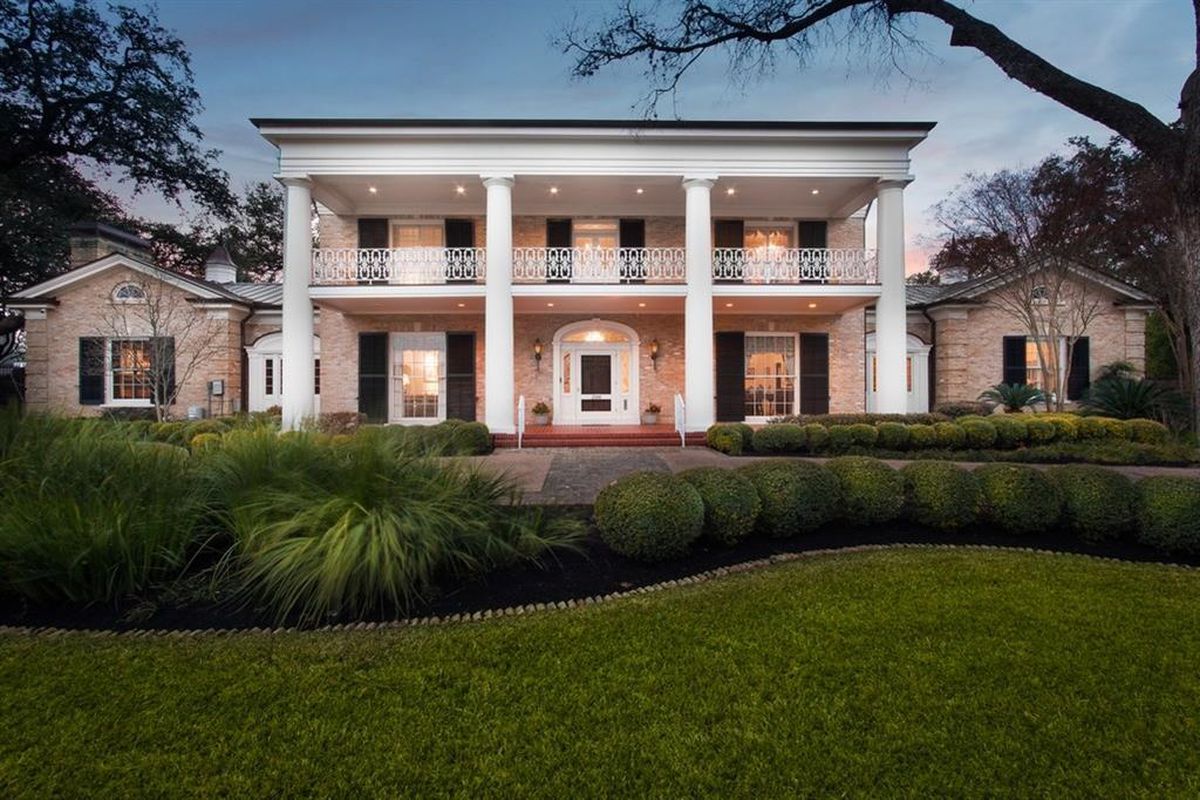
Old West Austin is one of the most storied and sought-after neighborhoods in the entire city, recognized by the American Planning Association as one of ten Great American Neighborhoods for its character, community, and sustainability. Spanning from Enfield Road to Windsor Road and bordered by North Lamar and MoPac, Old West Austin delivers the rare combination of historic charm, walkability, and proximity to downtown that makes it one of central Austin's most coveted addresses. With an average home price around $2 million, this is a neighborhood where heritage and location are priced accordingly.
Old West Austin's real estate market is defined by its historic character and central location. The median listing price sits around $1.1 million, though the average sale price reaches approximately $2 million, reflecting how much buyers will pay for the area's architectural heritage and walkability. Inventory has been growing, and homes spend a median of about 80 days on the market. You'll find everything from original Craftsman bungalows and Tudor Revival houses to Greek Revival mansions and carefully restored wood-frame cottages. The neighborhood has long been home to some of Austin's most notable residents, including elected officials and civic leaders, giving it a distinguished character that newer communities simply cannot replicate.
Old West Austin is served by Austin Independent School District, with access to several of the district's well-regarded campuses. Casis Elementary is a highly rated campus zoned to much of the neighborhood. Lamar Middle School and Austin High School round out the feeder pattern with strong academic and extracurricular programs. The neighborhood's central location also provides convenient access to a variety of private school options throughout central Austin, adding flexibility in educational choices.
Living in Old West Austin means being steps from some of the city's finest dining, shopping, and cultural experiences. The neighborhood's proximity to downtown Austin and the Sixth Street entertainment district puts world-class restaurants, live music venues, and cultural institutions within easy reach. Closer to home, the charming commercial pockets along West Lynn and nearby streets offer neighborhood restaurants, coffee shops, and boutiques. Jeffery's and other acclaimed restaurants call this area home. The walkability of Old West Austin, with a Walk Score of 83, means many residents handle daily errands and social outings on foot.
Old West Austin residents enjoy exceptional access to outdoor recreation. Pease Park, one of Austin's oldest and most beloved parks, offers 84 acres of green space along Shoal Creek with walking trails, playgrounds, and community gathering areas. The Shoal Creek Greenbelt runs through the neighborhood, providing miles of paved trails for walking, jogging, and cycling. Lady Bird Lake is just minutes south, with the Ann and Roy Butler Hike-and-Bike Trail accessible for lakeside exercise and recreation. The neighborhood's mature tree canopy and historic streetscapes make even a simple walk around the block a pleasure.
The housing stock in Old West Austin is one of its greatest assets. Historic Craftsman bungalows from the early 1900s sit alongside Tudor Revival homes, Greek Revival mansions, and charming wood-frame cottages, many of which are designated historic landmarks. Contemporary new construction and thoughtful renovations add modern living options while respecting the neighborhood's architectural heritage. Multimillion-dollar condominiums have also entered the market in recent years, offering luxury living in a more compact format. Lot sizes vary but many properties feature mature landscaping, established gardens, and the kind of character that only decades of history can provide. Prices range from around $500,000 for condos to well over $5 million for premier estate properties.
Old West Austin's central location makes it one of the most connected neighborhoods in the city. Downtown Austin is literally minutes away, and most of the city's urban amenities are within a short drive, bike ride, or even walk. MoPac Expressway borders the western edge, providing quick north-south access. North Lamar Boulevard on the eastern edge connects to the broader city grid. Capital Metro bus routes serve the area, and the neighborhood's walkability and bike-friendliness make car-free living a real possibility for many daily needs. Austin-Bergstrom International Airport is approximately 15 minutes south.
Old West Austin offers what few neighborhoods anywhere can match: nationally recognized historic character, genuine walkability, and a location that puts you at the heart of everything Austin has to offer. It's a neighborhood where century-old trees shade landmark homes, where you can walk to dinner at an acclaimed restaurant, and where the sense of place is simply irreplaceable. If you're looking for the most authentic, connected Austin living available, I'd love to help you find your home in Old West Austin.
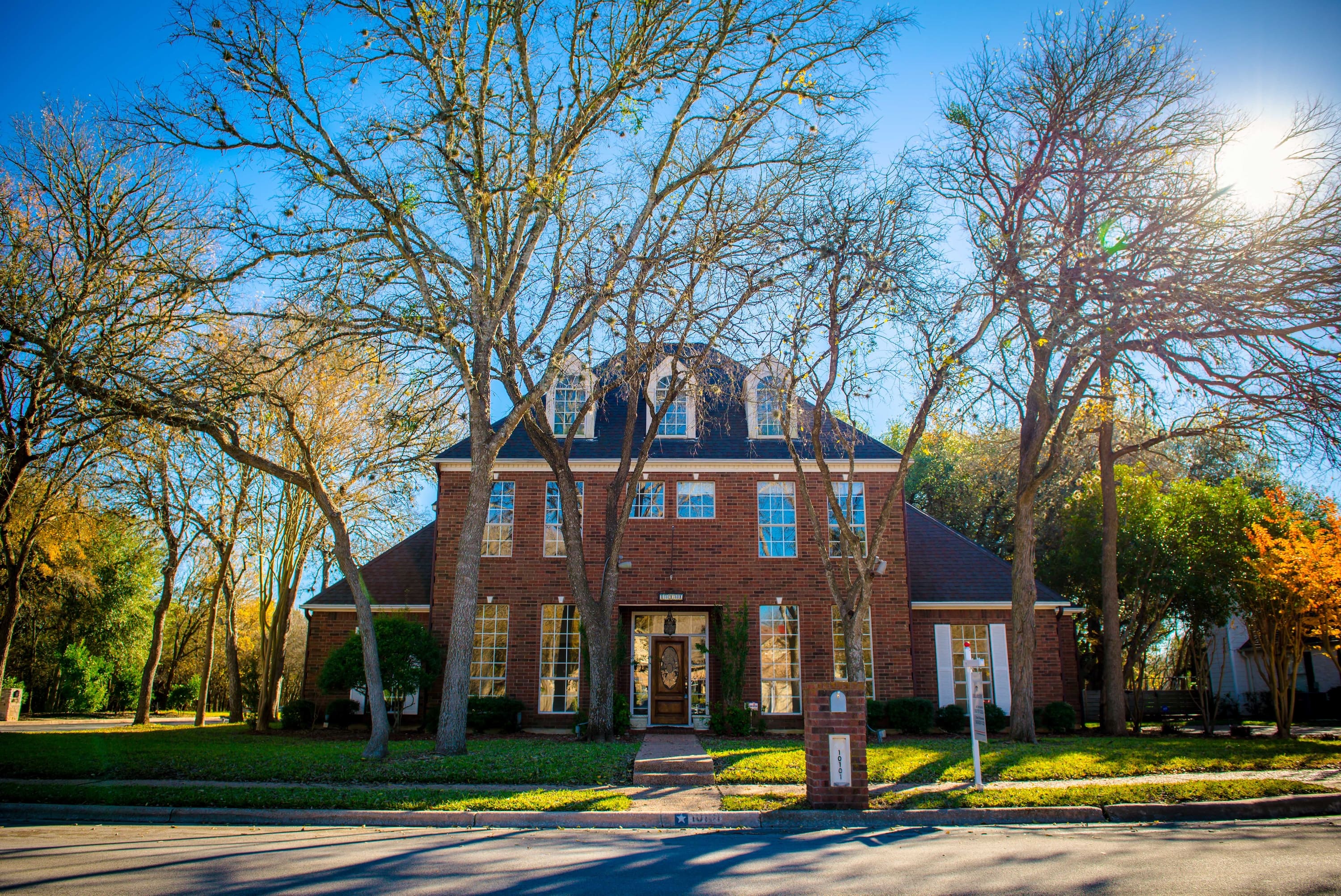
Onion Creek is a well-established south Austin community that delivers a winning combination of suburban comfort, golf course living, and convenient access to downtown Austin. Centered around the Onion Creek Club and its acclaimed 27-hole golf course, this neighborhood offers a lifestyle that blends recreation, community, and value in one of Austin's most appealing southern corridors. With a median home price around $420,000, Onion Creek provides a quality living experience with easy access to I-35 and the broader metro area.
Onion Creek's real estate market offers solid value for a well-located south Austin neighborhood. The median home price of approximately $420,000 places it in an accessible range for many buyers, with homes available from the mid-$300s to over $700,000 for properties along the golf course. The neighborhood features a mix of established single-family homes built from the 1970s through the 2000s, with styles ranging from traditional ranch homes to updated contemporary designs. Many properties back up to the golf course or mature green spaces, providing scenic views and a sense of openness that's increasingly rare this close to the city center.
Onion Creek is served by Austin Independent School District, with students attending schools including Blazier Elementary, Paredes Middle School, and Akins High School. Akins High School is notable for its academy model, offering specialized programs in STEM, arts and humanities, business leadership, and other career pathways. The district continues to invest in facilities and programming across south Austin campuses. Several charter and private school options are also accessible from the neighborhood.
Onion Creek residents enjoy convenient access to the Southpark Meadows shopping district, which offers over 100 stores and restaurants just minutes from the neighborhood. Closer to home, local favorites provide diverse dining options from Vietnamese cuisine to barbecue to Indian food. The Onion Creek Club serves as a social anchor for the community, with dining facilities, fitness amenities, and regular events that bring neighbors together. Downtown Austin's celebrated food and entertainment scene is just 15 to 20 minutes north via I-35.
Outdoor recreation is a defining feature of Onion Creek. The Onion Creek Metropolitan Park is a 555-acre treasure offering hiking trails, sports fields, and off-leash dog areas along the tree-lined creek corridor. The Onion Creek Club adds a 27-hole championship golf course designed by Jimmy Demaret, along with a community pool, tennis courts, and a fitness center. Lauren Park and Sullivan Park provide additional neighborhood green spaces for casual recreation. The rolling terrain and mature trees throughout the community create a naturally beautiful environment for outdoor enjoyment year-round.
Onion Creek's housing stock is primarily single-family homes on comfortable suburban lots, with a range of sizes and styles that appeal to different buyers. You'll find well-maintained homes from the 1970s and 1980s alongside newer construction, with many properties offering three to four bedrooms and two-car garages. Golf course homes command higher prices for their views and direct course access. The neighborhood's mature landscaping and established character give it a settled, welcoming feel that newer developments often lack. For buyers seeking a community with genuine roots and recreational amenities, Onion Creek delivers beautifully.
Onion Creek sits along the I-35 corridor in south Austin, providing direct access to downtown in approximately 15 to 20 minutes. SH 71 is also nearby, connecting to Austin-Bergstrom International Airport in about 10 minutes, one of the shortest airport commutes in the metro area. Capital Metro bus routes serve the area, including connections at the nearby Southpark Meadows Park and Ride. The neighborhood's south Austin location also provides easy access to San Marcos, New Braunfels, and the Hill Country for weekend getaways.
Onion Creek offers the south Austin lifestyle at its best: a mature, recreation-rich community with golf course living, a massive metropolitan park, and the kind of neighborhood character that comes from decades of established roots. Add in convenient I-35 access, proximity to the airport, and solid value for the dollar, and you have a community that checks a lot of boxes. If south Austin's combination of recreation, convenience, and community appeals to you, I'd love to show you around Onion Creek.
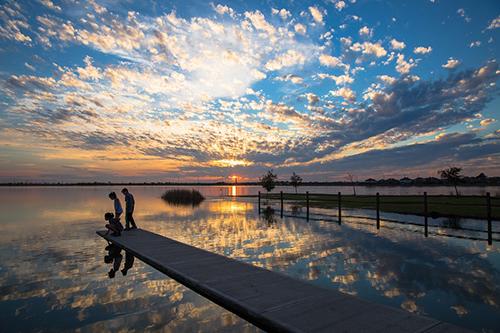
Named after German settler Henry Pfluger in the 1860s, Pflugerville has grown from a small farming community into one of the most sought-after suburbs in the Austin metro. Travel + Leisure named Pflugerville the second-best place to live in Texas, and it is easy to see why. Situated just north of Austin, Pflugerville blends small-town warmth with big-city access: top-rated schools, an expanding trail system, and home prices that deliver genuine value compared to central Austin.
Pflugerville's housing market remains one of the most accessible in the Austin metro. The median home price currently sits around $370,000, making it a strong option for buyers who want more square footage without paying Austin prices. Homes range from affordable options in the mid-$200s to new construction pushing toward $700,000 in communities like Falcon Pointe, Blackhawk, and Avalon. The market has shifted in favor of buyers, with homes spending more time on the market and sellers more willing to negotiate. Whether you are a first-time buyer or looking to upsize, Pflugerville delivers value that is hard to match this close to Austin.
Pflugerville is currently in balanced-to-buyer's market territory. Inventory has increased significantly, with over 580 homes available for sale, up roughly 36% from the prior year. Homes are spending a median of about 90 days on the market, compared to around 60 days a year ago. The median sale price per square foot is approximately $181, and the overall median closed price has been landing between $346,000 and $390,000 depending on the month. For buyers, this means more negotiating power, more selection, and less pressure to make snap decisions. Sellers who price competitively and present their homes well are still moving properties. But the days of multiple offers within hours are behind us in this market.
Pflugerville is served by the Pflugerville Independent School District, which has earned recognition for its commitment to academic excellence and career-readiness programs. The district serves over 25,000 students across multiple campuses, including highly rated elementary schools and strong high school programs with advanced placement and dual-enrollment opportunities. Education is a top reason buyers choose Pflugerville, and the district continues to invest in STEM curriculum and state-of-the-art facilities.
State Highway 130 has become the backbone of Pflugerville's growth story. The high-speed toll corridor connecting San Antonio to Georgetown has attracted major commercial and residential development to the city's eastern side. A new 127,000-square-foot H-E-B grocery store at the corner of East Pflugerville Parkway and SH 130 is bringing amenities that were previously absent from that part of the community. Baylor Scott & White Medical Center in Pflugerville is working to expand its facility, adding healthcare capacity as the population grows.
On the residential side, Carmel East, a major new master-planned community, is expected to bring approximately 1,000 new homes to the area. Builders are targeting a range of price points, from entry-level single-family homes to larger executive-style properties. The east side of Pflugerville is where the most active new construction is happening, and infrastructure improvements are keeping pace with the growth. Over the last decade, Pflugerville's population increased from roughly 55,000 to nearly 80,000, and the trajectory shows no signs of slowing.
Pflugerville's dining and entertainment scene has matured into something special. Stone Hill Town Center serves as the community's main gathering spot, with a mix of local restaurants, retail shops, and services. Typhoon Texas waterpark is a seasonal favorite with massive slides, a lazy river, and a wave pool. The city's nightlife has grown as well, with live music venues and sports bars keeping the energy going after dark. Pflugerville often gets its own outpost of popular Austin restaurants, meaning you can enjoy great food without the drive downtown.
Known as the Trail Capital of Texas, Pflugerville boasts over 56 miles of hike-and-bike trails connecting neighborhoods to parks, schools, and retail centers. Lake Pflugerville is a 180-acre reservoir perfect for kayaking, fishing, paddleboarding, and lakeside picnics. The three-mile trail circling the lake is one of the most popular routes in the city. Gilleland Creek Park offers playgrounds, sports fields, and open green space, while the Pflugerville Recreation Center provides a swimming pool, fitness facilities, and community programming year-round.
The city continues to invest in its trail network, with connections planned between existing parks and new developments. The Northeast Metro Park, a regional sports complex, adds tournament-level athletic facilities including multi-use fields, a competition pool, and an indoor recreation center. For those who prefer a quieter pace, the Heritage Park area along Gilleland Creek provides shaded walking paths and picnic areas surrounded by native landscaping.
Pflugerville's housing stock is predominantly single-family homes within well-designed master-planned communities. Falcon Pointe, Blackhawk, and Avalon offer resort-style amenities including community pools, playgrounds, and walking trails. Newer developments feature energy-efficient construction with open floor plans and modern finishes. Townhomes and condos are becoming more available for buyers seeking lower maintenance. With new construction from major builders and a healthy resale market, the options are broad and varied.
Pflugerville's master-planned communities each have their own personality. Falcon Pointe, on the city's northeast side, is one of the largest and most established: multiple pool complexes, sport courts, miles of internal trails, and a range of home sizes from 1,500 to over 3,500 square feet. Blackhawk is known for its golf course, mature landscaping, and larger lot sizes that appeal to buyers looking for more elbow room. Avalon, closer to SH 130, features newer construction with modern floor plans and competitive pricing for new builds.
Sorento and Meadows of Blackhawk fill the mid-range, with well-maintained homes typically priced in the $350,000 to $450,000 range. For buyers looking at entry-level pricing, neighborhoods like Highland Park and Cambridge Estates offer solid options in the mid-$200s to low $300s. Each community has its own HOA structure and amenity package, so the details matter. Reach out and I can walk you through the specifics of any subdivision.
Pflugerville sits about 20 to 25 minutes northeast of downtown Austin, with easy access via I-35, SH 130, and US 290. Rush hour can extend that commute to 35 to 45 minutes, though many residents find that local employment options, including Dell, Samsung, Applied Materials, Tesla, and a growing roster of tech companies, reduce the need for a downtown commute. The SH 130 corridor has become a major employment center in its own right, with distribution, manufacturing, and technology companies establishing operations along the route.
Austin-Bergstrom International Airport is roughly 30 minutes away, and the SH 130 toll road provides a quick bypass around I-35 congestion. For day-to-day errands, most of what you need, including grocery stores, medical offices, gyms, and restaurants, is within a 10-minute drive from any Pflugerville neighborhood.
Property taxes in Pflugerville are typical for the Austin metro. Expect a combined rate in the range of 2.0% to 2.3% of assessed value depending on your specific taxing jurisdictions, which include Travis or Williamson County, the city, the school district, and any applicable utility or emergency services districts. While that rate is not low, it is offset by the lower purchase prices compared to Austin proper. A $370,000 home in Pflugerville carries a significantly smaller annual tax bill than a $600,000 home inside Austin city limits, even if the tax rate is similar. Texas has no state income tax, which further enhances the overall cost-of-living picture for homeowners here.
Pflugerville offers something increasingly rare in Central Texas: genuine affordability paired with a high quality of life. With top-rated schools, an unmatched trail system, a growing dining scene, and proximity to Austin's major employers, it checks boxes for buyers and investors alike. The community is growing thoughtfully, adding amenities without losing its neighborly character. The current buyer's market means you have time to find the right home at the right price. And with new development still expanding the inventory, the options keep getting better. Ready to explore Pflugerville? Let me show you what is available.

Rob Roy is one of Austin's most prestigious luxury communities, offering expansive estate-style living on wooded, rolling acreage in the heart of the Westlake area. With homes ranging from $700,000 to well over $5 million and lot sizes of one to five acres, Rob Roy delivers the kind of privacy, space, and natural beauty that define premier Hill Country living, all within 15 minutes of downtown Austin. If your vision of home includes gated privacy, mature hardwoods, and Eanes ISD schools, Rob Roy belongs at the top of your list.
Rob Roy's real estate market sits firmly in the luxury tier, with a median home price around $3 million. Homes range from approximately $700,000 for properties in need of updating to well over $5 million for premier custom estates. The community encompasses several distinct sections: Rob Roy, Rob Roy on the Lake, Rob Roy West, and Rob Roy on the Creek. Each offers slightly different characteristics and price points. Home sizes range from 2,500 to over 9,000 square feet, set on generous one- to five-acre lots with mature tree canopies and Hill Country views. Many sections feature gated entries with private security, adding an extra layer of exclusivity.
Rob Roy's location within the Eanes Independent School District is one of its most compelling features. Eanes ISD is consistently ranked among the top five school districts in Texas, and students from Rob Roy typically attend Valley View Elementary, Westridge Middle School, and the nationally ranked Westlake High School. The district is renowned for its rigorous academics, exceptional college placement rates, and comprehensive extracurricular programs. For buyers who prioritize educational excellence, Rob Roy's Eanes ISD access is a significant driver of the community's enduring value.
Rob Roy's Westlake location provides easy access to upscale dining and shopping in nearby Bee Cave, the Hill Country Galleria, and along the Bee Cave Road corridor. The community's proximity to Barton Creek Resort and Country Club adds championship golf and resort-style amenities to the lifestyle equation. Despite its secluded feel, Rob Roy is just 15 minutes from downtown Austin's celebrated restaurant scene, live music venues, and cultural attractions. The combination of estate-level privacy and urban accessibility is what makes Rob Roy uniquely appealing.
Outdoor living in Rob Roy means enjoying the natural beauty of the Texas Hill Country right outside your door. The Barton Creek Greenbelt is accessible from the area, offering miles of hiking and mountain biking trails, swimming holes, and stunning limestone cliffs. Wild Basin Wilderness Preserve nearby provides guided nature walks and pristine Hill Country hiking. Many Rob Roy properties feature private pools, outdoor kitchens, and extensive landscaping that take full advantage of the area's natural beauty. The community's wooded lots and rolling terrain create a park-like setting where deer sightings are a daily occurrence.
Rob Roy's housing is exclusively high-end, custom-built single-family estates. You'll find a range of architectural styles, from traditional Hill Country stone to contemporary glass-and-steel designs, all built to exacting standards on generous acreage. Private pools, outdoor living areas, and multi-car garages are standard features. Many homes offer panoramic Hill Country views, creek frontage, or lake access depending on the specific section. The community's large lots ensure privacy and space between neighbors, creating a retreat-like atmosphere that's hard to find this close to a major city.
Rob Roy connects to the broader Austin area primarily via MoPac Expressway (Loop 1) and Loop 360 (Capital of Texas Highway). Downtown Austin is approximately 15 minutes away, and the Bee Cave commercial corridor is even closer for daily shopping and dining needs. The community is car-dependent, but the proximity to major roads makes commuting straightforward in multiple directions. Austin-Bergstrom International Airport is approximately 25 to 30 minutes south.
Rob Roy represents the pinnacle of luxury Hill Country living within reach of urban Austin. It's a community where acres of wooded privacy come with Eanes ISD zoning, and where you can still be downtown for a meeting or dinner in 15 minutes. If estate-level luxury in a gated, natural setting appeals to you, I'd love to introduce you to Rob Roy.
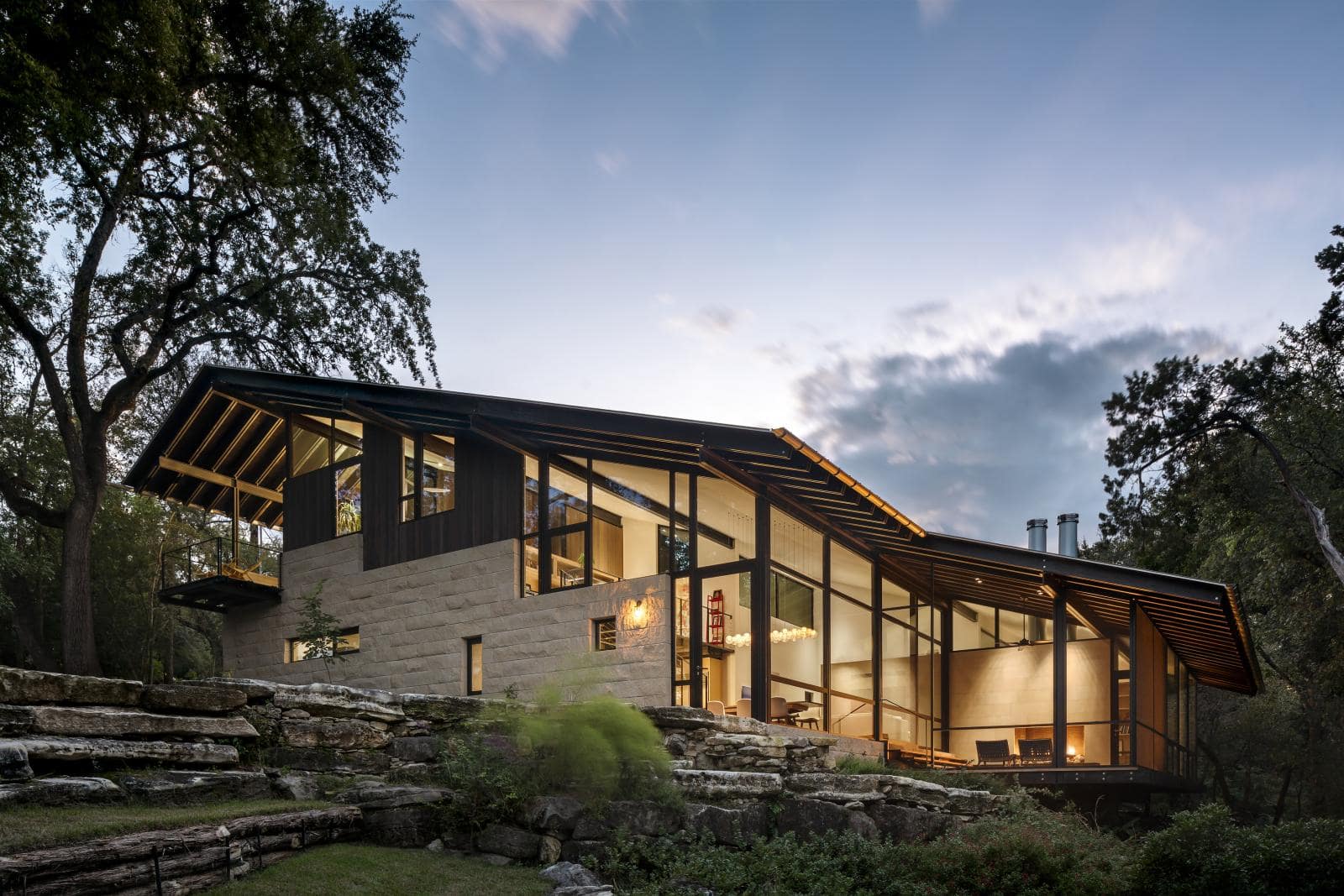
Rollingwood is one of Austin's most sought-after and desirable communities: an independent city nestled between MoPac Expressway and Lady Bird Lake that offers premier living within the acclaimed Eanes Independent School District. With a median home price between $2.3 and $3 million, Rollingwood attracts buyers who value top-tier schools, a serene residential setting, and one of the most convenient locations in the Austin metro area. This is where understated luxury meets effortless accessibility.
Rollingwood's real estate market is firmly in the luxury tier. The median home price ranges from approximately $2.3 to $3 million depending on the period, with homes available from around $1.5 million to over $10 million for the most exceptional properties. The market features a mix of well-maintained mid-century homes that have been updated over the decades alongside newer custom construction that reflects contemporary design sensibilities. Rollingwood's status as an independent city gives it a distinct identity and governance, which many residents value for the community-oriented approach to local services and planning.
Education is at the heart of Rollingwood's appeal. The community sits within the Eanes Independent School District, consistently rated among the very best in Texas. Students attend Rollingwood Elementary, Hill Country Middle School, and the nationally ranked Westlake High School. Eanes ISD is known for rigorous academics, outstanding extracurricular programs, and exceptional college placement. Rollingwood's combination of top-rated schools and intimate community setting makes it one of the most desirable neighborhoods in the Austin area.
Rollingwood's compact, residential character means its dining and shopping are found in nearby commercial areas, and there's no shortage of options. The Rollingwood Plaza features local favorites like Pizza Nizza and Bistro 88, a beloved family-owned Asian fusion restaurant. Bee Cave Road connects to a wealth of dining and retail, from Trader Joe's and H-E-B to upscale restaurants. The Hill Country Galleria in nearby Bee Cave adds high-end shopping, dining, and entertainment. Downtown Austin's legendary food scene and live music venues are just 10 to 15 minutes away, giving Rollingwood residents the best of both worlds: quiet residential living with urban amenities at arm's length.
Despite its compact footprint, Rollingwood offers wonderful outdoor living. The community's location along Lady Bird Lake provides access to one of Austin's most treasured recreational resources, including the Ann and Roy Butler Hike-and-Bike Trail for running, walking, and cycling along the waterfront. Green spaces and parks throughout the community provide additional recreation opportunities. The surrounding Hill Country landscape adds hiking, biking, and nature exploration within a short drive. Rollingwood's tree-lined streets and well-maintained properties create a naturally beautiful environment for daily outdoor enjoyment.
Rollingwood's housing stock consists primarily of single-family homes on generous lots, ranging from mid-century homes with classic character to newly built custom residences with modern amenities. Many homes have been thoughtfully renovated and expanded over the years, blending historic charm with contemporary comfort. The community's rolling topography provides many properties with scenic views and a sense of elevation. Whether you're seeking a character-rich home with renovation potential or a turnkey luxury property, Rollingwood offers quality options in a luxury setting.
Rollingwood's location is arguably its greatest practical asset. MoPac Expressway provides immediate access to both downtown Austin and the broader metro area, with the typical commute to downtown taking just 10 to 15 minutes outside of peak hours. During rush hour, the MoPac Express Lane offers a toll option for faster travel. Bee Cave Road connects to western shopping and dining destinations. Austin-Bergstrom International Airport is approximately 20 minutes south. While Rollingwood is primarily car-oriented, its central position means you're never far from anything the Austin area has to offer.
Rollingwood delivers the trifecta that Austin homebuyers covet most: Eanes ISD schools, a serene residential setting, and a location that puts downtown Austin and Lady Bird Lake within easy reach. It's a community where the pace is calm, the schools are exceptional, and the quality of life speaks for itself. If premier Austin living in an intimate, independent community appeals to you, I'd love to help you find your home in Rollingwood.
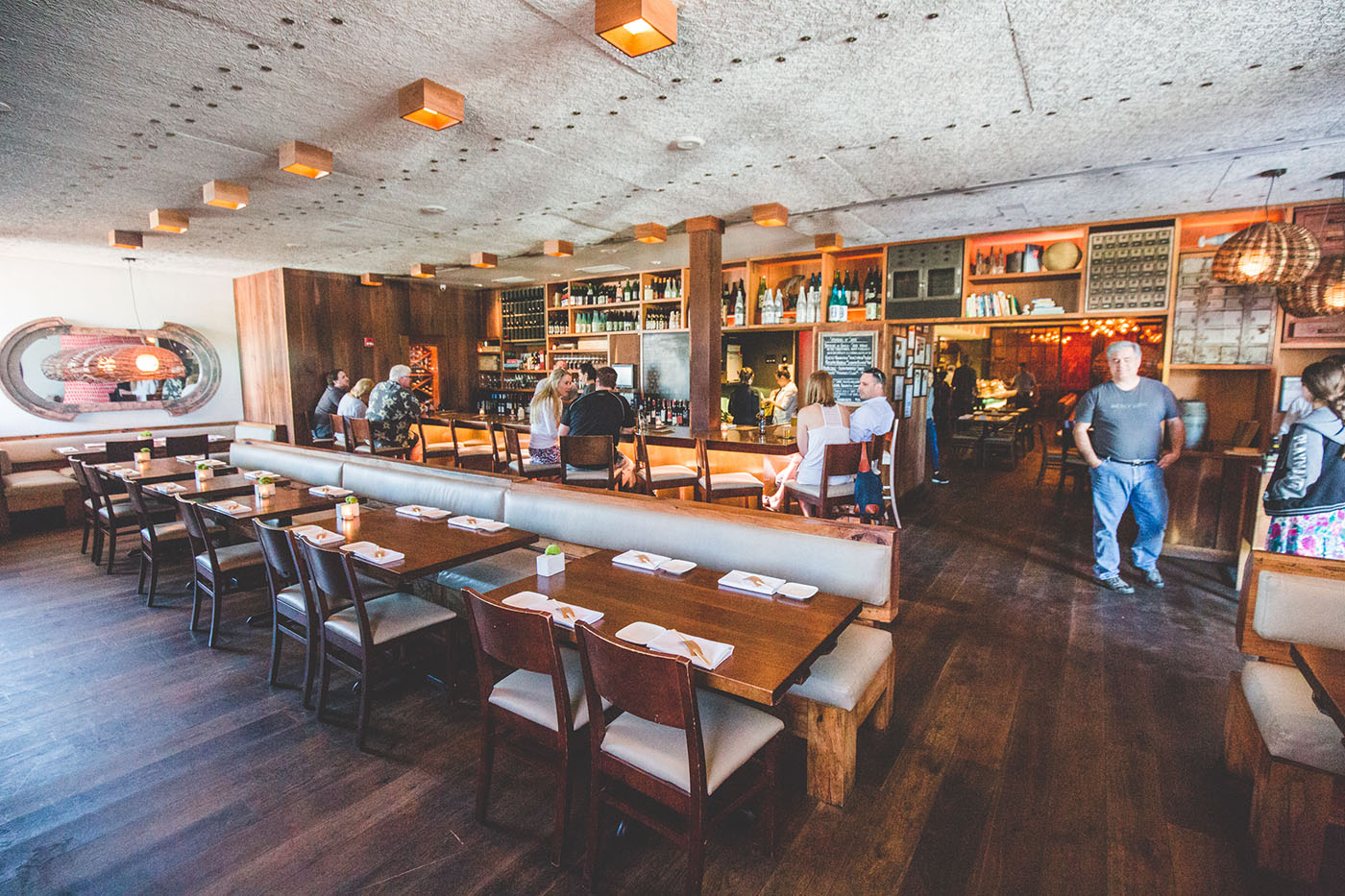
Rosedale is one of central Austin's most beloved residential neighborhoods, known for its tree-lined streets, charming mid-century homes, and a tight-knit community spirit that's become the gold standard for neighborhood living in Austin. Located just north of the UT campus and a quick 15-minute commute from downtown, Rosedale offers the kind of walkable, community-centered lifestyle that today's buyers prize above almost everything else. With a median home price around $965,000, Rosedale represents enduring value in the heart of the city.
Rosedale's real estate market reflects its status as one of Austin's most desirable central neighborhoods. The 12-month median sale price sits around $965,000, with listing prices averaging approximately $1.1 million. Homes sell in about 33 days on average, reflecting steady demand. The market features primarily vintage bungalows and cottage-style homes from the 1930s through 1950s, many with original hardwood floors, charming front porches, and the kind of architectural character that can't be replicated. Updated homes and thoughtful new construction add modern options while maintaining the neighborhood's residential character.
Rosedale is served by Austin Independent School District, with the well-regarded Rosedale Elementary at the neighborhood's center. The broader AISD system provides access to strong middle and high school options, including McCallum High School and Austin High School depending on the specific location. Rosedale School also serves as a valued community institution. The neighborhood's proximity to the University of Texas campus provides additional educational and cultural resources. Several private school options are accessible from Rosedale's central location.
Rosedale's lifestyle is defined by its walkability and community engagement. The neighborhood is known for its active community association, which organizes events including neighborhood picnics, Fourth of July celebrations, and holiday caroling that bring residents together throughout the year. Nearby dining and shopping along Burnet Road, North Lamar, and the surrounding corridors provide diverse options from casual neighborhood spots to acclaimed restaurants. The proximity to the UT campus and downtown means cultural events, live music, and world-class dining are always close at hand. Rosedale's tree-canopied streets and front-porch culture make simply being outside a daily pleasure.
Ramsey Park is the neighborhood's beloved centerpiece, offering tennis courts, a swimming pool, playgrounds, and open green space for community recreation. The Shoal Creek Greenbelt runs nearby, providing a dog-friendly three-mile trail system for hiking, jogging, and nature walks. The neighborhood's flat terrain and quiet residential streets are ideal for cycling and evening strolls. Rosedale's mature tree canopy, featuring trees dating to the 1930s and 1940s, creates a lush, park-like atmosphere throughout the entire community. For a central Austin neighborhood, the abundance of green space is exceptional.
Rosedale's housing stock is one of its greatest charms. Classic mid-century bungalows with original hardwood floors, decorative fireplaces, and inviting front porches define the neighborhood's architectural character. Many homes have been lovingly renovated with modern kitchens and updated systems while preserving their vintage appeal. Newer construction adds contemporary design options on select lots, typically featuring open floor plans and modern finishes. Lot sizes are generous by central Austin standards, and many properties feature mature landscaping and established gardens. Whether you're drawn to a character-rich original or a thoughtfully designed new build, Rosedale offers genuine variety.
Rosedale's central location is one of its strongest assets. Downtown Austin is approximately 15 minutes south by car, and the UT campus is even closer at about 10 minutes. The neighborhood's walkability and bike-friendliness make it easy to handle many daily errands without a car. Capital Metro bus routes serve the area, connecting to downtown and the broader transit network. Austin-Bergstrom International Airport is roughly 25 minutes south. For commuters, Rosedale's position near major corridors like North Lamar, Burnet Road, and MoPac means multiple route options in every direction.
Rosedale is central Austin at its finest: a neighborhood where community events bring neighbors together, where tree-shaded streets invite evening walks, and where charming homes carry the character of decades of thoughtful stewardship. It's the kind of place where you'll know your neighbors by name and where the quality of everyday life is simply outstanding. If you're looking for central Austin living with genuine heart and lasting value, I'd love to help you find your place in Rosedale.

Round Rock is one of the fastest-growing cities in Texas and one of the most sought-after communities in the Austin metro. Just 20 miles north of downtown, Round Rock offers an ideal blend of suburban living, excellent schools, and a thriving local economy anchored by Dell Technologies' world headquarters. From legendary Round Rock Donuts to minor league baseball under the lights at Dell Diamond, this city has carved out an identity all its own.
Round Rock's housing market is one of the most accessible in the Austin metro, with median home prices currently in the $390,000 to $410,000 range. The market has shifted toward buyers in recent months, creating opportunities for negotiation and value. Homes range from affordable starter properties in the mid-$200s to custom estates exceeding $600,000 in communities like Teravista, Forest Creek, and Behrens Ranch. New construction remains active with major builders offering modern floor plans and energy-efficient features.
The Round Rock Independent School District (RRISD) is one of the largest and most respected in Texas, serving over 46,000 students across 56 campuses. Five RRISD high schools earned spots on the 2025 AP School Honor Roll, and Cactus Ranch Elementary is the only school in the Austin area to rank in the state's top 25. With seven high schools including Cedar Ridge, McNeil, and Westwood, the district offers excellent options at every level. RRISD's commitment to academic excellence and STEM programs is a major draw for buyers.
No visit to Round Rock is complete without a stop at Round Rock Donuts, serving their famous Texas-sized glazed donuts since 1926. The Salt Lick BBQ on Palm Valley Boulevard is another institution, one of the most celebrated barbecue spots in Central Texas. For a more upscale experience, Blue Corn Harvest Bar and Grill offers farm-to-table Southwestern cuisine. The dining scene continues to grow with new restaurants and craft cocktail bars opening regularly, especially around the new District development at I-35 and SH 45.
Round Rock boasts over 2,270 acres of parkland and more than 20 miles of hike and bike trails. Old Settlers Park spans an impressive 640 acres and features trails, disc golf, and athletic fields. The Brushy Creek Trail provides 6.75 miles of paved paths perfect for runners and cyclists. Play for All Abilities Park is a nationally recognized inclusive playground that welcomes visitors of all ages and abilities. The parks system here is exceptional and continues to expand.
Round Rock is home to the Round Rock Express, the Triple-A affiliate of the Texas Rangers. Dell Diamond is an 8,600-seat venue that hosts baseball games, concerts, and community events throughout the year, complete with a Home Run Dugout, pool and spa, and a Family Fun Zone. Beyond baseball, the city's entertainment options are expanding rapidly with The District, a 66-acre mixed-use development that broke ground in March 2025 featuring 150,000 square feet of retail and restaurant space, 1,500 residential units, and a walkable urban-style center.
Round Rock offers one of the most diverse housing markets in the region. Master-planned communities like Teravista, Forest Creek, and Brushy Creek provide traditional single-family living with resort-style amenities. New townhome developments are emerging for buyers seeking lower maintenance, and mixed-use projects are adding high-density options. Whether you are a first-time buyer, looking for more square footage and a larger yard, or an investor, Round Rock's variety and value are hard to beat.
Round Rock sits about 20 to 25 miles north of downtown Austin along the I-35 corridor, with a typical commute of 30 to 45 minutes. The SH 45 bypass provides an alternative route during heavy traffic. However, with Dell Technologies headquartered locally and a growing commercial base, many residents work close to home. The upcoming District development is further reducing the need for a downtown commute by bringing retail, dining, and employment opportunities right to Round Rock's doorstep.
Round Rock delivers the full package: top-tier schools, affordable homes, world-class employers, and a community that knows how to have fun. It is a city that has outgrown its suburb status and become a destination. If you want the best of Central Texas without the Austin price tag, Round Rock deserves your attention. Let me help you find your place here.
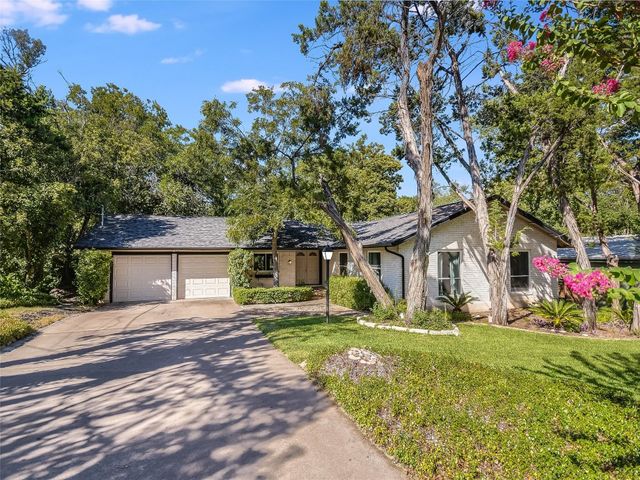
The Rundberg area in north-central Austin is one of the city's most centrally located corridors, and one of the few places you can still buy a home in the $300,000s this close to downtown. Stretching along Rundberg Lane between I-35 and Burnet Road, this urban neighborhood delivers real value, an exceptional restaurant scene, and a location that keeps drawing investment.
Rundberg spans two zip codes, and they are not the same market. Recent Unlock MLS figures put the median sale around $370,000 in 78758, west of I-35 toward Burnet, and around $338,000 in 78753 on the east side. Both sit well below the City of Austin median, which is the entire reason to look here. Those are zip-level numbers across all property types, and the Rundberg Lane corridor is a slice of each, so treat them as a starting point and ask me for comps on the specific block.
One thing the numbers reveal that most buyers miss: the cheaper zip is not the easier one to buy in. Inventory has been running tighter east of I-35 than west of it, so 78753 can be more competitive despite the lower median. Properties in both zips have also been closing slightly under asking, which means there is usually room to negotiate if you know what the comps support.
Here is the other thing most listings won't tell you: Rundberg is duplex-heavy, and that shapes who you are competing with. A large share of the activity here is investors buying two-unit properties for the rental math, not owner-occupants buying a house to live in. If you are an owner-occupant, expect to bid against people running spreadsheets. If you are the investor, know that plenty of others found this corridor before you.
That also makes Rundberg one of the more interesting places in Austin to think about density. The HOME Initiative changed what many lots can legally hold, and on a corridor already built around duplexes, that math is worth running before you write an offer. I broke down the current rules in my Austin zoning guide. Send me an address and I will tell you what the lot allows.
Beyond duplexes, the housing stock includes single-family homes built primarily from the 1970s through the 1990s, along with condominiums, townhomes, and apartment complexes. For buyers who value convenience and connectivity over suburban sprawl, Rundberg offers walkable, transit-accessible living at price points that are getting harder to find this close in.
The Rundberg area is served by Austin Independent School District, with Guerrero Thompson Elementary School located right on Rundberg Lane. The AISD system provides access to middle and high school options throughout the district, with bus transportation available for eligible students. Charter and alternative school options are also accessible from the neighborhood. Campus assignments vary by address, so confirm the zoning for any specific home before you commit to it.
Rundberg's dining scene is one of its real strengths. The corridor has become one of Austin's most exciting destinations for cooking from around the world. From Vietnamese pho shops and Korean barbecue to Ethiopian restaurants and Mexican taquerias, the range of food along Rundberg Lane rivals anywhere in Austin. Local shops and services along the corridor serve the daily needs of the community, and the area's urban density creates a walkable environment for errands and exploration. Ongoing investment in the corridor is bringing new businesses to the area.
The Rundberg area offers access to neighborhood parks and recreational spaces that provide green relief in the urban environment. Walking and biking infrastructure connects the area to the broader Austin cycling network. The neighborhood's central location means that larger parks and natural areas throughout Austin are within a reasonable drive. Community gardens and gathering spaces add to the neighborhood's outdoor amenities. The relatively flat terrain makes cycling a practical transportation option for many residents.
Housing in the Rundberg area spans a wide range of types and price points. Duplexes are a defining feature of the corridor, alongside single-family homes on residential streets, apartment complexes ranging from small to large, condominiums, and multi-family properties. That variety makes this one of Austin's most accessible neighborhoods for buyers and renters across different budgets. Many of the single-family homes offer renovation potential on lots that are well-sized for the area.
Rundberg's central north Austin location provides excellent connectivity to the rest of the city. I-35 runs through the area, providing direct access to downtown Austin in approximately 15 minutes. Burnet Road and North Lamar Boulevard offer alternative north-south routes. Capital Metro bus routes serve the corridor extensively, making public transit a viable option for daily commuting. The area's urban density and relatively flat terrain support walking and cycling for local trips. Austin-Bergstrom International Airport is approximately 20 minutes south via I-35.
Rundberg offers something that's becoming rare in central Austin: a median under $400,000 in a location that's minutes from downtown. Add in some of the city's most exciting food, a duplex-heavy housing stock that rewards people who understand the zoning, and the kind of urban energy that makes a neighborhood feel alive, and you have a corridor with real appeal for buyers and investors alike, priced below the Austin median. If that sounds like your kind of deal, I'd love to help you explore it.

San Marcos is a vibrant Hill Country city that's rapidly becoming one of the most popular places to live between Austin and San Antonio. Home to Texas State University and the crystal-clear San Marcos River, this growing city combines college-town energy, natural beauty, and genuine affordability in a package that appeals to first-time buyers, move-up buyers, and investors alike. With a median home price around $365,000 and a strategic location along the I-35 corridor, San Marcos offers outstanding value with strong growth momentum.
San Marcos' real estate market offers remarkable accessibility compared to Austin's higher price points. The median single-family home price sits around $365,000, with options ranging from condos in the low $200s to established homes in desirable neighborhoods like Willow Creek, Blanco Gardens, Hunter's Hill, and Heritage that reach into the $500s and beyond. Downtown San Marcos homes average around $385,000, while the Rio Vista area offers entry points as low as $220,000. The market includes a healthy mix of new construction, established single-family homes, and investment properties that benefit from the steady demand generated by Texas State University's 40,000-plus students.
San Marcos is served by San Marcos Consolidated Independent School District, which offers strong educational options across the community. Blanco Vista Elementary has earned recognition as one of the area's highest-performing schools. San Marcos Baptist Academy provides a well-regarded private option, and Hill Country Christian School offers another alternative. The district's transportation department provides school bus service for eligible students. The presence of Texas State University adds a wealth of educational and cultural resources to the broader community.
San Marcos' lifestyle blends college-town vibrancy with genuine Hill Country charm. The historic downtown square features live music venues like the legendary Cheatham Street Warehouse and The Marc, along with locally owned restaurants, shops, and galleries. Palmer's Restaurant serves Hill Country cuisine in a beautiful courtyard setting, while Root Cellar Cafe has become a local institution for farm-to-table dining. The San Marcos Premium Outlets and Tanger Outlets draw shoppers from across the region. Texas State University adds concerts, sporting events, and cultural programming that enrich the community year-round.
San Marcos is blessed with some of the most beautiful natural recreation in Central Texas. The San Marcos River, fed by crystal-clear springs, offers world-class kayaking, paddling, swimming, and glass-bottom boat tours right in town. Purgatory Creek Natural Area provides over 1,000 acres of hiking trails through pristine Hill Country terrain. Five Mile Dam Park offers river access, fishing, and picnic areas along a scenic stretch of the San Marcos River. The Blanco River adds additional waterfront recreation on the east side of town. For outdoor enthusiasts, San Marcos rivals any community in the region for natural beauty and recreational access.
San Marcos offers housing across a wide spectrum of styles and budgets. Downtown features historic homes with character and charm. Established neighborhoods provide traditional single-family homes with mature landscaping. Newer master-planned communities offer modern construction with community amenities. The investment market is active, with condos and smaller properties serving the university population. For those seeking more space, ranch and acreage properties are available on the outskirts. This diversity makes San Marcos accessible to virtually every type of buyer, from first-time purchasers to seasoned investors.
San Marcos sits along the I-35 corridor, providing direct access to Austin (about 32 minutes north) and San Antonio (about 45 minutes south). A direct bus service connects San Marcos to downtown Austin, and the Interurban Coach Gold Route provides weekday commuter service to Southpark Meadows and central Austin. Amtrak train service connects San Marcos to Austin with one daily trip. The city's municipal bus system serves local routes, and the "Get Around Downtown" shuttle program provides easy access to the city center. Austin-Bergstrom International Airport is approximately 35 minutes north.
San Marcos delivers an exceptional quality of life: crystal-clear rivers, live music on the town square, Hill Country beauty, and genuine affordability in one of the fastest-growing corridors in Texas. Whether you're drawn by the value, the lifestyle, or the investment potential, San Marcos has something compelling to offer. If Hill Country living between Austin and San Antonio appeals to you, I'd love to help you find your home in San Marcos.
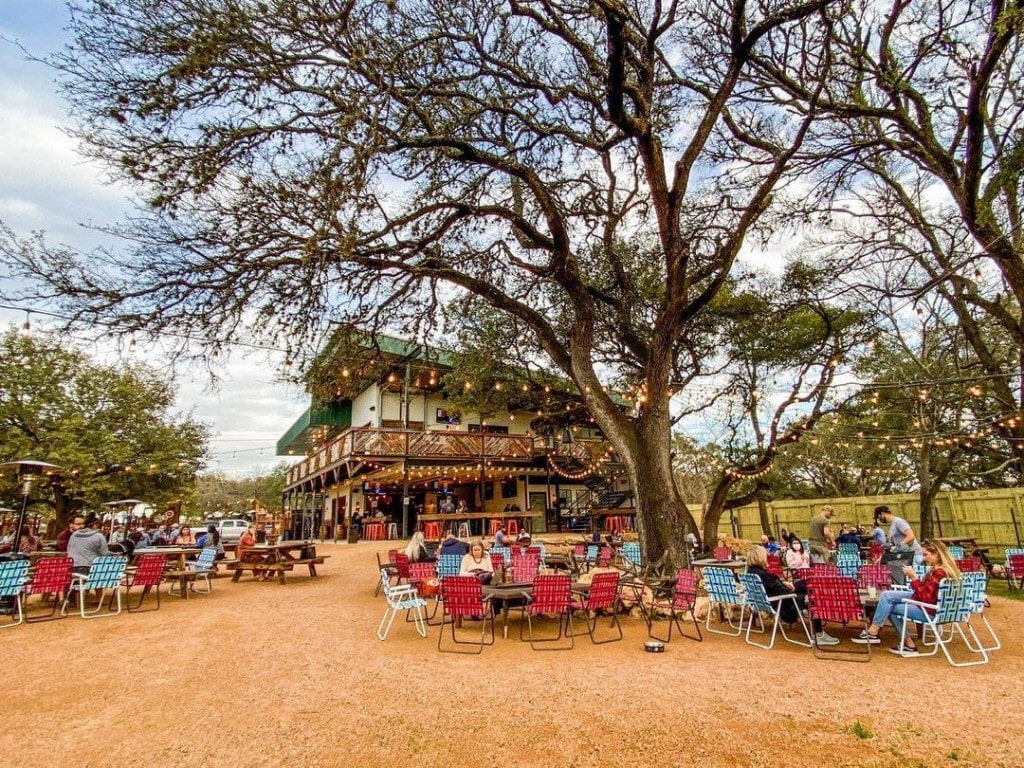
Shady Hollow is one of southwest Austin's most established communities, offering a quiet, nature-rich environment with access to strong schools and a genuine neighborhood atmosphere. The community encompasses six distinct sections: Shady Hollow, Shady Hollow West, Shady Hollow Estates, Southland Oaks, Barker Ranch, and Shady Hollow Gardens. Its well-maintained homes sit on generous lots surrounded by mature trees and community green spaces. With a median home price around $635,000, Shady Hollow delivers quality southwest Austin living with character and value.
Shady Hollow's real estate market features solid, well-built homes at prices that represent strong value for southwest Austin. The 12-month median home price of approximately $635,000 has remained relatively stable, reflecting the neighborhood's steady desirability. Homes range from around $450,000 for smaller properties to over $900,000 for larger estates in the higher-priced sections. The housing stock spans from the 1980s through more recent construction, with most homes featuring stone or brick exteriors in traditional or ranch styles. Home sizes typically range from 1,500 to over 4,000 square feet, set on lots of 0.3 to 0.5 acres that provide genuine space and privacy.
Education is one of Shady Hollow's strongest assets. The community is served by Austin ISD, with access to highly rated schools including Baranoff Elementary, Kocurek Elementary, and Menchaca Elementary at the primary level. Bailey Middle School provides a strong intermediate option, and Bowie High School, one of the largest and most comprehensive high schools in Austin, offers over 50 advanced honors courses and a wide range of extracurricular programs. Akins High School is also available as an alternative. The quality of schools accessible from Shady Hollow is a primary reason buyers choose to put down roots here.
Shady Hollow offers a quiet, residential atmosphere that prioritizes community and quality of life over commercial activity. The neighborhood's southwest Austin location provides convenient access to dining and shopping along William Cannon Drive, Slaughter Lane, and the Southpark Meadows commercial center. For a more urban dining experience, downtown Austin is about 20 to 25 minutes north. The community's own amenities create an active neighborhood life that brings residents together throughout the year: a community center, swimming pool, and social events.
Nature is woven into the fabric of Shady Hollow. The Shady Hollow West Nature Preserve offers wooded hiking and bird-watching opportunities. Community parks including Gatling Gun Park, Capistrano Park, and Southland Oaks Neighborhood Park provide green spaces for recreation and gathering. Paved hike-and-bike trails wind through the community, connecting neighborhoods and encouraging outdoor activity. The community swimming pool, tennis courts, and basketball courts round out the recreational amenities. Wildlife sightings, including deer grazing in front yards, are a regular reminder that Shady Hollow maintains a genuine connection to the natural environment.
Shady Hollow's housing is primarily single-family homes with a mix of traditional and ranch-style architecture. Stone and brick exteriors are common, with homes featuring open floor plans, fireplaces, high ceilings, and covered patios. The six sections of the community offer slightly different characters and price points, from the more modest Shady Hollow Gardens to the larger estates in Shady Hollow Estates and Barker Ranch. Most properties include spacious backyards that back up to wooded areas or green spaces. For buyers seeking a well-established community with room to spread out, Shady Hollow offers genuine substance.
Shady Hollow sits approximately 14 miles south of downtown Austin, with commute times averaging 20 to 25 minutes depending on traffic. MoPac Expressway (Loop 1) and I-35 are both accessible for north-south travel. Capital Metro bus routes serve the area with stops along nearby corridors. Slaughter Lane and William Cannon Drive provide east-west connectivity to commercial areas and other neighborhoods. Austin-Bergstrom International Airport is approximately 15 to 20 minutes east, making air travel convenient for frequent flyers.
Shady Hollow delivers what draws buyers to southwest Austin: quality schools, mature trees, community amenities, and a neighborhood atmosphere where you know your neighbors. It's a place where deer wander through front yards, where tree-lined streets invite evening bike rides, and where the pace of life balances suburban comfort with easy city access. If established southwest Austin community living appeals to you, I'd love to help you find your home in Shady Hollow.
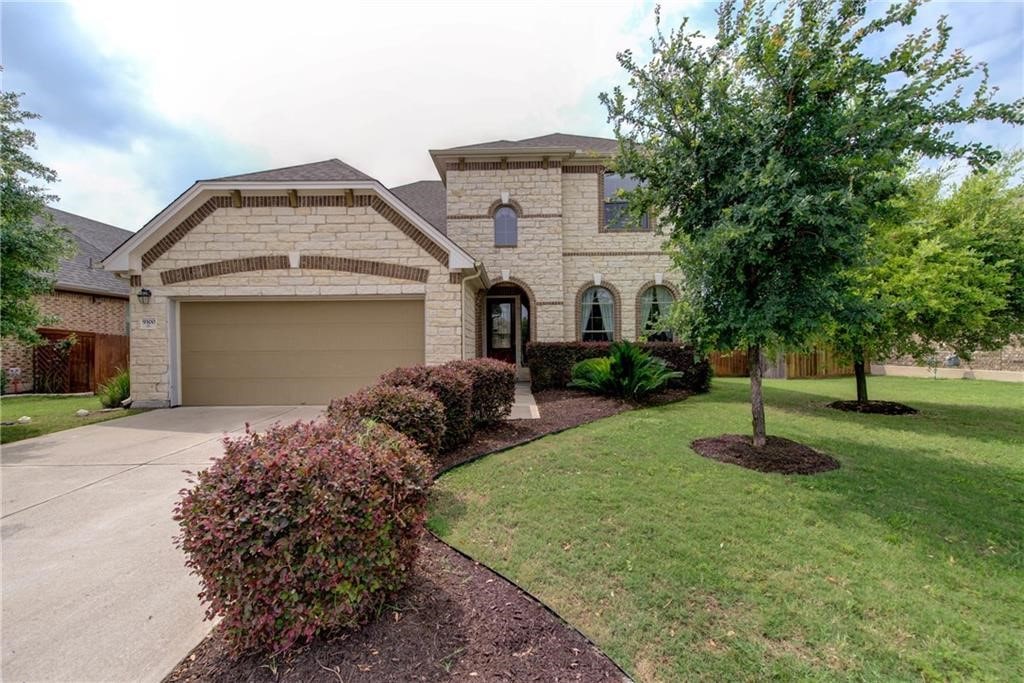
Southpark Meadows is a dynamic south Austin community anchored by one of the region's largest retail and dining destinations. Located just 10 minutes south of downtown via I-35, this neighborhood combines the convenience of having over 100 stores and restaurants at your doorstep with the comfort of well-built suburban homes at competitive prices. With an average home price around $504,000, Southpark Meadows offers a compelling value proposition for buyers who want urban convenience in a south Austin setting.
Southpark Meadows' real estate market offers competitively priced homes in a location that punches above its weight for accessibility. The average sale price of approximately $504,000 reflects the area's strong value compared to closer-in Austin neighborhoods. Homes range from the mid-$300s for starter properties to around $600,000 for larger homes on bigger lots. The housing stock features a mix of established single-family homes and newer construction, with midsize homes being the most common format. For buyers who prioritize convenience and access to retail amenities without paying central Austin prices, Southpark Meadows hits a sweet spot.
The area is served by Austin Independent School District, with students attending schools including Menchaca Elementary, Paredes Middle School, and Akins Early College High School. Akins is particularly notable for its six specialized academies offering students career-focused educational pathways: Arts and Humanities, Social Services, Business Leadership, STEM, Green Tech, and New Tech. The district continues to invest in south Austin campuses, and additional charter and private school options are accessible from the neighborhood.
The Southpark Meadows shopping center is the defining lifestyle feature of the area, offering over 100 stores and restaurants in a modern, walkable retail environment. From national restaurant chains and local favorites to grocery stores, fitness centers, and a movie theater, the commercial center provides virtually everything residents need for daily life. The convenience of having this level of retail at your doorstep is a significant quality-of-life advantage that sets Southpark Meadows apart from many south Austin neighborhoods. Downtown Austin's dining and entertainment scene is also just a short drive north.
Southpark Meadows residents have access to community parks and recreation areas within the neighborhood, as well as the broader south Austin parks system. The Mary Moore Searight Metropolitan Park is nearby, offering over 300 acres of trails, disc golf, and natural green space. The Onion Creek Metropolitan Park is also within reach for hiking and dog-walking. The relatively flat terrain of south Austin makes cycling practical, and trail connections continue to improve as the area develops. Outdoor spaces within and around the shopping center provide additional gathering areas for community enjoyment.
Southpark Meadows features primarily midsize single-family homes in a range of architectural styles. Homes typically offer three to four bedrooms with modern amenities including updated kitchens, covered patios, and two-car garages. Both established homes and newer construction are available, giving buyers options in terms of style and price point. The neighborhood's proximity to major retail makes it particularly appealing to buyers who value walkable convenience. Rental properties are also available in the area, making it accessible for those exploring the south Austin market.
Southpark Meadows benefits from excellent connectivity via I-35, which runs through the area and provides direct access to downtown Austin in approximately 10 minutes. The Southpark Meadows Park and Ride facility offers Capital Metro bus service including Routes 10, 3, and 801, connecting to downtown and the broader transit network. The Interurban Coach Gold Route provides weekday commuter service to San Marcos and Texas State University. Austin-Bergstrom International Airport is approximately 10 minutes east, making this one of the most airport-convenient neighborhoods in the metro.
Southpark Meadows offers a practical, convenience-driven lifestyle that's hard to beat in south Austin: 100-plus stores and restaurants outside your door, a 10-minute commute to downtown, easy airport access, and homes at prices that represent real value. It's the kind of neighborhood where everyday life is simply easier. If south Austin convenience and value are what you're after, I'd love to help you explore Southpark Meadows.
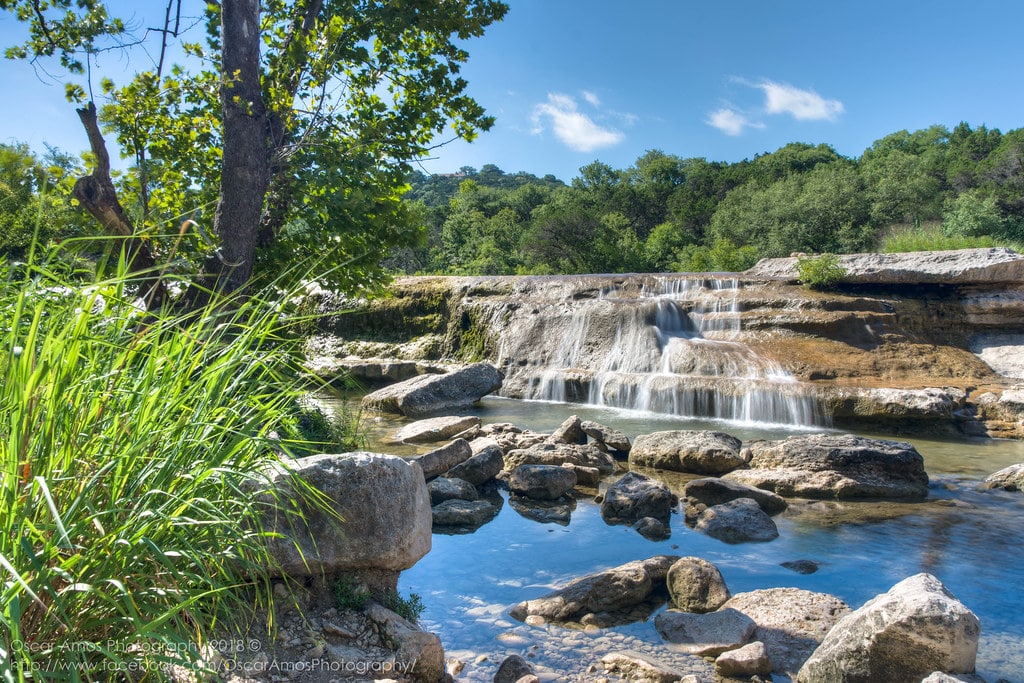
Spicewood Springs and Cat Mountain form one of northwest Austin's most scenic and desirable residential areas, perched in the hills above the city with panoramic views of the Colorado River, the Austin skyline, and the surrounding Hill Country. With over 26,000 residents spread across forested hillsides and winding streets, this community offers the rare combination of natural beauty, elevated privacy, and quick access to downtown Austin, just 10 to 15 minutes away. If hill-top living with stunning views is your vision, Spicewood Springs and Cat Mountain deliver it beautifully.
Be clear-eyed about the price point here: the 78731 median sale price sits around $1,040,000. This is a seven-figure market, not an entry-level one. Prices range widely depending on location, view, and lot size, with the top of the market well over $2 million for homes with the best panoramas. That median is zip-level across all property types, and Cat Mountain and Spicewood Springs sit at different points within it, so ask me for comps on the specific street you are considering. Inventory has been running tighter than the metro average, which means the good ones do not sit long.
The housing itself ranges from preserved mid-century properties with original character to modern estates with walls of glass framing Hill Country vistas. The area's elevated topography means many homes enjoy vantage points that simply aren't available in flatter parts of Austin.
The area is served by Austin Independent School District, and campus assignments vary by address within the community. Several well-regarded AISD campuses serve the area, and the northwest Austin location provides convenient access to schools throughout the district. Private school options are also available in the broader northwest Austin area. Because two homes on the same street can feed different campuses, confirm the zoning for any specific address before you get attached to it. Send me an address and I will run it.
Spicewood Springs and Cat Mountain's northwest Austin location puts a wealth of dining and shopping within easy reach. The nearby corridors along 360 and 183 offer a wide range of restaurants, and The Domain and Arboretum shopping destinations are a short drive away. Downtown Austin's celebrated food scene and entertainment district are just 10 to 15 minutes south. The community itself has a residential, nature-focused character: forested hills, deer wandering through yards, and Texas sunsets viewed from elevated perches. It's a lifestyle that blends the serenity of Hill Country living with genuine urban proximity.
Outdoor recreation is a way of life in Spicewood Springs and Cat Mountain. The Bull Creek Greenbelt runs along the northern edge of the community, offering a beloved swimming hole, hiking trails, and mountain biking through a limestone creek corridor. Many neighborhoods feature HOA amenities including community clubhouses, pools, tennis courts, basketball courts, playgrounds, and picnic areas, all within walking distance of most homes. The steep, forested hills that define the area provide natural trails and exploration opportunities right outside your door. The elevated terrain means stunning views and fresh breezes that make outdoor living a daily pleasure.
Homes in Spicewood Springs and Cat Mountain range from spacious single-family houses to modern luxury estates, with mid-century preserved homes adding architectural variety. The community's hilly terrain means homes are often positioned for views, with designs that take advantage of the elevation through expansive windows, multilevel layouts, and outdoor living spaces. Lot sizes vary from standard residential parcels to larger hillside properties. The mix of architectural styles reflects the community's development over several decades, creating a neighborhood that feels organic rather than planned and uniform.
Spicewood Springs and Cat Mountain connect to the broader Austin area via Spicewood Springs Road (widened to four lanes with shared-use paths, with completion expected in 2026), Loop 360 (Capital of Texas Highway), and US 183. Downtown Austin is approximately 10 to 15 minutes south via 360 or MoPac. The northwest Austin tech corridor along 183 provides convenient access to major employers. While the community is primarily car-oriented, the road improvements will improve connectivity and add bike and pedestrian infrastructure. Capital Metro transit options are available in the broader area.
Spicewood Springs and Cat Mountain offer something truly special in Austin: hilltop living with panoramic views, forested privacy, and the Bull Creek Greenbelt at your doorstep, all just minutes from downtown. It's the kind of place where you watch sunsets over the Hill Country from your back porch and still make it to dinner downtown in 15 minutes. If scenic northwest Austin living with natural beauty and urban convenience appeals to you, I'd love to help you find your home in Spicewood Springs and Cat Mountain.
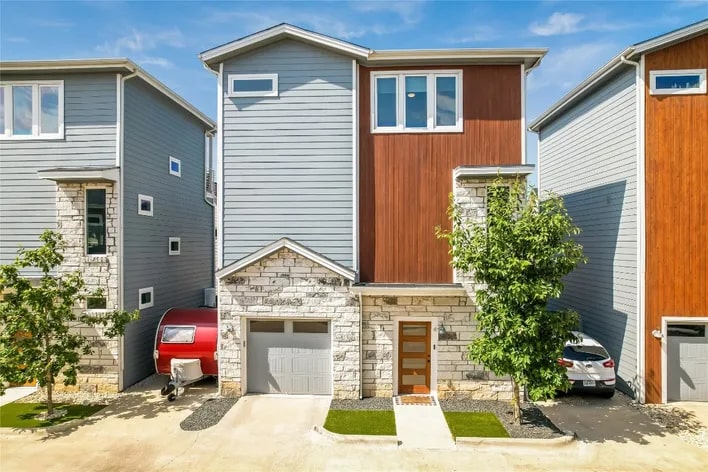
Springdale is one of East Austin's most dynamic and rapidly evolving neighborhoods, sitting at the intersection of creative culture, urban convenience, and some of the most exciting redevelopment happening anywhere in the city. Located just a few miles east of downtown along the Springdale Road corridor, this neighborhood has become a magnet for artists, entrepreneurs, and homebuyers who want to be part of East Austin's transformation while still finding relative value compared to neighborhoods closer to the core. With median home prices in the mid-$600s, Springdale offers an authentic East Austin experience with strong growth momentum.
Springdale's real estate market reflects the broader East Austin story of rising demand and steady appreciation. The median home price sits in the mid-$600s, with properties ranging from the low $400s for smaller homes and condos to over $1 million for newer custom builds and renovated properties. The market features a mix of original Austin bungalows, updated mid-century homes, and modern new construction that has accelerated in recent years. For buyers who value character, creativity, and urban energy, Springdale offers a combination of authenticity and investment potential that's increasingly hard to find this close to downtown.
Springdale is served by Austin Independent School District, with students attending area campuses including Pecan Springs Elementary and Northeast Early College High School, which offers students the opportunity to earn college credits alongside their high school diploma. The broader AISD system provides additional options throughout the district. The neighborhood's proximity to major corridors makes accessing schools across Austin relatively convenient. Charter and private school alternatives are also available in the surrounding area.
Springdale's dining and lifestyle scene captures everything that makes East Austin special. The Springdale General complex, a 165,000-square-foot creative community, houses maker studios, creative offices, and gathering spaces that anchor the neighborhood's artistic identity. Along the corridor, you'll find a growing collection of restaurants, breweries, and cafes, including acclaimed spots like Uroko for refined Japanese cuisine. The Springdale Shopping Center, anchored by H-E-B, provides everyday convenience. Downtown Austin's legendary food and music scene is just minutes west, making Springdale a neighborhood where creative community and urban access intersect beautifully.
Springdale residents enjoy excellent access to outdoor recreation, with the Lady Bird Lake Hike-and-Bike Trail reachable from the neighborhood's southern reaches. The east side of the trail tends to be less crowded, offering a more peaceful experience for running, cycling, and walking. Neighborhood parks and green spaces provide local recreation opportunities, and the area's relatively flat terrain makes cycling a practical daily transportation option. The broader East Austin parks network continues to expand with new investments in trails, gathering spaces, and community amenities.
Housing in Springdale spans the full spectrum of East Austin's architectural evolution. You'll find original bungalows and cottage-style homes from earlier decades alongside modern new construction featuring clean lines, open floor plans, and contemporary finishes. Loft-style conversions and creative live-work spaces reflect the neighborhood's maker culture. Many older homes offer renovation potential on lots that are increasingly valuable given the area's proximity to downtown. For buyers drawn to neighborhoods with genuine character and creative energy, Springdale's housing mix delivers variety at multiple price points.
Springdale connects to the broader Austin area via Springdale Road, Manor Road, and Highway 183 (Ed Bluestein Boulevard). Downtown Austin is approximately three to five miles west, making it one of the closest East Austin neighborhoods to the urban core. Capital Metro bus routes serve the corridor, and the relatively flat terrain supports cycling as a viable transportation alternative. The Lady Bird Lake Trail provides a scenic commute route for those heading toward downtown. Austin-Bergstrom International Airport is approximately 15 minutes south.
Springdale offers the East Austin experience at its most creative and connected: a neighborhood where maker culture thrives, where new restaurants and businesses are constantly opening, and where you're just minutes from downtown yet surrounded by genuine community character. It's the kind of place where your neighbors might be artists, entrepreneurs, or longtime residents who've watched the neighborhood evolve. If East Austin's blend of creativity, authenticity, and urban convenience speaks to you, I'd love to help you find your home in Springdale.

Steiner Ranch is one of the Austin area's premier master-planned communities, offering resort-style living across 4,600 acres of rolling Hill Country terrain between Lake Travis and Lake Austin. With over 3,600 homes spread across 50 distinct subdivisions, Steiner Ranch delivers an exceptional combination of lakeside recreation, top-rated Leander ISD schools, and community amenities that rival any development in Central Texas.
The 78732 median sale price sits around $840,000. Homes span an unusually wide range for one community, from the $250s for condos and townhomes to over $4 million for premier lakefront estates, so the median tells you less here than it would elsewhere. That figure is zip-level across all property types, and the 50 subdivisions each sit at different points within it, so ask me for comps on the specific section you are considering. Inventory has been running near the metro average, and homes have been closing slightly under asking, which means there is usually room to negotiate.
The community's subdivisions each offer slightly different characteristics, from neighborhoods with community pools to gated enclaves with lake access. That range means Steiner Ranch spans first-time buyers through the luxury market inside one community framework.
Steiner Ranch is served by Leander Independent School District, one of the most highly regarded districts in Central Texas. Students attend Steiner Ranch Elementary, River Ridge Elementary, Canyon Ridge Middle School, and Vandegrift High School, all of which receive strong academic ratings. Vandegrift High School in particular has earned recognition for its rigorous academics, competitive athletics, and comprehensive fine arts programs. The quality of Leander ISD schools is consistently cited as one of the primary reasons buyers choose Steiner Ranch. Campus assignments vary by address, so confirm the zoning for any specific home before you commit to it.
Life in Steiner Ranch is centered around community and recreation. The neighborhood's three amenity centers serve as social hubs, hosting events, fitness classes, and community gatherings throughout the year. While the community itself is primarily residential, the nearby Highway 620 and RR 2222 corridors provide access to a growing selection of restaurants, shops, and services. The Oasis on Lake Travis, one of Austin's most famous sunset-watching destinations, is nearby. For a broader dining and entertainment experience, downtown Austin is accessible via a scenic 20-mile drive through the Hill Country.
Outdoor recreation is the heartbeat of Steiner Ranch. The community features three swimming pools (including a splash pad), tennis courts, basketball courts, playgrounds, sports fields, and miles of scenic hike-and-bike trails that wind through the Hill Country landscape. Lake Travis and Lake Austin are both accessible for boating, kayaking, fishing, and swimming. The surrounding Hill Country terrain provides natural beauty at every turn: limestone outcroppings, mature oaks, and wildlife are part of everyday life. For residents who value an active, outdoor-oriented lifestyle, Steiner Ranch delivers year-round.
Steiner Ranch's housing spans the full spectrum of suburban and luxury living. You'll find well-built homes with three to four bedrooms and community pool access alongside expansive estates on multi-acre lots with private lake access. Architectural styles range from traditional Texas Hill Country stone to contemporary designs with clean lines and walls of windows. Many homes feature outdoor living areas, pools, and views that take full advantage of the community's elevated terrain. The range of options across 50 subdivisions means buyers can find their ideal home without leaving the Steiner Ranch community.
Steiner Ranch connects to the broader Austin area via RR 620 and RR 2222, with downtown Austin approximately 20 miles to the southeast. The commute to downtown takes about 25 minutes without traffic, though peak-hour travel can extend to 45 minutes or more, a trade-off that residents accept for the lifestyle the community offers. The community has two primary access points from the main roads. The Highway 183 and Loop 360 corridors provide alternative routes to employment centers and shopping. Austin-Bergstrom International Airport is approximately 35 minutes south.
Steiner Ranch delivers the Lake Travis lifestyle in a beautifully planned community: top-rated schools, resort-level amenities, lakeside recreation, and Hill Country beauty all wrapped into one address. It's a place where weekends mean community pools, neighborhood trails, and sunsets over the lake. If master-planned community living with lake access and exceptional schools is what you're looking for, I'd love to show you around Steiner Ranch.

St. Elmo is one of South Austin's most exciting emerging neighborhoods, transforming from a quiet industrial corridor into a vibrant mixed-use district that blends creative culture, walkable convenience, and urban living just minutes from downtown. Centered along St. Elmo Road near South Congress Avenue, this neighborhood has quickly become known for its brewery scene, artisan workshops, and stylish new residential developments. With condos starting in the $300s and a location that puts you steps from South Congress, St. Elmo represents a fresh, accessible entry point into one of Austin's most dynamic corridors.
St. Elmo's real estate market is defined by modern, urban-style developments that have brought new energy to this formerly industrial area. New construction condos and apartments, including the Station at St. Elmo, offer contemporary units starting in the low $300s, with larger units reaching higher. The neighborhood's proximity to South Congress Avenue and downtown Austin gives it a location advantage that supports strong demand. For buyers seeking a walkable, urban lifestyle without the price tag of closer-in neighborhoods, St. Elmo delivers a compelling package of style, convenience, and value.
St. Elmo falls within the Austin Independent School District, with access to area campuses throughout south Austin. The neighborhood's central south location provides convenient access to multiple AISD schools, and the district's transportation options serve the area. Saint Edward's University is located nearby, adding educational and cultural resources to the broader community. Private and charter school options are also accessible from the neighborhood's well-connected location.
The dining and lifestyle scene is what makes St. Elmo truly special. St. Elmo Brewing Company anchors a growing cluster of craft beverage producers including Austin Winery, Still Austin Whiskey, and Spokesman Coffee. The South Congress Avenue corridor, one of Austin's most iconic streets, is steps away, offering beloved restaurants like Home Slice Pizza, Hopdoddy Burger Bar, and Magnolia Cafe. The emerging warehouse district along South St. Elmo Road features creative businesses, art studios, and entertainment venues that give the area a distinctly artisan character. It's a neighborhood where you can walk from your front door to a brewery, a winery, and a world-class taco all in the same afternoon.
St. Elmo's south Austin location provides access to the broader network of parks and recreation that makes this part of the city so appealing. The South Congress corridor offers walkable urban exploration, while larger parks and green spaces are within easy reach by car or bike. The neighborhood's growing mixed-use character encourages an outdoor, pedestrian-oriented lifestyle, with patios, courtyards, and gathering spaces woven into the new developments. Lady Bird Lake and the hike-and-bike trail are accessible for waterfront recreation and exercise.
Housing in St. Elmo reflects the neighborhood's modern, urban character. Warehouse-style lofts with brick facades, expansive windows, and industrial-chic finishes define the aesthetic. Newer developments feature open floor plans, cantilever balconies, outdoor terraces, and contemporary amenities. Live-work storefronts blend residential and commercial use in creative configurations. For buyers who value design-forward living in a walkable, culturally rich setting, St. Elmo's housing options deliver a lifestyle that feels distinctly Austin.
St. Elmo's location along the South Congress corridor makes it one of the most connected neighborhoods in south Austin. Downtown Austin is approximately five miles north, and the MetroRapid Route 801 provides rapid transit service along Congress Avenue to downtown, the University of Texas, and beyond. The South Congress Transit Center is within walking distance, making car-free commuting a realistic option. I-35 is easily accessible for broader metro travel, and Austin-Bergstrom International Airport is about 10 minutes east. The neighborhood's walkability is one of its defining features.
St. Elmo offers something rare in Austin: a neighborhood that's actively creating its identity right now, blending craft culture, urban walkability, and South Congress proximity into a lifestyle that feels both fresh and authentically Austin. It's where breweries and art studios share blocks with stylish new residences, and where the energy of a neighborhood on the rise is palpable. If modern south Austin living with creative character appeals to you, I'd love to help you explore St. Elmo.
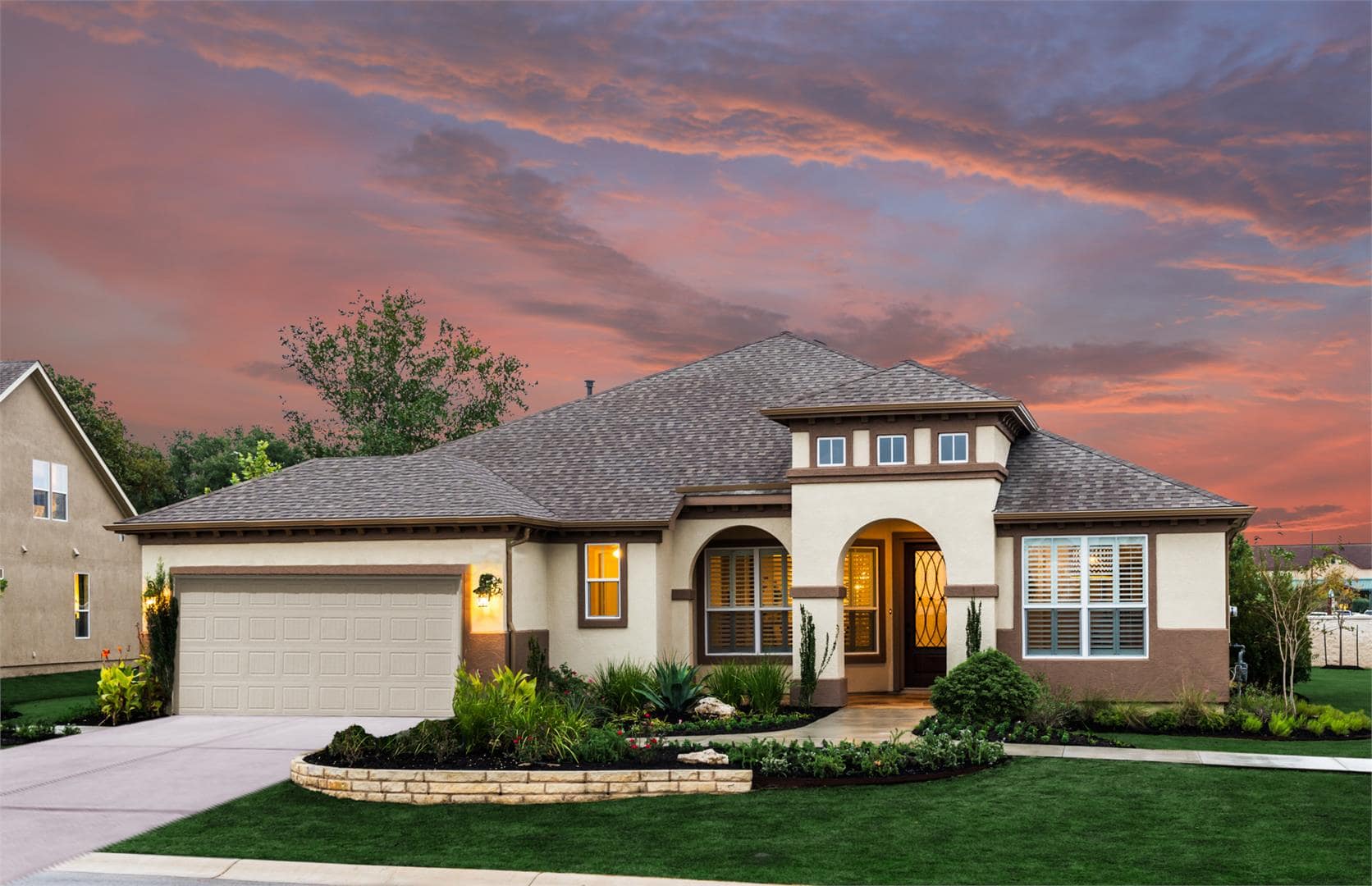
Sun City Texas is a Del Webb 55-plus active adult community spread across 5,300 acres of Hill Country in Georgetown. Three championship golf courses, four fitness centers, eight pools, and a calendar stacked with clubs and classes all sit inside the gates. It is one of the largest communities of its kind in the country, and the amenity package is why.
One rule shapes this entire market: Sun City is deed-restricted 55-plus housing. That restriction is recorded against the property, not a marketing preference, and it is permitted under the Housing for Older Persons Act. Inventory runs from smaller resale floor plans to custom homes on golf course frontage and Hill Country view lots, which trade at a different level than interior lots. Some new construction remains available alongside resale. Prices move. Ask me for current comps instead of trusting a number on a website.
Here is the part buyers get wrong. The HOA covers exterior maintenance, lawn care, and common area upkeep, and the dues buy access to the golf, the pools, and the fitness centers. Compare a Sun City payment straight across to a house payment somewhere with no HOA and Sun City looks expensive. Add back what you would pay separately for yard service, a gym membership, and golf, and the math changes. Run that comparison before you decide anything.
Sun City sits inside the Georgetown Independent School District. Southwestern University is close enough that its cultural and educational programming lands on the community calendar.
Three on-site restaurants mean dinner does not require leaving the community. The Village Center handles shopping, dining, and gathering space. The social calendar runs deep: art workshops, book clubs, dance groups, travel excursions. Downtown Georgetown's historic square, named one of the most beautiful town squares in Texas, is a short drive out for restaurants, shops, galleries, and events all year.
Three championship golf courses, routed through the Hill Country terrain. Four fitness centers with group classes, weight rooms, and cardio equipment. Eight resort-style pools scattered across the community. Tennis, pickleball, bocce ball, horseshoes, and sports fields. A lakeside amphitheater for concerts and events. Walking and nature trails threading the landscaped grounds. Very few communities anywhere pack this much recreation inside one set of gates.
Floor plans skew single-story, and that is the real structural difference between Sun City and a standard subdivision: no stairs, wider halls, layouts built for low-maintenance ownership. Sizes run from efficient one-bedroom models to four-bedroom custom homes. Architecture leans Hill Country, with stone and stucco exteriors, covered patios, and open plans. The HOA takes exterior maintenance, lawn care, and common area upkeep off your list.
Sun City sits about five miles northwest of I-35 and roughly 35 miles north of downtown Austin. I-35 runs you to Round Rock, Austin, and San Antonio. Georgetown's downtown square is minutes away. Inside the community, an internal road network connects the neighborhoods to the amenity centers, the golf courses, and the Village Center. You will need a car for anything outside the gates, though a lot of daily life happens without one. Austin-Bergstrom International Airport is about 45 minutes south.
Championship golf, resort-style pools, serious fitness facilities, and a programming calendar most small cities cannot match, on 5,300 acres of Hill Country. The 55-plus deed restriction is the entry requirement. If you meet it and you want that amenity package, this is the largest and deepest version of it in Central Texas. Let's talk about what is available and what it should cost.
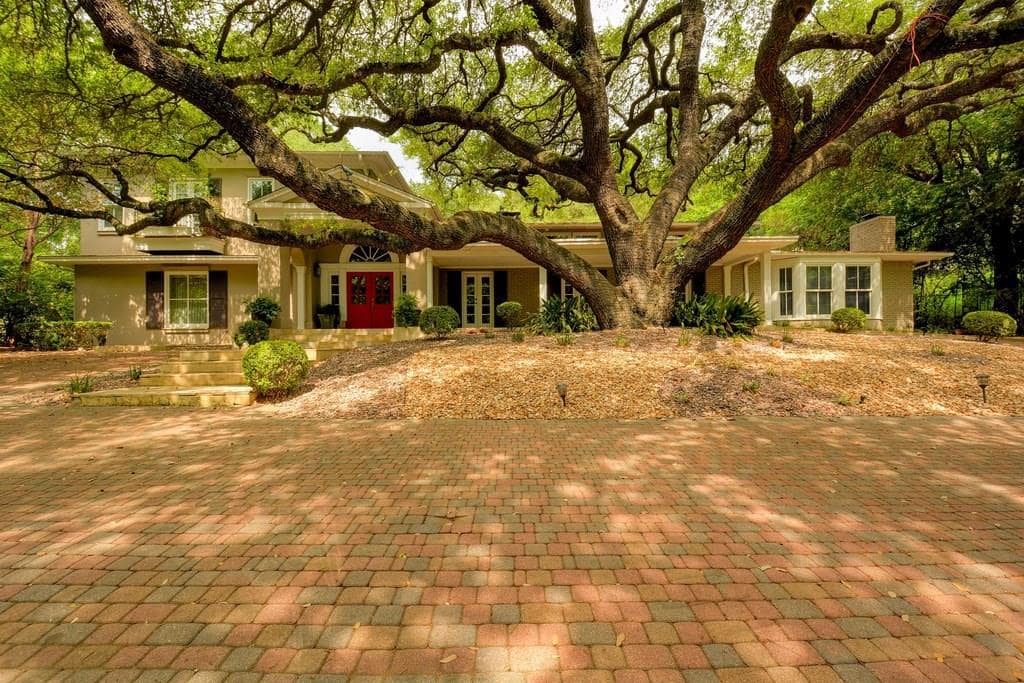
Tarrytown is one of Austin's most iconic and established neighborhoods: a tree-canopied enclave of stately homes, quiet streets, and deep community roots just three miles from downtown. Established in 1934, Tarrytown is defined by its top-rated schools, walkable charm, and unmatched proximity to Lake Austin, Deep Eddy Pool, and the city's best parks. If you are exploring Tarrytown Austin real estate, this is one of the most complete and coveted neighborhoods in the city.
Tarrytown is one of Austin's most prestigious housing markets, with a median home price around $1.8 million and an average price per square foot near $692. The average sale price sits at approximately $1.5 million, though values vary widely based on lot size, condition, and whether the home is original construction or a modern rebuild. The Tarrytown real estate market saw price corrections through 2025, creating opportunities for buyers who had been priced out during the pandemic peak. Homes range from charming 1920s and 1930s cottages to grand mid-century estates and sleek modern new construction. Inventory is typically limited with around 45 active listings, and well-priced homes in Tarrytown sell quickly. Condos are available in the $900,000 to $1 million range for buyers seeking a smaller footprint in this coveted 78703 zip code.
Tarrytown is zoned to some of the highest-rated schools in Austin ISD. Casis Elementary earns an A rating from Niche, O. Henry Middle School is rated A-minus, and Austin High School, one of the oldest and most respected high schools in the city, receives an A rating and offers more than 80 student clubs. Several prestigious private schools are nearby, including St. Stephen's Episcopal School, ranked the top private school in the Austin area. Education is a central part of Tarrytown's identity, and school quality is a primary driver of home values here. Tarrytown consistently ranks among the top Austin neighborhoods for school access.
Tarrytown's lifestyle is a blend of old Austin charm and modern convenience. The neighborhood hosts a popular farmers market and an annual Fourth of July parade that brings the whole community together. Tarrytown's location along Lake Austin Boulevard provides quick access to a stretch of locally owned restaurants, cafes, and shops. Nearby Exposition Boulevard and West 35th Street offer additional dining options. The neighborhood's proximity to downtown means world-class dining, live music, and cultural attractions are always just minutes away, but most residents find everything they need within a few blocks of home. The combination of walkable convenience, local dining, and proximity to downtown makes Tarrytown one of Austin's most well-rounded neighborhoods.
Tarrytown's outdoor amenities are legendary. Deep Eddy Pool, the oldest public swimming pool in Texas, is a spring-fed swimming hole that maintains a refreshing 65 to 75 degrees year-round and hosts movie nights during the summer. Red Bud Isle is a 13-acre off-leash dog park on a peninsula in Lady Bird Lake. Mayfield Park and Preserve is a shaded oasis known for its free-roaming peacocks, gardens, and nature trails. Walsh Boat Landing provides direct access to Lake Austin for kayaking, paddleboarding, and boating. Lions Municipal Golf Course offers a classic nine-hole round. The Contemporary Austin at Laguna Gloria combines sculpture gardens with lakefront walking paths, all within walking or biking distance of Tarrytown homes.
Tarrytown's housing stock is one of the most architecturally diverse in Austin. Original 1930s and 1940s homes sit alongside mid-century ranch houses and modern new builds. Many homes feature large lots with mature trees, expansive yards, and private outdoor spaces. Renovation and new construction activity is steady, with buyers often purchasing older homes for the lot and building custom residences. A limited number of condos and townhomes provide additional options. The neighborhood's established character and strict zoning have preserved its residential feel despite proximity to downtown, making it one of Austin's most architecturally distinctive areas.
Tarrytown is located just west of MoPac Expressway (Loop 1), about three miles from downtown Austin. The commute to the central business district takes approximately 10 to 15 minutes, and Lake Austin Boulevard provides a scenic alternative route along the water. The neighborhood's walkable streets and sidewalks make it easy to reach schools, parks, and local shops on foot. Austin-Bergstrom International Airport is about 25 minutes away. Tarrytown's central location is one of its greatest assets. Most of Austin is accessible within 15 to 20 minutes.
Tarrytown is Austin at its best: a neighborhood that has maintained its character and community through decades of growth. With top-rated schools, iconic outdoor destinations, stunning homes, and a location that is both central and serene, Tarrytown Austin real estate represents one of the strongest long-term investments in the city. Homes here have historically held their value through market cycles, and the neighborhood's limited inventory and desirable school zones ensure demand stays high. Whether you are looking for a forever home, an investment in one of Austin's premier zip codes, or simply a place where life moves at a more thoughtful pace, Tarrytown is worth every consideration.
What is the median home price in Tarrytown, Austin?
The median home price in Tarrytown is approximately $1.8 million as of early 2026, with an average price per square foot near $692. Condos start around $900,000 and single-family homes range from under $1 million for older properties to well over $3 million for new construction.
What school district is Tarrytown in?
Tarrytown is zoned to Austin ISD. Students attend Casis Elementary (A-rated), O. Henry Middle School (A-minus), and Austin High School (A-rated). Several top-ranked private schools including St. Stephen's Episcopal are also nearby.
How far is Tarrytown from downtown Austin?
Tarrytown is approximately three miles west of downtown Austin. The commute takes about 10 to 15 minutes by car, and Lake Austin Boulevard offers a scenic route along the waterfront.
Is Tarrytown a good investment in 2026?
Tarrytown has historically been one of Austin's most resilient real estate markets. While prices corrected from pandemic highs, the neighborhood's limited inventory, top-rated schools, and central location support strong long-term appreciation. The 78703 zip code consistently ranks among the most desirable in Austin.
What is Tarrytown, Austin known for?
Tarrytown is known for its tree-lined streets, historic architecture, walkability, and iconic outdoor destinations like Deep Eddy Pool and Red Bud Isle. The neighborhood blends old Austin charm with proximity to downtown, top-rated public schools, and a strong sense of community.
Ready to explore Tarrytown Austin real estate? I would love to show you what is available and help you find your place in one of Austin's most cherished neighborhoods. Contact Chloe Chiang to schedule a tour.
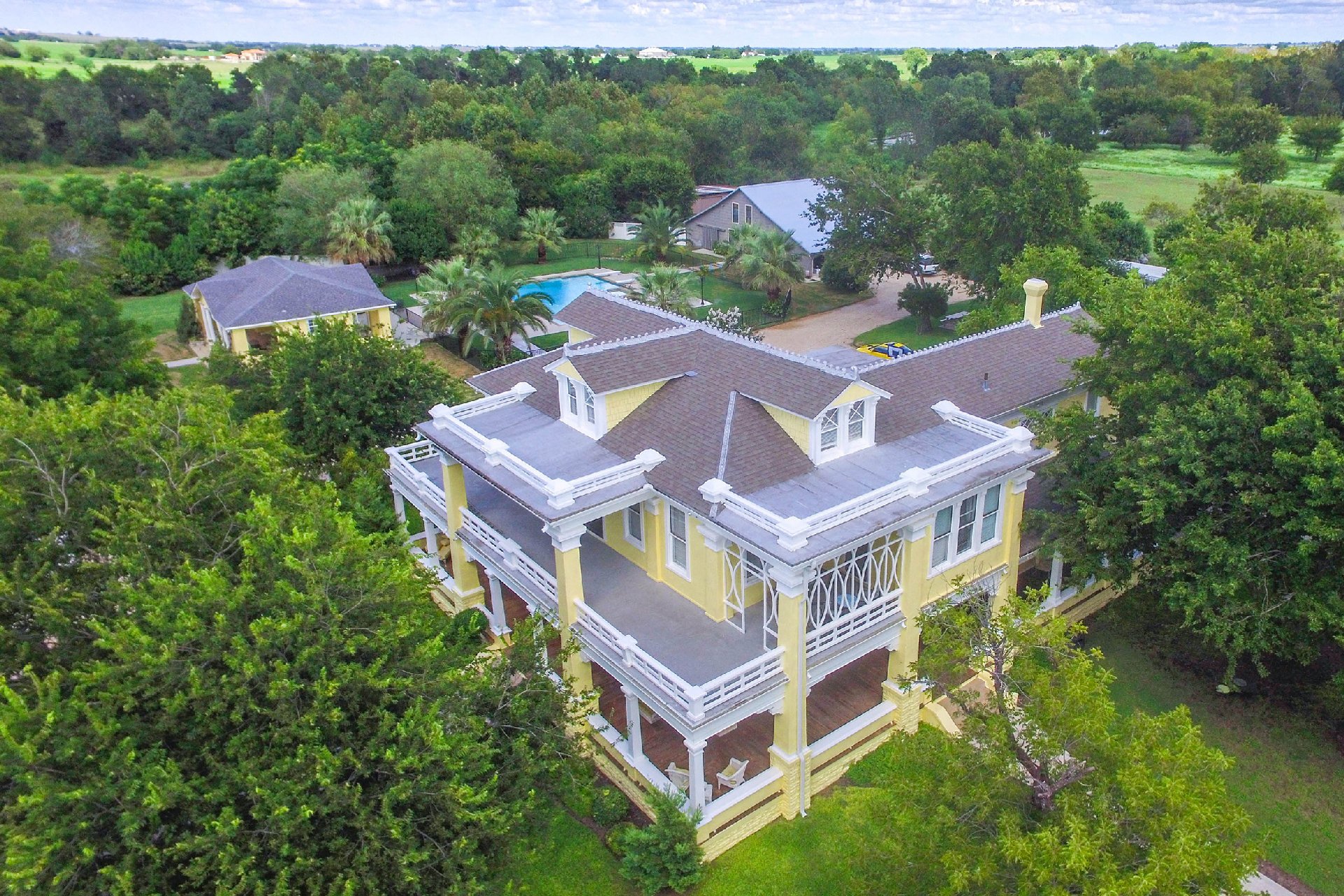
Taylor is a historic Texas city northeast of Austin that's experiencing one of the most dramatic transformations in the region, driven by Samsung's $25 billion semiconductor fabrication plant currently under construction. This Williamson County community of approximately 18,000 residents has maintained its small-town Texas character while positioning itself at the center of Central Texas's booming tech manufacturing corridor. With a median home price around $275,000, Taylor offers some of the most accessible homeownership opportunities in the greater Austin metro, with significant growth on the horizon.
Taylor's real estate market offers remarkable affordability compared to Austin proper, with a median home price around $275,000, roughly half of what comparable homes cost closer to the city center. Homes range from the low $200s for established properties to $400,000 and above for newer construction. The market is dynamic, with approximately 6,000 new homes expected to be built in the coming years to meet growing demand driven by the Samsung plant and related industries. Apartment occupancy sits at 96 percent, reflecting strong rental demand. For buyers seeking value with significant appreciation potential, Taylor represents one of the most compelling opportunities in the Austin metro.
Taylor Independent School District serves the community with a strong roster of campuses. Taylor High School features a recently completed $32.5 million facility with modern amenities including culinary arts programming. Legacy Early College High School offers students the opportunity to earn up to 60 college credit hours while completing their high school education. Taylor Middle School, Main Street Elementary, Naomi Pasemann Elementary, and T.H. Johnson Elementary round out the district's offerings. The district continues to invest in facilities and programming to serve the growing community.
Taylor's lifestyle blends small-town Texas charm with the energy of a community on the rise. The historic downtown features local restaurants, shops, and the kind of genuine Main Street character that many Texas towns have lost. As the population grows, new dining and retail options are expanding to meet demand. Taylor's famous barbecue heritage remains a point of local pride. The city has long been a destination for authentic Central Texas barbecue. Community events and festivals bring neighbors together throughout the year, maintaining the small-town connections that long-time residents cherish.
Taylor's parks system provides green space and recreation for residents throughout the community. The city's parks feature playgrounds, sports fields, walking trails, and picnic areas. As the community grows, investment in parks and recreation infrastructure is expanding to meet the needs of new residents. The surrounding Blackland Prairie landscape offers open spaces and agricultural scenery that provide a refreshing contrast to Austin's urban density. For outdoor enthusiasts, the broader Central Texas region provides easy access to lakes, rivers, and Hill Country recreation within a reasonable drive.
Taylor's housing market includes a diverse mix of historic homes in the original town core, established suburban neighborhoods, and new construction communities that are rapidly expanding on the city's edges. Historic downtown homes feature the architectural character of early Texas construction: front porches, mature trees, and walkable lots. Newer developments offer modern floor plans with contemporary amenities. For buyers seeking acreage, properties on the outskirts provide space and privacy at price points well below what comparable land costs closer to Austin. The range of housing options makes Taylor accessible to first-time buyers, move-up buyers, and investors alike.
Taylor sits approximately 35 miles northeast of downtown Austin, with a typical commute of 35 to 40 minutes via US Highway 79 and I-35. State Highway 130, the toll bypass east of Austin, provides an alternative route that avoids I-35 congestion. Amtrak train service connects Taylor to Austin with one daily trip, taking about 51 minutes. The Capital Area Rural Transit system provides local bus service. For daily commuters, the drive to major Austin-area employment centers is manageable, and the Samsung plant and related industries are bringing thousands of jobs directly to Taylor. Austin-Bergstrom International Airport is approximately 40 minutes south.
Taylor is a city at a pivotal moment: a place where small-town Texas values meet transformative economic growth. The Samsung investment is reshaping the community while Taylor works to preserve the character and affordability that make it special. For buyers who want to be part of that growth story, who value accessible homeownership, and who see the potential in a city poised for significant expansion, Taylor offers an opportunity that's hard to match in the Austin metro. I'd love to help you explore what Taylor has to offer.
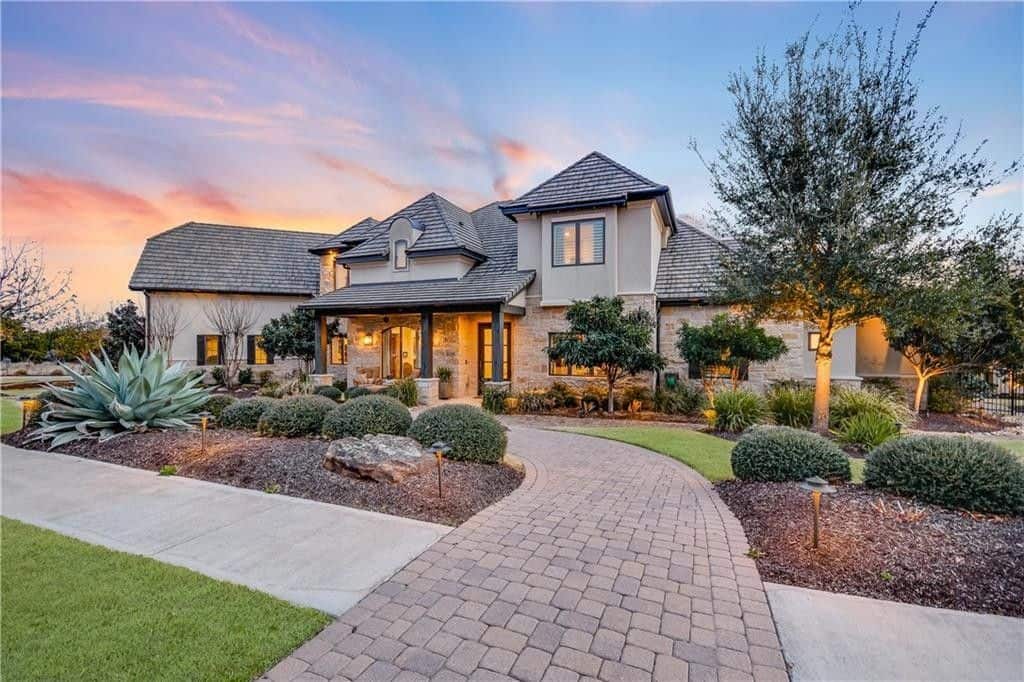
Travis Country is one of southwest Austin's most sought-after established neighborhoods, offering an exceptional combination of natural beauty, top-rated schools, and proximity to the Barton Creek Greenbelt. Recognized as Austin's first environmentally planned neighborhood when it was established in 1972, Travis Country has matured into an established residential community where wooded lots, community green spaces, and Hill Country character define everyday life. It draws buyers who value nature, schools, and quality of life in equal measure.
The 78735 median sale price sits around $825,000, with properties ranging from roughly $600,000 for smaller or older homes to well over $1.2 million for updated estates on the neighborhood's best lots. That median is zip-level across all property types, so ask me for comps on the specific street before you price a home or write an offer. Inventory here has been running tighter than the metro average, which means well-priced homes still move. The neighborhood's maturity means most homes are well-established, with many thoughtfully renovated and expanded over the years. For buyers who want a proven neighborhood rather than taking a chance on newer development, Travis Country's track record speaks for itself.
Travis Country falls within Austin Independent School District, with students attending well-regarded campuses including Oak Hill Elementary and Austin High School. Regents School of Austin, widely considered one of the top private schools in Austin, is also located nearby, providing an exceptional private education option. The quality of both public and private school access is a significant draw for buyers choosing Travis Country. Campus assignments vary by address, so confirm the zoning for any specific home before you commit to it.
Travis Country's lifestyle balances residential serenity with convenient access to southwest Austin's shopping and dining destinations. The Southwest Parkway corridor provides access to nearby restaurants and services, while Barton Creek Square Mall, featuring Dillard's, Macy's, Nordstrom, and over 180 specialty stores, is a short drive away. Sunset Valley's dining and retail options add variety, and downtown Austin's full spectrum of restaurants, entertainment, and cultural venues is approximately 15 minutes north. The neighborhood itself prioritizes quiet, nature-oriented living: the kind of place where you hear birdsong rather than traffic.
Outdoor living is Travis Country's signature feature. The neighborhood directly adjoins the Barton Creek Greenbelt, providing residents with immediate access to 7.2 miles of hiking, biking, and nature trails through one of Austin's most treasured natural corridors. Gus Fruh District Park, with its rocky terrain and scenic views, is accessible from the neighborhood. Within Travis Country itself, the Blue Valley Amenity Area, Hilltop Amenity Area, Wildflower Preserve, and Sycamore Creek Nature Trail provide additional green space and recreation. Gaines Creek Park adds another community gathering spot. The neighborhood's environmental planning heritage is visible in its preserved natural areas and mature tree canopy.
Travis Country's housing stock features established single-family homes on generous, wooded lots that reflect the neighborhood's environmental planning philosophy. You'll find a mix of traditional, contemporary, and updated homes, many with renovations that blend modern comfort with the neighborhood's natural setting. Larger properties and estate-style homes are available in the most sought-after sections. The environmental design ethic means homes are integrated into the landscape rather than imposed upon it, so expect mature trees, natural drainage features, and a relationship between indoor and outdoor living that's increasingly valued in Austin's real estate market.
Travis Country connects to the broader Austin area via Southwest Parkway and MoPac Expressway (Loop 1). Downtown Austin is approximately 15 minutes north during off-peak hours, making it one of the more accessible southwest Austin neighborhoods for commuters. The Loop 360 (Capital of Texas Highway) corridor provides alternative routing to employment centers and shopping. The neighborhood's proximity to Barton Creek and the greenbelt means outdoor recreation is literally at your doorstep. Austin-Bergstrom International Airport is approximately 20 minutes southeast.
Travis Country delivers the southwest Austin lifestyle that discerning buyers seek: direct Barton Creek Greenbelt access, mature Hill Country landscaping, excellent school options, and a neighborhood character rooted in environmental stewardship. It's a place where nature is your neighbor, where morning runs happen on greenbelt trails, and where the quality of daily life is simply exceptional. If established southwest Austin living with natural beauty and strong schools appeals to you, I'd love to help you find your home in Travis Country.
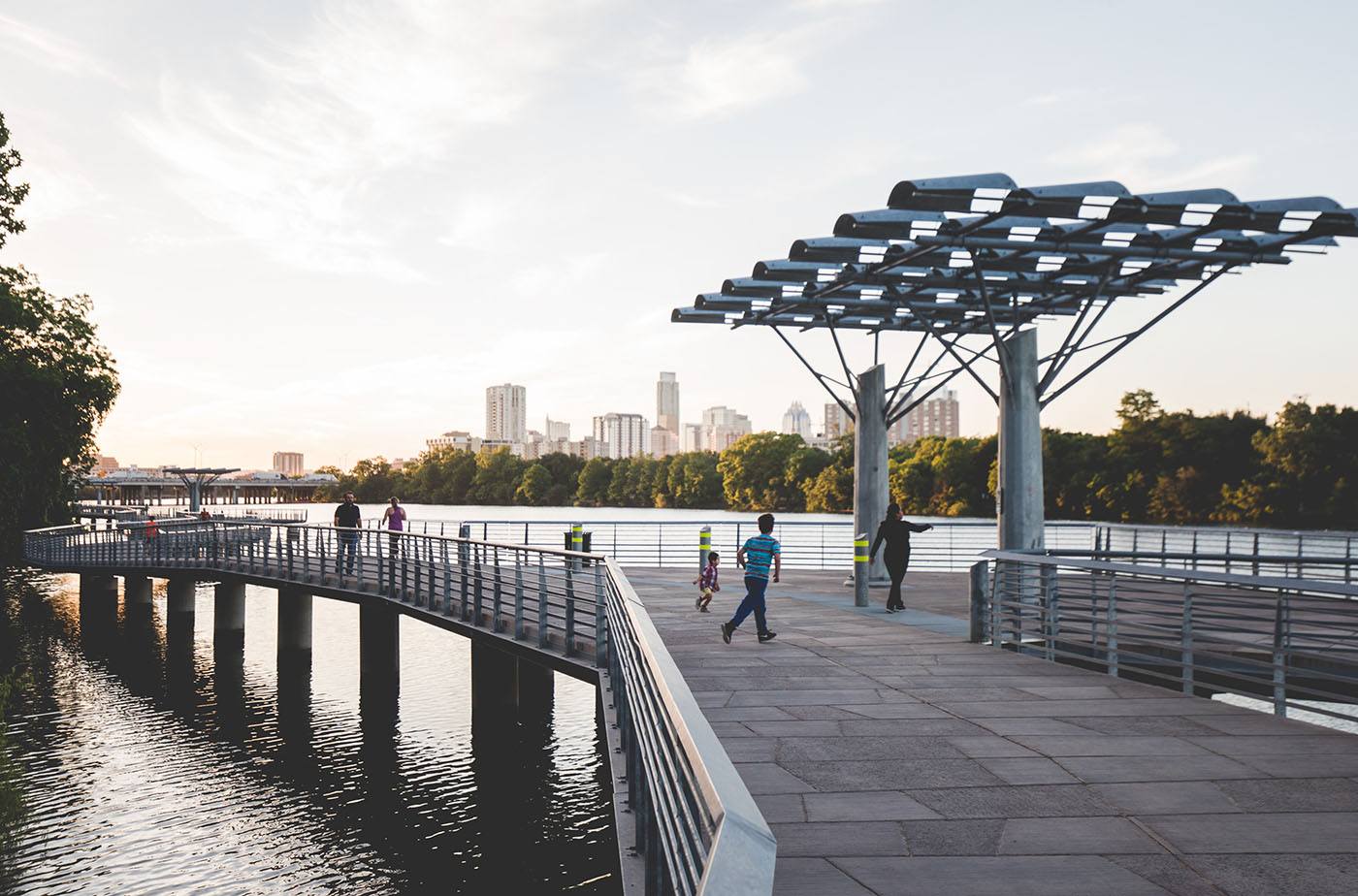
Travis Heights is one of Austin's most beloved and sought-after neighborhoods, a historic enclave just south of Lady Bird Lake that combines walkable urban living, stunning lake access, and the vibrant energy of South Congress Avenue into one of the most desirable addresses in the city. With tree-canopied streets, an eclectic mix of historic and modern homes, and a neighborhood culture that embodies the best of Austin's creative spirit, Travis Heights attracts buyers who want to live at the intersection of community, culture, and convenience. This is central Austin living at its finest.
Travis Heights' real estate market reflects its status as one of Austin's most coveted neighborhoods. Home prices range from around $800,000 for smaller bungalows and condos to well over $3 million for premier properties with lake views or large lots. The neighborhood's proximity to downtown, South Congress, and Lady Bird Lake creates a level of demand that keeps values strong. Inventory is typically limited, as homeowners in Travis Heights tend to stay, a testament to the quality of life the neighborhood provides. For buyers seeking an investment in one of Austin's most enduringly desirable locations, Travis Heights delivers.
Travis Heights is served by Austin Independent School District, with Travis Heights Elementary School located within the neighborhood itself. The elementary school is a valued community institution that reflects the neighborhood's engaged, involved culture. The broader AISD system provides access to strong middle and high school options, and the neighborhood's central location makes accessing schools throughout the district convenient. Private school options abound in central Austin, adding further flexibility in educational choices.
Living in Travis Heights means being steps from South Congress Avenue, one of Austin's most iconic streets for dining, shopping, and people-watching. Neighborhood favorites include Perla's for fresh seafood and oysters, Home Slice Pizza for legendary New York-style pies, Lucky Robot for creative sushi and ramen, and Magnolia Cafe for Austin's quintessential all-hours dining experience. The SoCo corridor's unique shops, live music venues, and art galleries create an energy that's uniquely Austin. Beyond South Congress, the neighborhood's own tree-lined streets and front-porch culture foster the kind of genuine community connections that make Travis Heights feel like a village within a city.
Travis Heights' outdoor living is anchored by two beloved parks. Big Stacy Park features a year-round spring-fed public swimming pool, playground, basketball and volleyball courts, and open green space. Little Stacy Park offers a charming wading pool and playground connected to Big Stacy via the Blunn Creek Greenbelt, a wooded trail that winds through the heart of the neighborhood. Zilker Park and Barton Springs Pool are just across the lake, and the Ann and Roy Butler Hike-and-Bike Trail along Lady Bird Lake is accessible for daily running, cycling, and lakeside relaxation. For a central Austin neighborhood, the abundance and quality of outdoor recreation is remarkable.
Travis Heights' housing stock is one of its greatest treasures. The neighborhood features an eclectic collection of homes dating from the 1920s to the present: original Victorian cottages, mid-century modern gems, Craftsman bungalows, and thoughtful contemporary new construction that respects the neighborhood's historic character. Many homes have been lovingly restored, maintaining their original exteriors while featuring fully modernized interiors. The result is a streetscape with genuine architectural variety and visual interest at every turn. Lot sizes and home sizes vary, but the neighborhood's character and charm are consistent throughout.
Travis Heights' central location is one of its most powerful assets. Downtown Austin is walkable or a quick bike ride across the bridge. South Congress Avenue's restaurants and shops are steps away. Lady Bird Lake's hike-and-bike trail provides a scenic commute route for runners and cyclists. Capital Metro bus routes serve the area, and the neighborhood's walkability makes car-free living a genuine possibility for many daily needs. Austin-Bergstrom International Airport is approximately 15 minutes southeast. Few Austin neighborhoods can match Travis Heights' combination of walkability and connectivity.
Travis Heights is Austin at its most authentic: a neighborhood where historic homes sit on tree-shaded streets, where South Congress energy is a short walk away, and where Lady Bird Lake anchors an outdoor lifestyle that defines the city. It's where community, culture, and convenience converge in a way that few places anywhere can match. If you're looking for the quintessential central Austin living experience, I'd love to help you find your home in Travis Heights.
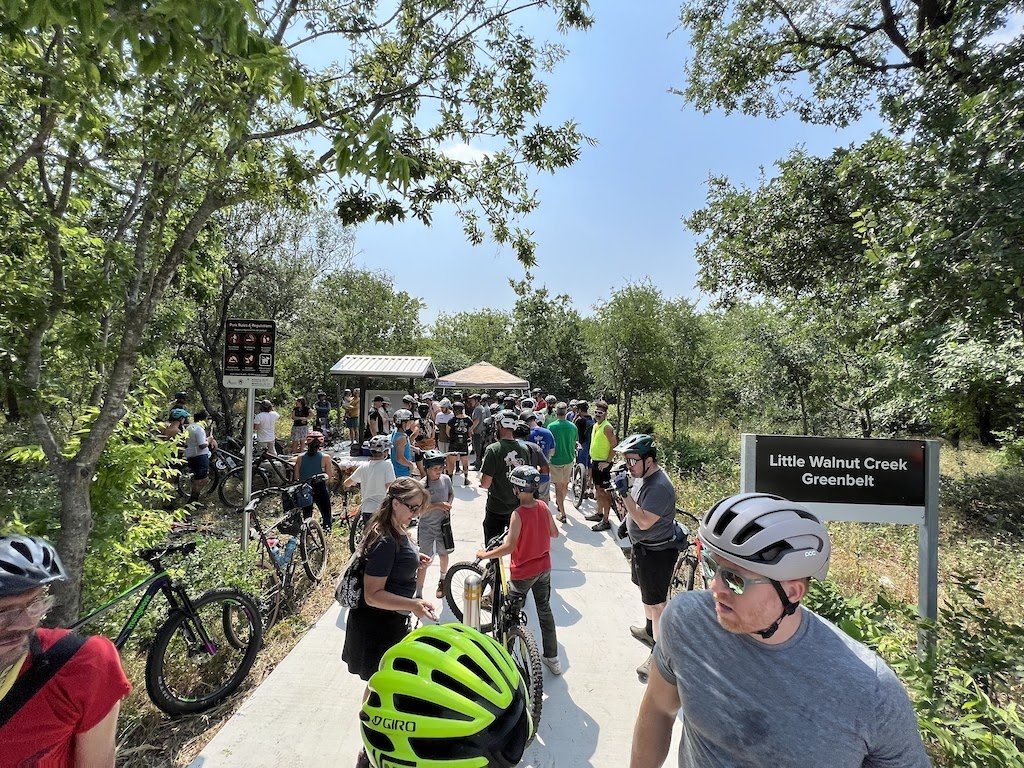
University Hills and Windsor Park are two interconnected northeast Austin neighborhoods that have become some of the most exciting places to buy in the city. With charming 1950s ranch homes on tree-shaded streets, a rapidly improving retail and dining scene driven by the nearby Mueller redevelopment, and median home prices that offer genuine value for their central location, these neighborhoods deliver the rare combination of mid-century character, modern amenities, and accessible pricing. If you're looking for a neighborhood that's arrived without losing its soul, University Hills and Windsor Park deserve your attention.
The real estate market across these neighborhoods offers compelling value for northeast Austin. University Hills features a median home price around $534,000, while Windsor Park comes in around $365,000, both significantly below Austin's overall median. Homes in the combined area average around $560,000, reflecting growing demand as buyers discover the neighborhoods' character and convenience. Properties range from original 1950s homes needing updates to fully renovated mid-century gems. The proximity to Mueller and the ongoing investment in the area suggest strong appreciation potential for the foreseeable future.
The neighborhoods are served by Austin Independent School District, with students attending schools including Andrews Elementary in University Hills and Graham Elementary in Windsor Park. Dobie Middle School and Northeast Early College High School, which offers students the opportunity to earn college credits during high school, serve the broader area. The district provides transportation for eligible students, and the neighborhoods' central location makes accessing schools throughout the AISD system relatively convenient.
The dining and retail landscape in University Hills and Windsor Park has been transformed by the nearby Mueller development, which brought major retailers including H-E-B (with an exceptional fresh foods section), Target, Best Buy, Home Depot, Old Navy, and PetSmart to the area. Local dining favorites add neighborhood character: Paco's Tacos for breakfast and brunch, Nomad for local beers and trivia nights, and a diverse collection of restaurants serving cuisines from Cuban to Thai to barbecue. Capital Plaza shopping center provides additional retail options. The neighborhoods' proximity to East Austin's restaurant scene adds even more dining variety.
The Mueller redevelopment has added significant park space and recreation to the area, with community parks, playgrounds, and gathering spaces that serve both new and established neighborhoods. The neighborhoods themselves feature mature tree canopies, rolling terrain, and the kind of walkable residential streets that invite evening strolls and neighborhood exploration. Cycling is popular given the relatively flat terrain and growing bike infrastructure. Bartholomew District Park, located nearby, offers swimming, sports courts, and playgrounds. The broader northeast Austin trail network continues to expand with new connections and improvements.
Housing in University Hills and Windsor Park is defined by charming 1950s ranch-style homes on tree-shaded lots with curving streets and mature oak trees. These original homes feature period character that many buyers find irresistible: hardwood floors, brick exteriors, and generous yards. Some have been fully renovated with modern kitchens, updated bathrooms, and expanded living spaces while maintaining their mid-century appeal. New construction and additions are also appearing on select lots. For buyers who appreciate architectural character and neighborhood charm at accessible price points, these neighborhoods offer outstanding options.
University Hills and Windsor Park benefit from a northeast Austin location that provides multiple route options to employment centers and destinations throughout the city. I-35 forms the eastern boundary, providing direct north-south access. Highway 290 runs along the northern edge. The proximity to Mueller and East Austin means downtown is approximately 10 to 15 minutes away. Capital Metro bus routes serve the area, and the improving cycling infrastructure makes bike commuting increasingly viable. Austin-Bergstrom International Airport is approximately 20 minutes south.
University Hills and Windsor Park offer what savvy Austin buyers are looking for: mid-century character homes on tree-lined streets, a rapidly improving neighborhood infrastructure, and prices that still represent genuine value for the location. These are neighborhoods where 1950s charm meets 2020s convenience, where your neighbors are a mix of longtime residents and newcomers who've discovered the same secret. If northeast Austin character and value appeal to you, I'd love to help you find your home in University Hills or Windsor Park.

Westgate sits near William Cannon Drive and South Lamar Boulevard in south Austin: tree-lined streets, ranch houses on real lots, and a location that puts Barton Creek Greenbelt hiking and Central Market inside a short drive. Suburban lot size at an in-city address is the whole pitch, and it holds up.
The housing stock runs from the 1960s through the 1980s, which means the gap between an un-updated house and a fully renovated one is wide. That gap is the decision. You are choosing between paying for somebody else's remodel or doing your own, and the same street will show you both. Ask me for current comps so you can see the spread in real numbers before you pick a lane.
The other thing about a house from that era: original plumbing, original electrical, and HVAC on its second or third life are all live possibilities. The inspection carries more weight here than it does on a five-year-old build. I read those reports closely and I will tell you which findings are worth pushing on and which are just the age of the house.
Westgate is zoned to Austin Independent School District. Students attend schools including Sunset Valley Elementary, Joslin Elementary, Covington Middle School, and Crockett High School. Several private and charter options are reachable from the neighborhood, and the central south Austin position makes getting across the district straightforward.
Westgate Shopping Center does more work than a strip center should. Central Market Westgate anchors it with prepared foods, a deep wine selection, and specialty items, and it functions as a neighborhood gathering spot as much as a grocery store. The center also holds Regal Westgate cinema and LA Fitness. Pinthouse Pizza, Dan's Hamburgers, and Sap's Ver Fine Thai Cuisine cover the neighborhood dining rotation. South Lamar Boulevard adds restaurants, coffee shops, and boutiques a few minutes out.
Garrison Park brings a swimming pool and sports facilities on generous grounds. Joslin Park has a running trail, a tennis court, a playscape, and mature shade trees. The Barton Creek Greenbelt, one of Austin's most celebrated natural features, is reachable from the neighborhood for hiking and mountain biking through limestone canyons and creek corridors. Closer to home, the mature tree canopy does real work in August.
Ranch-style single-family homes, built from the 1960s through the 1980s, mostly single-story, with larger lawns, mature trees, and stone facade elements. Many have been remodeled with updated kitchens, expanded living space, and current finishes. What you cannot buy new anywhere near this close to downtown is the lot. That is the durable part of the value here: the land, the trees, and setbacks nobody builds anymore.
Ben White Boulevard (Highway 71) handles east-west. South Lamar Boulevard and MoPac Expressway run north-south to downtown, typically a 10 to 15 minute drive off-peak. Loop 360 opens up the west side. Capital Metro bus routes serve the major corridors. Austin-Bergstrom International Airport is about 15 minutes east.
Mature trees, lots that new construction cannot match at this distance from downtown, Central Market at the corner, Barton Creek Greenbelt within reach, and a drive downtown you can measure in minutes. Westgate is substance over flash, which is part of why it does not get talked about the way it should. Let's look at what is on the market and what it should trade for.
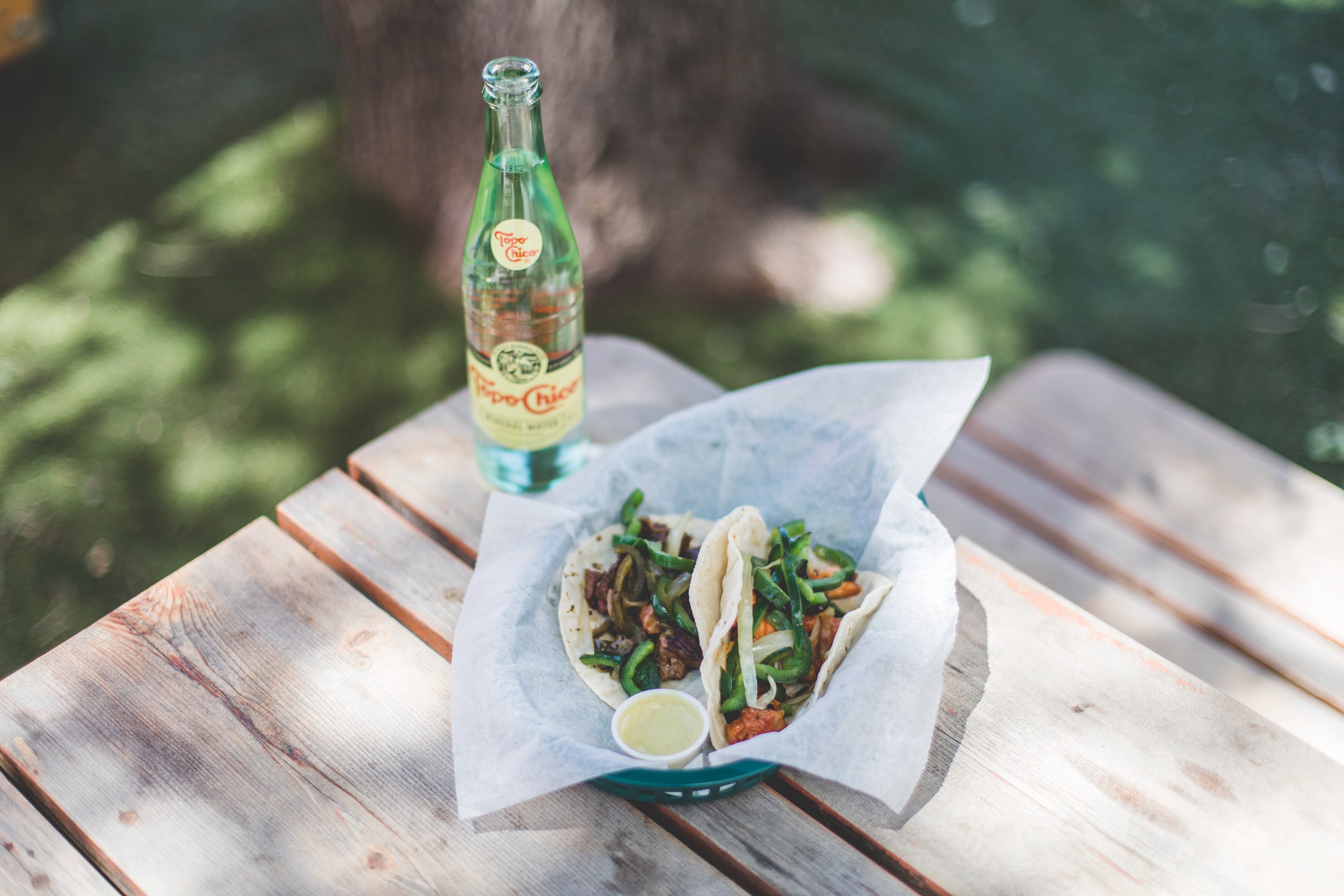
Also known as Westlake Hills, this is one of the most sought-after addresses in Central Texas. Set among rolling hills and mature oaks minutes from downtown Austin, Westlake pairs custom estate living with Eanes ISD, the highest-rated school district in the region. Tree-lined streets, Hill Country views, and genuine privacy this close to a major city are why the address holds its value.
Westlake is Austin's top luxury market and it prices like it. This is a custom-estate market on large, private lots: no production builders, no repeating floor plans, and very little inventory at any given moment. Limited supply, Eanes ISD, and a short drive downtown have kept valuations firm through broader market swings. Prices here move fast enough that publishing a median would only mislead you. Ask me for current comps and I will pull what has closed on the streets you care about.
Eanes Independent School District is the highest-rated district in the Austin area and one of the strongest in Texas, holding an A rating from the Texas Education Agency. Westlake High School is the flagship campus, known nationally for academics, athletics, and college placement.
Here is the part that costs people money: the Eanes boundary does not follow the Westlake name or the 78746 zip code. Homes marketed as Westlake can sit outside the district, and parts of 78746 feed Austin ISD instead. Attendance zones, not the mailing address, drive a real share of the price gap between two otherwise comparable houses. Verify the assigned elementary zone for the specific address before you write an offer, because listing copy gets this wrong often enough to matter.
Dining here runs upscale and understated. The Grove Wine Bar and Kitchen handles the elegant neighborhood dinner, Laurel Restaurant draws people for craft cocktails and a refined room, The Well Westlake covers the health-conscious end, and Violet Sky Rooftop Lounge trades on the view. Downtown Austin's restaurant scene is 12 to 15 minutes out when you want more range. Most of what happens in Westlake, though, happens at home: privacy and the outdoors are the draw.
The natural setting is Westlake's best asset. The Barton Creek Greenbelt puts 809 acres of hiking and biking trails through limestone canyons and creek beds within reach of the neighborhood. Lost Creek Country Club offers private golf, tennis, and fitness. The Hills Country Club has a Jack Nicklaus signature course nearby. Lake Austin is a short drive for boating, paddleboarding, and waterfront dining.
Westlake is almost entirely custom-built estates on generously sized lots. Expect architecturally distinctive houses set among mature oak and cedar, many with Hill Country or downtown skyline views, high-end finishes, and resort-style outdoor living space.
The lots deserve as much attention as the houses. Westlake's terrain is steep and the limestone sits shallow, so two homes with identical square footage can carry very different build costs. Excavation, retaining walls, and engineered foundations on a sloped lot add real money, and that math is why some tear-downs on beautiful view lots sit unbuilt for years. If you are buying to remodel or scrape, price the site work before you price the house.
Downtown Austin is about six miles out, a 12 to 15 minute drive via Bee Caves Road or Loop 360. In rush hour, plan on 25 to 35 minutes. That is the trade Westlake offers: a secluded, tree-covered neighborhood with the business district, restaurants, and music close enough to be a weeknight decision.
Westlake combines a top-rated school district, Hill Country surroundings, custom estate housing, and a short commute downtown. Not much else in Central Texas does all four at once. Tell me which streets and school zones matter to you and I will show you what is available, along with what has recently closed.

Wimberley is a picturesque Hill Country town that offers an escape from urban life while remaining within easy reach of Austin. Known for its crystal-clear swimming holes, vibrant arts community, and charming town square, Wimberley has become one of the most sought-after small-town destinations in Central Texas. Whether you're drawn by the natural beauty of Jacob's Well, the creative energy of the local artist community, or simply the pace of life that comes with Hill Country living, Wimberley delivers something genuinely special. With a median home price around $450,000 to $485,000, Wimberley offers Hill Country living with character and value.
Wimberley's real estate market spans a wide range, reflecting the diversity of its properties and settings. The median sale price falls in the $450,000 to $485,000 range, while listing prices average around $650,000, reflecting the presence of large Hill Country estates and waterfront properties. You'll find everything from charming cottages near the town square to sprawling ranch properties with acreage, creek frontage, and panoramic Hill Country views. The market includes both full-time residents and vacation property buyers drawn by Wimberley's natural beauty and artistic character. For buyers seeking a lifestyle centered around nature, community, and creative culture, Wimberley's market offers compelling options.
Wimberley Independent School District serves the community with a compact, well-regarded district of approximately 2,700 students. The district is known for its strong academic performance and the personal attention that comes with a smaller school community. The smaller scale means students benefit from close relationships with teachers and staff, and community involvement in schools is strong. For buyers moving from larger districts, the intimate educational environment is often cited as one of Wimberley's most appealing features.
Wimberley's dining and lifestyle scene punches well above its size. The downtown square features a charming collection of restaurants, shops, and galleries that reflect the town's creative spirit. The Leaning Pear offers refined Hill Country cuisine, CreekHouse Kitchen and Bar provides a modern dining experience alongside Cypress Creek, and Community Pizza and Beer Garden is a local gathering spot. Wimberley Cafe serves classic Texas comfort food in a vintage setting, while Jobell Cafe and Bistro and Linda's Fine Foods add culinary variety. The square's boutiques offer unique shopping: Kiss the Cook, Gold Dust, Whimsy, and Wall Street Western. Wimberley Market Days, held the first Saturday of each month from March through December with over 500 vendor booths, is one of the largest outdoor markets in Texas.
Outdoor recreation is Wimberley's crown jewel. Jacob's Well, a crystal-clear artesian spring that descends over 100 feet into the earth, is one of the most spectacular natural swimming spots in Texas. Blue Hole Regional Park offers spring-fed swimming, kayaking, and picnicking in a stunning creekside setting. Old Baldy, a short but scenic hike, rewards climbers with panoramic Hill Country views. Cypress Creek flows through town, providing swimming, wading, and waterside relaxation. The Blanco River adds additional recreation on the outskirts. For outdoor enthusiasts, Wimberley's natural amenities rival destinations many times its size.
Wimberley's housing reflects the diversity and character of the Hill Country landscape. You'll find historic homes near the town square, creek-side properties with direct water access, modern Hill Country estates on elevated lots with panoramic views, and ranch properties with significant acreage for those seeking space and privacy. Architectural styles range from traditional Texas ranch to contemporary Hill Country modern, with native stone, metal roofing, and large windows that frame the natural surroundings. The settings vary: creekside, hilltop, wooded, pastoral. Each property offers a distinct relationship with the landscape.
Wimberley sits approximately 30 to 45 minutes southwest of downtown Austin via Ranch Roads 12 and 1320, a scenic drive through some of the most beautiful terrain in the Hill Country. The town is car-dependent, with limited public transit, but the drive to Austin is part of the appeal for many residents who enjoy the daily transition from urban to rural. San Marcos and its I-35 corridor amenities are approximately 15 minutes east. The town's compact center is walkable, and the slower pace of life means that getting around Wimberley itself is relaxed and unhurried.
Wimberley offers a lifestyle that Austin simply cannot: crystal-clear swimming holes, a creative small-town community, Hill Country beauty at every turn, and the kind of pace that lets you enjoy it all. It's a place where Saturday mornings mean the market on the square, where summer afternoons mean floating in spring-fed waters, and where the stars are visible at night. If Hill Country living with artistic character and natural beauty is calling you, I'd love to help you find your home in Wimberley.
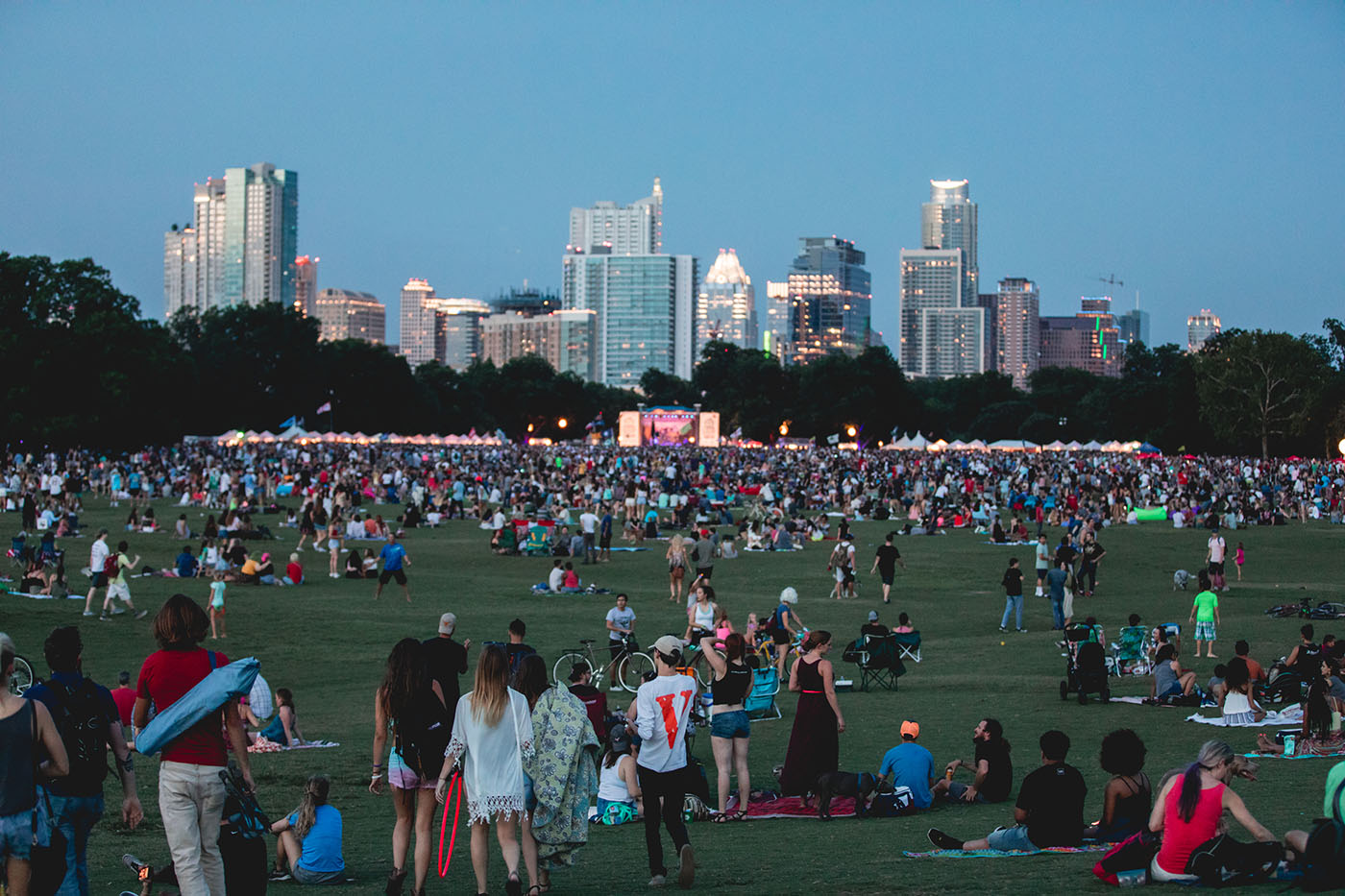
Outdoor enthusiasts, music lovers, and those seeking an active lifestyle want to live in Zilker. This enchanting neighborhood has endless things to do: Barton Springs, Zilker Park, and the Lady Bird Lake trail are a biker's, runner's, and water lover's dream. Residents can walk to ACL, the Kite Festival, Blues on the Green, the Trail of Lights, and countless other events. Zilker is more than a neighborhood. It is a lifestyle, and it is one of the most beloved places to live in all of Austin.
Zilker is one of Austin's most desirable and sought-after neighborhoods. Median home prices generally range from $900,000 to over $1.1 million, reflecting the area's exceptional location and lifestyle. Prices move with the market, so ask me for current comps before you price a home or write an offer. The 78704 zip code remains among the highest-demand areas in the city, homes move quickly when priced correctly, and the neighborhood's limited inventory keeps values strong. Zilker is a long-term investment in one of Austin's most irreplaceable locations.
Zilker is served by the Austin Independent School District. Zilker Elementary School at 1900 Bluebonnet Lane is the anchor campus and a beloved neighborhood institution. For middle and high school, students typically attend O. Henry Middle School and Austin High School, both well-regarded campuses with strong academic and extracurricular programs. Campus assignments vary by address, so confirm the zoning for any specific home before you commit to it.
Zilker sits at the crossroads of some of Austin's best dining corridors. South Lamar Boulevard is lined with acclaimed restaurants: Uchi for world-class Japanese cuisine, Odd Duck for inventive farm-to-table dishes, and the Alamo Drafthouse for dinner and a movie. Barton Springs Road offers casual favorites including Lou's and Barton Springs Saloon. Newer additions like Tiki Tatsu-Ya and Punch Bowl Social keep the scene evolving. Whether it is a date-night dinner or Sunday brunch, Zilker puts you within walking distance of some of the best food in Austin.
This is where Zilker truly shines. The neighborhood wraps around Zilker Metropolitan Park, over 350 acres of green space, sports facilities, and the legendary Barton Springs Pool, a spring-fed swimming hole that stays a refreshing 68 to 70 degrees year-round. The Zilker Botanical Garden offers a peaceful escape within the park, and the Lady Bird Lake hike-and-bike trail provides miles of scenic paths for running, cycling, and paddleboarding. Living in Zilker means having Austin's greatest outdoor playground as your backyard.
Zilker Park hosts the Austin City Limits Music Festival every October, two weekends of over 100 bands across nine stages, drawing more than 450,000 music fans. But ACL is just the headline. Throughout the year, residents enjoy the Zilker Kite Festival, Blues on the Green summer concert series, the Trail of Lights during the holidays, and countless community gatherings in the park. The events calendar here is unmatched in Austin.
Zilker's housing stock is a charming mix of single-family homes spanning several decades of Austin architecture. You will find mid-century modern gems, classic bungalows, and newer contemporary builds on tree-lined streets. The neighborhood has a settled, residential feel despite its proximity to bustling South Lamar and downtown. Some townhome options exist for buyers seeking lower maintenance, but single-family homes remain the heart of Zilker's real estate market.
Zilker is just three to five miles from downtown Austin, making it one of the closest-in neighborhoods. Off-peak, the drive is 10 to 15 minutes via South Lamar or MoPac. During rush hour, expect 15 to 25 minutes. Many residents bike or bus to work, and the neighborhood's walkability to restaurants, parks, and entertainment makes a car optional for day-to-day life. It is central Austin living at its best.
Zilker is where Austin's outdoor culture, music heritage, and neighborhood charm come together in one extraordinary package. The parks, the food, the festivals, and the community make it one of the most special places to call home, not just in Austin but anywhere. If Zilker has been on your wish list, let me help you find your spot in this iconic neighborhood.


Wimberley is a picturesque Hill Country town that offers an escape from urban life while remaining within easy reach of Austin. Known for its crystal-clear swimming holes, vibrant arts community, and charming town square, Wimberley has become one of the most sought-after small-town destinations in Central Texas. Whether you're drawn by the natural beauty of Jacob's Well, the creative energy of the local artist community, or simply the pace of life that comes with Hill Country living, Wimberley delivers something genuinely special. With a median home price around $450,000 to $485,000, Wimberley offers Hill Country living with character and value.
Wimberley's real estate market spans a wide range, reflecting the diversity of its properties and settings. The median sale price falls in the $450,000 to $485,000 range, while listing prices average around $650,000, reflecting the presence of large Hill Country estates and waterfront properties. You'll find everything from charming cottages near the town square to sprawling ranch properties with acreage, creek frontage, and panoramic Hill Country views. The market includes both full-time residents and vacation property buyers drawn by Wimberley's natural beauty and artistic character. For buyers seeking a lifestyle centered around nature, community, and creative culture, Wimberley's market offers compelling options.
Wimberley Independent School District serves the community with a compact, well-regarded district of approximately 2,700 students. The district is known for its strong academic performance and the personal attention that comes with a smaller school community. The smaller scale means students benefit from close relationships with teachers and staff, and community involvement in schools is strong. For buyers moving from larger districts, the intimate educational environment is often cited as one of Wimberley's most appealing features.
Wimberley's dining and lifestyle scene punches well above its size. The downtown square features a charming collection of restaurants, shops, and galleries that reflect the town's creative spirit. The Leaning Pear offers refined Hill Country cuisine, CreekHouse Kitchen and Bar provides a modern dining experience alongside Cypress Creek, and Community Pizza and Beer Garden is a local gathering spot. Wimberley Cafe serves classic Texas comfort food in a vintage setting, while Jobell Cafe and Bistro and Linda's Fine Foods add culinary variety. The square's boutiques offer unique shopping: Kiss the Cook, Gold Dust, Whimsy, and Wall Street Western. Wimberley Market Days, held the first Saturday of each month from March through December with over 500 vendor booths, is one of the largest outdoor markets in Texas.
Outdoor recreation is Wimberley's crown jewel. Jacob's Well, a crystal-clear artesian spring that descends over 100 feet into the earth, is one of the most spectacular natural swimming spots in Texas. Blue Hole Regional Park offers spring-fed swimming, kayaking, and picnicking in a stunning creekside setting. Old Baldy, a short but scenic hike, rewards climbers with panoramic Hill Country views. Cypress Creek flows through town, providing swimming, wading, and waterside relaxation. The Blanco River adds additional recreation on the outskirts. For outdoor enthusiasts, Wimberley's natural amenities rival destinations many times its size.
Wimberley's housing reflects the diversity and character of the Hill Country landscape. You'll find historic homes near the town square, creek-side properties with direct water access, modern Hill Country estates on elevated lots with panoramic views, and ranch properties with significant acreage for those seeking space and privacy. Architectural styles range from traditional Texas ranch to contemporary Hill Country modern, with native stone, metal roofing, and large windows that frame the natural surroundings. The settings vary: creekside, hilltop, wooded, pastoral. Each property offers a distinct relationship with the landscape.
Wimberley sits approximately 30 to 45 minutes southwest of downtown Austin via Ranch Roads 12 and 1320, a scenic drive through some of the most beautiful terrain in the Hill Country. The town is car-dependent, with limited public transit, but the drive to Austin is part of the appeal for many residents who enjoy the daily transition from urban to rural. San Marcos and its I-35 corridor amenities are approximately 15 minutes east. The town's compact center is walkable, and the slower pace of life means that getting around Wimberley itself is relaxed and unhurried.
Wimberley offers a lifestyle that Austin simply cannot: crystal-clear swimming holes, a creative small-town community, Hill Country beauty at every turn, and the kind of pace that lets you enjoy it all. It's a place where Saturday mornings mean the market on the square, where summer afternoons mean floating in spring-fed waters, and where the stars are visible at night. If Hill Country living with artistic character and natural beauty is calling you, I'd love to help you find your home in Wimberley.
Westgate sits near William Cannon Drive and South Lamar Boulevard in south Austin: tree-lined streets, ranch houses on real lots, and a location that puts Barton Creek Greenbelt hiking and Central Market inside a short drive. Suburban lot size at an in-city address is the whole pitch, and it holds up.
The housing stock runs from the 1960s through the 1980s, which means the gap between an un-updated house and a fully renovated one is wide. That gap is the decision. You are choosing between paying for somebody else's remodel or doing your own, and the same street will show you both. Ask me for current comps so you can see the spread in real numbers before you pick a lane.
The other thing about a house from that era: original plumbing, original electrical, and HVAC on its second or third life are all live possibilities. The inspection carries more weight here than it does on a five-year-old build. I read those reports closely and I will tell you which findings are worth pushing on and which are just the age of the house.
Westgate is zoned to Austin Independent School District. Students attend schools including Sunset Valley Elementary, Joslin Elementary, Covington Middle School, and Crockett High School. Several private and charter options are reachable from the neighborhood, and the central south Austin position makes getting across the district straightforward.
Westgate Shopping Center does more work than a strip center should. Central Market Westgate anchors it with prepared foods, a deep wine selection, and specialty items, and it functions as a neighborhood gathering spot as much as a grocery store. The center also holds Regal Westgate cinema and LA Fitness. Pinthouse Pizza, Dan's Hamburgers, and Sap's Ver Fine Thai Cuisine cover the neighborhood dining rotation. South Lamar Boulevard adds restaurants, coffee shops, and boutiques a few minutes out.
Garrison Park brings a swimming pool and sports facilities on generous grounds. Joslin Park has a running trail, a tennis court, a playscape, and mature shade trees. The Barton Creek Greenbelt, one of Austin's most celebrated natural features, is reachable from the neighborhood for hiking and mountain biking through limestone canyons and creek corridors. Closer to home, the mature tree canopy does real work in August.
Ranch-style single-family homes, built from the 1960s through the 1980s, mostly single-story, with larger lawns, mature trees, and stone facade elements. Many have been remodeled with updated kitchens, expanded living space, and current finishes. What you cannot buy new anywhere near this close to downtown is the lot. That is the durable part of the value here: the land, the trees, and setbacks nobody builds anymore.
Ben White Boulevard (Highway 71) handles east-west. South Lamar Boulevard and MoPac Expressway run north-south to downtown, typically a 10 to 15 minute drive off-peak. Loop 360 opens up the west side. Capital Metro bus routes serve the major corridors. Austin-Bergstrom International Airport is about 15 minutes east.
Mature trees, lots that new construction cannot match at this distance from downtown, Central Market at the corner, Barton Creek Greenbelt within reach, and a drive downtown you can measure in minutes. Westgate is substance over flash, which is part of why it does not get talked about the way it should. Let's look at what is on the market and what it should trade for.
University Hills and Windsor Park are two interconnected northeast Austin neighborhoods that have become some of the most exciting places to buy in the city. With charming 1950s ranch homes on tree-shaded streets, a rapidly improving retail and dining scene driven by the nearby Mueller redevelopment, and median home prices that offer genuine value for their central location, these neighborhoods deliver the rare combination of mid-century character, modern amenities, and accessible pricing. If you're looking for a neighborhood that's arrived without losing its soul, University Hills and Windsor Park deserve your attention.
The real estate market across these neighborhoods offers compelling value for northeast Austin. University Hills features a median home price around $534,000, while Windsor Park comes in around $365,000, both significantly below Austin's overall median. Homes in the combined area average around $560,000, reflecting growing demand as buyers discover the neighborhoods' character and convenience. Properties range from original 1950s homes needing updates to fully renovated mid-century gems. The proximity to Mueller and the ongoing investment in the area suggest strong appreciation potential for the foreseeable future.
The neighborhoods are served by Austin Independent School District, with students attending schools including Andrews Elementary in University Hills and Graham Elementary in Windsor Park. Dobie Middle School and Northeast Early College High School, which offers students the opportunity to earn college credits during high school, serve the broader area. The district provides transportation for eligible students, and the neighborhoods' central location makes accessing schools throughout the AISD system relatively convenient.
The dining and retail landscape in University Hills and Windsor Park has been transformed by the nearby Mueller development, which brought major retailers including H-E-B (with an exceptional fresh foods section), Target, Best Buy, Home Depot, Old Navy, and PetSmart to the area. Local dining favorites add neighborhood character: Paco's Tacos for breakfast and brunch, Nomad for local beers and trivia nights, and a diverse collection of restaurants serving cuisines from Cuban to Thai to barbecue. Capital Plaza shopping center provides additional retail options. The neighborhoods' proximity to East Austin's restaurant scene adds even more dining variety.
The Mueller redevelopment has added significant park space and recreation to the area, with community parks, playgrounds, and gathering spaces that serve both new and established neighborhoods. The neighborhoods themselves feature mature tree canopies, rolling terrain, and the kind of walkable residential streets that invite evening strolls and neighborhood exploration. Cycling is popular given the relatively flat terrain and growing bike infrastructure. Bartholomew District Park, located nearby, offers swimming, sports courts, and playgrounds. The broader northeast Austin trail network continues to expand with new connections and improvements.
Housing in University Hills and Windsor Park is defined by charming 1950s ranch-style homes on tree-shaded lots with curving streets and mature oak trees. These original homes feature period character that many buyers find irresistible: hardwood floors, brick exteriors, and generous yards. Some have been fully renovated with modern kitchens, updated bathrooms, and expanded living spaces while maintaining their mid-century appeal. New construction and additions are also appearing on select lots. For buyers who appreciate architectural character and neighborhood charm at accessible price points, these neighborhoods offer outstanding options.
University Hills and Windsor Park benefit from a northeast Austin location that provides multiple route options to employment centers and destinations throughout the city. I-35 forms the eastern boundary, providing direct north-south access. Highway 290 runs along the northern edge. The proximity to Mueller and East Austin means downtown is approximately 10 to 15 minutes away. Capital Metro bus routes serve the area, and the improving cycling infrastructure makes bike commuting increasingly viable. Austin-Bergstrom International Airport is approximately 20 minutes south.
University Hills and Windsor Park offer what savvy Austin buyers are looking for: mid-century character homes on tree-lined streets, a rapidly improving neighborhood infrastructure, and prices that still represent genuine value for the location. These are neighborhoods where 1950s charm meets 2020s convenience, where your neighbors are a mix of longtime residents and newcomers who've discovered the same secret. If northeast Austin character and value appeal to you, I'd love to help you find your home in University Hills or Windsor Park.
Travis Country is one of southwest Austin's most sought-after established neighborhoods, offering an exceptional combination of natural beauty, top-rated schools, and proximity to the Barton Creek Greenbelt. Recognized as Austin's first environmentally planned neighborhood when it was established in 1972, Travis Country has matured into an established residential community where wooded lots, community green spaces, and Hill Country character define everyday life. It draws buyers who value nature, schools, and quality of life in equal measure.
The 78735 median sale price sits around $825,000, with properties ranging from roughly $600,000 for smaller or older homes to well over $1.2 million for updated estates on the neighborhood's best lots. That median is zip-level across all property types, so ask me for comps on the specific street before you price a home or write an offer. Inventory here has been running tighter than the metro average, which means well-priced homes still move. The neighborhood's maturity means most homes are well-established, with many thoughtfully renovated and expanded over the years. For buyers who want a proven neighborhood rather than taking a chance on newer development, Travis Country's track record speaks for itself.
Travis Country falls within Austin Independent School District, with students attending well-regarded campuses including Oak Hill Elementary and Austin High School. Regents School of Austin, widely considered one of the top private schools in Austin, is also located nearby, providing an exceptional private education option. The quality of both public and private school access is a significant draw for buyers choosing Travis Country. Campus assignments vary by address, so confirm the zoning for any specific home before you commit to it.
Travis Country's lifestyle balances residential serenity with convenient access to southwest Austin's shopping and dining destinations. The Southwest Parkway corridor provides access to nearby restaurants and services, while Barton Creek Square Mall, featuring Dillard's, Macy's, Nordstrom, and over 180 specialty stores, is a short drive away. Sunset Valley's dining and retail options add variety, and downtown Austin's full spectrum of restaurants, entertainment, and cultural venues is approximately 15 minutes north. The neighborhood itself prioritizes quiet, nature-oriented living: the kind of place where you hear birdsong rather than traffic.
Outdoor living is Travis Country's signature feature. The neighborhood directly adjoins the Barton Creek Greenbelt, providing residents with immediate access to 7.2 miles of hiking, biking, and nature trails through one of Austin's most treasured natural corridors. Gus Fruh District Park, with its rocky terrain and scenic views, is accessible from the neighborhood. Within Travis Country itself, the Blue Valley Amenity Area, Hilltop Amenity Area, Wildflower Preserve, and Sycamore Creek Nature Trail provide additional green space and recreation. Gaines Creek Park adds another community gathering spot. The neighborhood's environmental planning heritage is visible in its preserved natural areas and mature tree canopy.
Travis Country's housing stock features established single-family homes on generous, wooded lots that reflect the neighborhood's environmental planning philosophy. You'll find a mix of traditional, contemporary, and updated homes, many with renovations that blend modern comfort with the neighborhood's natural setting. Larger properties and estate-style homes are available in the most sought-after sections. The environmental design ethic means homes are integrated into the landscape rather than imposed upon it, so expect mature trees, natural drainage features, and a relationship between indoor and outdoor living that's increasingly valued in Austin's real estate market.
Travis Country connects to the broader Austin area via Southwest Parkway and MoPac Expressway (Loop 1). Downtown Austin is approximately 15 minutes north during off-peak hours, making it one of the more accessible southwest Austin neighborhoods for commuters. The Loop 360 (Capital of Texas Highway) corridor provides alternative routing to employment centers and shopping. The neighborhood's proximity to Barton Creek and the greenbelt means outdoor recreation is literally at your doorstep. Austin-Bergstrom International Airport is approximately 20 minutes southeast.
Travis Country delivers the southwest Austin lifestyle that discerning buyers seek: direct Barton Creek Greenbelt access, mature Hill Country landscaping, excellent school options, and a neighborhood character rooted in environmental stewardship. It's a place where nature is your neighbor, where morning runs happen on greenbelt trails, and where the quality of daily life is simply exceptional. If established southwest Austin living with natural beauty and strong schools appeals to you, I'd love to help you find your home in Travis Country.
Taylor is a historic Texas city northeast of Austin that's experiencing one of the most dramatic transformations in the region, driven by Samsung's $25 billion semiconductor fabrication plant currently under construction. This Williamson County community of approximately 18,000 residents has maintained its small-town Texas character while positioning itself at the center of Central Texas's booming tech manufacturing corridor. With a median home price around $275,000, Taylor offers some of the most accessible homeownership opportunities in the greater Austin metro, with significant growth on the horizon.
Taylor's real estate market offers remarkable affordability compared to Austin proper, with a median home price around $275,000, roughly half of what comparable homes cost closer to the city center. Homes range from the low $200s for established properties to $400,000 and above for newer construction. The market is dynamic, with approximately 6,000 new homes expected to be built in the coming years to meet growing demand driven by the Samsung plant and related industries. Apartment occupancy sits at 96 percent, reflecting strong rental demand. For buyers seeking value with significant appreciation potential, Taylor represents one of the most compelling opportunities in the Austin metro.
Taylor Independent School District serves the community with a strong roster of campuses. Taylor High School features a recently completed $32.5 million facility with modern amenities including culinary arts programming. Legacy Early College High School offers students the opportunity to earn up to 60 college credit hours while completing their high school education. Taylor Middle School, Main Street Elementary, Naomi Pasemann Elementary, and T.H. Johnson Elementary round out the district's offerings. The district continues to invest in facilities and programming to serve the growing community.
Taylor's lifestyle blends small-town Texas charm with the energy of a community on the rise. The historic downtown features local restaurants, shops, and the kind of genuine Main Street character that many Texas towns have lost. As the population grows, new dining and retail options are expanding to meet demand. Taylor's famous barbecue heritage remains a point of local pride. The city has long been a destination for authentic Central Texas barbecue. Community events and festivals bring neighbors together throughout the year, maintaining the small-town connections that long-time residents cherish.
Taylor's parks system provides green space and recreation for residents throughout the community. The city's parks feature playgrounds, sports fields, walking trails, and picnic areas. As the community grows, investment in parks and recreation infrastructure is expanding to meet the needs of new residents. The surrounding Blackland Prairie landscape offers open spaces and agricultural scenery that provide a refreshing contrast to Austin's urban density. For outdoor enthusiasts, the broader Central Texas region provides easy access to lakes, rivers, and Hill Country recreation within a reasonable drive.
Taylor's housing market includes a diverse mix of historic homes in the original town core, established suburban neighborhoods, and new construction communities that are rapidly expanding on the city's edges. Historic downtown homes feature the architectural character of early Texas construction: front porches, mature trees, and walkable lots. Newer developments offer modern floor plans with contemporary amenities. For buyers seeking acreage, properties on the outskirts provide space and privacy at price points well below what comparable land costs closer to Austin. The range of housing options makes Taylor accessible to first-time buyers, move-up buyers, and investors alike.
Taylor sits approximately 35 miles northeast of downtown Austin, with a typical commute of 35 to 40 minutes via US Highway 79 and I-35. State Highway 130, the toll bypass east of Austin, provides an alternative route that avoids I-35 congestion. Amtrak train service connects Taylor to Austin with one daily trip, taking about 51 minutes. The Capital Area Rural Transit system provides local bus service. For daily commuters, the drive to major Austin-area employment centers is manageable, and the Samsung plant and related industries are bringing thousands of jobs directly to Taylor. Austin-Bergstrom International Airport is approximately 40 minutes south.
Taylor is a city at a pivotal moment: a place where small-town Texas values meet transformative economic growth. The Samsung investment is reshaping the community while Taylor works to preserve the character and affordability that make it special. For buyers who want to be part of that growth story, who value accessible homeownership, and who see the potential in a city poised for significant expansion, Taylor offers an opportunity that's hard to match in the Austin metro. I'd love to help you explore what Taylor has to offer.
Sun City Texas is a Del Webb 55-plus active adult community spread across 5,300 acres of Hill Country in Georgetown. Three championship golf courses, four fitness centers, eight pools, and a calendar stacked with clubs and classes all sit inside the gates. It is one of the largest communities of its kind in the country, and the amenity package is why.
One rule shapes this entire market: Sun City is deed-restricted 55-plus housing. That restriction is recorded against the property, not a marketing preference, and it is permitted under the Housing for Older Persons Act. Inventory runs from smaller resale floor plans to custom homes on golf course frontage and Hill Country view lots, which trade at a different level than interior lots. Some new construction remains available alongside resale. Prices move. Ask me for current comps instead of trusting a number on a website.
Here is the part buyers get wrong. The HOA covers exterior maintenance, lawn care, and common area upkeep, and the dues buy access to the golf, the pools, and the fitness centers. Compare a Sun City payment straight across to a house payment somewhere with no HOA and Sun City looks expensive. Add back what you would pay separately for yard service, a gym membership, and golf, and the math changes. Run that comparison before you decide anything.
Sun City sits inside the Georgetown Independent School District. Southwestern University is close enough that its cultural and educational programming lands on the community calendar.
Three on-site restaurants mean dinner does not require leaving the community. The Village Center handles shopping, dining, and gathering space. The social calendar runs deep: art workshops, book clubs, dance groups, travel excursions. Downtown Georgetown's historic square, named one of the most beautiful town squares in Texas, is a short drive out for restaurants, shops, galleries, and events all year.
Three championship golf courses, routed through the Hill Country terrain. Four fitness centers with group classes, weight rooms, and cardio equipment. Eight resort-style pools scattered across the community. Tennis, pickleball, bocce ball, horseshoes, and sports fields. A lakeside amphitheater for concerts and events. Walking and nature trails threading the landscaped grounds. Very few communities anywhere pack this much recreation inside one set of gates.
Floor plans skew single-story, and that is the real structural difference between Sun City and a standard subdivision: no stairs, wider halls, layouts built for low-maintenance ownership. Sizes run from efficient one-bedroom models to four-bedroom custom homes. Architecture leans Hill Country, with stone and stucco exteriors, covered patios, and open plans. The HOA takes exterior maintenance, lawn care, and common area upkeep off your list.
Sun City sits about five miles northwest of I-35 and roughly 35 miles north of downtown Austin. I-35 runs you to Round Rock, Austin, and San Antonio. Georgetown's downtown square is minutes away. Inside the community, an internal road network connects the neighborhoods to the amenity centers, the golf courses, and the Village Center. You will need a car for anything outside the gates, though a lot of daily life happens without one. Austin-Bergstrom International Airport is about 45 minutes south.
Championship golf, resort-style pools, serious fitness facilities, and a programming calendar most small cities cannot match, on 5,300 acres of Hill Country. The 55-plus deed restriction is the entry requirement. If you meet it and you want that amenity package, this is the largest and deepest version of it in Central Texas. Let's talk about what is available and what it should cost.
Steiner Ranch is one of the Austin area's premier master-planned communities, offering resort-style living across 4,600 acres of rolling Hill Country terrain between Lake Travis and Lake Austin. With over 3,600 homes spread across 50 distinct subdivisions, Steiner Ranch delivers an exceptional combination of lakeside recreation, top-rated Leander ISD schools, and community amenities that rival any development in Central Texas.
The 78732 median sale price sits around $840,000. Homes span an unusually wide range for one community, from the $250s for condos and townhomes to over $4 million for premier lakefront estates, so the median tells you less here than it would elsewhere. That figure is zip-level across all property types, and the 50 subdivisions each sit at different points within it, so ask me for comps on the specific section you are considering. Inventory has been running near the metro average, and homes have been closing slightly under asking, which means there is usually room to negotiate.
The community's subdivisions each offer slightly different characteristics, from neighborhoods with community pools to gated enclaves with lake access. That range means Steiner Ranch spans first-time buyers through the luxury market inside one community framework.
Steiner Ranch is served by Leander Independent School District, one of the most highly regarded districts in Central Texas. Students attend Steiner Ranch Elementary, River Ridge Elementary, Canyon Ridge Middle School, and Vandegrift High School, all of which receive strong academic ratings. Vandegrift High School in particular has earned recognition for its rigorous academics, competitive athletics, and comprehensive fine arts programs. The quality of Leander ISD schools is consistently cited as one of the primary reasons buyers choose Steiner Ranch. Campus assignments vary by address, so confirm the zoning for any specific home before you commit to it.
Life in Steiner Ranch is centered around community and recreation. The neighborhood's three amenity centers serve as social hubs, hosting events, fitness classes, and community gatherings throughout the year. While the community itself is primarily residential, the nearby Highway 620 and RR 2222 corridors provide access to a growing selection of restaurants, shops, and services. The Oasis on Lake Travis, one of Austin's most famous sunset-watching destinations, is nearby. For a broader dining and entertainment experience, downtown Austin is accessible via a scenic 20-mile drive through the Hill Country.
Outdoor recreation is the heartbeat of Steiner Ranch. The community features three swimming pools (including a splash pad), tennis courts, basketball courts, playgrounds, sports fields, and miles of scenic hike-and-bike trails that wind through the Hill Country landscape. Lake Travis and Lake Austin are both accessible for boating, kayaking, fishing, and swimming. The surrounding Hill Country terrain provides natural beauty at every turn: limestone outcroppings, mature oaks, and wildlife are part of everyday life. For residents who value an active, outdoor-oriented lifestyle, Steiner Ranch delivers year-round.
Steiner Ranch's housing spans the full spectrum of suburban and luxury living. You'll find well-built homes with three to four bedrooms and community pool access alongside expansive estates on multi-acre lots with private lake access. Architectural styles range from traditional Texas Hill Country stone to contemporary designs with clean lines and walls of windows. Many homes feature outdoor living areas, pools, and views that take full advantage of the community's elevated terrain. The range of options across 50 subdivisions means buyers can find their ideal home without leaving the Steiner Ranch community.
Steiner Ranch connects to the broader Austin area via RR 620 and RR 2222, with downtown Austin approximately 20 miles to the southeast. The commute to downtown takes about 25 minutes without traffic, though peak-hour travel can extend to 45 minutes or more, a trade-off that residents accept for the lifestyle the community offers. The community has two primary access points from the main roads. The Highway 183 and Loop 360 corridors provide alternative routes to employment centers and shopping. Austin-Bergstrom International Airport is approximately 35 minutes south.
Steiner Ranch delivers the Lake Travis lifestyle in a beautifully planned community: top-rated schools, resort-level amenities, lakeside recreation, and Hill Country beauty all wrapped into one address. It's a place where weekends mean community pools, neighborhood trails, and sunsets over the lake. If master-planned community living with lake access and exceptional schools is what you're looking for, I'd love to show you around Steiner Ranch.
Springdale is one of East Austin's most dynamic and rapidly evolving neighborhoods, sitting at the intersection of creative culture, urban convenience, and some of the most exciting redevelopment happening anywhere in the city. Located just a few miles east of downtown along the Springdale Road corridor, this neighborhood has become a magnet for artists, entrepreneurs, and homebuyers who want to be part of East Austin's transformation while still finding relative value compared to neighborhoods closer to the core. With median home prices in the mid-$600s, Springdale offers an authentic East Austin experience with strong growth momentum.
Springdale's real estate market reflects the broader East Austin story of rising demand and steady appreciation. The median home price sits in the mid-$600s, with properties ranging from the low $400s for smaller homes and condos to over $1 million for newer custom builds and renovated properties. The market features a mix of original Austin bungalows, updated mid-century homes, and modern new construction that has accelerated in recent years. For buyers who value character, creativity, and urban energy, Springdale offers a combination of authenticity and investment potential that's increasingly hard to find this close to downtown.
Springdale is served by Austin Independent School District, with students attending area campuses including Pecan Springs Elementary and Northeast Early College High School, which offers students the opportunity to earn college credits alongside their high school diploma. The broader AISD system provides additional options throughout the district. The neighborhood's proximity to major corridors makes accessing schools across Austin relatively convenient. Charter and private school alternatives are also available in the surrounding area.
Springdale's dining and lifestyle scene captures everything that makes East Austin special. The Springdale General complex, a 165,000-square-foot creative community, houses maker studios, creative offices, and gathering spaces that anchor the neighborhood's artistic identity. Along the corridor, you'll find a growing collection of restaurants, breweries, and cafes, including acclaimed spots like Uroko for refined Japanese cuisine. The Springdale Shopping Center, anchored by H-E-B, provides everyday convenience. Downtown Austin's legendary food and music scene is just minutes west, making Springdale a neighborhood where creative community and urban access intersect beautifully.
Springdale residents enjoy excellent access to outdoor recreation, with the Lady Bird Lake Hike-and-Bike Trail reachable from the neighborhood's southern reaches. The east side of the trail tends to be less crowded, offering a more peaceful experience for running, cycling, and walking. Neighborhood parks and green spaces provide local recreation opportunities, and the area's relatively flat terrain makes cycling a practical daily transportation option. The broader East Austin parks network continues to expand with new investments in trails, gathering spaces, and community amenities.
Housing in Springdale spans the full spectrum of East Austin's architectural evolution. You'll find original bungalows and cottage-style homes from earlier decades alongside modern new construction featuring clean lines, open floor plans, and contemporary finishes. Loft-style conversions and creative live-work spaces reflect the neighborhood's maker culture. Many older homes offer renovation potential on lots that are increasingly valuable given the area's proximity to downtown. For buyers drawn to neighborhoods with genuine character and creative energy, Springdale's housing mix delivers variety at multiple price points.
Springdale connects to the broader Austin area via Springdale Road, Manor Road, and Highway 183 (Ed Bluestein Boulevard). Downtown Austin is approximately three to five miles west, making it one of the closest East Austin neighborhoods to the urban core. Capital Metro bus routes serve the corridor, and the relatively flat terrain supports cycling as a viable transportation alternative. The Lady Bird Lake Trail provides a scenic commute route for those heading toward downtown. Austin-Bergstrom International Airport is approximately 15 minutes south.
Springdale offers the East Austin experience at its most creative and connected: a neighborhood where maker culture thrives, where new restaurants and businesses are constantly opening, and where you're just minutes from downtown yet surrounded by genuine community character. It's the kind of place where your neighbors might be artists, entrepreneurs, or longtime residents who've watched the neighborhood evolve. If East Austin's blend of creativity, authenticity, and urban convenience speaks to you, I'd love to help you find your home in Springdale.
Southpark Meadows is a dynamic south Austin community anchored by one of the region's largest retail and dining destinations. Located just 10 minutes south of downtown via I-35, this neighborhood combines the convenience of having over 100 stores and restaurants at your doorstep with the comfort of well-built suburban homes at competitive prices. With an average home price around $504,000, Southpark Meadows offers a compelling value proposition for buyers who want urban convenience in a south Austin setting.
Southpark Meadows' real estate market offers competitively priced homes in a location that punches above its weight for accessibility. The average sale price of approximately $504,000 reflects the area's strong value compared to closer-in Austin neighborhoods. Homes range from the mid-$300s for starter properties to around $600,000 for larger homes on bigger lots. The housing stock features a mix of established single-family homes and newer construction, with midsize homes being the most common format. For buyers who prioritize convenience and access to retail amenities without paying central Austin prices, Southpark Meadows hits a sweet spot.
The area is served by Austin Independent School District, with students attending schools including Menchaca Elementary, Paredes Middle School, and Akins Early College High School. Akins is particularly notable for its six specialized academies offering students career-focused educational pathways: Arts and Humanities, Social Services, Business Leadership, STEM, Green Tech, and New Tech. The district continues to invest in south Austin campuses, and additional charter and private school options are accessible from the neighborhood.
The Southpark Meadows shopping center is the defining lifestyle feature of the area, offering over 100 stores and restaurants in a modern, walkable retail environment. From national restaurant chains and local favorites to grocery stores, fitness centers, and a movie theater, the commercial center provides virtually everything residents need for daily life. The convenience of having this level of retail at your doorstep is a significant quality-of-life advantage that sets Southpark Meadows apart from many south Austin neighborhoods. Downtown Austin's dining and entertainment scene is also just a short drive north.
Southpark Meadows residents have access to community parks and recreation areas within the neighborhood, as well as the broader south Austin parks system. The Mary Moore Searight Metropolitan Park is nearby, offering over 300 acres of trails, disc golf, and natural green space. The Onion Creek Metropolitan Park is also within reach for hiking and dog-walking. The relatively flat terrain of south Austin makes cycling practical, and trail connections continue to improve as the area develops. Outdoor spaces within and around the shopping center provide additional gathering areas for community enjoyment.
Southpark Meadows features primarily midsize single-family homes in a range of architectural styles. Homes typically offer three to four bedrooms with modern amenities including updated kitchens, covered patios, and two-car garages. Both established homes and newer construction are available, giving buyers options in terms of style and price point. The neighborhood's proximity to major retail makes it particularly appealing to buyers who value walkable convenience. Rental properties are also available in the area, making it accessible for those exploring the south Austin market.
Southpark Meadows benefits from excellent connectivity via I-35, which runs through the area and provides direct access to downtown Austin in approximately 10 minutes. The Southpark Meadows Park and Ride facility offers Capital Metro bus service including Routes 10, 3, and 801, connecting to downtown and the broader transit network. The Interurban Coach Gold Route provides weekday commuter service to San Marcos and Texas State University. Austin-Bergstrom International Airport is approximately 10 minutes east, making this one of the most airport-convenient neighborhoods in the metro.
Southpark Meadows offers a practical, convenience-driven lifestyle that's hard to beat in south Austin: 100-plus stores and restaurants outside your door, a 10-minute commute to downtown, easy airport access, and homes at prices that represent real value. It's the kind of neighborhood where everyday life is simply easier. If south Austin convenience and value are what you're after, I'd love to help you explore Southpark Meadows.
Shady Hollow is one of southwest Austin's most established communities, offering a quiet, nature-rich environment with access to strong schools and a genuine neighborhood atmosphere. The community encompasses six distinct sections: Shady Hollow, Shady Hollow West, Shady Hollow Estates, Southland Oaks, Barker Ranch, and Shady Hollow Gardens. Its well-maintained homes sit on generous lots surrounded by mature trees and community green spaces. With a median home price around $635,000, Shady Hollow delivers quality southwest Austin living with character and value.
Shady Hollow's real estate market features solid, well-built homes at prices that represent strong value for southwest Austin. The 12-month median home price of approximately $635,000 has remained relatively stable, reflecting the neighborhood's steady desirability. Homes range from around $450,000 for smaller properties to over $900,000 for larger estates in the higher-priced sections. The housing stock spans from the 1980s through more recent construction, with most homes featuring stone or brick exteriors in traditional or ranch styles. Home sizes typically range from 1,500 to over 4,000 square feet, set on lots of 0.3 to 0.5 acres that provide genuine space and privacy.
Education is one of Shady Hollow's strongest assets. The community is served by Austin ISD, with access to highly rated schools including Baranoff Elementary, Kocurek Elementary, and Menchaca Elementary at the primary level. Bailey Middle School provides a strong intermediate option, and Bowie High School, one of the largest and most comprehensive high schools in Austin, offers over 50 advanced honors courses and a wide range of extracurricular programs. Akins High School is also available as an alternative. The quality of schools accessible from Shady Hollow is a primary reason buyers choose to put down roots here.
Shady Hollow offers a quiet, residential atmosphere that prioritizes community and quality of life over commercial activity. The neighborhood's southwest Austin location provides convenient access to dining and shopping along William Cannon Drive, Slaughter Lane, and the Southpark Meadows commercial center. For a more urban dining experience, downtown Austin is about 20 to 25 minutes north. The community's own amenities create an active neighborhood life that brings residents together throughout the year: a community center, swimming pool, and social events.
Nature is woven into the fabric of Shady Hollow. The Shady Hollow West Nature Preserve offers wooded hiking and bird-watching opportunities. Community parks including Gatling Gun Park, Capistrano Park, and Southland Oaks Neighborhood Park provide green spaces for recreation and gathering. Paved hike-and-bike trails wind through the community, connecting neighborhoods and encouraging outdoor activity. The community swimming pool, tennis courts, and basketball courts round out the recreational amenities. Wildlife sightings, including deer grazing in front yards, are a regular reminder that Shady Hollow maintains a genuine connection to the natural environment.
Shady Hollow's housing is primarily single-family homes with a mix of traditional and ranch-style architecture. Stone and brick exteriors are common, with homes featuring open floor plans, fireplaces, high ceilings, and covered patios. The six sections of the community offer slightly different characters and price points, from the more modest Shady Hollow Gardens to the larger estates in Shady Hollow Estates and Barker Ranch. Most properties include spacious backyards that back up to wooded areas or green spaces. For buyers seeking a well-established community with room to spread out, Shady Hollow offers genuine substance.
Shady Hollow sits approximately 14 miles south of downtown Austin, with commute times averaging 20 to 25 minutes depending on traffic. MoPac Expressway (Loop 1) and I-35 are both accessible for north-south travel. Capital Metro bus routes serve the area with stops along nearby corridors. Slaughter Lane and William Cannon Drive provide east-west connectivity to commercial areas and other neighborhoods. Austin-Bergstrom International Airport is approximately 15 to 20 minutes east, making air travel convenient for frequent flyers.
Shady Hollow delivers what draws buyers to southwest Austin: quality schools, mature trees, community amenities, and a neighborhood atmosphere where you know your neighbors. It's a place where deer wander through front yards, where tree-lined streets invite evening bike rides, and where the pace of life balances suburban comfort with easy city access. If established southwest Austin community living appeals to you, I'd love to help you find your home in Shady Hollow.
San Marcos is a vibrant Hill Country city that's rapidly becoming one of the most popular places to live between Austin and San Antonio. Home to Texas State University and the crystal-clear San Marcos River, this growing city combines college-town energy, natural beauty, and genuine affordability in a package that appeals to first-time buyers, move-up buyers, and investors alike. With a median home price around $365,000 and a strategic location along the I-35 corridor, San Marcos offers outstanding value with strong growth momentum.
San Marcos' real estate market offers remarkable accessibility compared to Austin's higher price points. The median single-family home price sits around $365,000, with options ranging from condos in the low $200s to established homes in desirable neighborhoods like Willow Creek, Blanco Gardens, Hunter's Hill, and Heritage that reach into the $500s and beyond. Downtown San Marcos homes average around $385,000, while the Rio Vista area offers entry points as low as $220,000. The market includes a healthy mix of new construction, established single-family homes, and investment properties that benefit from the steady demand generated by Texas State University's 40,000-plus students.
San Marcos is served by San Marcos Consolidated Independent School District, which offers strong educational options across the community. Blanco Vista Elementary has earned recognition as one of the area's highest-performing schools. San Marcos Baptist Academy provides a well-regarded private option, and Hill Country Christian School offers another alternative. The district's transportation department provides school bus service for eligible students. The presence of Texas State University adds a wealth of educational and cultural resources to the broader community.
San Marcos' lifestyle blends college-town vibrancy with genuine Hill Country charm. The historic downtown square features live music venues like the legendary Cheatham Street Warehouse and The Marc, along with locally owned restaurants, shops, and galleries. Palmer's Restaurant serves Hill Country cuisine in a beautiful courtyard setting, while Root Cellar Cafe has become a local institution for farm-to-table dining. The San Marcos Premium Outlets and Tanger Outlets draw shoppers from across the region. Texas State University adds concerts, sporting events, and cultural programming that enrich the community year-round.
San Marcos is blessed with some of the most beautiful natural recreation in Central Texas. The San Marcos River, fed by crystal-clear springs, offers world-class kayaking, paddling, swimming, and glass-bottom boat tours right in town. Purgatory Creek Natural Area provides over 1,000 acres of hiking trails through pristine Hill Country terrain. Five Mile Dam Park offers river access, fishing, and picnic areas along a scenic stretch of the San Marcos River. The Blanco River adds additional waterfront recreation on the east side of town. For outdoor enthusiasts, San Marcos rivals any community in the region for natural beauty and recreational access.
San Marcos offers housing across a wide spectrum of styles and budgets. Downtown features historic homes with character and charm. Established neighborhoods provide traditional single-family homes with mature landscaping. Newer master-planned communities offer modern construction with community amenities. The investment market is active, with condos and smaller properties serving the university population. For those seeking more space, ranch and acreage properties are available on the outskirts. This diversity makes San Marcos accessible to virtually every type of buyer, from first-time purchasers to seasoned investors.
San Marcos sits along the I-35 corridor, providing direct access to Austin (about 32 minutes north) and San Antonio (about 45 minutes south). A direct bus service connects San Marcos to downtown Austin, and the Interurban Coach Gold Route provides weekday commuter service to Southpark Meadows and central Austin. Amtrak train service connects San Marcos to Austin with one daily trip. The city's municipal bus system serves local routes, and the "Get Around Downtown" shuttle program provides easy access to the city center. Austin-Bergstrom International Airport is approximately 35 minutes north.
San Marcos delivers an exceptional quality of life: crystal-clear rivers, live music on the town square, Hill Country beauty, and genuine affordability in one of the fastest-growing corridors in Texas. Whether you're drawn by the value, the lifestyle, or the investment potential, San Marcos has something compelling to offer. If Hill Country living between Austin and San Antonio appeals to you, I'd love to help you find your home in San Marcos.
Round Rock is one of the fastest-growing cities in Texas and one of the most sought-after communities in the Austin metro. Just 20 miles north of downtown, Round Rock offers an ideal blend of suburban living, excellent schools, and a thriving local economy anchored by Dell Technologies' world headquarters. From legendary Round Rock Donuts to minor league baseball under the lights at Dell Diamond, this city has carved out an identity all its own.
Round Rock's housing market is one of the most accessible in the Austin metro, with median home prices currently in the $390,000 to $410,000 range. The market has shifted toward buyers in recent months, creating opportunities for negotiation and value. Homes range from affordable starter properties in the mid-$200s to custom estates exceeding $600,000 in communities like Teravista, Forest Creek, and Behrens Ranch. New construction remains active with major builders offering modern floor plans and energy-efficient features.
The Round Rock Independent School District (RRISD) is one of the largest and most respected in Texas, serving over 46,000 students across 56 campuses. Five RRISD high schools earned spots on the 2025 AP School Honor Roll, and Cactus Ranch Elementary is the only school in the Austin area to rank in the state's top 25. With seven high schools including Cedar Ridge, McNeil, and Westwood, the district offers excellent options at every level. RRISD's commitment to academic excellence and STEM programs is a major draw for buyers.
No visit to Round Rock is complete without a stop at Round Rock Donuts, serving their famous Texas-sized glazed donuts since 1926. The Salt Lick BBQ on Palm Valley Boulevard is another institution, one of the most celebrated barbecue spots in Central Texas. For a more upscale experience, Blue Corn Harvest Bar and Grill offers farm-to-table Southwestern cuisine. The dining scene continues to grow with new restaurants and craft cocktail bars opening regularly, especially around the new District development at I-35 and SH 45.
Round Rock boasts over 2,270 acres of parkland and more than 20 miles of hike and bike trails. Old Settlers Park spans an impressive 640 acres and features trails, disc golf, and athletic fields. The Brushy Creek Trail provides 6.75 miles of paved paths perfect for runners and cyclists. Play for All Abilities Park is a nationally recognized inclusive playground that welcomes visitors of all ages and abilities. The parks system here is exceptional and continues to expand.
Round Rock is home to the Round Rock Express, the Triple-A affiliate of the Texas Rangers. Dell Diamond is an 8,600-seat venue that hosts baseball games, concerts, and community events throughout the year, complete with a Home Run Dugout, pool and spa, and a Family Fun Zone. Beyond baseball, the city's entertainment options are expanding rapidly with The District, a 66-acre mixed-use development that broke ground in March 2025 featuring 150,000 square feet of retail and restaurant space, 1,500 residential units, and a walkable urban-style center.
Round Rock offers one of the most diverse housing markets in the region. Master-planned communities like Teravista, Forest Creek, and Brushy Creek provide traditional single-family living with resort-style amenities. New townhome developments are emerging for buyers seeking lower maintenance, and mixed-use projects are adding high-density options. Whether you are a first-time buyer, looking for more square footage and a larger yard, or an investor, Round Rock's variety and value are hard to beat.
Round Rock sits about 20 to 25 miles north of downtown Austin along the I-35 corridor, with a typical commute of 30 to 45 minutes. The SH 45 bypass provides an alternative route during heavy traffic. However, with Dell Technologies headquartered locally and a growing commercial base, many residents work close to home. The upcoming District development is further reducing the need for a downtown commute by bringing retail, dining, and employment opportunities right to Round Rock's doorstep.
Round Rock delivers the full package: top-tier schools, affordable homes, world-class employers, and a community that knows how to have fun. It is a city that has outgrown its suburb status and become a destination. If you want the best of Central Texas without the Austin price tag, Round Rock deserves your attention. Let me help you find your place here.
Rob Roy is one of Austin's most prestigious luxury communities, offering expansive estate-style living on wooded, rolling acreage in the heart of the Westlake area. With homes ranging from $700,000 to well over $5 million and lot sizes of one to five acres, Rob Roy delivers the kind of privacy, space, and natural beauty that define premier Hill Country living, all within 15 minutes of downtown Austin. If your vision of home includes gated privacy, mature hardwoods, and Eanes ISD schools, Rob Roy belongs at the top of your list.
Rob Roy's real estate market sits firmly in the luxury tier, with a median home price around $3 million. Homes range from approximately $700,000 for properties in need of updating to well over $5 million for premier custom estates. The community encompasses several distinct sections: Rob Roy, Rob Roy on the Lake, Rob Roy West, and Rob Roy on the Creek. Each offers slightly different characteristics and price points. Home sizes range from 2,500 to over 9,000 square feet, set on generous one- to five-acre lots with mature tree canopies and Hill Country views. Many sections feature gated entries with private security, adding an extra layer of exclusivity.
Rob Roy's location within the Eanes Independent School District is one of its most compelling features. Eanes ISD is consistently ranked among the top five school districts in Texas, and students from Rob Roy typically attend Valley View Elementary, Westridge Middle School, and the nationally ranked Westlake High School. The district is renowned for its rigorous academics, exceptional college placement rates, and comprehensive extracurricular programs. For buyers who prioritize educational excellence, Rob Roy's Eanes ISD access is a significant driver of the community's enduring value.
Rob Roy's Westlake location provides easy access to upscale dining and shopping in nearby Bee Cave, the Hill Country Galleria, and along the Bee Cave Road corridor. The community's proximity to Barton Creek Resort and Country Club adds championship golf and resort-style amenities to the lifestyle equation. Despite its secluded feel, Rob Roy is just 15 minutes from downtown Austin's celebrated restaurant scene, live music venues, and cultural attractions. The combination of estate-level privacy and urban accessibility is what makes Rob Roy uniquely appealing.
Outdoor living in Rob Roy means enjoying the natural beauty of the Texas Hill Country right outside your door. The Barton Creek Greenbelt is accessible from the area, offering miles of hiking and mountain biking trails, swimming holes, and stunning limestone cliffs. Wild Basin Wilderness Preserve nearby provides guided nature walks and pristine Hill Country hiking. Many Rob Roy properties feature private pools, outdoor kitchens, and extensive landscaping that take full advantage of the area's natural beauty. The community's wooded lots and rolling terrain create a park-like setting where deer sightings are a daily occurrence.
Rob Roy's housing is exclusively high-end, custom-built single-family estates. You'll find a range of architectural styles, from traditional Hill Country stone to contemporary glass-and-steel designs, all built to exacting standards on generous acreage. Private pools, outdoor living areas, and multi-car garages are standard features. Many homes offer panoramic Hill Country views, creek frontage, or lake access depending on the specific section. The community's large lots ensure privacy and space between neighbors, creating a retreat-like atmosphere that's hard to find this close to a major city.
Rob Roy connects to the broader Austin area primarily via MoPac Expressway (Loop 1) and Loop 360 (Capital of Texas Highway). Downtown Austin is approximately 15 minutes away, and the Bee Cave commercial corridor is even closer for daily shopping and dining needs. The community is car-dependent, but the proximity to major roads makes commuting straightforward in multiple directions. Austin-Bergstrom International Airport is approximately 25 to 30 minutes south.
Rob Roy represents the pinnacle of luxury Hill Country living within reach of urban Austin. It's a community where acres of wooded privacy come with Eanes ISD zoning, and where you can still be downtown for a meeting or dinner in 15 minutes. If estate-level luxury in a gated, natural setting appeals to you, I'd love to introduce you to Rob Roy.
Spicewood Springs and Cat Mountain form one of northwest Austin's most scenic and desirable residential areas, perched in the hills above the city with panoramic views of the Colorado River, the Austin skyline, and the surrounding Hill Country. With over 26,000 residents spread across forested hillsides and winding streets, this community offers the rare combination of natural beauty, elevated privacy, and quick access to downtown Austin, just 10 to 15 minutes away. If hill-top living with stunning views is your vision, Spicewood Springs and Cat Mountain deliver it beautifully.
Be clear-eyed about the price point here: the 78731 median sale price sits around $1,040,000. This is a seven-figure market, not an entry-level one. Prices range widely depending on location, view, and lot size, with the top of the market well over $2 million for homes with the best panoramas. That median is zip-level across all property types, and Cat Mountain and Spicewood Springs sit at different points within it, so ask me for comps on the specific street you are considering. Inventory has been running tighter than the metro average, which means the good ones do not sit long.
The housing itself ranges from preserved mid-century properties with original character to modern estates with walls of glass framing Hill Country vistas. The area's elevated topography means many homes enjoy vantage points that simply aren't available in flatter parts of Austin.
The area is served by Austin Independent School District, and campus assignments vary by address within the community. Several well-regarded AISD campuses serve the area, and the northwest Austin location provides convenient access to schools throughout the district. Private school options are also available in the broader northwest Austin area. Because two homes on the same street can feed different campuses, confirm the zoning for any specific address before you get attached to it. Send me an address and I will run it.
Spicewood Springs and Cat Mountain's northwest Austin location puts a wealth of dining and shopping within easy reach. The nearby corridors along 360 and 183 offer a wide range of restaurants, and The Domain and Arboretum shopping destinations are a short drive away. Downtown Austin's celebrated food scene and entertainment district are just 10 to 15 minutes south. The community itself has a residential, nature-focused character: forested hills, deer wandering through yards, and Texas sunsets viewed from elevated perches. It's a lifestyle that blends the serenity of Hill Country living with genuine urban proximity.
Outdoor recreation is a way of life in Spicewood Springs and Cat Mountain. The Bull Creek Greenbelt runs along the northern edge of the community, offering a beloved swimming hole, hiking trails, and mountain biking through a limestone creek corridor. Many neighborhoods feature HOA amenities including community clubhouses, pools, tennis courts, basketball courts, playgrounds, and picnic areas, all within walking distance of most homes. The steep, forested hills that define the area provide natural trails and exploration opportunities right outside your door. The elevated terrain means stunning views and fresh breezes that make outdoor living a daily pleasure.
Homes in Spicewood Springs and Cat Mountain range from spacious single-family houses to modern luxury estates, with mid-century preserved homes adding architectural variety. The community's hilly terrain means homes are often positioned for views, with designs that take advantage of the elevation through expansive windows, multilevel layouts, and outdoor living spaces. Lot sizes vary from standard residential parcels to larger hillside properties. The mix of architectural styles reflects the community's development over several decades, creating a neighborhood that feels organic rather than planned and uniform.
Spicewood Springs and Cat Mountain connect to the broader Austin area via Spicewood Springs Road (widened to four lanes with shared-use paths, with completion expected in 2026), Loop 360 (Capital of Texas Highway), and US 183. Downtown Austin is approximately 10 to 15 minutes south via 360 or MoPac. The northwest Austin tech corridor along 183 provides convenient access to major employers. While the community is primarily car-oriented, the road improvements will improve connectivity and add bike and pedestrian infrastructure. Capital Metro transit options are available in the broader area.
Spicewood Springs and Cat Mountain offer something truly special in Austin: hilltop living with panoramic views, forested privacy, and the Bull Creek Greenbelt at your doorstep, all just minutes from downtown. It's the kind of place where you watch sunsets over the Hill Country from your back porch and still make it to dinner downtown in 15 minutes. If scenic northwest Austin living with natural beauty and urban convenience appeals to you, I'd love to help you find your home in Spicewood Springs and Cat Mountain.
The Rundberg area in north-central Austin is one of the city's most centrally located corridors, and one of the few places you can still buy a home in the $300,000s this close to downtown. Stretching along Rundberg Lane between I-35 and Burnet Road, this urban neighborhood delivers real value, an exceptional restaurant scene, and a location that keeps drawing investment.
Rundberg spans two zip codes, and they are not the same market. Recent Unlock MLS figures put the median sale around $370,000 in 78758, west of I-35 toward Burnet, and around $338,000 in 78753 on the east side. Both sit well below the City of Austin median, which is the entire reason to look here. Those are zip-level numbers across all property types, and the Rundberg Lane corridor is a slice of each, so treat them as a starting point and ask me for comps on the specific block.
One thing the numbers reveal that most buyers miss: the cheaper zip is not the easier one to buy in. Inventory has been running tighter east of I-35 than west of it, so 78753 can be more competitive despite the lower median. Properties in both zips have also been closing slightly under asking, which means there is usually room to negotiate if you know what the comps support.
Here is the other thing most listings won't tell you: Rundberg is duplex-heavy, and that shapes who you are competing with. A large share of the activity here is investors buying two-unit properties for the rental math, not owner-occupants buying a house to live in. If you are an owner-occupant, expect to bid against people running spreadsheets. If you are the investor, know that plenty of others found this corridor before you.
That also makes Rundberg one of the more interesting places in Austin to think about density. The HOME Initiative changed what many lots can legally hold, and on a corridor already built around duplexes, that math is worth running before you write an offer. I broke down the current rules in my Austin zoning guide. Send me an address and I will tell you what the lot allows.
Beyond duplexes, the housing stock includes single-family homes built primarily from the 1970s through the 1990s, along with condominiums, townhomes, and apartment complexes. For buyers who value convenience and connectivity over suburban sprawl, Rundberg offers walkable, transit-accessible living at price points that are getting harder to find this close in.
The Rundberg area is served by Austin Independent School District, with Guerrero Thompson Elementary School located right on Rundberg Lane. The AISD system provides access to middle and high school options throughout the district, with bus transportation available for eligible students. Charter and alternative school options are also accessible from the neighborhood. Campus assignments vary by address, so confirm the zoning for any specific home before you commit to it.
Rundberg's dining scene is one of its real strengths. The corridor has become one of Austin's most exciting destinations for cooking from around the world. From Vietnamese pho shops and Korean barbecue to Ethiopian restaurants and Mexican taquerias, the range of food along Rundberg Lane rivals anywhere in Austin. Local shops and services along the corridor serve the daily needs of the community, and the area's urban density creates a walkable environment for errands and exploration. Ongoing investment in the corridor is bringing new businesses to the area.
The Rundberg area offers access to neighborhood parks and recreational spaces that provide green relief in the urban environment. Walking and biking infrastructure connects the area to the broader Austin cycling network. The neighborhood's central location means that larger parks and natural areas throughout Austin are within a reasonable drive. Community gardens and gathering spaces add to the neighborhood's outdoor amenities. The relatively flat terrain makes cycling a practical transportation option for many residents.
Housing in the Rundberg area spans a wide range of types and price points. Duplexes are a defining feature of the corridor, alongside single-family homes on residential streets, apartment complexes ranging from small to large, condominiums, and multi-family properties. That variety makes this one of Austin's most accessible neighborhoods for buyers and renters across different budgets. Many of the single-family homes offer renovation potential on lots that are well-sized for the area.
Rundberg's central north Austin location provides excellent connectivity to the rest of the city. I-35 runs through the area, providing direct access to downtown Austin in approximately 15 minutes. Burnet Road and North Lamar Boulevard offer alternative north-south routes. Capital Metro bus routes serve the corridor extensively, making public transit a viable option for daily commuting. The area's urban density and relatively flat terrain support walking and cycling for local trips. Austin-Bergstrom International Airport is approximately 20 minutes south via I-35.
Rundberg offers something that's becoming rare in central Austin: a median under $400,000 in a location that's minutes from downtown. Add in some of the city's most exciting food, a duplex-heavy housing stock that rewards people who understand the zoning, and the kind of urban energy that makes a neighborhood feel alive, and you have a corridor with real appeal for buyers and investors alike, priced below the Austin median. If that sounds like your kind of deal, I'd love to help you explore it.
Named after German settler Henry Pfluger in the 1860s, Pflugerville has grown from a small farming community into one of the most sought-after suburbs in the Austin metro. Travel + Leisure named Pflugerville the second-best place to live in Texas, and it is easy to see why. Situated just north of Austin, Pflugerville blends small-town warmth with big-city access: top-rated schools, an expanding trail system, and home prices that deliver genuine value compared to central Austin.
Pflugerville's housing market remains one of the most accessible in the Austin metro. The median home price currently sits around $370,000, making it a strong option for buyers who want more square footage without paying Austin prices. Homes range from affordable options in the mid-$200s to new construction pushing toward $700,000 in communities like Falcon Pointe, Blackhawk, and Avalon. The market has shifted in favor of buyers, with homes spending more time on the market and sellers more willing to negotiate. Whether you are a first-time buyer or looking to upsize, Pflugerville delivers value that is hard to match this close to Austin.
Pflugerville is currently in balanced-to-buyer's market territory. Inventory has increased significantly, with over 580 homes available for sale, up roughly 36% from the prior year. Homes are spending a median of about 90 days on the market, compared to around 60 days a year ago. The median sale price per square foot is approximately $181, and the overall median closed price has been landing between $346,000 and $390,000 depending on the month. For buyers, this means more negotiating power, more selection, and less pressure to make snap decisions. Sellers who price competitively and present their homes well are still moving properties. But the days of multiple offers within hours are behind us in this market.
Pflugerville is served by the Pflugerville Independent School District, which has earned recognition for its commitment to academic excellence and career-readiness programs. The district serves over 25,000 students across multiple campuses, including highly rated elementary schools and strong high school programs with advanced placement and dual-enrollment opportunities. Education is a top reason buyers choose Pflugerville, and the district continues to invest in STEM curriculum and state-of-the-art facilities.
State Highway 130 has become the backbone of Pflugerville's growth story. The high-speed toll corridor connecting San Antonio to Georgetown has attracted major commercial and residential development to the city's eastern side. A new 127,000-square-foot H-E-B grocery store at the corner of East Pflugerville Parkway and SH 130 is bringing amenities that were previously absent from that part of the community. Baylor Scott & White Medical Center in Pflugerville is working to expand its facility, adding healthcare capacity as the population grows.
On the residential side, Carmel East, a major new master-planned community, is expected to bring approximately 1,000 new homes to the area. Builders are targeting a range of price points, from entry-level single-family homes to larger executive-style properties. The east side of Pflugerville is where the most active new construction is happening, and infrastructure improvements are keeping pace with the growth. Over the last decade, Pflugerville's population increased from roughly 55,000 to nearly 80,000, and the trajectory shows no signs of slowing.
Pflugerville's dining and entertainment scene has matured into something special. Stone Hill Town Center serves as the community's main gathering spot, with a mix of local restaurants, retail shops, and services. Typhoon Texas waterpark is a seasonal favorite with massive slides, a lazy river, and a wave pool. The city's nightlife has grown as well, with live music venues and sports bars keeping the energy going after dark. Pflugerville often gets its own outpost of popular Austin restaurants, meaning you can enjoy great food without the drive downtown.
Known as the Trail Capital of Texas, Pflugerville boasts over 56 miles of hike-and-bike trails connecting neighborhoods to parks, schools, and retail centers. Lake Pflugerville is a 180-acre reservoir perfect for kayaking, fishing, paddleboarding, and lakeside picnics. The three-mile trail circling the lake is one of the most popular routes in the city. Gilleland Creek Park offers playgrounds, sports fields, and open green space, while the Pflugerville Recreation Center provides a swimming pool, fitness facilities, and community programming year-round.
The city continues to invest in its trail network, with connections planned between existing parks and new developments. The Northeast Metro Park, a regional sports complex, adds tournament-level athletic facilities including multi-use fields, a competition pool, and an indoor recreation center. For those who prefer a quieter pace, the Heritage Park area along Gilleland Creek provides shaded walking paths and picnic areas surrounded by native landscaping.
Pflugerville's housing stock is predominantly single-family homes within well-designed master-planned communities. Falcon Pointe, Blackhawk, and Avalon offer resort-style amenities including community pools, playgrounds, and walking trails. Newer developments feature energy-efficient construction with open floor plans and modern finishes. Townhomes and condos are becoming more available for buyers seeking lower maintenance. With new construction from major builders and a healthy resale market, the options are broad and varied.
Pflugerville's master-planned communities each have their own personality. Falcon Pointe, on the city's northeast side, is one of the largest and most established: multiple pool complexes, sport courts, miles of internal trails, and a range of home sizes from 1,500 to over 3,500 square feet. Blackhawk is known for its golf course, mature landscaping, and larger lot sizes that appeal to buyers looking for more elbow room. Avalon, closer to SH 130, features newer construction with modern floor plans and competitive pricing for new builds.
Sorento and Meadows of Blackhawk fill the mid-range, with well-maintained homes typically priced in the $350,000 to $450,000 range. For buyers looking at entry-level pricing, neighborhoods like Highland Park and Cambridge Estates offer solid options in the mid-$200s to low $300s. Each community has its own HOA structure and amenity package, so the details matter. Reach out and I can walk you through the specifics of any subdivision.
Pflugerville sits about 20 to 25 minutes northeast of downtown Austin, with easy access via I-35, SH 130, and US 290. Rush hour can extend that commute to 35 to 45 minutes, though many residents find that local employment options, including Dell, Samsung, Applied Materials, Tesla, and a growing roster of tech companies, reduce the need for a downtown commute. The SH 130 corridor has become a major employment center in its own right, with distribution, manufacturing, and technology companies establishing operations along the route.
Austin-Bergstrom International Airport is roughly 30 minutes away, and the SH 130 toll road provides a quick bypass around I-35 congestion. For day-to-day errands, most of what you need, including grocery stores, medical offices, gyms, and restaurants, is within a 10-minute drive from any Pflugerville neighborhood.
Property taxes in Pflugerville are typical for the Austin metro. Expect a combined rate in the range of 2.0% to 2.3% of assessed value depending on your specific taxing jurisdictions, which include Travis or Williamson County, the city, the school district, and any applicable utility or emergency services districts. While that rate is not low, it is offset by the lower purchase prices compared to Austin proper. A $370,000 home in Pflugerville carries a significantly smaller annual tax bill than a $600,000 home inside Austin city limits, even if the tax rate is similar. Texas has no state income tax, which further enhances the overall cost-of-living picture for homeowners here.
Pflugerville offers something increasingly rare in Central Texas: genuine affordability paired with a high quality of life. With top-rated schools, an unmatched trail system, a growing dining scene, and proximity to Austin's major employers, it checks boxes for buyers and investors alike. The community is growing thoughtfully, adding amenities without losing its neighborly character. The current buyer's market means you have time to find the right home at the right price. And with new development still expanding the inventory, the options keep getting better. Ready to explore Pflugerville? Let me show you what is available.
Old West Austin is one of the most storied and sought-after neighborhoods in the entire city, recognized by the American Planning Association as one of ten Great American Neighborhoods for its character, community, and sustainability. Spanning from Enfield Road to Windsor Road and bordered by North Lamar and MoPac, Old West Austin delivers the rare combination of historic charm, walkability, and proximity to downtown that makes it one of central Austin's most coveted addresses. With an average home price around $2 million, this is a neighborhood where heritage and location are priced accordingly.
Old West Austin's real estate market is defined by its historic character and central location. The median listing price sits around $1.1 million, though the average sale price reaches approximately $2 million, reflecting how much buyers will pay for the area's architectural heritage and walkability. Inventory has been growing, and homes spend a median of about 80 days on the market. You'll find everything from original Craftsman bungalows and Tudor Revival houses to Greek Revival mansions and carefully restored wood-frame cottages. The neighborhood has long been home to some of Austin's most notable residents, including elected officials and civic leaders, giving it a distinguished character that newer communities simply cannot replicate.
Old West Austin is served by Austin Independent School District, with access to several of the district's well-regarded campuses. Casis Elementary is a highly rated campus zoned to much of the neighborhood. Lamar Middle School and Austin High School round out the feeder pattern with strong academic and extracurricular programs. The neighborhood's central location also provides convenient access to a variety of private school options throughout central Austin, adding flexibility in educational choices.
Living in Old West Austin means being steps from some of the city's finest dining, shopping, and cultural experiences. The neighborhood's proximity to downtown Austin and the Sixth Street entertainment district puts world-class restaurants, live music venues, and cultural institutions within easy reach. Closer to home, the charming commercial pockets along West Lynn and nearby streets offer neighborhood restaurants, coffee shops, and boutiques. Jeffery's and other acclaimed restaurants call this area home. The walkability of Old West Austin, with a Walk Score of 83, means many residents handle daily errands and social outings on foot.
Old West Austin residents enjoy exceptional access to outdoor recreation. Pease Park, one of Austin's oldest and most beloved parks, offers 84 acres of green space along Shoal Creek with walking trails, playgrounds, and community gathering areas. The Shoal Creek Greenbelt runs through the neighborhood, providing miles of paved trails for walking, jogging, and cycling. Lady Bird Lake is just minutes south, with the Ann and Roy Butler Hike-and-Bike Trail accessible for lakeside exercise and recreation. The neighborhood's mature tree canopy and historic streetscapes make even a simple walk around the block a pleasure.
The housing stock in Old West Austin is one of its greatest assets. Historic Craftsman bungalows from the early 1900s sit alongside Tudor Revival homes, Greek Revival mansions, and charming wood-frame cottages, many of which are designated historic landmarks. Contemporary new construction and thoughtful renovations add modern living options while respecting the neighborhood's architectural heritage. Multimillion-dollar condominiums have also entered the market in recent years, offering luxury living in a more compact format. Lot sizes vary but many properties feature mature landscaping, established gardens, and the kind of character that only decades of history can provide. Prices range from around $500,000 for condos to well over $5 million for premier estate properties.
Old West Austin's central location makes it one of the most connected neighborhoods in the city. Downtown Austin is literally minutes away, and most of the city's urban amenities are within a short drive, bike ride, or even walk. MoPac Expressway borders the western edge, providing quick north-south access. North Lamar Boulevard on the eastern edge connects to the broader city grid. Capital Metro bus routes serve the area, and the neighborhood's walkability and bike-friendliness make car-free living a real possibility for many daily needs. Austin-Bergstrom International Airport is approximately 15 minutes south.
Old West Austin offers what few neighborhoods anywhere can match: nationally recognized historic character, genuine walkability, and a location that puts you at the heart of everything Austin has to offer. It's a neighborhood where century-old trees shade landmark homes, where you can walk to dinner at an acclaimed restaurant, and where the sense of place is simply irreplaceable. If you're looking for the most authentic, connected Austin living available, I'd love to help you find your home in Old West Austin.
Oak Hill is a sprawling southwest Austin community centered around the well-known "Y" intersection of US 290 and TX 71. Home to over 24,000 residents, Oak Hill offers a unique blend of Hill Country beauty, strong schools, and convenient highway access, all at price points that represent solid value for this side of Austin. Whether you're drawn to established neighborhoods with mature trees or newer master-planned communities, Oak Hill delivers a quality of life that has made it one of southwest Austin's most popular residential areas for decades.
Oak Hill's real estate market spans a broad range of options and price points. In West Oak Hill, the median home price sits around $625,000, while East Oak Hill homes average closer to $700,000. This range reflects the variety of housing stock available: from homes dating to the 1960s and 1970s in more established pockets to modern construction in newer communities. The area's larger lots and lower density compared to closer-in Austin neighborhoods appeal to buyers seeking more space and a suburban feel without sacrificing access to the city. Oak Hill consistently attracts buyers looking for strong value combined with quality schools and outdoor recreation.
Education is one of Oak Hill's strongest draws. The area provides access to some of Austin ISD's highest-rated campuses, including Gorzycki Middle School, which consistently earns top marks. Several private school options are also available nearby, including Regents School of Austin and Trinity Episcopal School, both earning excellent ratings. The combination of strong public and private school options gives buyers here more than one educational path to choose from. For many buyers, the school quality alone makes Oak Hill a top choice in southwest Austin.
Oak Hill's location at the convergence of two major highways has attracted a solid base of restaurants, shops, and services that serve the community's daily needs. The Y at Oak Hill area features grocery stores, pharmacies, local restaurants, and retail centers. While the dining scene is more neighborhood-oriented than destination-driven, the proximity to Austin's urban core means you're never far from the city's celebrated food scene. The historic character of the area adds a layer of Texas heritage that newer communities simply can't offer. Oak Hill's land was originally awarded to William Cannon by the Mexican government in 1835.
Oak Hill's proximity to the Texas Hill Country means abundant outdoor recreation. The Barton Creek Greenbelt, one of Austin's most beloved natural resources, is accessible from the area, offering miles of hiking, mountain biking, rock climbing, and swimming holes. Dick Nichols District Park provides 100 acres of parkland with a pool, disc golf course, trails, and picnic areas. The Hill Country terrain gives Oak Hill a more natural, spacious feel than many urban neighborhoods, with rolling hills, native vegetation, and scenic vistas. For outdoor enthusiasts, the combination of greenbelt access and Hill Country proximity is a significant quality-of-life advantage.
Oak Hill's housing stock is remarkably diverse. You'll find everything from modest ranch homes on large lots in established neighborhoods to spacious custom builds in gated communities. Master-planned developments like Circle C Ranch (adjacent to Oak Hill) and Legend Oaks offer newer construction with community amenities. More established pockets feature homes with larger lots, mature trees, and the kind of character that comes with decades of history. Lot sizes in Oak Hill tend to be generous by Austin standards, and many properties offer the space for pools, workshops, or simply spreading out. Prices range from the mid-$400s for smaller homes to well over $1 million for high-end properties.
Oak Hill sits at the intersection of US 290 and TX 71, two major corridors that connect directly to MoPac Expressway and downtown Austin. The typical commute to downtown is approximately 20 minutes, though this can vary with traffic conditions at the Y intersection. The Oak Hill Park and Ride provides bus service to downtown for commuters who prefer public transit. Recent and ongoing infrastructure improvements at the Y are designed to improve traffic flow and connectivity. Austin-Bergstrom International Airport is approximately 20 minutes away via TX 71, making air travel convenient for frequent flyers.
Oak Hill offers the southwest Austin lifestyle: Hill Country beauty, strong schools, generous lot sizes, and a community with deep roots and genuine Texas character. It's a place where you can access the Barton Creek Greenbelt on a Saturday morning, enjoy the space of a real backyard, and still be downtown in 20 minutes. If southwest Austin's combination of nature, value, and community appeals to you, I'd love to help you find your place in Oak Hill.
Northwest Hills is one of Austin's most picturesque and enduringly popular neighborhoods, known for its stately trees, winding roads, Hill Country views, and excellent schools. Developed beginning in the late 1950s, this established community sits just north of the river corridor in the 78731 and 78759 zip codes, offering the rare combination of natural beauty and quick access to downtown Austin. With an average home price around $1.1 million, Northwest Hills attracts buyers who value mature landscapes, spacious lots, and a true sense of community.
Northwest Hills' real estate market features a solid inventory of well-built homes on generous, tree-covered lots. The majority of homes were constructed in the 1960s and 1970s, with many featuring the single-story ranch style that defines the neighborhood's character. While some homes retain their original charm, many have been extensively renovated and modernized with contemporary kitchens, open floor plans, and updated systems. The average home price of approximately $1.1 million reflects how much buyers will pay for the combination of central location, mature landscaping, and quality schools. Notably, there are no HOA fees in Northwest Hills, giving homeowners more freedom and flexibility.
The Northwest Hills market has seen some notable shifts. The median sale price over the last 12 months is approximately $898,000, which represents about a 9% increase from the prior 12-month period. However, month-to-month pricing can vary significantly depending on the specific properties that close. A renovated home on a large lot will trade very differently from an original-condition home on a standard lot. The median price per square foot is around $348, and homes are spending a median of roughly 38 days on the market. Inventory levels have increased, giving buyers more options to choose from. For sellers, the key differentiator is condition: homes that have been updated with modern kitchens, bathrooms, and energy-efficient systems are selling for more than properties that need work.
Northwest Hills is served by Austin ISD, with access to several highly regarded campuses. Highland Park Elementary and Doss Elementary serve the neighborhood's younger students, while Lamar Middle School and Murchison Middle School provide strong intermediate options. Anderson High School and McCallum High School round out the feeder pattern with comprehensive academic and extracurricular programs. Several well-regarded private schools are also nearby, including St. Theresa's Catholic School, Paragon Prep, and Austin Jewish Academy. The quality and variety of educational options is a significant factor in Northwest Hills' continued popularity.
Northwest Hills residents enjoy convenient access to a wide range of dining and shopping. The neighborhood sits near the intersection of key corridors that connect to The Arboretum, Gateway Shopping Center, Arbor Walk, and The Domain, all within a 10-minute drive. The Domain in particular offers an upscale shopping and dining experience with brands and restaurants that rival any major city. More casual dining options line the nearby corridors of Far West Boulevard and Burnet Road. The Dell Jewish Community Center, open to all regardless of background, provides a year-round heated pool, fitness classes, and community programming that enrich neighborhood life.
Northwest Hills is surrounded by some of Austin's best natural attractions. Bull Creek District Park, a 48-acre preserve located at 6701 Lakewood Drive, offers swimming holes, hiking trails along a limestone-lined creek bed, and shaded picnic areas with grills. The park is free to enter and open from 5 AM to 10 PM, making it a go-to spot for morning runs and evening walks alike. Recent accessibility improvements to the trail system have made the park more welcoming for visitors of all abilities.
Bright Leaf Preserve provides protected green space for walking and nature observation. The iconic Mount Bonnell, with its panoramic views of Lake Austin and the Hill Country, sits just minutes from the neighborhood. Within Northwest Hills, the tree-lined streets and rolling terrain create a naturally beautiful setting for daily walks and outdoor enjoyment. The neighborhood's mature canopy of live oaks, pecans, and other native trees gives it a serene, established character. The city recently approved $15.97 million in Northwest Austin park improvement projects, which will further enhance the area's green spaces and trail connections.
Homes in Northwest Hills typically offer 2,000 to 3,500 square feet of living space, with the classic single-story ranch being the most common format. You'll also find two-story traditional homes, contemporary renovations, and occasional new builds that add variety to the streetscape. Most properties sit on generous lots that provide substantial backyard space for pools, gardens, and outdoor entertaining. The neighborhood's topography means many homes enjoy Hill Country vistas and a sense of elevation that adds to the property's appeal. For buyers seeking a home with genuine character and mature landscaping, rather than a cookie-cutter new build, Northwest Hills delivers beautifully.
One of the defining features of the Northwest Hills market is the renovation activity. Because most homes date to the 1960s and 1970s, there is a strong pipeline of properties being updated to meet current standards and design preferences. Common renovation projects include opening up floor plans by removing non-structural walls, replacing original kitchens with modern layouts featuring quartz countertops and professional-grade appliances, and converting covered patios into climate-controlled living space.
Outdoor living upgrades are especially popular given Austin's climate. Homeowners are investing in purpose-driven outdoor spaces: covered entertaining areas, cocktail pools, and low-maintenance landscaping with native plantings that thrive in the Texas heat. Bathrooms, HVAC systems, and windows are the other frequent upgrade targets. The result is a neighborhood where you can find homes at a range of condition levels: original-condition properties priced for their land and location value, partially updated homes at a mid-range price point, and fully renovated homes that offer turnkey modern living with the irreplaceable benefit of mature trees and established lots.
Lot sizes in Northwest Hills are notably generous compared to newer Austin developments. Most residential lots range from 8,000 to over 12,000 square feet, with some properties sitting on a quarter-acre or more. Occasional larger tracts come to market, including rare multi-acre parcels that represent significant land value. Because there are no HOA restrictions in most sections of Northwest Hills, homeowners have flexibility in how they use and improve their properties. This combination of large lots, no HOA, and central location is increasingly difficult to find in Austin and contributes to the neighborhood's enduring appeal.
Northwest Hills benefits from its proximity to MoPac (Loop 1) and RM 2222, providing direct routes to downtown Austin in approximately 14 minutes. The neighborhood's location also offers convenient access to the tech corridor along US 183 and employers in the Domain and northwest Austin area. Far West Boulevard serves as a local connector with shops, restaurants, and services. Bus routes serve the area, and while Northwest Hills is primarily car-oriented, its central position means most destinations in Austin are within a reasonable drive. Austin-Bergstrom International Airport is approximately 25 minutes south.
For daily errands, residents benefit from proximity to multiple H-E-B locations, Randalls, and specialty grocery stores along Far West and Spicewood Springs Road. Medical facilities, including Ascension Seton Northwest Hospital and numerous specialist offices, are within a short drive. The central positioning of Northwest Hills means you are never far from anything. It is one of the neighborhood's most practical advantages.
Northwest Hills offers the complete package for Austin homebuyers: picturesque Hill Country setting, excellent schools, spacious homes on mature lots, no HOA restrictions, and a central location that keeps you connected to everything the city offers. It's a neighborhood where roots run deep, where the streets are shaded by decades-old trees, and where the quality of life speaks for itself. Whether you are looking for a renovation project with strong upside potential or a fully updated home ready to move into, the range of options here is broad. If you're looking for established Austin living with lasting value, I'd love to help you find your home in Northwest Hills.
New Braunfels is a charming Hill Country city that has blossomed into one of the most desirable places to live between Austin and San Antonio. Known for its rich German heritage, spring-fed rivers, and the iconic Gruene Historic District, New Braunfels offers a quality of life that blends small-town warmth with big-city accessibility. With a median home price around $345,000 and two excellent school districts, New Braunfels offers Hill Country living at a range of price points.
New Braunfels' real estate market offers remarkable diversity. The median home price of approximately $345,000 provides strong value compared to Austin's higher price points, while still delivering quality construction and desirable locations. You'll find everything from historic homes near the town plaza to new construction in master-planned communities like Vintage Oaks, The Settlement at Gruene, and the new Mayfair development. The Gruene area is particularly popular, with homes near the historic district commanding higher prices for their character and location. River-access properties along the Guadalupe and Comal Rivers add a unique dimension to the market that you won't find in most Texas communities.
New Braunfels is served by two excellent school districts: New Braunfels ISD and Comal ISD. Comal ISD is particularly well-regarded, with schools like Hoffmann Lane Elementary earning top ratings. The district has been proactive about building new facilities to serve growing communities, including a brand-new elementary school in the Mayfair development. New Braunfels ISD offers strong traditional programs alongside career-focused academies. The combination of two quality districts gives buyers options depending on the specific neighborhood location. Both districts consistently perform well in state rankings and offer robust extracurricular programs.
New Braunfels' lifestyle revolves around its unique blend of German heritage and Texas Hill Country culture. The Gruene Historic District is one of the most beloved destinations in Texas, anchored by Gruene Hall, the oldest continuously operating dance hall in the state, along with restaurants, wine tasting rooms, and artisan shops. Downtown New Braunfels features its own charming collection of eateries, shops, and the beautiful Main Plaza. From authentic German bakeries and breweries to Tex-Mex favorites and Hill Country fine dining, the culinary scene punches well above its weight for a city this size.
Outdoor recreation is woven into the fabric of New Braunfels. The crystal-clear Comal River and the Guadalupe River offer world-class tubing, kayaking, and swimming right in town. Landa Park, a 51-acre gem along Comal Springs, provides walking trails, a spring-fed pool, playgrounds, a miniature train, and paddle boats. It's one of the finest city parks in Texas. Schlitterbahn Waterpark, a New Braunfels institution, draws visitors from around the state. Natural Bridge Caverns and Natural Bridge Wildlife Ranch add educational and adventure experiences nearby. Whether you prefer floating a river, hiking a trail, or exploring underground caves, New Braunfels keeps outdoor enthusiasts busy year-round.
New Braunfels offers housing options across a wide spectrum. Historic homes near downtown feature classic Hill Country stone and German architectural details. Master-planned communities offer new construction with modern amenities, community pools, trails, and clubhouses. The Gruene area features both established neighborhoods and newer developments like Vineyard at Gruene. For those seeking more space, ranch-style properties on acreage are available on the outskirts. Communities like River Chase offer resort-style living with shared amenities and single-level floor plans. Home prices range from the low $200s for condos and starter homes to well over $1 million for waterfront or acreage properties.
New Braunfels sits along the I-35 corridor, providing direct access to both San Antonio (about 30 minutes south) and Austin (about 45 minutes north). This central position between two major Texas cities gives residents access to multiple airports, major medical centers, professional sports, and cultural attractions while living in a more relaxed setting. Within New Braunfels, the road network is well-maintained and generally manageable, though the I-35 corridor through town can see congestion during peak tourist seasons. Property taxes in Comal County are notably lower than in Travis and Bexar counties, adding a financial advantage to the location.
New Braunfels delivers a lifestyle that's genuinely special: spring-fed rivers, a historic dance hall, Hill Country beauty, excellent schools, and a community that values its heritage while welcoming growth. It's the kind of place where you can float the Comal on Saturday, listen to live music at Gruene Hall on Saturday night, and still be in Austin or San Antonio for a weekday meeting. If Hill Country living between two great cities appeals to you, I'd love to help you find your home in New Braunfels.
Manor is one of the Austin metro's fastest-growing communities, and it's easy to see why. Located just 12 miles east of downtown Austin, Manor offers brand-new homes at price points that are increasingly hard to find this close to the city. With a median home price around $355,000, major retail and infrastructure investments underway, and proximity to some of the region's largest employers, Manor is a community on the rise that offers exceptional value for today's buyers.
Manor's real estate market is dominated by newer construction in well-planned communities. The median home price of approximately $355,000 places Manor among the most affordable options within a short commute of downtown Austin. Established neighborhoods like Carillon, ShadowGlen, and Presidential Meadows offer a range of home sizes and price points, with builders continuing to add inventory and floor plan options. New construction homes here feature modern designs, energy-efficient systems, open floor plans, and community amenities. For buyers who want a quality new home without stretching their budget, Manor consistently delivers strong value per square foot.
Manor is served by the Manor Independent School District, which includes seven elementary schools, two middle schools, and three high schools, including the notable Manor New Technology High School with its STEM-focused curriculum. The district serves over 8,000 students and continues to expand its facilities and programs as the community grows. New school construction is keeping pace with residential development, and the district has been investing in career and technical education alongside traditional academics. Manor's educational infrastructure continues to grow, reflecting the community's investment in its future.
Manor's commercial landscape is transforming rapidly. The Manor Crossing development has brought Home Depot, Chick-fil-A, Chili's, Chipotle, and other national retailers to the area, with more on the way. A new H-E-B grocery store is one of the most anticipated additions, representing a significant quality-of-life upgrade for residents. The new Town Square project, which includes a city hall and public library, is creating a walkable civic center for the community. While Manor's local dining scene is still developing, the proximity to Austin means world-class restaurants are never more than a 15 to 20 minute drive away.
Manor's outdoor amenities are expanding alongside its residential growth. Community parks within the master-planned neighborhoods offer playgrounds, walking trails, sports courts, and swimming pools. ShadowGlen Golf Club provides an 18-hole championship course for golf enthusiasts. The surrounding countryside offers a more open, spacious feel than closer-in Austin neighborhoods, with room to breathe and enjoy the Texas landscape. As the community continues to develop, additional park spaces and trail connections are being planned to serve the growing population.
Manor's housing market is centered on single-family new construction, with homes typically ranging from three to five bedrooms. Price points span from the mid-$200s for starter homes to around $500,000 for larger homes on bigger lots. Builders offer a variety of architectural styles and floor plans, with features like granite countertops, stainless steel appliances, covered patios, and two-car garages being standard in most new communities. For buyers seeking more space, properties on larger lots and acreage parcels are available on the community's outskirts. The diversity of options makes Manor accessible to first-time buyers, buyers who need four or five bedrooms, and investors alike.
Manor connects to Austin via US 290 and SH 130, both providing direct routes into the city. US 290 leads straight to downtown Austin in about 15 to 20 minutes, while SH 130 provides a fast toll-road connection to the airport and southern suburbs. The proximity to major employers like Samsung and Applied Materials along the SH 130 corridor is a significant draw for tech professionals. Capital Metro is exploring expanded transit options along the US 290 corridor, including the planned Green Line, which would further improve Manor's connectivity to central Austin.
Manor offers the rare combination of new-construction quality, genuine affordability, and proximity to Austin's economic engine. With major retail investments, school expansion, infrastructure improvements, and a strategic location near top employers, Manor is building the foundation for sustained growth and appreciation. If you're looking for value and potential in the Austin metro, I'd love to help you explore what Manor has to offer.
Lost Creek is one of west Austin's most established and desirable neighborhoods, offering a serene Hill Country setting within the coveted Eanes Independent School District. Spanning over 775 acres with approximately 1,200 homes, Lost Creek combines mature tree canopies, winding streets, and a genuine sense of community with the kind of location and school access that keeps demand consistently strong. With a median home price around $1.1 million, Lost Creek delivers high-end west Austin living with a neighborhood feel that larger luxury communities often lack.
Lost Creek's real estate market features a mix of custom-built homes from the 1970s through the 2000s, many of which have been thoughtfully updated over the years. The median home price of approximately $1.1 million places Lost Creek in the upper tier of Austin neighborhoods, though it offers relative value compared to newer luxury developments within Eanes ISD that can command significantly higher prices. Homes here range from well-maintained originals around $900,000 to high-end custom builds and new construction exceeding $3 million. The neighborhood's newer development, The Overlook at Westlake, is adding 48 luxury homes on 37 acres with prices from $2.85 million to $5 million, demonstrating the continued appeal of the Lost Creek area.
Access to the Eanes Independent School District is one of Lost Creek's most compelling features. Students typically attend Forest Trail Elementary, Westridge Middle School, and Westlake High School, all consistently earning top ratings and ranking among the best public schools in Texas. Eanes ISD is renowned for its rigorous academics, strong extracurricular programs, and exceptional college placement rates. The highly regarded St. Stephen's Episcopal School is also nearby for private education. The quality of education available in Lost Creek is a primary driver of the neighborhood's enduring desirability.
Lost Creek residents enjoy easy access to the dining and shopping options in nearby Westlake, Bee Cave, and the Hill Country Galleria. The Bee Cave corridor has blossomed into a premier dining destination with restaurants ranging from casual neighborhood spots to upscale dining experiences. The Hill Country Galleria offers retail shopping, movies, and live entertainment in a beautiful outdoor setting. For everyday needs, grocery stores, medical offices, and professional services are all within a short drive. Downtown Austin's renowned restaurant and entertainment scene is about 15 minutes away via Loop 360.
Lost Creek is bordered by the Barton Creek Greenbelt, one of Austin's most treasured natural resources. The greenbelt offers miles of hiking and mountain biking trails, natural swimming holes, rock climbing, and stunning limestone cliffs, all accessible from the neighborhood. The Wild Basin Wilderness Preserve nearby provides additional hiking through pristine Hill Country terrain. Within the neighborhood, wide streets shaded by mature live oaks create a park-like atmosphere for walking, jogging, and cycling. The combination of preserved natural areas and established landscaping gives Lost Creek an almost rural feel despite its urban proximity.
Homes in Lost Creek typically range from 2,000 to over 4,000 square feet, with styles spanning ranch, Tudor, traditional, and contemporary designs. Many properties sit on generous lots of a third to half an acre, providing privacy and space for pools, gardens, and outdoor entertaining. The neighborhood's rolling topography means many homes enjoy Hill Country views and a sense of elevation. Custom-built homes predominate, giving the neighborhood architectural variety that you don't find in more uniform planned communities. Whether you're looking for a solid home with renovation potential or a turnkey luxury property, Lost Creek offers genuine diversity.
Lost Creek is conveniently located off Loop 360 (Capital of Texas Highway) and Lost Creek Boulevard, providing straightforward access to downtown Austin in about 15 minutes. MoPac Expressway is easily reached for north-south travel, and the Bee Cave Road corridor connects to western amenities. While Lost Creek is a car-oriented neighborhood, its proximity to major corridors means commutes are manageable in multiple directions. Austin-Bergstrom International Airport is approximately 25 to 30 minutes south.
Lost Creek delivers the west Austin lifestyle that buyers seek: Eanes ISD schools, Barton Creek Greenbelt access, Hill Country beauty, and a mature neighborhood with genuine character. It's the kind of place where you can hike the greenbelt before breakfast, enjoy the peace of a tree-shaded lot, and still be downtown for dinner. If top schools and natural beauty in an established west Austin community appeal to you, I'd love to show you around Lost Creek.
Welcome to Lockhart, the official Barbecue Capital of Texas and one of the most exciting small towns in the Austin metro area. Located about 30 minutes south of Austin via SH 130, Lockhart has grown from a quiet county seat into a thriving community that's attracting buyers who want small-town charm, genuine affordability, and a quality of life that's hard to beat. With a median home price around $300,000 and rapid new development, Lockhart offers a compelling alternative to Austin's higher price points.
Lockhart's real estate market is one of the most dynamic in the greater Austin area. The median home price of approximately $300,000 makes it one of the most affordable options within commuting distance of Austin. The market features a growing inventory of new construction in master-planned communities alongside charming historic homes near the downtown square. Major builders like Perry Homes are investing heavily in the area, with developments like Juniper Springs adding approximately 1,400 new homes on 400 acres. Whether you're a first-time buyer, looking for four or five bedrooms, or an investor looking at the area's strong growth trajectory, Lockhart has options across a range of budgets.
Lockhart is served by the Lockhart Independent School District, which operates several elementary, middle, and high school campuses. The district has been expanding to keep pace with the community's rapid growth, with new school facilities under construction including the recently completed Borchert Loop Elementary. Plum Creek Elementary has earned strong ratings. New developments like Juniper Springs will include additional school facilities to serve the growing student body. The district is investing in career and technical education programs alongside traditional academics.
Lockhart's dining scene needs no introduction. This is the Barbecue Capital of Texas, and the smokehouses here have been drawing visitors from around the world for generations. Kreuz Market, Smitty's Market, Black's Barbecue, and Chisholm Trail BBQ are legendary institutions that serve some of the finest smoked meats you'll find anywhere. Beyond barbecue, Lockhart's historic downtown square features a beautiful courthouse, local shops, galleries, and cafes housed in charming art deco and western-style buildings. Annual events like the Chisholm Trail Roundup bring rodeos, live music, and cook-offs that celebrate the town's rich heritage.
Lockhart offers abundant outdoor recreation for a town its size. Lockhart State Park features a golf course, swimming pool, hiking trails, and fishing along Plum Creek, all within a beautiful Hill Country setting. The nearby Palmetto State Park, named for the tropical dwarf palmettos that thrive along the San Marcos River, offers camping, birding, hiking, and river access. Lockhart City Park provides sports fields, playgrounds, and community gathering spaces. The surrounding Caldwell County countryside offers wide-open spaces, rolling farmland, and a pace of life that feels a world away from Austin's bustle.
Lockhart's housing stock spans a wide range. In the historic downtown area, you'll find Victorian-era homes and craftsman bungalows with period details and mature shade trees. Newer master-planned communities offer modern single-family homes with three to five bedrooms, open floor plans, and community amenities. Homes in developments like Juniper Springs range from the high $300s to around $600,000, with lot sizes of 45 to 60 feet. For those seeking more space, rural properties on acreage are available on the outskirts of town. This variety makes Lockhart accessible to buyers at nearly every price point.
Lockhart sits along SH 130, a modern toll road that provides a fast, uncongested connection to southeast Austin and beyond. Downtown Austin is reachable in about 30 to 35 minutes, and Austin-Bergstrom International Airport is roughly 25 minutes away. San Marcos and its outlet shopping are just 20 minutes south on I-35. US 183 also runs through Lockhart, providing an alternative route into the Austin metro. Caldwell County was recently ranked among the fastest-growing counties in the nation, and infrastructure investments are keeping pace with that growth.
Lockhart offers something that's increasingly rare in Central Texas: genuine small-town living with real affordability, just a short drive from Austin's urban amenities. Add in world-famous barbecue, a charming historic downtown, state parks at your doorstep, and a community that's investing in its future, and you have a place that's hard to resist. If you're looking for value, character, and growth potential in the Austin area, I'd love to show you what Lockhart has to offer.
Leander sits about 30 miles northwest of downtown Austin and has gone from a small Hill Country town to one of the fastest-growing cities in the metro. Two things drove that: the 183A toll road, and the fact that Leander is where Capital Metro's commuter rail line ends. Most of what is being built here follows one or the other.
Prices here cover a lot of ground, from production homes in established sections to custom builds on Hill Country lots in Crystal Falls, Bryson, Mason Hills, and Travisso. Rather than post a citywide median that goes stale the week it publishes, ask me for current comps on the specific community you are considering. The spread between subdivisions in Leander is wide enough that one number for the whole city tells you almost nothing.
New construction is active across multiple builders, and that matters when you are valuing a resale. In a market with this much new supply, a five-year-old house is not competing with other five-year-old houses. It is competing with a builder's standing inventory and whatever that builder is offering this month to move it.
Leander Independent School District covers the city and ranks among the stronger districts in Central Texas, with deep AP and dual-enrollment offerings and well-funded extracurriculars. Whitestone, Knowles, and Winkley elementary schools serve the Crystal Falls area and feed into Running Brushy Middle School and Leander High School. LISD zoning is worth checking closely: the district has grown fast enough that boundaries get redrawn, and a Leander mailing address does not automatically mean the campus you are expecting.
Leander's commercial base is being built right now, which is the honest answer to the question of where you eat. Crystal Village is a mixed-use development weighted heavily toward food and beverage. The Square at Crystal Falls adds boutique retail and dining. Northline, a 116-acre project next to Leander Station, is the ambitious one: a walkable downtown district of retail, dining, and civic space built around the rail stop. Until those deliver, most dinners out happen in Cedar Park or Austin. Buy here for what is coming and be comfortable waiting for it.
Crystal Falls has hiking trails, Quarry Park, and a stocked catch-and-release pond. Crystal Falls Golf Club discounts rates for residents. Devine Lake Park handles picnics and lakeside walks. The city trail system keeps extending, linking neighborhoods to green space and retail. Lake Travis and the Balcones Canyonlands National Wildlife Refuge are a short drive for boating, swimming, and birdwatching.
Crystal Falls is the most established community, with single-family homes on generous lots and genuine Hill Country views. Bryson is newer and master-planned, with current construction and its own amenities. Travisso has a resort-style pool, sports courts, and a clubhouse. Mason Hills sells canyon views. Across all of them multiple builders are running customizable floor plans, and townhomes are entering the market as mixed-use projects come online. One practical note: lot topography varies sharply here. Two houses in the same section can differ a lot in drainage, usable yard, and view, and that difference shows up at resale.
The 183A toll extension to Highway 29 cut real time off the commute, and the drive downtown runs roughly 30 to 40 minutes off-peak. The bigger differentiator is the Red Line. Leander Station is the northern terminus, so you board at the start of the route: you get a seat, and you park in a station lot instead of circling for one at an inner stop. If a rail commute is part of why Leander works for you, buy close to that station and check the schedule against your own hours first. Service is built around weekday commuters.
Leander is a bet on a city mid-build. The schools are already strong, the rail line already runs, and the commercial development that will make this a place you do not have to drive out of is under construction now. That is the opportunity, and it is also the risk, and which one it turns out to be depends on where in Leander you buy. Ask me for current comps and I will show you which sections have already priced in the growth and which have not.
Lakeway is where the Texas Hill Country meets the shores of Lake Travis, creating one of the most scenic and resort-inspired communities in Central Texas. Known for its championship golf courses, lake access, and relaxed pace of life, Lakeway attracts buyers who want luxury, recreation, and natural beauty without sacrificing access to Austin. From waterfront estates to gated golf communities, Lakeway offers a lifestyle that feels like a permanent vacation.
Lakeway's housing market reflects its high-end positioning. Median home prices range from $780,000 to $850,000, with luxury waterfront properties and homes in gated communities like The Hills of Lakeway reaching well above $1 million. The market remains competitive, though recent shifts have created more opportunity for buyers. Whether you are looking for a primary residence, a weekend retreat, or a long-term investment, Lakeway's real estate holds its value thanks to the unbeatable combination of lake access, golf, and Hill Country charm.
Lakeway is served by the Lake Travis Independent School District, which earned an A rating from the Texas Education Agency in 2025. Lake Travis High School is the district's flagship, consistently recognized for academic excellence and competitive athletics. Bee Cave Middle School and Lake Pointe Elementary also carry A ratings. With strong performance across all campuses, Lake Travis ISD is a significant draw for buyers comparing Austin's western suburbs.
Lake Travis is Lakeway's defining feature. Residents enjoy direct access to one of the most popular lakes in Texas: perfect for boating, wakeboarding, swimming, and sunset cruises. Multiple marinas serve the community, making it easy to get on the water any day of the week. Beyond the lake, Lakeway offers championship golf at The Hills Country Club featuring a Jack Nicklaus signature course and at Flintrock Falls. The surrounding Hill Country provides hiking, mountain biking, and some of the most stunning natural scenery in Central Texas.
Lakeway's dining scene reflects its resort-town character. The Lakeway Resort and Spa offers lakefront dining with panoramic views of Lake Travis. Country club restaurants provide upscale options for members, and the surrounding Bee Cave and Lakeway corridor features a growing collection of restaurants and bars. The Backyard at Bee Cave, the Hill Country Galleria, and the shops along RR 620 provide additional retail, dining, and entertainment just minutes away.
The Lakeway Resort and Spa is a cornerstone of the community: a full-service resort featuring spa facilities, lakefront dining, a pool with a swim-up bar, and resort-style programming. It defines the Lakeway lifestyle and gives residents access to vacation-caliber amenities without leaving town. Whether you are hosting out-of-town guests or treating yourself to a spa day, the resort adds a layer of luxury that is unique to this community.
Lakeway offers luxury waterfront homes with direct Lake Travis access, custom estates in gated communities like Rough Hollow and The Hills of Lakeway, and resort-style residences designed for the lake lifestyle. Homes range from elegant single-family properties to expansive custom builds on lots with Hill Country views. The community attracts both full-time residents and those seeking a second home or weekend retreat on the water.
Lakeway is located about 20 to 23 miles west of downtown Austin. Off-peak, the commute takes 30 to 40 minutes via Highway 71 and MoPac. During rush hour, expect 45 to 60 minutes or more. While the commute is longer than some Austin neighborhoods, many Lakeway residents consider it a worthwhile trade for the lake lifestyle and Hill Country setting. The growing commercial base along the 620 corridor also means fewer trips downtown are necessary.
Lakeway is for those who want to live where others vacation. The combination of Lake Travis access, championship golf, A-rated schools, and Hill Country beauty creates a lifestyle that is truly one of a kind. If you have been dreaming of lake living with all the conveniences of a thriving community, Lakeway is calling. Let me help you find your perfect lakeside home.
Lake Austin represents the pinnacle of waterfront living in Central Texas, offering a lifestyle that revolves around one of the region's most stunning natural features. This 22-mile constant-level lake winds through some of Austin's most prestigious neighborhoods, with tree-lined shores, private boat docks, and homes that range from charming lakeside cottages to multimillion-dollar estates. If waterfront living with easy access to downtown Austin is your dream, Lake Austin delivers it in spectacular fashion.
Lake Austin real estate is among the most coveted in all of Texas. The average sales price for waterfront properties sits around $3.14 million, though you'll find options ranging from approximately $1 million for lake-view homes to well over $10 million for premier waterfront estates with private docks and extensive acreage. The constant-level nature of the lake, meaning water levels remain stable year-round, is a significant advantage over other Highland Lakes, providing reliable waterfront access and consistent property values. Whether you're seeking a primary residence or a legacy property, Lake Austin offers some of the finest waterfront real estate in the Southwest.
Depending on the specific location along the lake, homes are zoned to several of the region's top school districts. Properties along the western shore often fall within the highly acclaimed Eanes Independent School District, home to Westlake High School and consistently ranked among the best districts in Texas. Other portions of the lake are served by Austin ISD and Lake Travis ISD, both offering strong academic programs. The combination of world-class waterfront living and top-tier schools makes Lake Austin especially appealing to buyers who want both lifestyle and educational excellence.
Life on Lake Austin has a rhythm all its own. Many residents enjoy morning coffee on their docks, afternoon boating with friends, and sunset dinners at one of the area's waterfront restaurants. The Hula Hut and Abel's on the Lake are beloved local gathering spots right on the water. Beyond the immediate lakefront, residents are just 15 to 20 minutes from downtown Austin's world-class dining, live music, and cultural scene. The surrounding neighborhoods of Westlake, Tarrytown, and Davenport Ranch add even more upscale dining and shopping options to the mix.
Outdoor living is the essence of Lake Austin. The lake itself offers swimming, boating, kayaking, paddleboarding, and fishing in clean, spring-fed waters. Numerous parks line the shores, including Walsh Boat Landing and Selma Hughes Park, providing public access to the water. The nearby Wild Basin Wilderness Preserve and Mount Bonnell offer hiking with stunning Hill Country views. For golfers, the Austin Country Club sits along the lake's shores. Whether you prefer a quiet morning paddle or an afternoon of wakeboarding, Lake Austin puts recreation at your doorstep every single day.
Lake Austin's housing ranges widely in style and price. You'll find everything from mid-century lakeside retreats that capture old Austin charm to newly built contemporary estates with walls of glass overlooking the water. Many properties feature private boat docks, infinity pools, outdoor kitchens, and terraced landscapes leading down to the shoreline. Lot sizes vary from modest in-town parcels to multi-acre estates with hundreds of feet of waterfront. Gated communities like Caslano offer ultra-luxury living, while other stretches of the lake provide a more relaxed, established-neighborhood feel.
Despite its serene, retreat-like atmosphere, Lake Austin is remarkably accessible. Downtown Austin is typically just 15 to 20 minutes away via Loop 360 (Capital of Texas Highway) or MoPac Expressway. The western portions of the lake connect easily to Bee Cave and the Hill Country Galleria for shopping and dining. Austin-Bergstrom International Airport is approximately 30 minutes from most Lake Austin locations. While the area is car-dependent, the proximity to major corridors means you're never far from urban conveniences.
Lake Austin offers a lifestyle that few places in Texas can match: constant-level waterfront living just minutes from a vibrant, growing city. It's the kind of place where your daily commute might include a view of the lake, where weekends revolve around the water, and where every sunset feels like a private showing. If waterfront luxury in the heart of Central Texas speaks to you, I'd love to help you find your place on Lake Austin.
Kyle sits on I-35 between Austin and San Marcos, and it is one of the fastest-growing cities in Texas. What was a small railroad town is now a city absorbing new construction at volume, with retail and restaurants following the rooftops. If you want Central Texas without the Central Texas price tag, Kyle is the honest answer.
Master-planned new construction defines this market. Plum Creek, Anthem Texas, Six Creeks, and Cypress Forest are all delivering homes, while Hometown Kyle and the older neighborhoods carry the resale side. Pricing moves with the builders here, so ask me for current comps instead of working off a number you read somewhere.
Here is what that construction volume does to your offer, and almost nobody explains it. When builders are sitting on standing inventory, they compete with tools a private seller does not have: rate buydowns, closing cost credits, upgrades bundled in at their cost. A resale house three doors down cannot match a builder-paid rate buydown no matter how motivated that seller is. So when you put a resale listing next to a builder's spec home, do not compare sticker prices. Compare the monthly payment after incentives. That is the number that decides it, and it frequently points the opposite direction from the list prices. Ask me what the builders are offering right now, because it shifts by the quarter and by the community.
Kyle is served by Hays Consolidated Independent School District, which covers a wide swath of Hays County and keeps opening campuses to keep pace with growth. Jack C. Hays High School is a longstanding anchor, and Laura B. Negley Elementary serves part of the city. The district has been putting money into STEM and into career and technical programs, and more campuses are in planning. That last part has a practical consequence: attendance zones shift when new schools open. If you are buying into a community that is still building out, confirm the current zone before you write the offer, not after.
Retail and restaurants are arriving with the population. Kyle Crossing and the Dry River District are adding shops, restaurants, and gathering space. Local spots cover barbecue, Tex-Mex, craft coffee, and casual dining. The Kyle Fair and Music Festival and seasonal markets fill out the events calendar. San Marcos and Austin are both a short drive when you want a bigger menu.
Kyle has put real money into parks. Plum Creek has a swimming pool, sports courts, and miles of walking trails threading the community. Lake Kyle Park handles fishing, picnicking, and trail walks. Five Mile Dam Park on the Blanco River opens up swimming, tubing, and kayaking. Plum Creek Golf Course is an 18-hole public track. The San Marcos River is close enough to be a regular destination rather than a trip.
Kyle carries one of the widest ranges of housing types in Central Texas. Plum Creek pairs single-family homes with resort-style amenities and an on-site golf course. Anthem Texas is newer, with modern construction, a pool complex, and an extensive trail system. Six Creeks and Cypress Forest add more new construction. On the resale side, established neighborhoods hold traditional Texas ranch-style homes with mature yards, which is the one thing a brand-new subdivision cannot sell you: a grown tree.
Kyle is about 25 miles south of downtown Austin on I-35. Off-peak, that is a 30 to 40 minute drive. Rush hour stretches it to 45 to 60, and anyone who tells you otherwise has not made the drive at 7:45 on a Tuesday. The planned I-35 expansion should ease it. San Marcos is 10 minutes south. Austin-Bergstrom International Airport is about 30 minutes out. If you are going to commute this corridor, drive it at the hour you would really be driving it before you commit to it.
Kyle offers something the Austin metro keeps taking off the table: a payment that works, in a city still adding what it needs. Master-planned communities, expanding retail, a real events calendar, and river access within minutes. The builders are motivated, the inventory is there, and the incentives are negotiable if you know to ask for them. Let's find out what your money buys here.
Kissing Tree is a premier 55-plus active adult community nestled in the beautiful Hill Country setting of San Marcos, Texas. Spanning an impressive 1,300 acres, this gated community by Brookfield Residential offers a resort-style lifestyle designed specifically for active adults who want world-class amenities and the natural beauty of the Texas Hill Country. Home prices generally run in the low $500,000s, delivering exceptional value for the lifestyle it provides.
Kissing Tree's real estate market centers on new and nearly new single-family homes built by Brookfield Residential, a nationally recognized builder known for quality construction and thoughtful design. Prices generally run in the low $500,000s for a well-appointed home in a gated community with resort-caliber amenities, and they move with the market, so ask me for current numbers before you commit. The community offers several distinct home collections, each with multiple floor plans designed to suit different lifestyles and preferences. Homes feature single-story layouts with open floor plans, high ceilings, covered patios, and the low-maintenance construction that active adults appreciate. Whether you're downsizing from a larger home or seeking a fresh start in a vibrant community, Kissing Tree's homes are designed to make daily life comfortable and enjoyable.
As a 55-plus community, Kissing Tree is designed primarily for active adults, though the broader San Marcos area is served by San Marcos Consolidated Independent School District. Texas State University in nearby San Marcos adds an academic and cultural dimension to the broader community, bringing concerts, lectures, sporting events, and a youthful energy that enriches the local experience.
Kissing Tree's lifestyle revolves around The Mix, the community's spectacular amenity hub. This 13,000-square-foot clubhouse serves as the social heart of the community, featuring a full-service restaurant and bar, event spaces, and areas for clubs, classes, and community gatherings. The lifestyle programming at Kissing Tree is extensive, with everything from fitness classes and cooking demonstrations to wine tastings, game nights, and organized group outings. Beyond the gates, San Marcos offers a charming downtown square with local restaurants, shops, and the famous San Marcos River. The San Marcos Premium Outlets provide world-class shopping just minutes away.
Outdoor recreation is woven into the fabric of Kissing Tree. The community features an 18-hole golf course that winds through the Hill Country landscape, offering challenging play and stunning views. A resort-style swimming pool, pickleball courts, tennis courts, bocce ball courts, and miles of walking and biking trails provide endless opportunities for staying active. The community's 1,300-acre footprint means abundant natural green space, and the Hill Country terrain adds beauty to every outdoor activity. For those who enjoy water recreation, the San Marcos River is nearby, offering some of the most beautiful spring-fed swimming and tubing in Texas.
Kissing Tree offers three main home collections, Villas, Cottages, and Traditional homes, each designed for the active adult lifestyle. Villas provide a lower-maintenance option with efficient floor plans, typically around 1,200 to 1,600 square feet. Cottages offer a step up in size and features, usually ranging from 1,600 to 2,200 square feet. Traditional homes are the most spacious, with floor plans exceeding 2,200 square feet and upgraded features like gourmet kitchens, three-car garages, and expansive covered patios. All homes are single-story for easy living, with options for dens, home offices, guest suites, and outdoor living spaces that take advantage of the Hill Country setting.
Kissing Tree is located along the I-35 corridor in San Marcos, providing straightforward access to both Austin (about 35 minutes north) and San Antonio (about 45 minutes south). This central location between two major Texas cities gives residents access to big-city amenities, including airports, medical centers, and cultural attractions, while living in a more relaxed Hill Country setting. Within the community, golf carts are a popular way to get around, and the internal trail system makes walking and biking easy and enjoyable.
Kissing Tree offers the active adult lifestyle at its finest: a gated Hill Country community with an 18-hole golf course, resort-style amenities, an active social calendar, and beautifully designed single-story homes. It's a place where every day feels like a vacation, whether you're teeing off at sunrise, joining friends at The Mix for happy hour, or floating the San Marcos River on a warm afternoon. If you're looking for the ideal 55-plus community in the Austin to San Antonio corridor, I'd love to show you everything Kissing Tree has to offer.
Holly is one of East Austin's most desirable neighborhoods, treasured for its proximity to Lady Bird Lake, its rich history, and its mix of original bungalows and new infill construction. Situated just east of I-35 and bordered by the lake to the south, Holly occupies a truly central position in Austin's urban core. With a median home price around $815,000, Holly attracts buyers who value walkability, waterfront access, and the authentic East Austin experience that few neighborhoods can match.
Holly's real estate market reflects its mix of early-twentieth-century housing stock and newer infill on some of East Austin's most sought-after blocks. You'll find original bungalows from the 1910s through 1960s alongside contemporary new builds and creative renovations. The median home price of approximately $815,000 underscores what buyers are willing to pay for Holly's combination of lake proximity, walkability, and character. Many of the original homes feature deep front porches, wood siding, and the kind of architectural details that new construction simply can't replicate. The neighborhood's desirability means properties don't stay on the market long, especially those with lake views or trail access.
Holly is served by Austin Independent School District, with students attending nearby AISD elementary, middle, and high school campuses. The neighborhood's central location provides convenient access to a variety of public, charter, and private school options throughout central Austin. The walkable, connected street grid puts school campuses and after-school activities within an easy trip of most of the neighborhood. The broader East Austin area continues to see investment in educational facilities and programming.
Holly's dining and cultural scene has blossomed in recent years while maintaining its authentic East Austin roots. The neighborhood sits along East Cesar Chavez Street, one of the city's most vibrant corridors, with restaurants, taquerias, coffee shops, and bars that range from longstanding local institutions to exciting new arrivals. The Holly neighborhood also borders the Rainey Street district, which has evolved into one of Austin's premier nightlife and dining destinations. Whether you're craving traditional Tex-Mex, artisan coffee, craft cocktails, or farm-to-table cuisine, Holly puts it all within walking or biking distance.
Outdoor living is one of Holly's crown jewels. Edward Rendon Sr. Park at Festival Beach provides direct access to Lady Bird Lake, with open green space, picnic areas, and the beloved Festival Beach. The park connects to the Ann and Roy Butler Hike-and-Bike Trail, giving residents a direct path to miles of lakeside running, walking, and cycling. The neighborhood's quiet, no-through-traffic streets are ideal for casual walks and bike rides. Holly Power Plant, once an industrial facility, has become a community landmark and cultural touchstone. The proximity to the lake means stunning sunrise views and the ability to paddle, row, or simply sit by the water whenever the mood strikes.
Holly offers a range of housing that reflects its layered history. Original homes from the early to mid-twentieth century include Craftsman bungalows, modest cottages, and post-war ranch houses, many of which have been thoughtfully renovated. Newer construction tends to be contemporary in style, with clean lines, large windows, and rooftop decks that capitalize on views of downtown or the lake. Home sizes range from intimate two-bedroom cottages to spacious four-bedroom modern builds. Some properties include garage apartments or ADUs, adding flexibility and potential rental income. The neighborhood's variety means buyers can find options that suit different budgets and design preferences.
Holly's location couldn't be more connected. Downtown Austin is essentially next door, with I-35 providing immediate highway access and East Cesar Chavez Street offering a surface-street route into the urban core. The neighborhood's flat streets and proximity to the hike-and-bike trail make cycling an everyday commute option for many residents. Capital Metro bus routes serve the area, and the walkability within the neighborhood is exceptional. Many residents find they can go days without needing their car. Austin-Bergstrom International Airport is about 15 minutes south via the highway.
Holly offers a lifestyle that's hard to replicate anywhere else in Austin: direct access to Lady Bird Lake and the hike-and-bike trail, a walkable position in the heart of East Austin's dining and cultural scene, and a neighborhood feel that still carries the warmth and authenticity of old Austin. It's the kind of place where you can watch the sunrise over the lake from your morning jog and be at one of the city's best restaurants in time for dinner, all without ever getting in the car. If waterfront urban living in East Austin speaks to you, I'd love to show you Holly.
Govalle is a vibrant East Austin neighborhood that beautifully balances its rich history with the creative energy that defines this side of town. Originally established in the early 1900s, Govalle has evolved into one of Austin's most exciting neighborhoods, where lovingly preserved bungalows sit alongside striking contemporary architecture. With a median home price around $653,000 and an unbeatable location just east of downtown, Govalle offers both character and convenience in equal measure.
Govalle's real estate market reflects a century of building in East Austin. You'll find original 1920s through 1940s Craftsman bungalows and cottages alongside modern new construction and creative renovations. The median home price of approximately $653,000 represents strong value for a neighborhood this close to downtown Austin. Demand has been consistently strong as buyers discover Govalle's combination of walkability, character, and proximity to East Austin's thriving food and arts scene. Lots tend to be generously sized for an urban neighborhood, and many properties offer the potential for ADUs or garage apartments, adding both flexibility and investment value.
Govalle Elementary, the neighborhood's community school, is part of Austin Independent School District. The school has a strong connection to the neighborhood's history and plays an active role in community life. Students progress through AISD middle and high schools, with several options accessible from this centrally located neighborhood. The broader East Austin area also offers access to a variety of charter and private school alternatives beyond the assigned AISD campuses.
Govalle's dining and nightlife scene reflects East Austin's creative spirit. Justine's Brasserie, a beloved French-inspired restaurant and late-night destination, is a neighborhood icon. Flitch Coffee provides a laid-back morning gathering spot, while the broader East Austin corridor along East Cesar Chavez and East 7th Street delivers an ever-evolving lineup of restaurants, bars, galleries, and creative spaces. The Austin Bouldering Project, one of the largest indoor climbing gyms in the country, is right in the neighborhood and serves as both a fitness destination and social hub. From craft breweries to taco trucks, Govalle keeps things interesting.
The 26-acre Govalle Park is the neighborhood's outdoor centerpiece, featuring sports fields, a playground, picnic areas, and walking paths. It's a popular spot for weekend soccer games, picnics, and community events. The park's generous size gives the neighborhood a spacious feel that you don't always find this close to downtown. Beyond the park, residents enjoy easy access to the Roy G. Guerrero Colorado River Park along the river, which offers trails, disc golf, and a peaceful riverside setting. Lady Bird Lake's trail system is also just a short ride away.
Govalle's housing stock is one of its most appealing features, offering genuine variety within a single neighborhood. Original homes from the 1920s through 1940s feature the classic details that architectural enthusiasts love: deep front porches, wood siding, hardwood floors, and mature trees. Modern infill homes bring clean contemporary design with open floor plans, rooftop decks, and energy-efficient construction. Many lots are large enough to accommodate detached accessory units, which are popular with buyers looking for rental income or flexible living arrangements. Prices span from updated originals in the mid-$500s to new construction pushing past $800,000.
Govalle's location east of I-35 puts downtown Austin just minutes away, with easy access via East Cesar Chavez Street, East 7th Street, or the highway itself. The neighborhood's flat terrain and growing network of bike lanes make cycling a popular commute option. Capital Metro bus routes serve the area, connecting residents to downtown and other parts of the city. The neighborhood's walkability score is strong, with many daily needs accessible on foot. Austin-Bergstrom International Airport is about 15 minutes south via Highway 71.
Govalle offers the rare combination of genuine neighborhood character, a thriving local food and arts scene, and proximity to downtown Austin: all at a price point that still represents real value for this level of location and lifestyle. It's a neighborhood where history and creativity coexist, where you can walk to world-class restaurants and still enjoy the quiet charm of tree-lined streets. If East Austin calls to you, I'd love to show you around Govalle.
Georgetown has earned its reputation as one of the most charming cities in Texas. It is easy to see why. Anchored by what has been called the Most Beautiful Town Square in Texas, Georgetown balances historic character with modern growth in a way that few cities can match. With a population that recently surpassed 100,000, Georgetown is one of the fastest-growing cities in the country, yet it has managed to preserve the small-town warmth that makes it special.
Georgetown's housing market offers a compelling mix of value and variety. Median home prices currently range from $414,000 to $425,000, with the average price per square foot around $197. The market has softened slightly from recent peaks, creating more favorable conditions for buyers. From historic Craftsman homes near the downtown square to brand-new construction in master-planned communities like Wolf Ranch and Parkside at Mayfield Ranch, Georgetown has something for every buyer and budget.
The Georgetown Independent School District (GISD) serves over 13,900 students across 11 elementary schools, three middle schools, and three high schools including Georgetown High School and East View High School. The district continues to invest in growth, with a new elementary campus opening for the 2026-2027 school year. GISD is well-regarded for its strong academics, extracurricular programs, and community involvement: a major factor in Georgetown's appeal for buyers.
Georgetown's crown jewel is its meticulously preserved downtown square, featuring over 180 restored buildings anchored by the stunning 1911 Williamson County Courthouse in Beaux-Arts style. The square is a living, walkable destination filled with local restaurants, boutique shopping, wine tasting rooms, and community events. City Post Chophouse occupies a beautifully renovated 1930s post office, while Monument Cafe and Blue Corn Harvest serve beloved local fare. The annual Red Poppy Festival draws visitors from across the state. This is not a tourist trap. It is a genuine town center that residents use every day.
Georgetown offers exceptional outdoor recreation. Blue Hole Park is the star attraction: a scenic swimming lagoon fed by natural springs on the San Gabriel River, with hiking trails winding through limestone bluffs and old-growth trees. The San Gabriel River provides additional water recreation and serene walking paths. Georgetown has also been designated an International Dark Sky Community, making it one of the best places in Central Texas for stargazing. The city's parks system continues to expand with new trails and green spaces being developed across the community.
Georgetown is home to Sun City Texas by Del Webb, one of the premier active adult communities in the country. Located off Ronald Reagan Boulevard, Sun City features resort-style amenities including championship golf courses, fitness centers, swimming pools, and an extensive calendar of clubs and activities. It is a vibrant community within a community, and a significant reason Georgetown attracts buyers from across the nation looking for an active, fulfilling lifestyle.
Georgetown's housing market is remarkably diverse. Near the downtown core, you will find historic ranch-style and Craftsman homes with character and charm. Farther out, master-planned communities offer new construction single-family homes, townhomes, and acreage properties for those wanting more space. The upcoming Heirloom development, a 620-acre mixed-use project breaking ground in early 2026, will add 3,600 residential units, a commercial Main Street hub, and 48 acres of parkland, further expanding Georgetown's options.
Georgetown is located about 28 miles north of downtown Austin, with a typical drive of 30 to 40 minutes via I-35. The city's position along the I-35 corridor provides easy access to Round Rock, Cedar Park, and the greater Austin metro. While some residents commute to Austin for work, Georgetown's growing local economy, driven by manufacturing, healthcare, and retail, means more people are living and working right here.
Georgetown proves you do not have to choose between charm and convenience. The historic square gives you the soul of a small Texas town, while rapid growth brings modern amenities, new restaurants, and expanding employment opportunities. Strong schools, diverse housing, and the natural beauty of the Hill Country make Georgetown one of the most complete communities in Central Texas. Let me introduce you to everything Georgetown has to offer.
Galindo is a beloved south Austin neighborhood that embodies the authentic, down-to-earth character that makes this part of town so special. Located just south of Oltorf Street and west of South Congress Avenue, Galindo offers a prime central location with a relaxed neighborhood feel. With a median home price around $650,000, it provides a more accessible entry into the coveted 78704 zip code while putting you minutes from some of Austin's best dining, shopping, and outdoor recreation.
Galindo's real estate market features a charming mix of original ranch-style homes from the 1950s and 1960s, renovated bungalows, and newer infill construction. The median home price of approximately $650,000 offers a relative value compared to neighboring areas closer to South Congress. Original homes in the neighborhood tend to sit on generous lots, often a quarter-acre or more, giving buyers the option to renovate in place or build new. The neighborhood has seen thoughtful development over the past decade, with modern builds that complement rather than overwhelm the existing streetscape. It's a market that rewards buyers who appreciate character and location over flash.
The neighborhood's namesake, Galindo Elementary, is a cornerstone of the community and sits within the neighborhood itself. Students are served by Austin Independent School District, with options for nearby middle and high schools. The school's central role in neighborhood life is reinforced by the flat, walkable streets that connect much of Galindo to the campus on foot. Several well-regarded private and alternative school options are also accessible from this central south Austin location.
Galindo's location puts an incredible array of dining and entertainment at your fingertips. The Austin Beer Garden Brewing Company (ABGB) is a neighborhood institution, drawing crowds for its excellent craft beer and wood-fired pizzas. Radio Coffee and Beer offers a sprawling outdoor venue with food trucks, live music, and a community garden. Nearby South Congress Avenue delivers world-famous dining, from Tex-Mex to fine dining, along with unique boutiques and galleries. South First Street adds another layer of options, including beloved breakfast spots and craft cocktail bars. Living in Galindo means you're spoiled for choice without ever needing to drive far.
Galindo Park provides a neighborhood green space for pickup sports, playground time, and community gatherings. The flat, walkable streets are ideal for evening strolls and dog walks. Beyond the immediate neighborhood, residents enjoy quick access to some of Austin's premier outdoor attractions. Barton Springs Pool, Zilker Park, and the Lady Bird Lake Hike-and-Bike Trail are all just a short drive or bike ride away. The neighborhood's central location makes it easy to enjoy Austin's outdoor lifestyle without fighting traffic to get there.
Homes in Galindo range from cozy two-bedroom ranch houses with original details to newly built three- and four-bedroom modern homes with open floor plans and designer finishes. The neighborhood's larger lot sizes mean many homeowners have space for detached studios, ADUs (accessory dwelling units), or generous backyard entertainment areas. You'll find homes under 1,200 square feet alongside properties pushing 2,500 square feet or more. That range covers everything from a compact, well-located bungalow to a four-bedroom floor plan on a lot with room for a real backyard.
Galindo benefits from its central south Austin location, with South Congress Avenue, South First Street, and South Lamar Boulevard all providing direct routes into downtown. The commute to downtown is typically under 15 minutes, and multiple bus routes serve the area for those who prefer public transit. Cycling is a practical option thanks to the flat terrain and growing network of bike lanes in south Austin. Austin-Bergstrom International Airport is about 15 minutes away via Highway 71, making air travel convenient for frequent flyers.
Galindo is south Austin at its best: a genuine neighborhood with real character, walkable access to incredible food and culture, and a central location that keeps you connected to everything the city offers. It's the kind of place where neighbors know each other, front porches get used, and life moves at a comfortable pace even though downtown is just minutes away. If you're looking for an authentic Austin experience with great value, I'd love to help you find your home in Galindo.
Easton Park is a 2,700-acre master-planned community in southeast Austin, built across more than a dozen distinct neighborhoods with an amenity center called The Union at its center. It has become one of the busiest new-home destinations in the metro, and that volume is the most important fact about buying or selling here.
The 78744 median sits in the $360,000s, which makes this one of the more attainable entry points inside Austin city limits.
Now the part that matters. Easton Park is still actively building, which means resale homes compete head-on with builder inventory in the same community. Builders can do things an individual seller cannot: buy down your interest rate, cover closing costs, throw in upgrades, and move a quarterly number. If you are buying, walk the builder models before you tour resale and make them show you the incentive sheet. If you are selling a home you bought here three years ago, understand that the buyer touring your house drove past a model home to get to it, and price accordingly. In a community with new sections still opening, that is the whole game.
Easton Park is served by Del Valle Independent School District, which has been adding capacity as the community grows. Newer campuses in and near the development reflect that investment. The street design helps: wide sidewalks and connected pedestrian routes link the neighborhoods to schools and parks without putting anyone on a road shoulder. Private and charter options exist across southeast Austin. Attendance zones shift as new campuses open, so confirm yours by address before you commit.
The Union is the anchor amenity: a resort-style pool, a full fitness center, event space, and gathering areas that carry a calendar of community programming through the year. On-site dining and coffee keep opening as commercial pads fill in. Outside the community, the SH 71 corridor holds the bulk of nearby restaurants, shops, and services. Circuit of the Americas is close enough for Formula 1 weekends and stadium concerts, which is a real amenity and, a few weekends a year, a real traffic problem.
Trails are the strongest part of the plan. More than a dozen miles of hike and bike trail run through the property, tying neighborhoods to parks, playgrounds, and preserved green space. Pocket parks and larger community parks are spread through the development, so green space stays close to most front doors. Mature trees and native landscaping were kept where the plan allowed, which is not always true of new construction this large.
The range of housing types here is wider than most master-planned communities attempt. Entry-level single-family homes sit in the same development as larger homesites backing to greenbelt with custom-grade finishes. Townhome-style plans offer lower-maintenance ownership. Bigger floor plans run four and five bedrooms with dedicated offices, game rooms, and covered outdoor living. Multiple builders work here, which is why the streetscape varies instead of repeating one elevation down the block. It also means build quality varies. Ask who built the specific house, not just who built the neighborhood.
Easton Park sits along SH 45 with access to SH 130 and Highway 71. Downtown Austin runs roughly 20 to 25 minutes via 71, and Austin-Bergstrom is minutes away, which is an advantage if you fly for work and something to check if you are sensitive to flight paths. SH 130 gets you to Round Rock and the northern suburbs without touching I-35. Inside the community, the trail network handles short trips.
New construction at an accessible price point, amenities that would cost extra almost anywhere else, miles of trails, and an airport close enough to matter. The catch is the same as the appeal: a lot of homes are being built here, and that shapes what your house is worth on the way out as much as on the way in. Come look with someone who will tell you which sections have finished and which are still absorbing new supply.
Dripping Springs is the gateway to the Texas Hill Country and one of the most rapidly growing communities west of Austin. Known for its stunning natural beauty, thriving distillery and winery scene, and its designation as the Wedding Capital of Texas, Dripping Springs offers a lifestyle that blends rural Hill Country charm with modern convenience. If you have been dreaming of wide-open spaces, starlit skies, and a slower pace of life, all within 30 minutes of downtown Austin, Dripping Springs is your answer.
The Dripping Springs housing market offers wide variety, with median home prices ranging from approximately $640,000 to $850,000 depending on lot size and location. The price per square foot averages around $344. You will find everything from Hill Country estates on multi-acre lots to new construction homes in master-planned communities, with price points ranging from the mid-$400s to nearly $5 million for ranch properties. Lot sizes typically range from a quarter acre to 60 acres, giving buyers the space and privacy that define Hill Country living.
Dripping Springs Independent School District is one of the most respected in Central Texas, consistently ranking among the top 25 districts in the state. The district earned a B rating with an 89 out of 100 from the Texas Education Agency, with three campuses, Cypress Springs Elementary, Rooster Springs Elementary, and Sycamore Springs Middle School, earning A ratings. The district boasts a 97.9 percent four-year graduation rate and serves over 8,500 students. A sixth elementary school, Wildwood Springs Elementary, opened in August 2025 to support the community's rapid growth.
Dripping Springs has earned its reputation as a destination for craft beverages. The area is home to a remarkable collection of wineries, distilleries, and breweries nestled among the rolling hills. Many offer tasting rooms, live music, and stunning Hill Country views. The town is also known as the Wedding Capital of Texas, with dozens of event venues taking advantage of the breathtaking landscape. Local restaurants celebrate farm-to-table cooking, and the dining scene continues to grow as more creative chefs discover the area.
Dripping Springs is surrounded by some of the most stunning natural attractions in Central Texas. Hamilton Pool Preserve features an iconic 50-foot waterfall cascading into a jade-green swimming grotto: a bucket-list destination for visitors and residents alike. The town is also a designated International Dark Sky Community, making it one of the best places in the region for stargazing. Hiking, horseback riding, swimming in natural springs, and exploring the Hill Country landscape are all part of daily life here.
Dripping Springs offers a housing market unlike anything else in the Austin metro. Hill Country estates on sprawling acreage are the signature property type, featuring custom homes with panoramic views, private wells, and room to roam. New construction communities provide more turnkey options with modern designs and resort-style amenities. Ranch properties are available for buyers seeking a true rural lifestyle, and smaller-lot homes offer entry points for those who want to be part of the Dripping Springs community at a more accessible price.
Dripping Springs is located about 25 miles west of downtown Austin, with a typical commute of 25 to 35 minutes via Highway 290. Rush hour can add time, especially along the 290 corridor, but many residents consider the trade-off well worth it for the Hill Country lifestyle. As the community continues to grow, local shopping, dining, and healthcare options are reducing the need for frequent trips to Austin.
Dripping Springs is for people who want land, beauty, and breathing room without being far from the action. The combination of Hill Country scenery, excellent schools, a thriving food and beverage scene, and access to Austin makes it one of the most compelling places to live in Central Texas. Whether you are looking for a ranch, a modern estate, or your first Hill Country home, I would love to show you what Dripping Springs has to offer.
Located in southeast Austin, Del Valle is one of the region's most dynamic and rapidly growing areas. Median home prices generally run in the low $300,000s, offering genuine affordability that's increasingly hard to find this close to central Austin. The arrival of major employers and ongoing infrastructure improvements have positioned Del Valle as a smart choice for buyers who want value today with strong growth potential for tomorrow.
Del Valle's real estate landscape has transformed significantly in recent years, with new master-planned communities and subdivisions bringing modern homes to the area at price points well below the Austin metro average. Median prices in the low $300,000s make Del Valle one of the most accessible entry points into Austin-area homeownership. Prices move with the market, so ask me for current comps before you write an offer. You'll find a range of options from recently built single-family homes in planned developments to acreage properties that offer more rural character. Many newer communities feature energy-efficient construction, open floor plans, and community amenities like pools, playgrounds, and walking trails.
Del Valle is served by the Del Valle Independent School District, which has been investing heavily in new facilities and academic programs as the area grows. The district operates several elementary, middle, and high school campuses throughout the community. Del Valle ISD has been expanding career and technical education programs, dual-language offerings, and extracurricular activities to serve its growing student body. Campus assignments vary by address, so confirm the zoning for any specific home before you commit to it.
Del Valle's dining scene is one of the area's real strengths, with beloved local taquerias, barbecue spots, and independent restaurants serving some of the best casual food in the Austin area. The neighborhood's proximity to Austin-Bergstrom International Airport means a growing number of dining and entertainment options along the Highway 71 corridor. Residents also enjoy easy access to the Circuit of the Americas (COTA), which hosts Formula 1 races, concerts, MotoGP events, and other world-class entertainment throughout the year. The nearby Tesla Gigafactory and Samsung semiconductor facility have added economic vitality to the area.
Del Valle offers a more open, spacious feel than many closer-in Austin neighborhoods. The area features several community parks with sports fields, playgrounds, and picnic areas. The Colorado River runs through the eastern portion of the area, providing opportunities for fishing and kayaking. For those who enjoy motorsports and live events, COTA's campus is a major draw. McKinney Falls State Park, with its stunning waterfalls and hiking trails, sits just to the west, providing easy access to one of Austin's best state parks.
The housing stock in Del Valle ranges from brand-new construction in master-planned communities to established homes on larger lots with a more rural feel. New developments typically offer three- to five-bedroom homes with modern finishes, two-car garages, and community amenities. For buyers seeking more space, there are still opportunities to find properties with an acre or more, something that's become rare at this price point closer to central Austin. Whether you're a first-time buyer looking for a well-built starter home or you simply need more room than central Austin can offer at this price, Del Valle has options that fit.
Del Valle is connected to central Austin via Highway 71 and SH 130, both of which provide straightforward access to downtown and the broader metro area. SH 130 is a toll road that offers a fast, uncongested route connecting southeast Austin to Round Rock and the northern suburbs. Austin-Bergstrom International Airport is just minutes away, which is a significant convenience for frequent travelers. As the area continues to grow, additional road improvements and transit options are being planned to keep pace with development.
Del Valle offers something increasingly rare in the Austin market: genuine affordability combined with proximity to major employment centers, the airport, and world-class entertainment at COTA. With continued investment in infrastructure, schools, and new housing, Del Valle is positioned for real growth. If you're looking for value and growth potential in the Austin area, I'd love to help you explore what Del Valle has to offer.
Tucked into the rolling hills of west Austin, Davenport Ranch is one of the city's most sought-after addresses. A few hundred homes sit across wooded terrain off Loop 360, close enough to downtown for a weeknight dinner and far enough in to read as Hill Country. Generous lots, Eanes ISD, and mature tree cover are what bring people here.
Davenport Ranch is a mix of custom estates and updated homes on spacious lots, many over half an acre. Styles run from classic Hill Country limestone to contemporary builds with walls of glass framing canyon views. Single-story estates and multi-level houses with pools overlooking the greenbelt both trade here.
This sits at the top of the Austin market and prices move, so I am not going to post a median that will be wrong by the time you read it. Ask me for current comps and I will pull what has closed on your target streets.
One thing to understand before you tour: the neighborhood dates to the 1980s, and the housing stock splits into homes that have been taken down to the studs and homes that have not. The asking-price gap between those two groups can be wider or narrower than what the work would cost you. Get a contractor's number on the remodel candidate before you decide the finished house is overpriced.
Davenport Ranch is zoned to Eanes Independent School District. Students typically attend Bridge Point Elementary, Hill Country Middle School, and Westlake High School, all consistently ranked among the top public schools in Texas. The district is known for rigorous academics and deep extracurricular programs.
Confirm the zoning on the specific address rather than the neighborhood name. Eanes boundaries do not follow subdivision lines or the 78746 zip code, and parts of that zip feed Austin ISD. School zone is one of the larger line items in what a west Austin house is worth, and listing copy gets it wrong often enough to matter.
Davenport Village sits minutes away with local restaurants, boutique shops, and everyday services. The Hill Country Galleria in Bee Cave adds more dining, entertainment, and retail. The Bee Cave corridor holds the bigger-name kitchens, and downtown Austin is close enough that the full range is available on a weeknight.
Wild Basin Wilderness Preserve sits nearby: 2.5 miles of trails through a 227-acre preserve, good for a morning hike or a long weekend walk. The neighborhood itself is surrounded by mature trees and natural green space, which gives it a retreat-like feel despite being minutes from urban conveniences. Many homes back to protected greenbelt, and Austin Country Club is close by for golf.
Homes are predominantly single-family on generous lots, with styles ranging from traditional Texas Hill Country stone to sleek contemporary. Most fall between 3,000 and 6,000 square feet, with gourmet kitchens, resort-style pools, outdoor living areas, and multi-car garages common. The rolling topography means many properties have elevated views and real separation from the house next door. That same topography costs more to build on: sloped lots need excavation, retaining walls, and engineered foundations, so factor site work in if you are buying with plans to add on.
Davenport Ranch sits off Capital of Texas Highway, Loop 360, with downtown Austin about 20 minutes out. MoPac is close, which opens up the rest of the metro, and Austin-Bergstrom International Airport runs roughly 30 minutes.
Worth knowing before you commit to a street: Loop 360 is a signalized highway with no frontage roads. When it backs up, there is no parallel route to duck onto. Test the drive at your real commute hour, not on a Saturday.
Davenport Ranch gives you a wooded half-acre, Eanes ISD schools, and downtown Austin in 20 minutes. That combination is not common, and the inventory is small enough that the right house does not sit long. Tell me what you need and I will show you what is available, along with what has recently closed nearby.
Cedar Park is one of the most sought-after communities in Central Texas, a thriving suburb just 20 miles northwest of downtown Austin that delivers top-rated schools, strong home values, and a rapidly growing dining and entertainment scene. Whether you are searching for Cedar Park homes for sale or exploring the area for the first time, this guide covers everything you need to know about living in Cedar Park, TX.
The Cedar Park real estate market offers strong value compared to central Austin. Median home prices generally run from the $460,000s to the $530,000s, with starter homes in the mid-$300s and custom new-construction builds above $700,000. Prices move with the market, so ask me for current comps before you price a home or write an offer. Whether you want a move-in-ready home in a master-planned community or new construction from builders like Toll Brothers and Chesmar Homes, Cedar Park delivers variety and value.
Cedar Park is served by the Leander Independent School District (LISD), one of the highest-rated districts in Central Texas. LISD serves over 46,000 students and has been nationally recognized for its AP programs and STEM curriculum. Cedar Park High School anchors the community with strong academics and athletics, and elementary schools like Cactus Ranch Elementary consistently rank among the top in the state with A ratings from Niche. School quality is one of the top reasons buyers choose Cedar Park, and it shows in the home values near top-rated campuses. Campus assignments vary by address, so confirm the zoning for any specific home before you fall for it.
Cedar Park's dining and entertainment scene has blossomed in recent years. The Good Lot beer garden is a neighborhood favorite for casual evenings with live music, while Spare Birdie on Discovery Boulevard offers an upscale American dining experience. For entertainment, The Fieldhouse at the Crossover features live music and sports, and Lucky Rabbit Live Music Bar brings Austin's music culture to the suburbs. The upcoming CedarView Entertainment District, a 117-acre mixed-use development, will bring even more dining, retail, and nightlife options to the area. Cedar Park also hosts frequent community events, farmers markets, and seasonal festivals that give the city its tight-knit feel.
Outdoor enthusiasts love Cedar Park's extensive parks system spanning over 1,000 acres. Brushy Creek Lake Park is the crown jewel: a 38-acre park featuring a fishing pier, hiking and biking trails, playgrounds, and picnic shelters. The Brushy Creek Regional Trail offers 6.5 miles of paved paths perfect for morning jogs or weekend bike rides. Cedar Bark Dog Park gives four-legged residents their own space to play, and Veterans Memorial Park provides sports fields and open green space for the whole community.
Cedar Park's housing stock is predominantly single-family homes set within well-designed master-planned communities. Popular neighborhoods include Buttercup Creek, Twin Creeks, Anderson Mill West, and the newer Crestline development by Toll Brothers. You will find a mix of established neighborhoods with mature landscaping alongside brand-new construction featuring modern open-concept floor plans. Townhomes and carriage-style homes are an emerging option for buyers seeking lower maintenance. With the CedarView and Indigo Ridge developments adding mixed-use residential and commercial space, Cedar Park's housing landscape continues to diversify to meet growing demand.
Cedar Park sits roughly 20 miles northwest of downtown Austin. During off-peak hours, the drive takes about 25 to 35 minutes via US-183 or the 183A toll road. Rush hour can extend that to 40 to 60 minutes, though many residents find that Cedar Park's growing employment base, anchored by tech companies and the expanding CedarView commercial corridor, means fewer commutes downtown. A $1.5 billion mixed-use development called Indigo Ridge is further establishing Cedar Park as a self-sustaining economic hub with jobs, retail, and entertainment close to home.
Cedar Park is urbanizing without losing its heart. The combination of award-winning schools, an expanding dining and entertainment scene, and strong home values make it one of the most compelling communities in Central Texas. With a population approaching 80,000 and steady year-over-year growth, Cedar Park is not just a suburb of Austin. It is becoming a destination in its own right. Whether you are investing in real estate, looking for top-rated schools, or seeking a balance of suburban comfort and urban convenience, Cedar Park checks every box.
What do homes cost in Cedar Park, TX?
Median home prices generally run from the $460,000s to the $530,000s, with starter homes in the mid-$300s and new luxury construction above $1 million in communities like Crestline by Toll Brothers. Ask me for current comps on any street you are considering.
What school district serves Cedar Park?
Cedar Park is served by the Leander Independent School District (LISD), one of the top-rated districts in Central Texas with nationally recognized AP and STEM programs.
How far is Cedar Park from downtown Austin?
Cedar Park is approximately 20 miles northwest of downtown Austin. The drive takes 25 to 35 minutes during off-peak hours via US-183 or the 183A toll road.
Is Cedar Park a good place to buy a home?
It offers strong value compared to central Austin, with a growing job market, top-rated schools, and a median home price well below the City of Austin average. Whether it is right for you depends on your commute, your budget, and what you want your daily life to look like.
What are the best neighborhoods in Cedar Park?
Popular Cedar Park neighborhoods include Buttercup Creek, Twin Creeks, Anderson Mill West, Ranch at Brushy Creek, and the newer Crestline luxury community. Each offers a different price point and lifestyle, from established communities with mature landscaping to brand-new construction.
Ready to explore Cedar Park homes for sale? I would love to show you around and help you find the perfect home. Contact Chloe Chiang to get started.
Buda is one of the fastest-growing communities in Central Texas and one of the best-kept secrets along the I-35 corridor. Located just 15 miles south of downtown Austin, Buda has transformed from a quiet railroad town into a vibrant community that offers small-town charm, strong schools, and genuine affordability. Known as the Outdoor Capital of Texas, Buda is a haven for trail lovers and buyers looking for more home for their money.
Buda's housing market delivers some of the strongest value in the Austin metro, with median home prices in the $390,000 to $460,000 range depending on the neighborhood and home type. The market has become increasingly buyer-friendly, with homes spending more time on the market and room for negotiation. Master-planned communities like Sunfield, Garlic Creek, and Whispering Hollow offer a range of options from starter homes in the mid-$300s to custom builds in the $700s. New construction is active with major builders offering modern floor plans and energy-efficient features. For investors, Buda's population growth rate and housing demand make it one of the strongest long-term plays in the region.
Buda is served by Hays Consolidated Independent School District, which operates 26 campuses across Hays County. The district has invested heavily in career and technical education, offering pathways in healthcare, technology, agriculture, and trades with hands-on learning and industry certifications. Carpenter Hill Elementary has earned recognition for consistently scoring above state averages, and Hays High School and Johnson High School provide strong academic and extracurricular programs. The district is proactively addressing growth with new school construction and rezoning to maintain small class sizes.
Buda's downtown has retained its historic Texas character while welcoming new restaurants and shops. The annual Buda Lions Country Fair and Wiener Dog Races is a beloved tradition that draws visitors from across the state. For dining, the city offers a growing mix of local eateries and well-known chains, with more on the way. The Roundabout in Buda, a $27 million mixed-use development, broke ground in late 2025 and will bring new restaurants, retail, trails, patios, and community gathering spaces by late 2026. The city's location along I-35 also puts Austin's entire dining scene just 20 minutes away.
Buda earns its Outdoor Capital title with an extensive parks and trail system. The city's network of hike-and-bike paths winds through scenic Hill Country terrain, connecting neighborhoods to green spaces and community parks. Stagecoach Park offers sports fields, playgrounds, and picnic areas, while Bradfield Park provides fishing access and nature trails. The nearby San Marcos River is a quick drive for tubing and kayaking, and the Blanco River offers additional outdoor recreation. For golfers, several courses are within a short drive.
Buda's housing stock spans a wide range. Established neighborhoods like Garlic Creek and Whispering Hollow offer mature landscaping and traditional single-family homes. Newer communities like Sunfield and The Colony at Cole Springs feature modern construction with open layouts and community amenities. The Ranch at Caliterra is expanding with a second phase of homesites priced from the $700s, offering larger lots and Hill Country character. Townhomes are emerging as well, adding options for buyers seeking lower maintenance.
Buda sits directly on I-35, about 15 to 20 miles south of downtown Austin. During off-peak hours, the drive takes about 20 to 25 minutes, though rush hour can extend that to 35 to 50 minutes. The city's position at the crossroads of I-35 and FM 1626 provides multiple route options. Austin-Bergstrom International Airport is roughly 25 minutes away. With over 100,000 vehicles passing through Buda daily, the city is investing in road improvements and infrastructure to keep pace with growth.
Buda offers the rare combination of small-town feel and big-city proximity. With strong schools, genuine affordability, an expanding commercial landscape, and some of the best outdoor recreation in the region, it appeals to first-time buyers, move-up buyers, and investors. The city's thoughtful approach to growth, balancing new development with community character, sets it apart from other fast-growing suburbs. Ready to explore Buda? Let me help you find your spot south of Austin.
Bastrop is one of the most charming communities in Central Texas, offering a rare blend of historic character, natural beauty, and small-town hospitality. Located about 30 miles southeast of Austin along the Colorado River, Bastrop has been recognized as the Most Historic Small Town in Texas by the National Trust for Historic Preservation. Surrounded by the striking Lost Pines Forest and anchored by a beautifully preserved downtown, Bastrop appeals to buyers seeking space, character, and a pace of life that feels a world away from the city, while still being close enough to enjoy everything Austin has to offer.
Bastrop's housing market is one of the most affordable within commuting distance of Austin, with a median home price around $355,000 to $360,000. The market has shifted to favor buyers, with increased inventory and homes spending more time on the market. Options range from historic homes in the downtown core to new construction in master-planned communities like Piney Creek Bend and Tahitian Village. Acreage properties and ranch-style estates are available for buyers seeking a more rural lifestyle. With price points well below Austin and strong long-term appreciation driven by proximity to Tesla's Giga Texas, Bastrop is drawing attention from both homeowners and investors.
Bastrop is served by the Bastrop Independent School District, which offers a growing range of academic and career-technical programs. The district has invested in STEM education, hands-on learning, and partnerships with local businesses to prepare students for college and careers. Charter and private school options are also available in the area. For higher education, Austin Community College's Elgin campus is nearby, and the University of Texas at Austin is within a 40-minute drive.
Bastrop's historic Main Street is the soul of the community: a walkable district lined with locally owned shops, art galleries, and restaurants housed in beautifully restored 19th-century buildings. The city has been recognized as a Texas Cultural Arts District, and its events calendar stays full with live music, art walks, the Bastrop Music Festival, and the Lost Pines Christmas celebration. Dining ranges from farm-to-table restaurants and craft cocktail bars to classic Texas barbecue and Mexican food. The community's creative energy and Southern hospitality make it a favorite weekend destination for Austinites.
Bastrop is surrounded by some of the most unique natural landscapes in Texas. The Lost Pines Forest is a 13-mile stretch of loblolly pines separated from the East Texas Piney Woods, creating a striking and rare ecosystem. Bastrop State Park and Buescher State Park offer camping, hiking, fishing, and swimming in a scenic setting. McKinney Roughs Nature Preserve provides miles of trails through diverse terrain along the Colorado River. Bob Bryant Park and Fisherman's Park sit along the river with fishing docks, nature trails, and boat ramps. Three championship golf courses round out the outdoor recreation options.
Bastrop's housing market offers remarkable variety. The historic downtown features restored homes from the early 1900s with character and craftsmanship. Master-planned communities provide modern single-family homes with community amenities. Rural acreage properties offer space, privacy, and views of the Lost Pines. New construction is available from multiple builders at price points that are significantly below Austin. Whether you want a historic cottage, a new-build single-family home, or a ranch property, Bastrop has options that are increasingly hard to find this close to a major metro.
Bastrop is located about 30 to 35 miles southeast of downtown Austin, with a typical commute of 35 to 45 minutes via SH 71. The drive to Austin-Bergstrom International Airport takes about 25 minutes. Tesla's Giga Texas facility is approximately 20 minutes away, and Samsung's expansion in Taylor has further increased employment opportunities in the eastern corridor. The SH 130 toll road provides an alternative route for reaching north Austin and Round Rock.
Bastrop is where Texas history, natural beauty, and genuine community come together. With affordable homes, a charming downtown, and access to outdoor recreation that rivals anywhere in the state, it offers a lifestyle that is uniquely its own. As Austin's eastern corridor continues to grow, Bastrop's combination of character and value becomes even more compelling. Let me help you discover what makes Bastrop special.
Barton Creek is Austin's premier luxury community, a sprawling 4,000-acre retreat in the western hills that offers an unmatched combination of world-class golf, natural beauty, and estate-caliber living. Set among rolling limestone terrain, ancient oaks, and panoramic Hill Country views, Barton Creek attracts buyers who want the very best: from championship golf and resort-style amenities to custom homes on multi-acre lots. If luxury living with a Hill Country backdrop is what you're after, Barton Creek is in a class by itself.
Barton Creek's real estate market spans a remarkable range, from townhome-style residences starting around $400,000 to breathtaking custom estates priced above $20 million. The median home price typically falls in the $2 million to $3 million range, reflecting the caliber of construction and the size of the properties. Many homes feature high-end finishes like imported stone, chef's kitchens, wine cellars, resort-style pools, and expansive outdoor living areas designed to take full advantage of the Hill Country views. Lot sizes vary from quarter-acre townhome sites to sprawling multi-acre estates with complete privacy. Gated communities within Barton Creek, such as Amarra Drive and the Estates, add controlled-access entry and greater privacy.
Barton Creek is served by Austin ISD and Eanes ISD, depending on the specific section of the community. Eanes ISD is consistently ranked among the top school districts in Texas, with Westlake High School earning national recognition for academics, athletics, and college preparation. Austin ISD campuses serving portions of Barton Creek also receive strong ratings. Several prestigious private schools are located nearby, including St. Andrew's Episcopal School, Regents School of Austin, and The Griffin School, adding an exceptional range of educational choices.
Life in Barton Creek revolves around the Omni Barton Creek Resort and Spa, which offers fine dining, a full-service spa, conference facilities, and social events throughout the year. Residents also have easy access to the Barton Creek Square Mall area for shopping and casual dining, while the vibrant restaurants of downtown Austin and the South Lamar corridor are just 15 to 20 minutes away. The Bee Cave and Lakeway dining scenes along Highway 71 have also expanded significantly, offering everything from upscale steakhouses to craft cocktail lounges within a short drive.
Barton Creek is defined by its natural setting. The community is home to four championship golf courses designed by legends like Tom Fazio, Arnold Palmer, and Ben Crenshaw, making it one of the top golf destinations in Texas. Beyond golf, residents enjoy miles of private trails winding through the Barton Creek Greenbelt, swimming in natural spring-fed pools, and exploring the surrounding Hill Country terrain. The Barton Creek Greenbelt, one of Austin's most treasured natural areas, is right at the community's doorstep, offering hiking, rock climbing, and swimming at iconic spots like Sculpture Falls and Twin Falls.
Barton Creek offers an impressive diversity of luxury housing. Entry-level options include well-appointed townhomes and garden homes in gated enclaves, perfect for buyers seeking a low-maintenance luxury lifestyle. Mid-range properties feature custom-built homes on half-acre to one-acre lots with Hill Country views, while the top tier includes sprawling estates on three or more acres with every imaginable amenity: home theaters, sports courts, guest houses, and infinity pools overlooking the hills. The architectural styles range from contemporary Hill Country modern to Mediterranean and traditional Texas estate designs.
Barton Creek's location in the western hills means most residents rely on personal vehicles, with Capital of Texas Highway (Loop 360) providing the primary route into downtown Austin, about a 20-minute drive in normal traffic. MoPac Expressway is also accessible, connecting to North Austin's tech corridor. Highway 71 leads west to Bee Cave, Lakeway, and the Highland Lakes. Austin-Bergstrom International Airport is approximately 25 to 30 minutes southeast. While the community is car-dependent, the trade-off is the privacy, natural beauty, and spacious living that only a Hill Country setting can provide.
Barton Creek represents the pinnacle of Austin luxury living. Four championship golf courses, thousands of acres of protected greenbelt, top-rated schools, and an address that carries instant prestige. It's simply unmatched in the Austin market. Whether you're looking for a forever home on a private estate lot, a lock-and-leave townhome near the resort, or an investment in one of Central Texas's most enduring luxury communities, Barton Creek delivers at the highest level. Contact me to explore current listings and find your place in this extraordinary community.
Milwood is one of northwest Austin's largest and most established neighborhoods, offering the kind of quiet, tree-shaded suburban living that homeowners and professionals have been choosing for decades. Spread across nearly two square miles with approximately 2,500 homes, Milwood combines mature landscaping, convenient access to major employers, and a welcoming community atmosphere, all at a median home price around $480,000 that represents genuine value for this part of Austin.
Milwood's real estate market features primarily single-story ranch-style homes built from the 1970s through the late 1990s, situated on grassy lots with mature shade trees. The median home price of approximately $480,000 offers strong value for a well-established northwest Austin neighborhood with quality schools and convenient location. Homes range from efficient two-bedroom options to spacious four-bedroom homes, with lot sizes typically between 0.15 and 0.5 acres. Many homes have been thoughtfully updated over the years with modern kitchens, renovated bathrooms, and added living space. Unlike most master-planned communities, Milwood has a voluntary neighborhood association with very low yearly dues, giving homeowners flexibility without sacrificing community.
Milwood sits in a unique position with access to both Austin ISD and Round Rock ISD, depending on the specific location within the neighborhood. On the Round Rock ISD side, the attendance zones include highly rated schools such as Jollyville Elementary and Westwood High School, among the top-ranked public high schools in the state. Austin ISD schools serving the area include Summitt Elementary, Dobie Middle School, and Anderson High School, all well-regarded within the district. This dual-district access gives Milwood a range of school options that many neighborhoods can't offer.
Milwood's northwest Austin location puts a wealth of dining and shopping options within easy reach. The neighborhood sits near the intersection of several commercial corridors, with restaurants, grocery stores, and services along Parmer Lane, Anderson Mill Road, and Research Boulevard. The Domain, Austin's premier mixed-use destination for high-end retail and acclaimed restaurants, is just a short drive south. The Lakeline Mall area to the north adds additional shopping and entertainment options. For everyday needs, multiple grocery stores, pharmacies, and fitness centers are within five minutes of most Milwood homes.
Milwood residents enjoy excellent access to parks and recreational facilities. Balcones District Park is a neighborhood favorite, offering 50 acres of open space with basketball courts, volleyball courts, playgrounds, and picnic areas. Rattan Creek Park features a swimming pool, tennis courts, basketball, and a community center available for events and gatherings. The Northern Walnut Creek Trail system provides miles of paved pathways for jogging, biking, and walking. It's a wonderful asset for active residents. The neighborhood's mature tree canopy and established landscaping make even a simple walk around the block a pleasant experience.
Homes in Milwood are predominantly single-family residences with a ranch-style character that appeals to buyers who appreciate solid construction and generous lot sizes. Most homes offer three to four bedrooms with attached two-car garages, and many feature spacious backyards perfect for outdoor entertaining, gardens, or play areas. While the majority of the housing stock dates to the 1970s through 1990s, many homes have been renovated and modernized. Buyers looking for a more traditional, established neighborhood atmosphere, rather than the uniformity of newer developments, will find Milwood's variety and character especially appealing.
Milwood's location in northwest Austin provides convenient access to several major corridors. US 183 and MoPac Expressway are both easily reached, connecting residents to downtown Austin in about 20 to 25 minutes. Parmer Lane and Research Boulevard provide east-west connectivity to the tech corridor and major employers. The neighborhood is particularly convenient for professionals working at Apple's nearby campuses, as well as other tech companies along the US 183 corridor. Capital Metro bus routes serve the area, and Austin-Bergstrom International Airport is approximately 30 minutes south.
Milwood offers the kind of established, unpretentious neighborhood living that many buyers dream about: mature trees, friendly neighbors, quality schools, generous lot sizes, and a location that keeps you connected to everything northwest Austin has to offer. It's a neighborhood where owners put down roots and stay, where the community association plans events that bring people together, and where your dollar stretches further than in many comparable Austin neighborhoods. If northwest Austin's blend of value, convenience, and community appeals to you, I'd love to help you find your home in Milwood.
Outdoor enthusiasts, music lovers, and those seeking an active lifestyle want to live in Zilker. This enchanting neighborhood has endless things to do: Barton Springs, Zilker Park, and the Lady Bird Lake trail are a biker's, runner's, and water lover's dream. Residents can walk to ACL, the Kite Festival, Blues on the Green, the Trail of Lights, and countless other events. Zilker is more than a neighborhood. It is a lifestyle, and it is one of the most beloved places to live in all of Austin.
Zilker is one of Austin's most desirable and sought-after neighborhoods. Median home prices generally range from $900,000 to over $1.1 million, reflecting the area's exceptional location and lifestyle. Prices move with the market, so ask me for current comps before you price a home or write an offer. The 78704 zip code remains among the highest-demand areas in the city, homes move quickly when priced correctly, and the neighborhood's limited inventory keeps values strong. Zilker is a long-term investment in one of Austin's most irreplaceable locations.
Zilker is served by the Austin Independent School District. Zilker Elementary School at 1900 Bluebonnet Lane is the anchor campus and a beloved neighborhood institution. For middle and high school, students typically attend O. Henry Middle School and Austin High School, both well-regarded campuses with strong academic and extracurricular programs. Campus assignments vary by address, so confirm the zoning for any specific home before you commit to it.
Zilker sits at the crossroads of some of Austin's best dining corridors. South Lamar Boulevard is lined with acclaimed restaurants: Uchi for world-class Japanese cuisine, Odd Duck for inventive farm-to-table dishes, and the Alamo Drafthouse for dinner and a movie. Barton Springs Road offers casual favorites including Lou's and Barton Springs Saloon. Newer additions like Tiki Tatsu-Ya and Punch Bowl Social keep the scene evolving. Whether it is a date-night dinner or Sunday brunch, Zilker puts you within walking distance of some of the best food in Austin.
This is where Zilker truly shines. The neighborhood wraps around Zilker Metropolitan Park, over 350 acres of green space, sports facilities, and the legendary Barton Springs Pool, a spring-fed swimming hole that stays a refreshing 68 to 70 degrees year-round. The Zilker Botanical Garden offers a peaceful escape within the park, and the Lady Bird Lake hike-and-bike trail provides miles of scenic paths for running, cycling, and paddleboarding. Living in Zilker means having Austin's greatest outdoor playground as your backyard.
Zilker Park hosts the Austin City Limits Music Festival every October, two weekends of over 100 bands across nine stages, drawing more than 450,000 music fans. But ACL is just the headline. Throughout the year, residents enjoy the Zilker Kite Festival, Blues on the Green summer concert series, the Trail of Lights during the holidays, and countless community gatherings in the park. The events calendar here is unmatched in Austin.
Zilker's housing stock is a charming mix of single-family homes spanning several decades of Austin architecture. You will find mid-century modern gems, classic bungalows, and newer contemporary builds on tree-lined streets. The neighborhood has a settled, residential feel despite its proximity to bustling South Lamar and downtown. Some townhome options exist for buyers seeking lower maintenance, but single-family homes remain the heart of Zilker's real estate market.
Zilker is just three to five miles from downtown Austin, making it one of the closest-in neighborhoods. Off-peak, the drive is 10 to 15 minutes via South Lamar or MoPac. During rush hour, expect 15 to 25 minutes. Many residents bike or bus to work, and the neighborhood's walkability to restaurants, parks, and entertainment makes a car optional for day-to-day life. It is central Austin living at its best.
Zilker is where Austin's outdoor culture, music heritage, and neighborhood charm come together in one extraordinary package. The parks, the food, the festivals, and the community make it one of the most special places to call home, not just in Austin but anywhere. If Zilker has been on your wish list, let me help you find your spot in this iconic neighborhood.
Also known as Westlake Hills, this is one of the most sought-after addresses in Central Texas. Set among rolling hills and mature oaks minutes from downtown Austin, Westlake pairs custom estate living with Eanes ISD, the highest-rated school district in the region. Tree-lined streets, Hill Country views, and genuine privacy this close to a major city are why the address holds its value.
Westlake is Austin's top luxury market and it prices like it. This is a custom-estate market on large, private lots: no production builders, no repeating floor plans, and very little inventory at any given moment. Limited supply, Eanes ISD, and a short drive downtown have kept valuations firm through broader market swings. Prices here move fast enough that publishing a median would only mislead you. Ask me for current comps and I will pull what has closed on the streets you care about.
Eanes Independent School District is the highest-rated district in the Austin area and one of the strongest in Texas, holding an A rating from the Texas Education Agency. Westlake High School is the flagship campus, known nationally for academics, athletics, and college placement.
Here is the part that costs people money: the Eanes boundary does not follow the Westlake name or the 78746 zip code. Homes marketed as Westlake can sit outside the district, and parts of 78746 feed Austin ISD instead. Attendance zones, not the mailing address, drive a real share of the price gap between two otherwise comparable houses. Verify the assigned elementary zone for the specific address before you write an offer, because listing copy gets this wrong often enough to matter.
Dining here runs upscale and understated. The Grove Wine Bar and Kitchen handles the elegant neighborhood dinner, Laurel Restaurant draws people for craft cocktails and a refined room, The Well Westlake covers the health-conscious end, and Violet Sky Rooftop Lounge trades on the view. Downtown Austin's restaurant scene is 12 to 15 minutes out when you want more range. Most of what happens in Westlake, though, happens at home: privacy and the outdoors are the draw.
The natural setting is Westlake's best asset. The Barton Creek Greenbelt puts 809 acres of hiking and biking trails through limestone canyons and creek beds within reach of the neighborhood. Lost Creek Country Club offers private golf, tennis, and fitness. The Hills Country Club has a Jack Nicklaus signature course nearby. Lake Austin is a short drive for boating, paddleboarding, and waterfront dining.
Westlake is almost entirely custom-built estates on generously sized lots. Expect architecturally distinctive houses set among mature oak and cedar, many with Hill Country or downtown skyline views, high-end finishes, and resort-style outdoor living space.
The lots deserve as much attention as the houses. Westlake's terrain is steep and the limestone sits shallow, so two homes with identical square footage can carry very different build costs. Excavation, retaining walls, and engineered foundations on a sloped lot add real money, and that math is why some tear-downs on beautiful view lots sit unbuilt for years. If you are buying to remodel or scrape, price the site work before you price the house.
Downtown Austin is about six miles out, a 12 to 15 minute drive via Bee Caves Road or Loop 360. In rush hour, plan on 25 to 35 minutes. That is the trade Westlake offers: a secluded, tree-covered neighborhood with the business district, restaurants, and music close enough to be a weeknight decision.
Westlake combines a top-rated school district, Hill Country surroundings, custom estate housing, and a short commute downtown. Not much else in Central Texas does all four at once. Tell me which streets and school zones matter to you and I will show you what is available, along with what has recently closed.
Travis Heights is one of Austin's most beloved and sought-after neighborhoods, a historic enclave just south of Lady Bird Lake that combines walkable urban living, stunning lake access, and the vibrant energy of South Congress Avenue into one of the most desirable addresses in the city. With tree-canopied streets, an eclectic mix of historic and modern homes, and a neighborhood culture that embodies the best of Austin's creative spirit, Travis Heights attracts buyers who want to live at the intersection of community, culture, and convenience. This is central Austin living at its finest.
Travis Heights' real estate market reflects its status as one of Austin's most coveted neighborhoods. Home prices range from around $800,000 for smaller bungalows and condos to well over $3 million for premier properties with lake views or large lots. The neighborhood's proximity to downtown, South Congress, and Lady Bird Lake creates a level of demand that keeps values strong. Inventory is typically limited, as homeowners in Travis Heights tend to stay, a testament to the quality of life the neighborhood provides. For buyers seeking an investment in one of Austin's most enduringly desirable locations, Travis Heights delivers.
Travis Heights is served by Austin Independent School District, with Travis Heights Elementary School located within the neighborhood itself. The elementary school is a valued community institution that reflects the neighborhood's engaged, involved culture. The broader AISD system provides access to strong middle and high school options, and the neighborhood's central location makes accessing schools throughout the district convenient. Private school options abound in central Austin, adding further flexibility in educational choices.
Living in Travis Heights means being steps from South Congress Avenue, one of Austin's most iconic streets for dining, shopping, and people-watching. Neighborhood favorites include Perla's for fresh seafood and oysters, Home Slice Pizza for legendary New York-style pies, Lucky Robot for creative sushi and ramen, and Magnolia Cafe for Austin's quintessential all-hours dining experience. The SoCo corridor's unique shops, live music venues, and art galleries create an energy that's uniquely Austin. Beyond South Congress, the neighborhood's own tree-lined streets and front-porch culture foster the kind of genuine community connections that make Travis Heights feel like a village within a city.
Travis Heights' outdoor living is anchored by two beloved parks. Big Stacy Park features a year-round spring-fed public swimming pool, playground, basketball and volleyball courts, and open green space. Little Stacy Park offers a charming wading pool and playground connected to Big Stacy via the Blunn Creek Greenbelt, a wooded trail that winds through the heart of the neighborhood. Zilker Park and Barton Springs Pool are just across the lake, and the Ann and Roy Butler Hike-and-Bike Trail along Lady Bird Lake is accessible for daily running, cycling, and lakeside relaxation. For a central Austin neighborhood, the abundance and quality of outdoor recreation is remarkable.
Travis Heights' housing stock is one of its greatest treasures. The neighborhood features an eclectic collection of homes dating from the 1920s to the present: original Victorian cottages, mid-century modern gems, Craftsman bungalows, and thoughtful contemporary new construction that respects the neighborhood's historic character. Many homes have been lovingly restored, maintaining their original exteriors while featuring fully modernized interiors. The result is a streetscape with genuine architectural variety and visual interest at every turn. Lot sizes and home sizes vary, but the neighborhood's character and charm are consistent throughout.
Travis Heights' central location is one of its most powerful assets. Downtown Austin is walkable or a quick bike ride across the bridge. South Congress Avenue's restaurants and shops are steps away. Lady Bird Lake's hike-and-bike trail provides a scenic commute route for runners and cyclists. Capital Metro bus routes serve the area, and the neighborhood's walkability makes car-free living a genuine possibility for many daily needs. Austin-Bergstrom International Airport is approximately 15 minutes southeast. Few Austin neighborhoods can match Travis Heights' combination of walkability and connectivity.
Travis Heights is Austin at its most authentic: a neighborhood where historic homes sit on tree-shaded streets, where South Congress energy is a short walk away, and where Lady Bird Lake anchors an outdoor lifestyle that defines the city. It's where community, culture, and convenience converge in a way that few places anywhere can match. If you're looking for the quintessential central Austin living experience, I'd love to help you find your home in Travis Heights.
Tarrytown is one of Austin's most iconic and established neighborhoods: a tree-canopied enclave of stately homes, quiet streets, and deep community roots just three miles from downtown. Established in 1934, Tarrytown is defined by its top-rated schools, walkable charm, and unmatched proximity to Lake Austin, Deep Eddy Pool, and the city's best parks. If you are exploring Tarrytown Austin real estate, this is one of the most complete and coveted neighborhoods in the city.
Tarrytown is one of Austin's most prestigious housing markets, with a median home price around $1.8 million and an average price per square foot near $692. The average sale price sits at approximately $1.5 million, though values vary widely based on lot size, condition, and whether the home is original construction or a modern rebuild. The Tarrytown real estate market saw price corrections through 2025, creating opportunities for buyers who had been priced out during the pandemic peak. Homes range from charming 1920s and 1930s cottages to grand mid-century estates and sleek modern new construction. Inventory is typically limited with around 45 active listings, and well-priced homes in Tarrytown sell quickly. Condos are available in the $900,000 to $1 million range for buyers seeking a smaller footprint in this coveted 78703 zip code.
Tarrytown is zoned to some of the highest-rated schools in Austin ISD. Casis Elementary earns an A rating from Niche, O. Henry Middle School is rated A-minus, and Austin High School, one of the oldest and most respected high schools in the city, receives an A rating and offers more than 80 student clubs. Several prestigious private schools are nearby, including St. Stephen's Episcopal School, ranked the top private school in the Austin area. Education is a central part of Tarrytown's identity, and school quality is a primary driver of home values here. Tarrytown consistently ranks among the top Austin neighborhoods for school access.
Tarrytown's lifestyle is a blend of old Austin charm and modern convenience. The neighborhood hosts a popular farmers market and an annual Fourth of July parade that brings the whole community together. Tarrytown's location along Lake Austin Boulevard provides quick access to a stretch of locally owned restaurants, cafes, and shops. Nearby Exposition Boulevard and West 35th Street offer additional dining options. The neighborhood's proximity to downtown means world-class dining, live music, and cultural attractions are always just minutes away, but most residents find everything they need within a few blocks of home. The combination of walkable convenience, local dining, and proximity to downtown makes Tarrytown one of Austin's most well-rounded neighborhoods.
Tarrytown's outdoor amenities are legendary. Deep Eddy Pool, the oldest public swimming pool in Texas, is a spring-fed swimming hole that maintains a refreshing 65 to 75 degrees year-round and hosts movie nights during the summer. Red Bud Isle is a 13-acre off-leash dog park on a peninsula in Lady Bird Lake. Mayfield Park and Preserve is a shaded oasis known for its free-roaming peacocks, gardens, and nature trails. Walsh Boat Landing provides direct access to Lake Austin for kayaking, paddleboarding, and boating. Lions Municipal Golf Course offers a classic nine-hole round. The Contemporary Austin at Laguna Gloria combines sculpture gardens with lakefront walking paths, all within walking or biking distance of Tarrytown homes.
Tarrytown's housing stock is one of the most architecturally diverse in Austin. Original 1930s and 1940s homes sit alongside mid-century ranch houses and modern new builds. Many homes feature large lots with mature trees, expansive yards, and private outdoor spaces. Renovation and new construction activity is steady, with buyers often purchasing older homes for the lot and building custom residences. A limited number of condos and townhomes provide additional options. The neighborhood's established character and strict zoning have preserved its residential feel despite proximity to downtown, making it one of Austin's most architecturally distinctive areas.
Tarrytown is located just west of MoPac Expressway (Loop 1), about three miles from downtown Austin. The commute to the central business district takes approximately 10 to 15 minutes, and Lake Austin Boulevard provides a scenic alternative route along the water. The neighborhood's walkable streets and sidewalks make it easy to reach schools, parks, and local shops on foot. Austin-Bergstrom International Airport is about 25 minutes away. Tarrytown's central location is one of its greatest assets. Most of Austin is accessible within 15 to 20 minutes.
Tarrytown is Austin at its best: a neighborhood that has maintained its character and community through decades of growth. With top-rated schools, iconic outdoor destinations, stunning homes, and a location that is both central and serene, Tarrytown Austin real estate represents one of the strongest long-term investments in the city. Homes here have historically held their value through market cycles, and the neighborhood's limited inventory and desirable school zones ensure demand stays high. Whether you are looking for a forever home, an investment in one of Austin's premier zip codes, or simply a place where life moves at a more thoughtful pace, Tarrytown is worth every consideration.
What is the median home price in Tarrytown, Austin?
The median home price in Tarrytown is approximately $1.8 million as of early 2026, with an average price per square foot near $692. Condos start around $900,000 and single-family homes range from under $1 million for older properties to well over $3 million for new construction.
What school district is Tarrytown in?
Tarrytown is zoned to Austin ISD. Students attend Casis Elementary (A-rated), O. Henry Middle School (A-minus), and Austin High School (A-rated). Several top-ranked private schools including St. Stephen's Episcopal are also nearby.
How far is Tarrytown from downtown Austin?
Tarrytown is approximately three miles west of downtown Austin. The commute takes about 10 to 15 minutes by car, and Lake Austin Boulevard offers a scenic route along the waterfront.
Is Tarrytown a good investment in 2026?
Tarrytown has historically been one of Austin's most resilient real estate markets. While prices corrected from pandemic highs, the neighborhood's limited inventory, top-rated schools, and central location support strong long-term appreciation. The 78703 zip code consistently ranks among the most desirable in Austin.
What is Tarrytown, Austin known for?
Tarrytown is known for its tree-lined streets, historic architecture, walkability, and iconic outdoor destinations like Deep Eddy Pool and Red Bud Isle. The neighborhood blends old Austin charm with proximity to downtown, top-rated public schools, and a strong sense of community.
Ready to explore Tarrytown Austin real estate? I would love to show you what is available and help you find your place in one of Austin's most cherished neighborhoods. Contact Chloe Chiang to schedule a tour.
St. Elmo is one of South Austin's most exciting emerging neighborhoods, transforming from a quiet industrial corridor into a vibrant mixed-use district that blends creative culture, walkable convenience, and urban living just minutes from downtown. Centered along St. Elmo Road near South Congress Avenue, this neighborhood has quickly become known for its brewery scene, artisan workshops, and stylish new residential developments. With condos starting in the $300s and a location that puts you steps from South Congress, St. Elmo represents a fresh, accessible entry point into one of Austin's most dynamic corridors.
St. Elmo's real estate market is defined by modern, urban-style developments that have brought new energy to this formerly industrial area. New construction condos and apartments, including the Station at St. Elmo, offer contemporary units starting in the low $300s, with larger units reaching higher. The neighborhood's proximity to South Congress Avenue and downtown Austin gives it a location advantage that supports strong demand. For buyers seeking a walkable, urban lifestyle without the price tag of closer-in neighborhoods, St. Elmo delivers a compelling package of style, convenience, and value.
St. Elmo falls within the Austin Independent School District, with access to area campuses throughout south Austin. The neighborhood's central south location provides convenient access to multiple AISD schools, and the district's transportation options serve the area. Saint Edward's University is located nearby, adding educational and cultural resources to the broader community. Private and charter school options are also accessible from the neighborhood's well-connected location.
The dining and lifestyle scene is what makes St. Elmo truly special. St. Elmo Brewing Company anchors a growing cluster of craft beverage producers including Austin Winery, Still Austin Whiskey, and Spokesman Coffee. The South Congress Avenue corridor, one of Austin's most iconic streets, is steps away, offering beloved restaurants like Home Slice Pizza, Hopdoddy Burger Bar, and Magnolia Cafe. The emerging warehouse district along South St. Elmo Road features creative businesses, art studios, and entertainment venues that give the area a distinctly artisan character. It's a neighborhood where you can walk from your front door to a brewery, a winery, and a world-class taco all in the same afternoon.
St. Elmo's south Austin location provides access to the broader network of parks and recreation that makes this part of the city so appealing. The South Congress corridor offers walkable urban exploration, while larger parks and green spaces are within easy reach by car or bike. The neighborhood's growing mixed-use character encourages an outdoor, pedestrian-oriented lifestyle, with patios, courtyards, and gathering spaces woven into the new developments. Lady Bird Lake and the hike-and-bike trail are accessible for waterfront recreation and exercise.
Housing in St. Elmo reflects the neighborhood's modern, urban character. Warehouse-style lofts with brick facades, expansive windows, and industrial-chic finishes define the aesthetic. Newer developments feature open floor plans, cantilever balconies, outdoor terraces, and contemporary amenities. Live-work storefronts blend residential and commercial use in creative configurations. For buyers who value design-forward living in a walkable, culturally rich setting, St. Elmo's housing options deliver a lifestyle that feels distinctly Austin.
St. Elmo's location along the South Congress corridor makes it one of the most connected neighborhoods in south Austin. Downtown Austin is approximately five miles north, and the MetroRapid Route 801 provides rapid transit service along Congress Avenue to downtown, the University of Texas, and beyond. The South Congress Transit Center is within walking distance, making car-free commuting a realistic option. I-35 is easily accessible for broader metro travel, and Austin-Bergstrom International Airport is about 10 minutes east. The neighborhood's walkability is one of its defining features.
St. Elmo offers something rare in Austin: a neighborhood that's actively creating its identity right now, blending craft culture, urban walkability, and South Congress proximity into a lifestyle that feels both fresh and authentically Austin. It's where breweries and art studios share blocks with stylish new residences, and where the energy of a neighborhood on the rise is palpable. If modern south Austin living with creative character appeals to you, I'd love to help you explore St. Elmo.
Rollingwood is one of Austin's most sought-after and desirable communities: an independent city nestled between MoPac Expressway and Lady Bird Lake that offers premier living within the acclaimed Eanes Independent School District. With a median home price between $2.3 and $3 million, Rollingwood attracts buyers who value top-tier schools, a serene residential setting, and one of the most convenient locations in the Austin metro area. This is where understated luxury meets effortless accessibility.
Rollingwood's real estate market is firmly in the luxury tier. The median home price ranges from approximately $2.3 to $3 million depending on the period, with homes available from around $1.5 million to over $10 million for the most exceptional properties. The market features a mix of well-maintained mid-century homes that have been updated over the decades alongside newer custom construction that reflects contemporary design sensibilities. Rollingwood's status as an independent city gives it a distinct identity and governance, which many residents value for the community-oriented approach to local services and planning.
Education is at the heart of Rollingwood's appeal. The community sits within the Eanes Independent School District, consistently rated among the very best in Texas. Students attend Rollingwood Elementary, Hill Country Middle School, and the nationally ranked Westlake High School. Eanes ISD is known for rigorous academics, outstanding extracurricular programs, and exceptional college placement. Rollingwood's combination of top-rated schools and intimate community setting makes it one of the most desirable neighborhoods in the Austin area.
Rollingwood's compact, residential character means its dining and shopping are found in nearby commercial areas, and there's no shortage of options. The Rollingwood Plaza features local favorites like Pizza Nizza and Bistro 88, a beloved family-owned Asian fusion restaurant. Bee Cave Road connects to a wealth of dining and retail, from Trader Joe's and H-E-B to upscale restaurants. The Hill Country Galleria in nearby Bee Cave adds high-end shopping, dining, and entertainment. Downtown Austin's legendary food scene and live music venues are just 10 to 15 minutes away, giving Rollingwood residents the best of both worlds: quiet residential living with urban amenities at arm's length.
Despite its compact footprint, Rollingwood offers wonderful outdoor living. The community's location along Lady Bird Lake provides access to one of Austin's most treasured recreational resources, including the Ann and Roy Butler Hike-and-Bike Trail for running, walking, and cycling along the waterfront. Green spaces and parks throughout the community provide additional recreation opportunities. The surrounding Hill Country landscape adds hiking, biking, and nature exploration within a short drive. Rollingwood's tree-lined streets and well-maintained properties create a naturally beautiful environment for daily outdoor enjoyment.
Rollingwood's housing stock consists primarily of single-family homes on generous lots, ranging from mid-century homes with classic character to newly built custom residences with modern amenities. Many homes have been thoughtfully renovated and expanded over the years, blending historic charm with contemporary comfort. The community's rolling topography provides many properties with scenic views and a sense of elevation. Whether you're seeking a character-rich home with renovation potential or a turnkey luxury property, Rollingwood offers quality options in a luxury setting.
Rollingwood's location is arguably its greatest practical asset. MoPac Expressway provides immediate access to both downtown Austin and the broader metro area, with the typical commute to downtown taking just 10 to 15 minutes outside of peak hours. During rush hour, the MoPac Express Lane offers a toll option for faster travel. Bee Cave Road connects to western shopping and dining destinations. Austin-Bergstrom International Airport is approximately 20 minutes south. While Rollingwood is primarily car-oriented, its central position means you're never far from anything the Austin area has to offer.
Rollingwood delivers the trifecta that Austin homebuyers covet most: Eanes ISD schools, a serene residential setting, and a location that puts downtown Austin and Lady Bird Lake within easy reach. It's a community where the pace is calm, the schools are exceptional, and the quality of life speaks for itself. If premier Austin living in an intimate, independent community appeals to you, I'd love to help you find your home in Rollingwood.
Onion Creek is a well-established south Austin community that delivers a winning combination of suburban comfort, golf course living, and convenient access to downtown Austin. Centered around the Onion Creek Club and its acclaimed 27-hole golf course, this neighborhood offers a lifestyle that blends recreation, community, and value in one of Austin's most appealing southern corridors. With a median home price around $420,000, Onion Creek provides a quality living experience with easy access to I-35 and the broader metro area.
Onion Creek's real estate market offers solid value for a well-located south Austin neighborhood. The median home price of approximately $420,000 places it in an accessible range for many buyers, with homes available from the mid-$300s to over $700,000 for properties along the golf course. The neighborhood features a mix of established single-family homes built from the 1970s through the 2000s, with styles ranging from traditional ranch homes to updated contemporary designs. Many properties back up to the golf course or mature green spaces, providing scenic views and a sense of openness that's increasingly rare this close to the city center.
Onion Creek is served by Austin Independent School District, with students attending schools including Blazier Elementary, Paredes Middle School, and Akins High School. Akins High School is notable for its academy model, offering specialized programs in STEM, arts and humanities, business leadership, and other career pathways. The district continues to invest in facilities and programming across south Austin campuses. Several charter and private school options are also accessible from the neighborhood.
Onion Creek residents enjoy convenient access to the Southpark Meadows shopping district, which offers over 100 stores and restaurants just minutes from the neighborhood. Closer to home, local favorites provide diverse dining options from Vietnamese cuisine to barbecue to Indian food. The Onion Creek Club serves as a social anchor for the community, with dining facilities, fitness amenities, and regular events that bring neighbors together. Downtown Austin's celebrated food and entertainment scene is just 15 to 20 minutes north via I-35.
Outdoor recreation is a defining feature of Onion Creek. The Onion Creek Metropolitan Park is a 555-acre treasure offering hiking trails, sports fields, and off-leash dog areas along the tree-lined creek corridor. The Onion Creek Club adds a 27-hole championship golf course designed by Jimmy Demaret, along with a community pool, tennis courts, and a fitness center. Lauren Park and Sullivan Park provide additional neighborhood green spaces for casual recreation. The rolling terrain and mature trees throughout the community create a naturally beautiful environment for outdoor enjoyment year-round.
Onion Creek's housing stock is primarily single-family homes on comfortable suburban lots, with a range of sizes and styles that appeal to different buyers. You'll find well-maintained homes from the 1970s and 1980s alongside newer construction, with many properties offering three to four bedrooms and two-car garages. Golf course homes command higher prices for their views and direct course access. The neighborhood's mature landscaping and established character give it a settled, welcoming feel that newer developments often lack. For buyers seeking a community with genuine roots and recreational amenities, Onion Creek delivers beautifully.
Onion Creek sits along the I-35 corridor in south Austin, providing direct access to downtown in approximately 15 to 20 minutes. SH 71 is also nearby, connecting to Austin-Bergstrom International Airport in about 10 minutes, one of the shortest airport commutes in the metro area. Capital Metro bus routes serve the area, including connections at the nearby Southpark Meadows Park and Ride. The neighborhood's south Austin location also provides easy access to San Marcos, New Braunfels, and the Hill Country for weekend getaways.
Onion Creek offers the south Austin lifestyle at its best: a mature, recreation-rich community with golf course living, a massive metropolitan park, and the kind of neighborhood character that comes from decades of established roots. Add in convenient I-35 access, proximity to the airport, and solid value for the dollar, and you have a community that checks a lot of boxes. If south Austin's combination of recreation, convenience, and community appeals to you, I'd love to show you around Onion Creek.
Built on the former site of Austin's Robert Mueller Municipal Airport, Mueller is one of the city's most innovative and walkable neighborhoods. Located just three miles from downtown in Northeast Austin, Mueller was designed from the ground up as a modern mixed-use community where residents can walk to restaurants, shops, parks, and entertainment without ever getting in a car. It is a neighborhood that feels like a small town inside a big city, and that is exactly the point.
Mueller's housing market reflects its central location and thoughtful design, with a median home price around $805,000. Homes range from the high $500s to over $1 million, with options including single-family homes, townhomes, condos, and apartments. The neighborhood is known for its energy-efficient construction, modern floor plans, and innovative builds, including some of Austin's first 3D-printed homes by ICON. Mueller also features an Affordable Homes Program that supports buyers with incomes below the area median, contributing to the neighborhood's inclusive character. Homes move at a steady pace, with an average of about 66 days on the market.
Mueller is served by the Austin Independent School District. The neighborhood's designated schools include several well-regarded campuses with strong academic programs. A range of charter and private school options is also available nearby. The neighborhood's thoughtful design, with parks, playgrounds, and wide sidewalks, makes it especially appealing for homebuyers seeking walkability and convenience.
Mueller's walkable town center is one of its biggest draws. The Alamo Drafthouse Cinema anchors the entertainment offerings, while restaurants like L'Oca d'Oro, Colleen's Kitchen, Kerbey Lane Cafe, Nando's, and Aviator Pizza provide a range of dining options steps from home. BD Riley's Irish Pub brings Austin's bar culture to the neighborhood, and Boa'd Up serves standout Asian street food. An H-E-B grocery store, one of the most eco-friendly in the chain, is located in the Market District alongside Torchy's Tacos and local shops. The Mueller Farmers Market runs weekly, offering fresh produce and artisan goods. Retail options like Best Buy and Marshalls round out everyday shopping needs.
Mueller was designed with green space at its core. Every home is within 600 feet of a community green space, and the neighborhood's 13 miles of trails and bike lanes connect residents to parks, shops, and schools. Mueller Lake Park offers 30 acres of open space with walking trails, public art installations, and room for picnics and pickup games. Mary Elizabeth Branch Park features a playground, open lawn, and shaded seating areas. The Mueller Skate Park draws skaters and spectators alike. Two junior Olympic-sized swimming pools and multiple dog parks add to the outdoor amenities.
Mueller offers one of the most diverse housing mixes in Austin. Single-family homes with modern architecture sit alongside townhomes and condominiums in a connected, walkable grid. The neighborhood was built with sustainability in mind. Energy-efficient designs, solar-ready roofs, and green building standards are common. Options range from compact condos to spacious single-family homes with yards and garages. The variety of price points and housing types means Mueller offers options across a wide range of budgets and household sizes.
Mueller's central location is a major advantage. Downtown Austin is about 15 minutes by car, and the neighborhood is bordered by I-35, Airport Boulevard, and Manor Road, providing easy access to all parts of the city. The walkable and bikeable street grid means many daily errands can be completed on foot. Capital Metro bus routes serve the area, and the upcoming Project Connect transit improvements will further enhance connectivity. Austin-Bergstrom International Airport is about 20 minutes away.
Mueller is a neighborhood built for how people want to live: walkable, connected, and community-oriented. With a thriving town center, world-class parks, diverse housing, and a location that puts all of Austin within easy reach, it represents the best of modern urban planning. Whether you are looking for a lively neighborhood with character or a smart investment in one of Austin's most desirable zip codes, Mueller delivers. Let me help you find your place in this one-of-a-kind community.
Montopolis and Riverside represent one of Austin's most dynamic and rapidly evolving areas, where historic neighborhood character meets major new development and investment. Located in southeast Austin between downtown and the airport, this area offers a combination of affordability, central location, and growth potential that's attracting attention from buyers and investors alike. With a median home price around $347,000, Montopolis and Riverside provide an accessible entry point into urban Austin living with significant upside.
The real estate landscape in Montopolis and Riverside spans a wide range of housing types and price points. The median home price of approximately $347,000 makes this one of the most affordable neighborhoods this close to downtown Austin. You'll find a mix of mid-century bungalows and ranch homes from the 1940s through 1960s, modern infill construction, townhomes, and condominiums. The East Riverside corridor in particular has seen major redevelopment, with new residential projects replacing older apartment complexes and bringing modern housing options to the area. For buyers and investors, the combination of current affordability and the trajectory of development in this area creates a compelling opportunity.
The area is served by Austin Independent School District, with several elementary, middle, and high school campuses accessible from the neighborhood. The broader southeast Austin area also offers charter and private school options. AISD has been investing in facility improvements and programming at local schools. The area's central location also provides relatively easy access to schools throughout the district, adding flexibility in educational choices.
The dining and entertainment scene along the East Riverside corridor has evolved dramatically. A growing number of restaurants, food trucks, breweries, and coffee shops have joined longtime neighborhood favorites to create an eclectic and vibrant food scene. The proximity to downtown Austin and the South Congress district means world-class dining and live music are just minutes away. Oracle's new campus development along the lakefront is bringing additional commercial investment to the area, including new retail and dining options that will further transform the Riverside corridor. The neighborhood's proximity to Lady Bird Lake adds a recreational dimension that enhances the overall lifestyle.
Roy G. Guerrero Colorado River Metro Park is the area's crown jewel, offering over 300 acres of parkland along the Colorado River with hiking trails, disc golf, baseball diamonds, and river beach access. The park provides a natural escape that feels worlds away from the urban development happening nearby. Montopolis Neighborhood Park adds local green space for community recreation. The Ann and Roy Butler Hike-and-Bike Trail is accessible from the area, connecting residents to miles of lakeside pathways. The combination of river access, major parkland, and trail connectivity makes this area surprisingly rich in outdoor amenities.
Housing in Montopolis and Riverside ranges from affordable single-family homes and duplexes to modern townhomes and new condominium developments. Single-family homes in Montopolis tend to be smaller, character-rich properties on decent-sized lots, many of which offer renovation or redevelopment potential. The Riverside corridor features more multi-family options, including modern apartment and condo complexes with amenities like pools, fitness centers, and rooftop terraces. For investors, the area's zoning changes and development momentum make it one of Austin's most watched markets. Prices range from under $200,000 for condos to over $800,000 for new townhome construction.
Few Austin neighborhoods can match the connectivity of Montopolis and Riverside. Highway 183, SH 71, and East Riverside Drive provide direct access to downtown, the airport, and the broader metro area. Austin-Bergstrom International Airport is just minutes away, a major convenience for frequent travelers. Capital Metro bus routes serve the area extensively, and the neighborhood's relatively flat terrain makes cycling a practical option. Downtown Austin is typically under 10 minutes by car, making this one of the shortest commutes available at this price point.
Montopolis and Riverside offer what savvy buyers are always looking for: a central location with genuine affordability and a clear growth trajectory. With major corporate investment, infrastructure improvements, and a strategic position between downtown and the airport, this area is poised for continued transformation. If you're looking for value and potential in urban Austin, I'd love to help you explore Montopolis and Riverside.
Highland Park is a charming central Austin neighborhood located just northwest of downtown, offering an appealing blend of mid-century character homes and stunning modern estates along quiet, tree-canopied streets. With home prices ranging from around $700,000 to over $3 million, Highland Park serves a broad spectrum of buyers drawn to its central location, highly regarded elementary school, and the kind of established neighborhood charm that's increasingly rare close to downtown Austin.
Highland Park's real estate market is dynamic and diverse. The neighborhood features original 1950s ranch homes that have been lovingly maintained or creatively renovated, alongside impressive modern builds and luxury custom estates. This range creates an interesting streetscape where a classic mid-century cottage might sit next to a contemporary architectural showcase. The broad price range, from around $700,000 for smaller original homes to over $3 million for high-end new construction, means Highland Park attracts buyers across a wide span of budgets. The neighborhood's proximity to downtown, combined with its established feel, keeps demand consistently strong.
Highland Park Elementary is one of the most highly regarded public elementary schools in Austin ISD, earning top ratings for its academics and community involvement. The school is a cornerstone of the neighborhood and a significant reason homes here stay in demand. Students typically continue to Lamar Middle School and McCallum High School, both of which offer strong academic programs and extracurricular activities. The combination of a walkable neighborhood school and a strong feeder pattern is one of Highland Park's defining features.
Highland Park's central location puts an incredible range of dining and entertainment options within easy reach. The neighborhood sits near the intersection of several major corridors, providing quick access to the restaurants and shops along Burnet Road, North Lamar, and the Allandale area. Local favorites range from laid-back breakfast spots to acclaimed dinner destinations. The growing North Loop and Crestview food scenes are just minutes away, adding craft breweries, specialty coffee shops, and inventive eateries to an already rich mix. Downtown Austin's entertainment district is also just a short drive south.
Perry Park is the neighborhood's central green space, offering a playground, open fields, and a shaded area perfect for relaxing afternoons. Highland Park's proximity to the trails and scenic overlooks at Mount Bonnell is a major perk for outdoor enthusiasts. It's one of Austin's most iconic vantage points and sits just minutes from the neighborhood. Residents also enjoy easy access to the extensive trail network along Shoal Creek and the broader greenbelt system. The neighborhood's mature tree canopy and quiet, walkable streets make outdoor living a daily pleasure, whether you're going for a morning jog or an evening stroll.
The housing mix in Highland Park is part of what makes the neighborhood so interesting. You'll find compact 1950s ranch homes with two or three bedrooms alongside expansive four- and five-bedroom modern estates with all the bells and whistles. Renovation projects are common, with buyers purchasing original homes and transforming them into personalized showcases. New construction tends to feature open floor plans, high ceilings, designer kitchens, and outdoor living spaces. Lot sizes vary but are generally generous for a neighborhood this close to downtown, with many properties offering room for pools, gardens, or ADUs.
Highland Park's central location is one of its strongest selling points. Downtown Austin is just minutes to the south via North Lamar Boulevard or Burnet Road. MoPac Expressway provides quick north-south connectivity, while the Burnet Road corridor offers a direct route to the Domain and northwest Austin employment centers. Bus routes serve the area, and the neighborhood's flat terrain makes cycling a viable commute option for those heading downtown. Austin-Bergstrom International Airport is approximately 25 minutes south via MoPac and Highway 71.
Highland Park delivers the Austin living experience that so many buyers dream about: a central location with real neighborhood character, excellent schools, tree-lined streets, and easy access to the city's best dining and culture. Whether you're drawn to a charming mid-century home with renovation potential or a brand-new luxury build, Highland Park has something special to offer. If central Austin living with a strong community feel appeals to you, I'd love to help you explore Highland Park.
Great Hills is one of northwest Austin's premier established neighborhoods, offering a winning combination of mature landscaping, a renowned golf course, excellent schools, and convenient access to Austin's major employers and shopping destinations. With a median home price around $779,000, Great Hills delivers space, mature landscaping, and dual school-district access in one of northwest Austin's most settled residential areas.
The Great Hills real estate market is characterized by well-maintained single-family homes on generous, tree-covered lots. Built primarily from the late 1970s through the 1990s, homes in the neighborhood offer solid construction and classic floor plans, with many having been updated and renovated over the years. The median home price of approximately $779,000 provides excellent value when you consider the school districts, amenities, and location that come with a Great Hills address. The neighborhood's mature trees and established landscaping give it a settled, welcoming character that newer developments often lack.
Great Hills sits in a unique position that puts homes in one of two highly rated school districts, Austin ISD and Round Rock ISD, depending on the specific location within the neighborhood. On the AISD side, students may attend Anderson High School, consistently one of the top-rated high schools in the district. On the RRISD side, Westwood High School is frequently ranked among the best public high schools in Texas. This dual-district advantage means a buyer can target a specific attendance zone by choosing a specific street. Both districts offer strong academic programs, competitive athletics, and a wide range of extracurricular activities.
Great Hills residents enjoy the best of northwest Austin's dining and shopping scene. The Arboretum is right next door, featuring a collection of popular restaurants, specialty shops, and entertainment options in a beautifully landscaped outdoor setting. The Domain, Austin's premier mixed-use destination, is just minutes away and offers high-end retail, acclaimed restaurants, and a vibrant nightlife scene. For everyday needs, the neighborhood is surrounded by grocery stores, medical offices, fitness centers, and professional services. Living in Great Hills means having everything you need within a five-minute drive.
The Great Hills Country Club and its 18-hole golf course are the neighborhood's signature outdoor amenity, providing a stunning green backdrop for the community. Even non-golfers benefit from the open space and natural beauty the course brings to the area. The neighborhood also features walking trails and green spaces for residents to enjoy. Nearby, the Balcones District Park and the extensive trail systems along the Balcones Canyonlands give outdoor enthusiasts access to hiking and nature exploration. Great Hills' tree-lined streets and gentle hills make even a walk around the block a pleasant experience.
Homes in Great Hills typically range from 2,000 to over 4,000 square feet, with three to five bedrooms being the most common configurations. You'll find a mix of one-story and two-story homes, with architectural styles ranging from traditional brick to Hill Country stone and contemporary updates. Many homes feature large backyards, mature shade trees, swimming pools, and generous entertaining spaces. The neighborhood's wider lots and established landscaping create a sense of spaciousness and privacy that's increasingly difficult to find at this price point in Austin. Whether you're looking for a smaller starter home or something considerably larger, Great Hills has options across a range of sizes and budgets.
Great Hills is ideally situated near the intersection of US 183 and Loop 360 (Capital of Texas Highway), providing convenient access to multiple major corridors. The MoPac Expressway is also easily accessible, connecting residents to downtown Austin in about 20 minutes. The neighborhood's northwest Austin location is particularly convenient for professionals working in the tech corridor along US 183 or at employers in the Domain, Research Boulevard, or Parmer Lane areas. Austin-Bergstrom International Airport is approximately 30 minutes south.
Great Hills offers a rare package in Austin: access to two of the region's best school districts, a golf course community atmosphere, proximity to premier shopping and dining at The Arboretum and The Domain, and an established neighborhood feel with mature trees and spacious lots. Turnover is low, and many of these homes stay in the same hands for decades. If northwest Austin's blend of convenience, quality, and community appeals to you, I'd love to help you find your home in Great Hills.
East Austin is the creative soul of the city: a neighborhood where art, music, food, and entrepreneurship collide in the most exciting way. East Austin has become one of the most sought-after addresses in the city, drawing buyers with its walkable streets, thriving restaurant scene, and unmistakable creative energy. If you want to live where Austin's culture is being made, not just consumed, East Austin is the place.
East Austin's housing market has changed substantially over the past decade. Median home prices currently range from $500,000 to $650,000, with the market having corrected from peak levels and now offering more accessible entry points. The area maintains a premium over the broader Austin metro thanks to its central location and cultural cachet. From historic bungalows with character to sleek new modern builds, East Austin's real estate market is as varied as the neighborhood's architecture.
East Austin is served by the Austin Independent School District, with multiple elementary, middle, and high school options depending on your exact location. The school landscape is evolving as AISD continues to invest in facilities and programs throughout the east side. The neighborhood also sits within a few minutes of the University of Texas campus, with its libraries, museums, and public lecture programs.
East Austin has arguably the most exciting food scene in the city. Nationally recognized restaurants like Birdie's, Nixta Taqueria, and Suerte have put the neighborhood on the culinary map. Parish Barbecue brings chef-driven Texas BBQ to the east side, while Licha's Cantina serves Mexican-inspired cuisine with a creative twist. Buenos Aires Cafe delivers incredible empanadas, and Wright Bros. Brew and Brew pairs craft beer with vinyl records. From Michelin-recognized dining to beloved food trucks, East Austin is where Austin's most innovative chefs choose to open, and for good reason.
East Austin's cultural landscape is defined by its creativity. Colorful murals cover building walls throughout the neighborhood, turning everyday walks into gallery experiences. Local art galleries, studios, and maker spaces provide a creative backbone. Live music venues and intimate performance spaces keep Austin's musical heritage alive and thriving on the east side. The annual East Austin Studio Tour opens hundreds of artist studios to the public, revealing the depth of creative talent that calls this neighborhood home.
East Austin enjoys excellent access to Lady Bird Lake for kayaking, paddleboarding, and running the hike-and-bike trail. The Congress Avenue Bridge, home to the famous bat colony, is an easy walk or bike ride from most of the neighborhood. Local parks provide green space throughout the area, and the vibrant patio culture means outdoor dining and socializing are a year-round lifestyle. East Austin's compact, walkable scale means you are never far from a park, a trail, or a great patio.
East Austin's housing stock spans a wide range of eras and styles. Historic bungalows with deep porches and mature trees sit alongside bold, modern new construction with clean lines and rooftop decks. Condos and loft-style residences offer options for buyers seeking lower maintenance. Mixed-use developments are adding new inventory in key corridors. The result is a neighborhood where architectural variety is the norm and every street has its own character.
East Austin is one of the most centrally located neighborhoods in the city, sitting just five to 15 minutes from downtown depending on your exact location. Walkability is a defining feature. Many residents handle daily errands, dining, and entertainment entirely on foot or by bike. CapMetro transit and MetroRapid bus service connect the area to the broader Austin network. Owning a car is convenient but not essential for day-to-day life in East Austin.
East Austin is where Austin's creative energy is most concentrated. The food, the art, the music, the community: it all comes together in a neighborhood that rewards curiosity and creativity. With the market offering better value than it has in years, now is an exciting time to explore East Austin. Let me help you find your place in this one-of-a-kind neighborhood.
Downtown Austin is the heartbeat of the city and the epicenter of nightlife, cultural events, and festivals. History and innovation sit side by side here, creating a magnetic energy. From the Texas State Capitol and the University of Texas to tech-driven skyscrapers, downtown's eclectic skyline has become one of the most iconic in the world. This is where Austin's live music legacy, culinary creativity, and entrepreneurial spirit all converge.
Downtown Austin's residential market is defined by high-rise luxury condos, stylish lofts, and modern townhomes. Median prices currently range from $585,000 to $755,000, with the average price per square foot around $803. The market has shifted toward buyers with increased inventory and longer days on market, creating opportunities that were rare just a few years ago. From sleek studios to expansive penthouses with skyline views, downtown offers urban living at its finest.
Downtown Austin is the Live Music Capital of the World, and it lives up to the name every single night. Sixth Street is the iconic entertainment corridor with live music pouring out of every door. Rainey Street has evolved into one of Austin's most popular districts: a collection of converted bungalows turned into bars and restaurants like Banger's Sausage House, Lustre Pearl, and The Stay Put. Beyond the nightlife, downtown hosts world-class events including South by Southwest, Austin City Limits, and the Trail of Lights. The energy here is unlike anywhere else in Texas.
Downtown Austin's restaurant scene is extraordinary. From acclaimed fine dining to legendary food trucks, every cuisine and price point is represented within walking distance. The Second Street District, Congress Avenue, and the Warehouse District each offer distinct dining experiences. Cultural landmarks like the Blanton Museum of Art, the Paramount Theatre, and the Contemporary Austin ensure there is always something to see and do beyond the plate.
Residents savor outdoor activities right in the urban core. Lady Bird Lake flows through downtown, offering a serene backdrop for paddleboarding, kayaking, and jogging along the iconic hike-and-bike trail. The Congress Avenue Bridge is home to the world's largest urban bat colony. Watching 1.5 million Mexican free-tailed bats take flight at dusk is a quintessential Austin experience. Republic Square, Wooldridge Square, and Waterloo Park provide green space for picnics, markets, and community gatherings.
Downtown living means high-rise condos and loft-style residences in architecturally striking towers. Buildings range from modern glass high-rises with resort-style amenities to converted warehouse lofts with industrial character. Many developments include concierge services, rooftop pools, fitness centers, and direct access to downtown's walkable streets. Townhomes are available in select developments for buyers seeking a bit more space while staying in the urban core.
Downtown Austin is one of the most walkable areas in the city. Most amenities are accessible on foot: restaurants, grocery stores, entertainment, and offices. MetroRapid bus lines serve the corridor, and the MetroRail Red Line connects downtown to north Austin. Bike lanes and scooter-share programs make car-free living genuinely practical. For residents who work downtown, the daily commute might just be an elevator ride and a short walk.
Downtown Austin is for people who want to be in the middle of everything. The restaurants, the music, the lake, the culture: it is all right outside your door. With the market offering more value than it has in years, now is an excellent time to explore downtown living. Whether you want a lock-and-leave condo or a penthouse with panoramic views, I can help you find the perfect fit in the heart of Austin.
The Domain is Austin's premier mixed-use district: a vibrant, walkable neighborhood where luxury living meets world-class shopping, dining, and entertainment. Located in North Austin along the MoPac corridor, The Domain has earned the nickname Austin's Second Downtown for its urban energy and round-the-clock activity. Whether you are grabbing dinner on Rock Rose Avenue, catching an Austin FC match at Q2 Stadium, or walking to work at one of the major tech campuses nearby, The Domain offers a lifestyle that puts everything at your doorstep.
The Domain's real estate market is primarily composed of luxury apartments, modern condos, and a growing selection of townhomes. Rental rates range from approximately $1,700 per month for a one-bedroom to over $2,100 for a two-bedroom, reflecting the area's desirability and walkable amenities. For buyers, newer townhome developments like Cerca at The Domain offer ownership opportunities with low HOA fees and attractive incentive packages. The district draws consistent rental demand from its proximity to major employers like Apple, Meta, Amazon, and Oracle, which also makes it a target for investors.
The Domain is home to over 100 shops and more than 50 restaurants, making it the largest mixed-use development in Austin. Anchored by Nordstrom, Neiman Marcus, and Restoration Hardware, the shopping experience ranges from high-end fashion to everyday favorites. Rock Rose Avenue is the heart of the entertainment district, lined with restaurants, bars, and live music venues that buzz well into the night. The Domain NORTHSIDE expansion has added even more retail, dining, and public space, creating a seamlessly walkable urban environment.
Dining at The Domain spans every cuisine and occasion. North Italia serves handmade pasta and wood-fired pizza, Uchi brings world-renowned Japanese cuisine, and Flower Child offers health-conscious bowls and salads. For a night out, 77 Degrees Rooftop Bar provides stunning skyline views, while Punch Bowl Social combines craft cocktails with bowling, karaoke, and arcade games. Rock Rose hosts seasonal events, live music, and pop-up markets that keep the atmosphere fresh. Austin FC's Q2 Stadium is directly adjacent, adding game-day energy and concerts to the neighborhood's event calendar.
While The Domain is known for its urban energy, outdoor spaces are woven throughout the district. Landscaped plazas, pocket parks, and tree-lined walkways provide respite from the bustle. The nearby Walnut Creek Metropolitan Park offers over 290 acres of mountain biking trails, hiking paths, and swimming holes for residents who want a more natural escape. The Shoal Creek Trail and other cycling routes provide connections to greater Austin's extensive trail network.
The Domain's housing is distinctly urban. High-rise luxury apartments dominate the landscape, most of them offering resort-style amenities: rooftop pools, fitness centers, co-working spaces, and concierge services. Mid-rise complexes offer a more accessible price point while still delivering walkable convenience. The emergence of townhome communities like Cerca provides a path to homeownership within the district. For buyers and renters who prioritize walkability, nightlife, and proximity to tech employment, The Domain is hard to beat.
The Domain sits at the intersection of MoPac Expressway and Braker Lane, with easy access to US 183 and Loop 360. Downtown Austin is about 15 to 20 minutes south. Capital Metro's bus system serves the area, and the planned Project Connect light rail extension will further connect The Domain to downtown and the airport. The walkable design of the district means most daily needs are accessible on foot: dining, shopping, fitness, and entertainment, reducing the need for a car altogether.
The Domain delivers a lifestyle that few neighborhoods in Austin can match. With world-class dining and shopping steps from your door, proximity to major tech employers, a packed entertainment calendar, and a walkable urban design, it is built for people who want to live at the center of the action. Whether you are looking for a walkable one-bedroom, a townhome with low HOA fees, or an investment property in one of Austin's strongest rental markets, The Domain is where the city comes alive. Let me help you find your place here.
Nestled in the heart of south Austin's beloved 78704 zip code, Dawson is a charming neighborhood that perfectly captures the creative, laid-back spirit that makes this part of town so special. Situated between South Congress Avenue and South First Street, Dawson puts you within walking distance of some of Austin's most iconic restaurants, shops, and live music venues while still offering tree-lined streets and a genuine neighborhood feel.
Dawson's real estate market is a vibrant mix of original 1940s and 1950s bungalows, lovingly renovated cottages, and striking modern infill construction. Home prices typically range from around $500,000 for smaller original homes to over $975,000 for newer builds and fully renovated properties. The neighborhood's proximity to South Congress and downtown Austin keeps demand consistently strong. Lots tend to be modest in size but offer incredible location value, and it's common to see thoughtfully designed modern homes sitting alongside classic Austin bungalows: a contrast that gives Dawson its unique visual character.
Dawson falls within the Austin Independent School District. Dawson Elementary is the neighborhood's namesake school and a community anchor, while students typically progress through local AISD middle and high schools. The neighborhood's central location also provides easy access to several well-regarded private and charter school options throughout south Austin. Dawson Elementary sits right in the heart of the neighborhood, within walking distance of most homes.
This is where Dawson truly shines. Living here means you're a short walk or bike ride from South Congress Avenue's legendary lineup of restaurants, food trucks, boutiques, and live music spots. Cosmic Coffee + Beer Garden, with its expansive outdoor space and eclectic atmosphere, is a neighborhood favorite. South First Street adds even more options, from craft cocktail bars to beloved breakfast spots. The nearby SoCo district is a destination for visitors from around the world, but for Dawson residents, it's just a casual stroll from home. Whether you're craving tacos, craft beer, or a farm-to-table dinner, it's all at your doorstep.
Dawson residents enjoy easy access to Gillis Neighborhood Park, a green space perfect for morning jogs, playing fetch with the dog, or simply relaxing under the shade trees. The neighborhood's flat terrain and quiet streets make it ideal for walking and biking, and you're just a short ride from the Ann and Roy Butler Hike-and-Bike Trail along Lady Bird Lake. Barton Springs Pool and Zilker Park are both easily accessible, giving residents some of Austin's most treasured outdoor amenities right in their backyard.
Dawson offers an eclectic range of housing, from cozy two-bedroom bungalows with original hardwood floors to brand-new three- and four-bedroom modern homes with clean lines and open floor plans. Many of the original homes have been tastefully updated while preserving their mid-century charm. New construction in the neighborhood tends to maximize square footage on smaller lots, often featuring rooftop decks, covered patios, and high-end finishes. Whether you prefer character-filled vintage or sleek contemporary, Dawson has options to match your style and budget.
One of Dawson's greatest assets is its connectivity. The neighborhood sits between South Congress and South First, both major corridors that flow directly into downtown Austin in just minutes. Bus routes run along both avenues, and the area's flat streets make cycling a practical everyday option. Many residents take advantage of the walkability to reach neighborhood restaurants, coffee shops, and parks without ever getting in the car. Austin-Bergstrom International Airport is about 15 minutes away via Highway 71.
Dawson gives you the best of south Austin living: walkable access to SoCo's world-class dining and culture, tree-lined streets with genuine neighborhood charm, and a central location that keeps you connected to everything Austin has to offer. It's a neighborhood where you can grab morning coffee on foot, bike to Lady Bird Lake, and be home in time for dinner at one of a dozen amazing restaurants within walking distance. If south Austin speaks to you, I'd love to help you find your place in Dawson.
Crestview and Brentwood sit side by side between Burnet Road and Lamar Boulevard just north of 45th Street, split by Justin Lane. Same tree-lined streets, same late-1940s and 1950s ranch stock, same ten-minute shot to downtown. People talk about them as one neighborhood because functionally they are.
The 78756 median runs around $768,000, and the practical range is the high $600,000s into the $800,000s and above. Here's the fact that shapes every deal on these streets: most of the original houses are two-bedroom, one-bath ranches sitting on lots of roughly 9,000 square feet. Small house, big lot. Which means very few buyers here are pricing the house as it stands. They're pricing the addition, the backyard studio, or the scrape. If you want a finished three-bedroom, plan on bidding against a renovator with a spreadsheet and a builder with a plan set, and expect the gap between untouched and fully redone to look like two different markets inside one zip code. Ask me for current comps before you decide what a specific block is worth.
Both neighborhoods are Austin ISD. Brentwood Elementary is the walkable option and well regarded, feeding Lamar Middle School and then McCallum High School. McCallum's Fine Arts Academy pulls students from across the district by application, so being zoned to McCallum and getting into the Academy are two different things. Confirm the attendance zone on the exact address before you write an offer.
Burnet Road and Anderson Lane are why people move here. Lucy's Fried Chicken, Upper Crust Bakery for the cinnamon rolls, Fonda San Miguel for interior Mexican, Hat Creek Burger Co. for burgers and shakes. Little Deli in the Crestview Shopping Center turns out some of the best pizza in Austin from a storefront. The Little Longhorn Saloon runs Chicken S*** Bingo on Sunday afternoons, which is about as Austin as it gets. One of only two Central Market locations in the city is minutes away, with prepared foods and weekly cooking classes. Add Lala's Little Nugget, the year-round Christmas bar, and you have a stretch with more personality per block than most cities manage citywide.
Brentwood Park is the center of gravity: pool, basketball courts, playground, open green space. The North Austin Optimist fields host youth baseball, and Shoal Creek Trail links into the wider Austin trail network. Flat terrain and connected sidewalks make walking and biking genuinely practical. The lots handle the rest, with room for a garden, a play set, a long table, or nothing but the shade of mature pecan and live oak.
The original ranch homes set the tone: hip roofs, small covered entry porches, attached carports. Layered on top is a decade of infill, including updated mid-century houses with modern kitchens and opened-up living space, contemporary new builds on single lots, and the occasional duplex or ADU. Lots of roughly 9,000 square feet, larger than the Central Austin norm, are what make all of it possible. Expansions, backyard studios, and accessory dwelling units fit on this much ground.
The Crestview MetroRail station sits on the eastern edge and runs Capital MetroRail service straight into downtown, which makes this one of very few Central Austin neighborhoods with real commuter rail. Burnet Road and Lamar Boulevard carry the commercial corridors and most daily trips. Downtown is 10 to 15 minutes by car, MoPac is a short drive west, and most of Austin sits inside a 15 to 20 minute drive.
Mid-century houses on big lots, one of Austin's best dining corridors at the end of the street, a rail stop on the edge, and Brentwood Park in the middle. The catch is the original floor plans are small, so the real question is whether you buy finished or build into the lot. I can walk you through both versions of that math. Let's go see what's available.
Copperfield is a well-established North Austin community that delivers genuine value: affordable homes, solid schools, nature trails, and convenient access to the city's major employers and amenities. Located about 12 miles north of downtown along the IH-35 corridor near Parmer Lane, Copperfield has been a dependable choice for first-time buyers and investors since the early 1980s. If you're looking for an approachable entry point into the Austin market with room to grow, Copperfield is a neighborhood worth knowing.
Copperfield offers some of North Austin's most competitive pricing. The median home price sits around $335,000, making it one of the most accessible neighborhoods within the city limits. Homes range from condos in the $250,000 to $325,000 range to single-family homes reaching up to $500,000, with larger properties occasionally pushing higher. The neighborhood was built starting in 1982 and features a mix of Victorian-inspired designs and traditional suburban layouts, many with mature oak trees, covered patios, and fenced backyards. Updated properties with modern kitchens and finishes are available alongside original-condition homes that present opportunities for buyers looking to add sweat equity.
Copperfield straddles two school districts. Pflugerville ISD serves the northern portion while Austin ISD serves the southern section. Copperfield Elementary School anchors the neighborhood's educational community, and students typically progress to Westview Middle School and John B. Connally High School, which offers notable career and technology programs including culinary arts, robotics, and video technology. Brentwood Christian School, a highly rated private option, is also nearby. The dual-district coverage means school assignment depends on which part of the neighborhood a home sits in, and the area's central north location puts additional public and private options within a reasonable drive.
Copperfield residents benefit from the growing dining and retail options along the Parmer Lane and North Lamar corridors. Tech Ridge Center provides everyday shopping with H-E-B, Walmart, and a variety of restaurants. For more adventurous dining, the nearby Chinatown Center is a local gem featuring MT Supermarket, authentic Vietnamese pho at Pho Phong Luu, and a range of Asian cuisines that draw food lovers from across Austin. The neighborhood also has quick access to the Domain, Austin's premier mixed-use destination for upscale shopping, dining, and entertainment. It's just a short drive west along Parmer Lane.
Nature is one of Copperfield's underrated assets. The Copperfield Nature Trail partially encircles the neighborhood along Walnut Creek, offering an unpaved path through shaded woods where hikers can spot small waterfalls when the creek is running. Copperfield Park adds playgrounds, picnic tables, and open green space. The Walnut Creek Greenbelt is accessible nearby, providing miles of trails popular with runners, mountain bikers, and dog walkers. For a larger outing, the Walnut Creek Metropolitan Park offers a swimming pool, sports fields, and additional trail connections. The neighborhood's tree-lined streets and established landscaping give it a settled, green feel that's increasingly rare in fast-growing North Austin.
Copperfield's housing stock provides genuine variety at attainable prices. Single-family homes range from compact three-bedroom layouts to larger four-bedroom properties with two-car garages. Condos and townhomes offer an even more accessible entry point, popular with first-time buyers and investors. Many homes feature mature landscaping, covered patios, and the kind of established neighborhood feel that newer developments simply can't replicate. The neighborhood's 1982 origins mean that most properties sit on developed, well-draining lots with grown-in trees: a significant quality-of-life advantage over brand-new subdivisions with bare lots and saplings.
Copperfield's location along IH-35 and Parmer Lane puts major Austin employers within easy reach. Tech giants like Dell, Apple, Amazon, and Samsung all have campuses in the North Austin and Round Rock corridor, making Copperfield a practical choice for tech industry professionals. Downtown Austin is about 20 minutes south on IH-35. CapMetro bus service connects to the broader transit network, and the neighborhood's proximity to major arterials means errands and commutes stay manageable. Austin-Bergstrom International Airport is approximately 25 to 30 minutes south. The US 183 corridor is also nearby, providing an alternative north-south route when IH-35 traffic is heavy.
Copperfield is the kind of neighborhood that doesn't make flashy headlines. It just delivers what most buyers need. Affordable homes, reliable schools, nature trails out your back door, and a 20-minute commute to some of the biggest employers in Texas. It's a smart, practical choice for buyers who want to own in Austin without stretching their budget, and the established community character sets it apart from cookie-cutter new construction farther out. If you're house-hunting in North Austin, make sure Copperfield is on your tour list. Reach out and I'll show you what's available.
Colony Park is one of Northeast Austin's most exciting neighborhoods, anchored by a transformative 208-acre master-planned development that's bringing new homes, healthcare, retail, and green space to a well-established part of Northeast Austin. Located off Loyola Lane east of US 183, Colony Park combines the affordability and space of Northeast Austin with a wave of new investment that's reshaping the area's landscape. For buyers looking to get in on the ground floor of one of Austin's most significant development projects, Colony Park offers an opportunity that's hard to find elsewhere in the city.
Colony Park's existing housing stock offers some of the most accessible price points in the Austin metro area, with established homes in the surrounding area typically ranging from the low $200s to the mid-$400s. The major headline is the Colony Park Sustainable Community: a City of Austin partnership with Catellus Development Corporation that will deliver over 1,000 single-family homes and more than 800 multifamily apartments over the coming years. Twenty percent of the new housing will be designated as workforce affordable, reserved for buyers and renters earning below area median income thresholds. This blend of market-rate and affordable housing is designed to create a mixed-income community as new investment and amenities arrive.
Colony Park is served by Austin ISD and Manor ISD, depending on the specific location within the area. Students have access to neighborhood elementary and middle schools with ongoing investment and improvement programs. The Colony Park Sustainable Community development is expected to drive additional educational investment in the area as new housing comes online. Several early childhood education centers and community learning programs also serve the neighborhood, and the area's proximity to Austin Community College campuses provides accessible higher education and workforce training opportunities.
The Colony Park area currently offers a mix of local restaurants and everyday retail along the US 183 and Loyola Lane corridors. A cornerstone of the new development will be the Loyola Town Center, which will bring a grocery store, retail shops, restaurants, and community gathering spaces to the heart of the neighborhood. Central Health's Colony Park Health and Wellness Center will provide new healthcare access for Northeast Austin residents, a significant addition to the area's amenities. The development's mixed-use design is focused on creating a walkable, village-style center where residents can meet daily needs close to home.
Colony Park District Park is a 90-acre city park that serves as the neighborhood's recreational anchor, featuring sports fields, playgrounds, a swimming pool, and open green space. The upcoming Colony Park Aquatic Center will add even more recreation options. The new development will contribute an additional 42 acres of parks and open spaces, designed with trails and gathering areas that connect to the existing park system. The community planning emphasizes walkable, bikeable design that promotes healthy outdoor living, a core principle of the sustainable development vision. Walter E. Long Metropolitan Park and Lake is also nearby, offering fishing, picnicking, and scenic trails along one of Austin's largest lakes.
Colony Park is evolving to offer a wide spectrum of housing choices. The existing neighborhood features established single-family homes on spacious lots, many with mature trees and room to grow. The new development will add contemporary single-family homes, townhomes, and multifamily apartments in a range of sizes and price points. The 20 percent workforce housing commitment ensures that Colony Park will remain accessible to a broad range of buyers and renters as the community grows. For buyers seeking value and long-term appreciation potential, Colony Park's combination of affordable entry points and massive public investment creates a compelling case.
Colony Park's location along US 183 provides direct access to downtown Austin, Austin-Bergstrom International Airport, and major employment centers throughout the metro area. The new development is planned with connectivity in mind, including future links to Capital Metro's MetroRapid Expo bus line and the proposed Green Line commuter rail, which would provide a direct transit connection to downtown. Loyola Lane and Johnny Morris Road connect to the broader Northeast Austin road network. The development's internal street grid is designed around walkability and bike connectivity, reducing the need for car trips within the community.
Colony Park represents one of the most significant community investments in Austin's history: a $300 million-plus development that's bringing new homes, healthcare, jobs, parks, and transit to Northeast Austin. With over 1,200 permanent jobs expected, a new health and wellness center, 42 acres of parks, and thousands of new homes, the transformation underway is real and it's happening now. For buyers who want to be in place before the new housing, retail, and transit come online, Colony Park is one of the smartest opportunities in Austin today. Let's talk about what's available.
Circle C Ranch is one of Southwest Austin's most beloved master-planned communities: resort-style amenities, top-rated schools, and 500 acres of parkland come together in a setting that feels like a permanent vacation. Established in the late 1980s and home to over 5,600 residences, Circle C sits along MoPac Expressway about 16 miles south of downtown, offering a polished suburban lifestyle with surprisingly quick access to the heart of the city. If you're looking for a neighborhood that checks every box, Circle C belongs at the top of your list.
Circle C's real estate market offers a solid range of options within one of Austin's most amenity-rich communities. The median home price sits around $785,000, with listings typically ranging from the mid-$500s for updated starter homes to $1.2 million and above for larger custom-built properties on choice lots. Homes are primarily classic Texas brick construction, many featuring updated interiors with open floor plans, chef's kitchens, and generous outdoor living spaces. Sub-sections like Circle C West and Avana offer newer construction with contemporary designs. The community has shown strong long-term value appreciation, and homes tend to hold their worth well compared to newer developments farther from the city.
Education is a cornerstone of life in Circle C. The community is primarily served by Austin ISD, with students attending top-rated campuses including Clayton Elementary, Kiker Elementary, Gorzycki Middle School, and Bowie High School. All of them consistently earn high marks for academics, extracurriculars, and parent satisfaction. Kiker Elementary is a particular standout, earning an A rating from Niche with strong teacher-to-student ratios. Portions of the community also fall within Hays CISD. The combination of excellent public school options and proximity to well-regarded private schools makes Circle C one of the strongest neighborhoods in Austin for buyers prioritizing education.
Circle C keeps residents well-fed and entertained with a growing selection of neighborhood dining and convenient retail. Local favorites include the Waterloo Ice House for casual Texas fare, District Kitchen for seasonal American dishes, and a variety of coffee shops and quick-service restaurants within the community. The nearby Escarpment Village shopping center provides everyday essentials, while a short drive up MoPac opens up the full range of Austin's dining, entertainment, and shopping options. H-E-B and Costco are both conveniently located nearby for weekly grocery runs.
This is where Circle C truly shines. The community boasts 500 acres of dedicated parkland, including the Circle C Ranch Metropolitan Park with two playgrounds, multiple sports courts, over five miles of hike-and-bike trails, and a professional-grade disc golf course. The Veloway, a 3.1-mile paved loop exclusively for cycling and inline skating, is a signature Austin amenity right in the neighborhood. Residents also enjoy the Grey Rock Golf Club, an 18-hole course lined with beautiful live oaks, and the Circle C Swim Center featuring an Olympic-sized heated pool that's open year-round. The Lady Bird Johnson Wildflower Center, a nearly 300-acre botanical garden, sits adjacent to the community and is a treasured destination for nature lovers.
Circle C offers housing variety that's rare for a master-planned community. Buyers can find everything from well-maintained starter homes and townhouses to expansive custom-built estates on larger lots. Many properties feature classic Texas Hill Country design elements: native limestone accents, covered patios, and mature landscaping. The neighborhood's newer sections add contemporary floor plans with energy-efficient features. With a highly active HOA that maintains common areas, organizes community events like Fourth of July fireworks and holiday celebrations, and publishes a neighborhood newsletter, Circle C fosters a genuine sense of community that goes beyond just well-kept homes.
Circle C's location along MoPac Expressway provides a relatively straightforward commute into downtown Austin, typically 20 to 25 minutes in normal traffic. Slaughter Lane and Escarpment Boulevard connect to the broader Southwest Austin road network, and the growing employment centers along the MoPac South corridor have shortened commutes for many residents. Austin-Bergstrom International Airport is about 20 to 25 minutes east. While the community is car-oriented, the extensive internal trail system means many neighborhood errands, school trips, and recreational outings can be handled by bike or on foot.
Circle C Ranch delivers a lifestyle that's hard to find anywhere else in Austin: top-rated schools, an Olympic pool, championship golf, 500 acres of parks, and an engaged community that feels like a neighborhood rather than a subdivision. It's the kind of place where roots grow deep, neighbors become friends, and the amenities make every weekend feel like a getaway. Whether you're moving to Austin for the first time or upgrading to a community that offers it all, Circle C is a neighborhood you need to see in person. Let's set up a tour.
Cherrywood is one of East Austin's most charming and character-rich neighborhoods: a walkable enclave of tree-lined streets, eclectic bungalows, and a strong sense of community. Located just east of the University of Texas campus between Manor Road and Airport Boulevard, Cherrywood offers a laid-back feel with serious convenience, putting residents minutes from downtown, the Mueller development, and some of Austin's best neighborhood restaurants and coffee shops.
Cherrywood's housing market features an appealing mix of affordability and character for its close-in East Austin location. Median home prices hover around $667,000, with options ranging from smaller vintage cottages in the mid-$400s to fully renovated or new-construction homes approaching $1 million. The neighborhood's housing stock is a patchwork of 1930s to 1960s bungalows, ranch homes, and Craftsman cottages, many with original hardwood floors, cozy front porches, and mature trees. The adjacent French Place micro-neighborhood adds additional charm with its slightly larger lots and well-maintained mid-century homes. Investors and homeowners both appreciate Cherrywood's strong location fundamentals and steady demand.
Cherrywood is served by Austin ISD, with students attending Maplewood Elementary, a beloved neighborhood school known for its engaged parent community and hands-on learning approach. Middle schoolers typically feed into Kealing Middle School, which offers a prestigious magnet program, and then on to McCallum High School or the McCallum Fine Arts Academy, one of Austin's top-rated arts-focused programs. The neighborhood's proximity to the University of Texas also means access to UT's cultural and educational resources, from museums and libraries to lecture series and sporting events.
Cherrywood punches well above its weight when it comes to food and culture. Manor Road, the neighborhood's culinary spine, is home to standout spots like Dai Due, a butcher shop and restaurant celebrating Texas-sourced ingredients, and Salty Sow for gastropub fare. Thunderbird Coffee is a neighborhood institution where locals work and socialize, and the Cherrywood Coffeehouse at the historic Cherrywood Green serves as a community living room. Nearby, you'll find a growing roster of bakeries, taco joints, and cocktail bars. The neighborhood hosts regular community events, including the beloved annual Cherrywood Art Fair that showcases local artists and makers.
Patterson Park is Cherrywood's green heart, offering playgrounds, picnic areas, a dog-friendly open space, and sports courts in a shaded, welcoming setting. The neighborhood's flat terrain and connected sidewalks make walking and biking the preferred way to get around, and the Mueller Lake Park and greenways are just a short ride east. Residents also have easy access to the Boggy Creek Greenbelt trail system, which offers a natural escape along the creek corridor. For bigger outdoor adventures, Lady Bird Lake and the Butler Trail are just a few miles south, easily reached by bike or a quick drive.
Cherrywood's housing options reflect its creative spirit. You'll find classic Austin bungalows with screened porches and detached garages, updated ranch-style homes with open floor plans, and contemporary new builds that add modern design to the neighborhood's eclectic streetscape. Duplexes and small multifamily properties are woven throughout, adding housing diversity. The French Place section features some of the neighborhood's most coveted homes: slightly larger properties on mature, tree-shaded lots. Whether you're a first-time buyer looking for an entry point in Central Austin or a move-up buyer seeking character and convenience, Cherrywood has options worth exploring.
Cherrywood's central-east location makes getting around Austin remarkably easy. Downtown is about 10 minutes by car or a pleasant 15-minute bike ride. The Mueller development's shopping and dining are within walking or biking distance, and Manor Road provides a straight shot into East Austin's expanding commercial corridor. CapMetro bus routes serve the neighborhood along Airport Boulevard and Manor Road, and cycling infrastructure continues to improve throughout East Austin. IH-35 is close by for longer drives, and Austin-Bergstrom International Airport is about 15 to 20 minutes south.
Cherrywood offers something that's increasingly rare in Austin: authentic neighborhood character in a centrally located, walkable setting at a price point that still feels attainable. It's the kind of place where you know your neighbors, walk to your favorite coffee shop, and feel connected to the creative energy that makes Austin special. With strong schools, an incredible local food scene, and easy access to everything Central Austin has to offer, Cherrywood is a neighborhood that rewards buyers who value community and convenience. Let me show you what's available.
Bouldin Creek sits directly south of downtown, bounded by South Congress to the east and South First to the west. Lady Bird Lake, the music venues on South Congress, and a dense run of restaurants are all within walking distance. You can get coffee on foot, paddle at lunch, and catch a set after dinner without moving your car.
The 78704 median runs in the $800,000s. The number that matters more: 78704 is carrying about 7.0 months of supply. That is high for Austin, and it puts buyers in a stronger position here than they have held in years. Sellers are competing for attention. Ask for something.
There is a second thing to understand about what you are buying. Lots here are compact urban parcels, and on a 1920s bungalow the land often carries more value than the structure standing on it. That means you may be bidding against builders who price by what the lot will support, not by the condition of the house. If you want the bungalow intact, go in knowing that a tear-down offer does not need your inspection report to pencil out.
Bouldin Creek is zoned to Austin ISD. Becker Elementary sits inside the neighborhood on a smaller campus. From there students feed into Fulmore Middle School and Travis High School. Austin Montessori is nearby if you want a private option. Zoning is drawn by address and it does change, so confirm the boundary for your specific street before you write an offer.
South Congress is a short walk east: Jo's Coffee and its "I Love You So Much" mural, Perla's for Gulf seafood, Home Slice for pizza. South First runs its own list. Elizabeth Street Cafe for French-Vietnamese, Bouldin Creek Cafe for vegetarian, Terry Black's for brisket. The Continental Club and the Saxon Pub book live music nightly. The tradeoff is worth saying out loud: you can walk to all of it, and so can everyone visiting Austin. Weekends on South Congress belong to tourists.
The Ann and Roy Butler Hike-and-Bike Trail on Lady Bird Lake is minutes away on foot, which covers running, paddleboarding, and kayaking. The Bouldin Creek Greenbelt threads green space through the neighborhood itself. Gillis Neighborhood Park has a playground and sports courts. Zilker Park is a short bike ride, and with it Barton Springs Pool, the botanical gardens, and the Great Lawn. Festival season brings road closures and sound that carries: worth thinking about when you choose a street.
The housing stock is genuinely mixed. Preserved Craftsman bungalows with original hardwoods and deep front porches sit next to modern builds with rooftop decks and floor-to-ceiling glass. Duplexes and small multifamily buildings are part of the fabric. Infill has added density block by block, so two houses on the same street can be seventy years apart in age and nowhere near each other in price. Comps take real work here, and a price per square foot pulled from three streets over can be meaningless.
Walkability is the whole argument for Bouldin Creek. Groceries, coffee, dinner, and live music are reachable on foot or by bike. Downtown is under a mile north across the South Congress or South First bridges. The Butler Trail doubles as a car-free bike commute into downtown offices. South Lamar and MoPac handle longer trips, and Austin-Bergstrom is roughly fifteen minutes southeast. Parking is the part nobody mentions: plenty of these bungalows have no garage and very little driveway.
You are buying location and land a short walk from downtown, on a compact lot in one of the most connected residential pockets in Austin. At the moment you are also buying it in a market with unusual slack in it, which is not the normal state of affairs in 78704. If you want to see what is available and what a realistic offer looks like, ask me for current comps.
Tucked into the rolling hills of the Texas Hill Country, Bee Cave sits 20 minutes from downtown Austin and lives like a resort. It takes its name from the Mexican honeybee colonies that once occupied the banks of Barton Creek, and it has grown into one of the most desirable addresses in the Austin metro. The Hill Country Galleria anchors it, Lake Travis is ten minutes out, and Lake Travis ISD ranks among the strongest districts in the state.
Bee Cave sits at the upper end of the Austin metro. Across 78738, the median sale price runs near $875,000 across all property types, though that figure spans a wide market: Falconhead West and Lake Pointe sit at the more approachable end, while Spanish Oaks reaches custom-estate territory. Architectural styles lean Mediterranean, Hill Country Contemporary, and modern ranch, most with long views of the surrounding terrain.
Now the part that moves your monthly payment more than the list price does: many Bee Cave communities sit inside a Municipal Utility District. A MUD levies its own tax on top of the county and school rates to retire the bonds that funded water, sewer, and roads for that development. Two houses at the same price, one in a MUD and one not, do not cost the same to own. MUD rates differ by district and generally step down as those bonds get paid off, so the rate on a mature district is not the rate on a brand-new one. Ask for the current rate and the bond status on the specific address, then run the payment on the full tax rate rather than the headline price. This is the single most common thing buyers miss out here.
Bee Cave is served by Lake Travis Independent School District, consistently ranked among the top districts in Texas. LTISD holds an A rating in the state accountability system, and its campuses are known for rigorous academics, competitive athletics, and award-winning fine arts programs. Bee Cave Elementary and Lake Travis High School are the community anchors. Several well-regarded private schools are also nearby.
One caution: school district boundaries in this part of the county do not follow city limits. Verify the assigned campus for the specific address instead of assuming from the Bee Cave mailing address.
The Hill Country Galleria is the center of Bee Cave's social life: a 1.3-million-square-foot lifestyle center with more than 100 shops and restaurants, a Cinemark theater, and a central plaza that hosts live music on weekends. Cafe Blue does fresh seafood and oysters. Chisos Grill runs mesquite-grilled steaks and Southwest cooking. Baguette Et Chocolat handles French pastry, The Grove Wine Bar plates locally sourced seasonal dishes, and Mandola's Italian Market operates both a deli and full-service dining. The restaurant list keeps growing as the corridor fills in.
Bee Cave Central Park is the standout: 50 acres of native Texas landscape with walking trails, a dog park, shaded playgrounds, and picnic areas. The Bee Cave Sculpture Park rotates art installations around a spring-fed pond ringed by ancient oaks. The city trail system links neighborhoods to the parks and the Galleria with 1.5 miles of multi-use paths for biking, jogging, or an evening walk. Lake Travis is a short drive for boating, paddleboarding, fishing, and swimming.
Bee Cave is predominantly single-family homes on spacious lots, in both gated and non-gated communities. Spanish Oaks pairs estate lots with a private golf club. Falconhead is built around an 18-hole championship course. Lake Pointe and Falconhead West come in at more approachable price points while keeping the Hill Country character. Newer luxury townhomes have added a lower-maintenance option for buyers who do not want the yard. Mature trees, limestone, and long views give the housing stock a distinct sense of place.
Bee Cave sits at the intersection of Highway 71 and FM 620, about 18 miles west of downtown Austin. Off-peak, the drive runs 20 to 30 minutes. In rush hour, plan on 35 to 50. Many residents work locally or remotely, and the commercial base along the 71 corridor keeps expanding, which cuts down on downtown trips. Austin-Bergstrom International Airport is about 35 minutes out.
Bee Cave offers Hill Country terrain, strong schools, real dining and shopping, and a lake ten minutes from the front door. Weekend mornings start at the Galleria and afternoons end on the water. If you want that, and you want to know what a house here costs to own before you fall for it, let me pull the comps and the tax rates. Then we go look.
Barton Hills is one of Austin's most beloved neighborhoods: a lush, hilly enclave tucked between Zilker Park, the Barton Creek Greenbelt, and South Lamar. With over a third of its land dedicated to public parks and green space, Barton Hills offers a lifestyle that is unlike anything else in the city. Residents wake up to birdsong, hike the Greenbelt before breakfast, cool off in Barton Springs Pool, and still make it to downtown in ten minutes. It is Central Austin living at its most natural.
Barton Hills is one of Austin's higher-priced markets, with a median home price around $1.3 million and homes ranging from $599,000 to nearly $5 million. The average price per square foot reflects the neighborhood's desirability and limited inventory. Mid-century ranch homes from the 1950s through 1970s form the backbone of the housing stock, with a growing number of modern new builds replacing older structures on tear-down lots. There are no mandatory HOA fees, giving homeowners flexibility with their properties. Homes typically spend about 69 days on the market, and well-priced listings attract serious interest quickly.
Barton Hills is served by Austin ISD and zoned to some of the most sought-after schools in the district. Barton Hills Elementary is a neighborhood gem known for its strong community involvement and academic programs. O. Henry Middle School and Austin High School round out the feeder pattern, both earning high ratings and offering robust academic and extracurricular opportunities. The neighborhood's proximity to top-rated schools and central location make it a perennial favorite among homebuyers.
Barton Hills sits at the intersection of nature and urban convenience. South Lamar Boulevard, which forms the neighborhood's eastern border, has become one of Austin's most dynamic dining and entertainment corridors. Restaurants, food trucks, craft breweries, and live music venues line the street, offering everything from upscale dining to casual neighborhood spots. Barton Springs Road provides additional options as it runs toward Zilker Park and downtown. Despite its proximity to all of this, Barton Hills itself retains a quiet, residential character: a neighborhood where the loudest sounds are crickets and birdsong.
This is where Barton Hills truly shines. The Barton Creek Greenbelt offers over 12 miles of trails for hiking, mountain biking, and rock climbing, with swimming holes scattered along the way. Barton Springs Pool, a three-acre natural spring-fed pool that stays 68 to 70 degrees year-round, attracts visitors from across the city and has been an Austin institution for decades. Zilker Park is right next door, offering 350 acres of open space, botanical gardens, the Zilker Hillside Theater, and the Barton Springs segment of Lady Bird Lake's hike-and-bike trail. Gus Fruh Park, at the neighborhood's southern edge, provides direct Greenbelt access with rock formations and a popular swimming area.
Barton Hills' housing stock is a mix of character and modernity. Original mid-century ranch homes on generous lots offer charm, mature trees, and renovation potential. Newer construction features contemporary architecture with clean lines, open floor plans, and luxury finishes, often with views of the Greenbelt or Westlake skyline. There are no high-rise developments or large apartment complexes, preserving the neighborhood's low-density residential character. Homes range from smaller cottages to expansive custom builds. The absence of HOA restrictions gives homeowners creative freedom with their properties.
Barton Hills is located in the 78704 zip code, one of the most central and connected areas in Austin. Downtown is about 10 minutes by car, and MoPac Expressway provides quick north-south access. South Lamar and Barton Springs Road offer surface-street alternatives. The neighborhood's proximity to the Greenbelt and Zilker Park means many recreational activities are reachable by foot or bike. Austin-Bergstrom International Airport is approximately 20 minutes away. Capital Metro bus routes run along South Lamar, and the planned Project Connect transit improvements will further enhance connectivity.
Barton Hills is where Austin's natural beauty and urban energy meet. With unmatched access to the Greenbelt, Barton Springs Pool, and Zilker Park, combined with top-rated schools, a thriving dining corridor, and a location that is minutes from everything, it is one of the most complete neighborhoods in the city. Homes here hold their value because the lifestyle is irreplaceable. If you are looking for a neighborhood that embodies the best of Austin living, Barton Hills is it. Let me help you find your home here.
Anderson Mill sits between US 183 and RM 620 in Northwest Austin, close enough to the Hill Country to feel it and close enough to the tech corridor to commute it. The draw is specific: Round Rock ISD schools, six-plus miles of trails inside the neighborhood, and 1970s and 1980s housing stock priced under what the same school district costs in newer construction farther north.
The 78750 median runs around $635,000. In practice you're shopping the high $500,000s to the low $700,000s, and where you land in that band has almost nothing to do with location. The whole neighborhood went up inside a fifteen-year window on comparable lots. What separates the numbers is who renovated and who didn't. Two houses three streets apart can price far apart on kitchens, windows, and HVAC alone, which makes the median a weak budgeting tool. Ask me for current comps on the specific streets you're considering.
Anderson Mill is zoned to Round Rock ISD, not Austin ISD, which catches buyers off guard when they see an Austin mailing address. The feeder runs to Westwood High School, one of the strongest public high schools in the state for academics and STEM. That district line is doing real work on price here: it's why a 1970s ranch in 78750 competes with newer inventory up in Cedar Park. Confirm zoning on the exact address before you write an offer, because the boundaries in this pocket aren't intuitive.
Food and errands live on the US 183 and RM 620 corridors: Tex-Mex, Vietnamese pho, neighborhood pizza, craft beer taprooms, plus the usual chains. Lakeline Mall is minutes out for retail and a movie. H-E-B and Costco handle the weekly run, and specialty markets fill the gaps. Farmers markets in Cedar Park and Leander are a short drive on weekends.
More than six miles of hike-and-bike trails wind through mature canopy without leaving the neighborhood. There are two pools, a water park feature, sports courts, and several playgrounds, all maintained by the homeowners association. Ask what the dues cover and what they cost before you commit, since that amenity package is the reason people choose these streets over cheaper ones a mile away. The El Salido Greenbelt is the wilder option: wooded trails along the creek that joggers and mountain bikers use year round. Lake Travis and Balcones Canyonlands are close enough for a Saturday.
Single-family homes dominate the inventory. Compact three-bedroom plans sit at the low end, four- and five-bedroom layouts with two-car garages at the top. Townhomes and condos exist at lower price points for buyers who want in without the yard. Lots come with mature landscaping, covered patios, and fenced backyards, which is what forty years of tree growth buys you that new construction can't. The HOA stays active and the infrastructure has kept up, and that shows on resale.
US 183 and RM 620 are the arteries, feeding the Domain, downtown, and the tech corridors of Northwest Austin and Cedar Park. Dell, Apple, Amazon, and Samsung are all a reasonable drive. CapMetro Park & Ride covers the downtown commute for anyone who'd rather not fight 183 twice a day. Austin-Bergstrom is roughly 30 to 35 minutes south.
Anderson Mill is where you land when you want Round Rock ISD and a real amenity package without paying new-construction prices for either. The tradeoff is honest: you're buying a house built in the 1970s or 1980s, so budget for whatever the last owner deferred. Buyers who read inspection reports closely do well here. If Northwest Austin is on your list, this belongs on it. Let's schedule a tour.
Allandale runs between Burnet Road and Shoal Creek Boulevard, ten to fifteen minutes from downtown, under a canopy of pecan and live oak that took seventy years to grow. Wide streets, deep lots, and housing stock that is mostly 1950s and 1960s ranch. That combination is the whole story here.
The 78756 median sits around $768,000. The working range is the high $600,000s through the mid $800,000s, and where a house falls in that band depends mostly on how much of the original house is left. Untouched mid-century ranches sit at the bottom. Fully renovated homes with open plans, new kitchens, and a casita out back sit at the top and above it. Here's what the listing won't tell you: in Allandale you're often bidding against someone pricing the lot rather than the house. Ask me for current comps before you settle on a number.
Allandale is zoned to Austin ISD, with Gullett Elementary feeding Lamar Middle School and then McCallum High School. McCallum holds up on academics and is better known for fine arts. Worth understanding before you buy for the school: the Fine Arts Academy at McCallum takes students from across the district by application, so living in the zone gets you McCallum, not automatically the Academy. Private and charter options line the Burnet Road corridor if you want alternatives.
Burnet Road is one of Austin's best dining corridors and Allandale sits directly on it: Bufalina Due for wood-fired Neapolitan pizza, Uchiko for Japanese, Fonda San Miguel for interior Mexican. Coffee at Houndstooth, vinyl at Breakaway Records. Anderson Lane covers the rest, anchored by Central Market and its prepared foods counter. Most of it is walkable or a five-minute drive.
Beverly S. Sheffield Northwest District Park is the outdoor anchor, with a pool, playgrounds, sports courts, and shaded picnic areas. The Northwest Greenway trail ties into the Shoal Creek trail system for running and cycling. The streets themselves do a lot of the work: flat, shaded, and connected, which is why you'll still see joggers and dog walkers out in August. Zilker Park and Lady Bird Lake are a short drive south.
Single-family ranch homes dominate, with renovated bungalows, contemporary new builds, and the occasional duplex or small multifamily mixed in. Lots run roughly 8,000 to 10,000 square feet, larger than the Central Austin norm, and that extra ground is why the mix keeps shifting. A deep lot in this zip supports an addition, a pool, or an accessory dwelling unit, so part of the buyer pool is underwriting a second structure before anyone has walked the existing house. If you want the 1950s ranch as it stands, plan on competing with someone running numbers on what fits behind it.
Downtown is 10 to 15 minutes by car, and the Burnet Road and MoPac employers are closer than that. CapMetro runs Burnet Road and Lamar Boulevard. Flat terrain and connected sidewalks make errands on a bike realistic, which is rare this far inside the city. MoPac handles north-south, and Burnet and Lamar get you to dinner without touching a highway.
Allandale is a central Austin address with real ground under it: big lots, old trees, and a short drive to almost everything. That combination doesn't come up often this close to downtown. If you want walkable Burnet Road, the McCallum feeder, and room to build later, this is the zip. Reach out and let's talk about what's available.
Clarksville is one of Austin's most distinctive and historically significant neighborhoods: a walkable urban enclave just west of downtown where tree-shaded streets, upscale dining, and rich cultural heritage converge in one of the most desirable zip codes in the city. Listed on the National Register of Historic Places, Clarksville offers a rare blend of deep-rooted Austin character and central urban living. With a Walk Score above 90, proximity to Lady Bird Lake, and some of the city's finest restaurants on your doorstep, Clarksville is Austin at its most refined.
Clarksville commands high prices that reflect its exceptional location and limited inventory. The average home price sits around $1.65 million, with properties ranging from $700,000 for smaller historic homes to over $4 million for luxury new construction. The median sale price over the past 12 months has been approximately $1.03 million, though the range varies widely based on size, condition, and lot position. Homes sell at a measured pace, averaging around 69 days on market, as buyers carefully evaluate this high-value market. The neighborhood's proximity to downtown, Zilker Park, and Lady Bird Lake ensures that Clarksville remains one of Austin's most consistently sought-after addresses.
Clarksville is served by Austin ISD, with students attending Mathews Elementary, O. Henry Middle School, and Austin High School. Austin High is one of the most established and well-known high schools in Central Austin, offering a comprehensive range of academic programs, athletics, and fine arts. The neighborhood's central location also provides easy access to several of Austin's top private schools, including St. Andrew's Episcopal School, Austin Waldorf School, and various Montessori options. For buyers weighing both public and private educational pathways, Clarksville's location puts an exceptional array of choices within a short drive.
Clarksville's culinary scene is among the finest in Austin. Jeffrey's has been a neighborhood institution for decades, offering refined American cuisine in an intimate setting. Clark's Oyster Bar serves upscale-casual seafood with a patio that's become one of Austin's favorite gathering spots. Cipollina dishes out handmade pastas and wood-fired pizzas, while Josephine House offers a charming spot for brunch, lunch, and evening cocktails. The neighborhood's proximity to West 6th Street adds even more dining and nightlife options. Shopping is equally curated, with boutiques and specialty shops along West Lynn and the surrounding streets offering a distinctly local retail experience.
Despite its urban setting, Clarksville offers excellent access to green space and outdoor recreation. West Austin Park features a dog park, playground, and swimming pool, a beloved neighborhood amenity during Austin's long summers. The Mary Baylor Clarksville Pocket Park provides a splash pad, shaded play areas, and picnic spots. Just a short walk south, residents reach Lady Bird Lake and the Ann and Roy Butler Hike-and-Bike Trail for running, cycling, and paddleboarding. Zilker Park and Barton Springs Pool are also within easy reach, making Clarksville a neighborhood where outdoor living is a daily pleasure, not a weekend expedition.
Clarksville's architectural landscape is a fascinating mix of preserved historic homes and carefully designed modern infill. You'll find Late Victorian cottages, American Craftsman bungalows, and 1940s-era homes alongside striking contemporary residences that have been thoughtfully integrated into the streetscape. Lots are compact urban parcels, typically 0.1 to 0.2 acres, with historic homes ranging from 1,000 to 2,000 square feet and new construction reaching 2,000 to 4,000 square feet and above. Townhome developments and boutique condo projects have also added housing options in recent years. For buyers seeking a walkable urban lifestyle with genuine architectural character, Clarksville delivers like few Austin neighborhoods can.
Walkability is one of Clarksville's defining features. With a Walk Score above 90, dining, coffee, groceries, and entertainment are all within a pleasant walk or short bike ride. Downtown Austin is immediately adjacent, reachable in minutes on foot via the West 6th Street corridor. Lady Bird Lake trails provide car-free connections to South Austin and East Austin. For car trips, MoPac Expressway borders the neighborhood to the west, and North Lamar Boulevard provides quick access heading north. Austin-Bergstrom International Airport is about 20 minutes southeast. This is one of the few Austin neighborhoods where you can comfortably go days without starting your car.
Clarksville offers an Austin lifestyle that's impossible to replicate: historic character, world-class dining, walkable urban living, and proximity to Lady Bird Lake and downtown, all wrapped in a neighborhood with genuine soul. It's a place where beautifully preserved historic homes sit beside modern architectural statements, where neighbors walk to dinner at some of the city's best restaurants, and where the combination of location and character creates enduring value. If you're looking for one of Austin's most walkable neighborhoods, Clarksville is it. Reach out to explore what's currently available.
North Loop is one of central Austin's most character-rich neighborhoods, celebrated for its independent spirit, eclectic vintage shops, and a community that proudly carries the torch of old Austin's creative culture. Located less than six miles from downtown, North Loop delivers walkable urban living with the kind of locally owned businesses, cozy bungalows, and neighborhood bars that give Austin its distinctive identity. With a median home price around $580,000, North Loop offers an authentic central Austin experience at a price point that still represents value for the location.
North Loop's real estate market is an appealing mix of vintage character and modern updates. The neighborhood is known for its mid-century bungalows. The typical home is a charming two-bedroom, one-bath cottage of about 1,000 square feet on a generous lot. Alongside these originals, you'll find renovated homes that have been expanded and modernized, as well as sleek new construction that adds contemporary design to the streetscape. The median home price of approximately $580,000 represents genuine value for a central Austin neighborhood with this level of walkability and character. Homes range from around $410,000 for smaller originals to over $1.4 million for new builds.
North Loop is served by Austin Independent School District, with several elementary, middle, and high school options accessible from the neighborhood. The area's central location provides relatively easy access to schools throughout the AISD system, including some of the district's most well-regarded campuses. The neighborhood's proximity to the University of Texas campus also means access to educational and cultural resources that benefit residents and students. Several private and alternative school options are available in the broader central Austin area.
North Loop's commercial strip is the beating heart of the neighborhood and one of the most beloved stretches of independent businesses in Austin. The row of locally owned shops, restaurants, coffee houses, and bars along North Loop Boulevard has a character that can't be replicated. Epoch Coffee is a neighborhood institution for caffeine and community, while Drink.Well. crafts cocktails with the care of a fine dining establishment. Vintage shopping is a North Loop signature. Room Service Vintage and Prototype Vintage (celebrating 20 years in Austin) draw treasure hunters from across the city. Blue Velvet and other vintage boutiques add to the curated, independent atmosphere. The neighborhood's bar scene ranges from laid-back dive bars to inventive craft cocktail spots.
North Loop's compact, walkable layout means you can enjoy the neighborhood's charms on foot or by bike. Nearby parks provide green space for picnics, dog walking, and casual recreation. The neighborhood's flat terrain and residential streets are ideal for cycling, and bike lanes on surrounding streets connect to Austin's broader cycling network. The Shoal Creek Trail system is accessible from the area, providing a paved pathway for running, walking, and biking that connects to multiple points throughout central Austin. North Loop's tree-shaded streets and front-porch culture make outdoor living a daily experience.
The housing in North Loop ranges from classic mid-century bungalows with original hardwood floors and charming front porches to newly constructed modern homes with open floor plans and rooftop decks. The neighborhood's character comes largely from its vintage housing stock. These are homes with personality, mature trees, and the kind of patina that new construction can't match. For buyers looking for renovation projects, North Loop's generous lot sizes offer room to expand and customize. New builds tend to maximize square footage on smaller footprints, often adding second stories and contemporary design elements. The mix creates an architecturally interesting streetscape that reflects the neighborhood's creative spirit.
North Loop's central location is one of its greatest assets. Downtown Austin is less than six miles south and easily reached via North Lamar Boulevard or Guadalupe Street. The University of Texas campus is similarly close. Capital Metro bus routes serve the neighborhood, and the area's flat terrain and bike-friendly infrastructure make cycling a practical daily option. North Loop consistently scores as one of Austin's most bikeable neighborhoods. Many residents find they can handle daily errands, dining, and socializing without ever getting in a car. Austin-Bergstrom International Airport is approximately 12 miles south.
North Loop is Austin at its most authentic: a neighborhood that's held onto the independent, creative spirit that makes this city special, while still being minutes from everything the urban core has to offer. It's the kind of place where you know the baristas by name, where vintage shopping is a neighborhood tradition, and where front-porch conversations with neighbors are a regular part of life. If you're looking for central Austin character and community, I'd love to help you find your place in North Loop.
Rosedale is one of central Austin's most beloved residential neighborhoods, known for its tree-lined streets, charming mid-century homes, and a tight-knit community spirit that's become the gold standard for neighborhood living in Austin. Located just north of the UT campus and a quick 15-minute commute from downtown, Rosedale offers the kind of walkable, community-centered lifestyle that today's buyers prize above almost everything else. With a median home price around $965,000, Rosedale represents enduring value in the heart of the city.
Rosedale's real estate market reflects its status as one of Austin's most desirable central neighborhoods. The 12-month median sale price sits around $965,000, with listing prices averaging approximately $1.1 million. Homes sell in about 33 days on average, reflecting steady demand. The market features primarily vintage bungalows and cottage-style homes from the 1930s through 1950s, many with original hardwood floors, charming front porches, and the kind of architectural character that can't be replicated. Updated homes and thoughtful new construction add modern options while maintaining the neighborhood's residential character.
Rosedale is served by Austin Independent School District, with the well-regarded Rosedale Elementary at the neighborhood's center. The broader AISD system provides access to strong middle and high school options, including McCallum High School and Austin High School depending on the specific location. Rosedale School also serves as a valued community institution. The neighborhood's proximity to the University of Texas campus provides additional educational and cultural resources. Several private school options are accessible from Rosedale's central location.
Rosedale's lifestyle is defined by its walkability and community engagement. The neighborhood is known for its active community association, which organizes events including neighborhood picnics, Fourth of July celebrations, and holiday caroling that bring residents together throughout the year. Nearby dining and shopping along Burnet Road, North Lamar, and the surrounding corridors provide diverse options from casual neighborhood spots to acclaimed restaurants. The proximity to the UT campus and downtown means cultural events, live music, and world-class dining are always close at hand. Rosedale's tree-canopied streets and front-porch culture make simply being outside a daily pleasure.
Ramsey Park is the neighborhood's beloved centerpiece, offering tennis courts, a swimming pool, playgrounds, and open green space for community recreation. The Shoal Creek Greenbelt runs nearby, providing a dog-friendly three-mile trail system for hiking, jogging, and nature walks. The neighborhood's flat terrain and quiet residential streets are ideal for cycling and evening strolls. Rosedale's mature tree canopy, featuring trees dating to the 1930s and 1940s, creates a lush, park-like atmosphere throughout the entire community. For a central Austin neighborhood, the abundance of green space is exceptional.
Rosedale's housing stock is one of its greatest charms. Classic mid-century bungalows with original hardwood floors, decorative fireplaces, and inviting front porches define the neighborhood's architectural character. Many homes have been lovingly renovated with modern kitchens and updated systems while preserving their vintage appeal. Newer construction adds contemporary design options on select lots, typically featuring open floor plans and modern finishes. Lot sizes are generous by central Austin standards, and many properties feature mature landscaping and established gardens. Whether you're drawn to a character-rich original or a thoughtfully designed new build, Rosedale offers genuine variety.
Rosedale's central location is one of its strongest assets. Downtown Austin is approximately 15 minutes south by car, and the UT campus is even closer at about 10 minutes. The neighborhood's walkability and bike-friendliness make it easy to handle many daily errands without a car. Capital Metro bus routes serve the area, connecting to downtown and the broader transit network. Austin-Bergstrom International Airport is roughly 25 minutes south. For commuters, Rosedale's position near major corridors like North Lamar, Burnet Road, and MoPac means multiple route options in every direction.
Rosedale is central Austin at its finest: a neighborhood where community events bring neighbors together, where tree-shaded streets invite evening walks, and where charming homes carry the character of decades of thoughtful stewardship. It's the kind of place where you'll know your neighbors by name and where the quality of everyday life is simply outstanding. If you're looking for central Austin living with genuine heart and lasting value, I'd love to help you find your place in Rosedale.
Hyde Park is a historic neighborhood with a small-town charm that has made it one of the most beloved places to live in Austin. Everything in Hyde Park is unique: from the real estate to the local businesses to the tree-canopied streets where neighbors wave as they walk their dogs. As one of Austin's oldest residential neighborhoods, Hyde Park has a sense of community and identity that is rare in a city growing as fast as this one. It is the kind of place where you feel at home the moment you arrive.
Hyde Park's housing market commands higher prices thanks to its central location, historic character, and fierce neighborhood loyalty. Median home prices range from $475,000 to $575,000, though well-preserved Victorian and Craftsman homes on desirable streets can exceed those numbers. Inventory is typically limited. Homes in Hyde Park do not come up for sale often, and when they do, they attract serious interest. This is a neighborhood where buyers are willing to wait for the right property because they know the value of the location and community.
Hyde Park is served by the Austin Independent School District, with several school options within walking distance. The neighborhood's proximity to the University of Texas campus creates a rich educational atmosphere, and residents benefit from the broader cultural and academic resources that come with living near a major research university. From elementary through high school, Hyde Park residents have access to solid AISD campuses as well as private and charter school options nearby.
Hyde Park's dining scene is intimate, independent, and full of character, just like the neighborhood itself. Hyde Park Bar and Grill is the legendary local haunt, famous for its battered french fries and casual atmosphere. Asti serves refined Italian cuisine in a warm neighborhood setting, and Quacks 43rd Street Bakery is the go-to coffee shop where regulars linger over pastries and conversation. North Loop Boulevard, just a short walk away, adds vinyl shops, vintage stores, and additional restaurants to the mix. You will not find chains here: every business in Hyde Park has a story.
Shipe Park is the heart of Hyde Park's outdoor life: a neighborhood gathering place with a swimming pool, playgrounds, sports courts, and picnic areas. On any given afternoon, you will find neighbors catching up and dogs fetching in the open fields. The neighborhood's tree-lined streets are destinations in themselves. Mature pecan and live oak trees create a canopy that makes every walk feel like a stroll through a park. For larger outdoor adventures, Zilker Park and Lady Bird Lake are an easy drive south.
Hyde Park was established in the 1890s and remains one of Austin's best-preserved historic neighborhoods. The streets are lined with Victorian homes, Craftsman-style bungalows, and quaint cottages that reflect more than a century of architectural character. Many homes have been lovingly maintained or thoughtfully restored, preserving original details like wraparound porches, wood floors, and period hardware. The neighborhood takes its history seriously. There is a genuine pride in maintaining the charm and character that make Hyde Park irreplaceable.
Hyde Park's housing stock is primarily single-family homes with deep historical roots. Victorian-era homes and Craftsman bungalows from the early 1900s are the most coveted, offering character and craftsmanship that cannot be replicated. Smaller apartments and multifamily buildings provide options for renters and buyers at different price points. The neighborhood also includes some thoughtfully renovated properties that blend historic exteriors with modern interiors. Lot sizes are compact, reflecting the neighborhood's walkable, urban-village design.
Hyde Park is one of the most walkable neighborhoods in Austin. Restaurants, coffee shops, and parks are all accessible on foot, and the flat, grid-style streets make biking a natural choice. The University of Texas campus is immediately adjacent, and downtown Austin is just a five to ten minute drive or a quick bus ride via CapMetro. For a neighborhood this close to everything, Hyde Park maintains a remarkably peaceful, residential feel.
Hyde Park is not just a place to live. It is a community with roots. The historic homes, the independent businesses, the shaded streets, and the neighborhood pride create something that cannot be manufactured or replicated. In a city that is constantly changing, Hyde Park offers permanence, character, and a genuine sense of belonging. If you want to be part of one of Austin's most special neighborhoods, let me help you find your home in Hyde Park.
